China’s holdings of US government debt fell to an 18-year low in July as foreign investors pulled back from Treasuries for a second straight month, underscoring how higher yields, inflation worries and geopolitical friction are reshaping demand for US public debt.
China Treasury holdings fall to 18-year low in July
The Treasury Department’s latest custody data showed China’s stake dropped $15.4 billion to $618 billion, the weakest reading since Wind data put the country’s holdings at $573.7 billion in August 2008. Foreign holdings overall fell $50.4 billion to $9.25 trillion, the lowest since October 2025, with France and Canada accounting for the largest declines.
Sentiment IndicatorsⓘProprietary · adalytica.com · September 19, 2026
This is a snapshot — live sentiment, awareness and momentum for 130+ markets update continuously in the dashboard.Open AlphaPulse
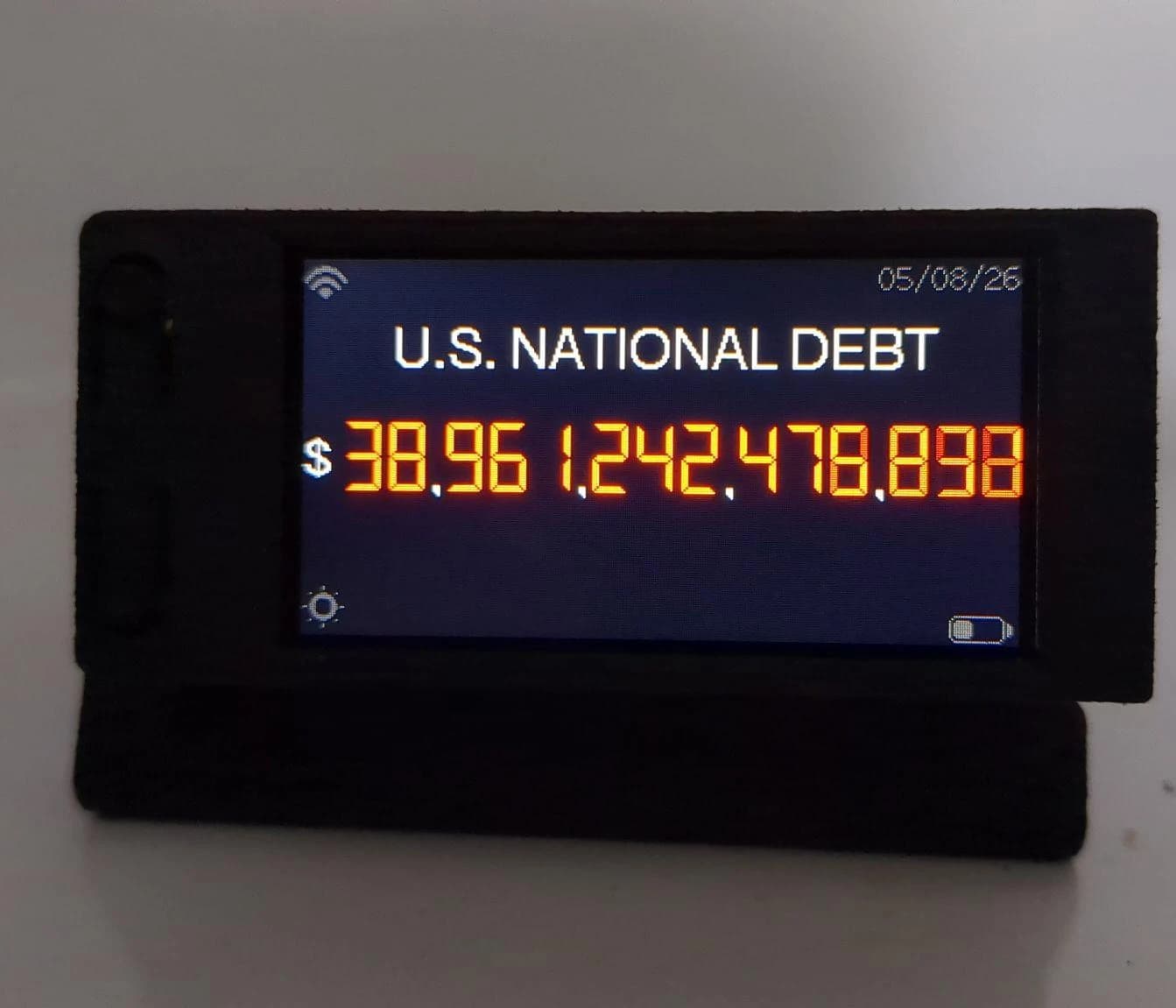
The move matters because foreign official and private buyers remain a critical source of financing for the US government at a time when budget deficits are large and the Treasury market is being asked to absorb heavy issuance. A sustained retreat by overseas holders does not automatically imply outright selling — bond values also moved lower in July, with the Bloomberg US Treasury Index falling more than 1% — but it does point to less dependable external demand for US debt.
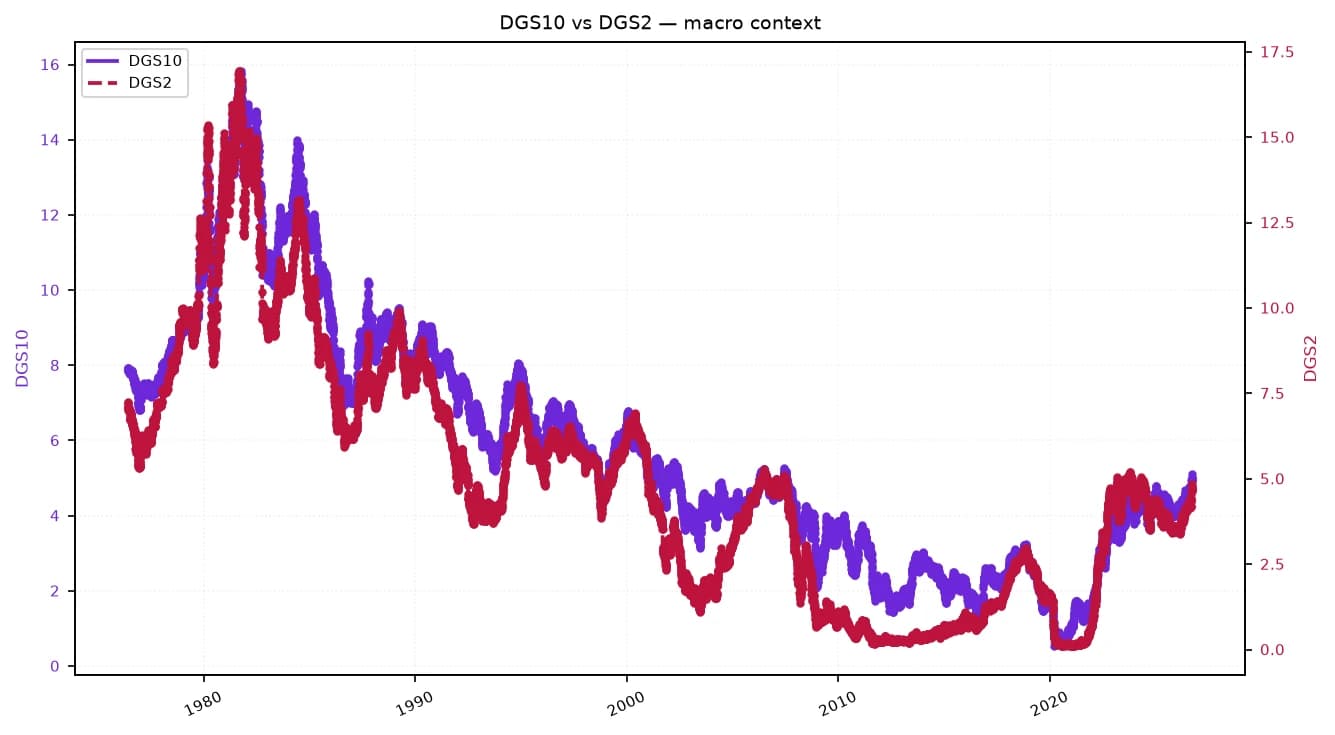
That is important for investors because weaker foreign participation can leave Treasury prices more sensitive to domestic rate expectations, fiscal headlines and risk sentiment. The 10-year yield has already been trading near the 5% area, reflecting a combination of inflation concerns, elevated oil prices and concern over the sustainability of US finances. If foreign reserve managers and sovereign investors keep reducing duration, term premiums could stay elevated and long-dated yields could remain under pressure even if the Federal Reserve eventually eases policy.
China’s decline is especially notable because the country remains the third-largest foreign holder of Treasuries, and its holdings are being watched as a geopolitical gauge as much as a portfolio position. Some of the reduction may reflect custody arrangements through Belgium, which also reported a decline, but the broader direction is clear: China’s exposure to US government debt has been drifting lower for years as trade tensions, sanctions risk and reserve diversification reshape its asset mix.
The distribution of the July moves also shows that foreign demand is not collapsing uniformly. The UK added $58.4 billion to reach $998.3 billion and remained the second-largest foreign holder, while Japan stayed the largest despite trimming its holdings by $12.8 billion to about $1.1 trillion. Market participants said Japan’s decline likely reflected financing for currency intervention, highlighting how foreign Treasury positions can be driven by exchange-rate defense as much as by a view on US rates.
For investors, the key question is whether July marks a temporary valuation-led adjustment or the start of a more persistent reduction in foreign sponsorship for US debt. If the latter, the Treasury market may have to rely more heavily on domestic buyers, money funds and banks to absorb supply, a shift that would reinforce volatility at the long end and keep funding costs elevated for both the government and the broader economy.
| Entity | Gains | Losses |
|---|---|---|
| US Treasury borrowers | ▲cheaper financing if demand holds | ▼higher yields if foreign buying fades |
| Domestic bond buyers | ▲better yields on offer | ▼mark-to-market losses if yields rise |
| China | ▲reserve diversification flexibility | ▼lower US debt exposure, less policy leverage |
| France and Canada | ▲n/a | ▼larger July Treasury declines |