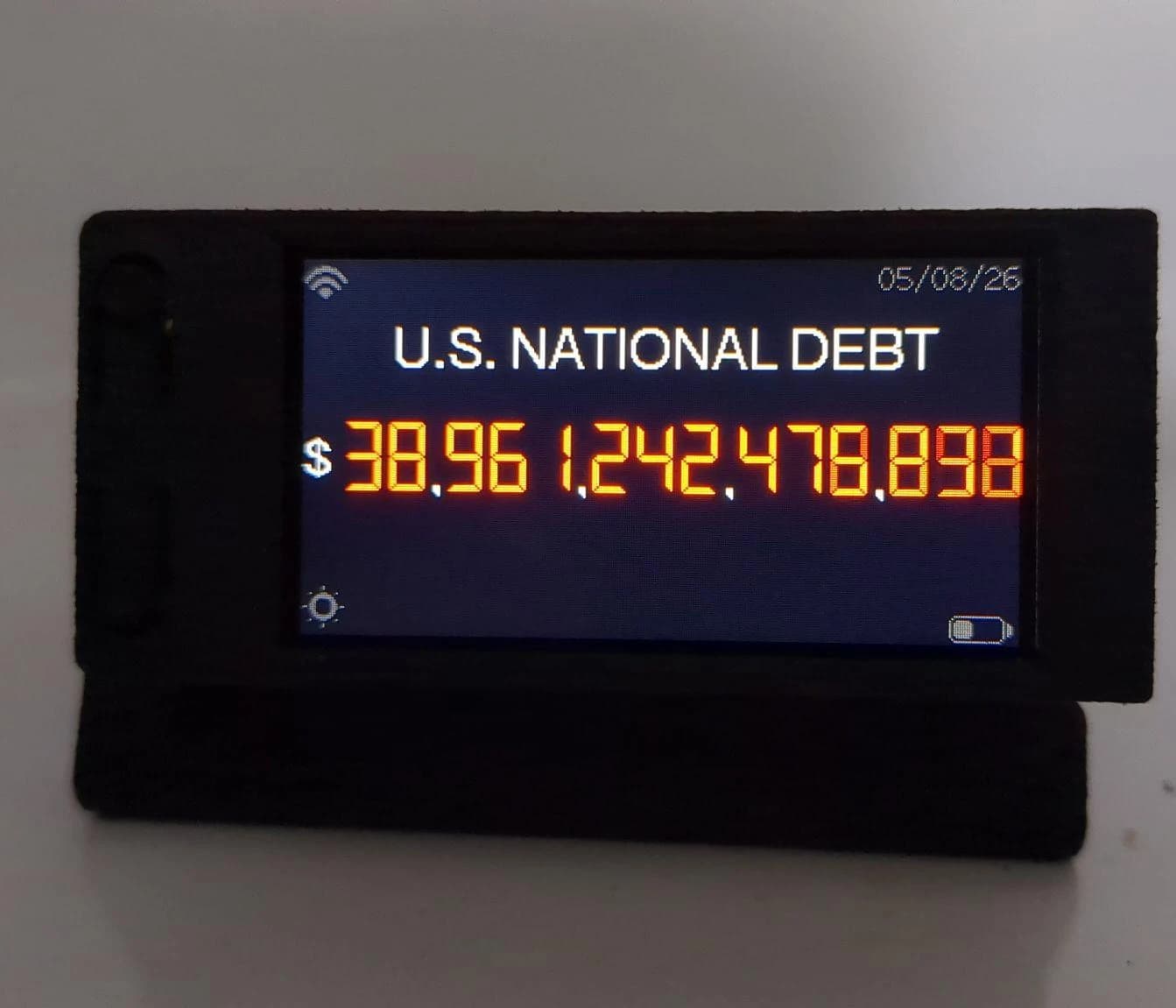
The U.S. national debt has climbed above $40 trillion, undercutting Donald Trump’s pledge to restore fiscal discipline just as higher Treasury yields make every new dollar of borrowing more expensive.
U.S. National Debt Tops $40 Trillion
That combination is economically significant because it means the government is not only carrying a larger debt load, it is paying more to finance it. The 10-year Treasury yield has risen to about 4.79%, up from 4.73% on Aug. 28, while the 2-year/10-year curve has steepened to 40 basis points, showing markets are still pricing a premium for longer-dated U.S. debt even as the Federal Reserve is expected to keep policy rates around 3.63%.
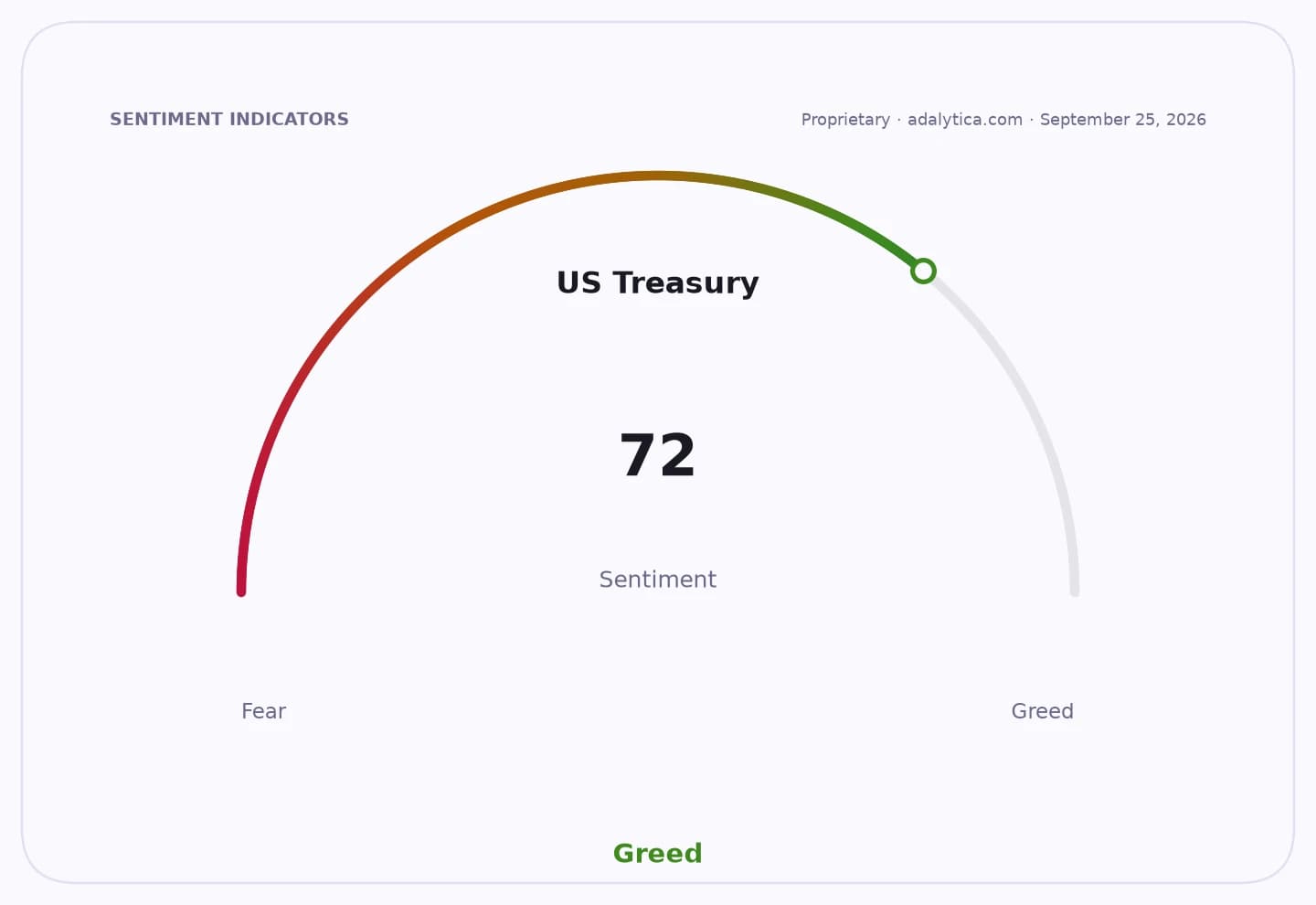
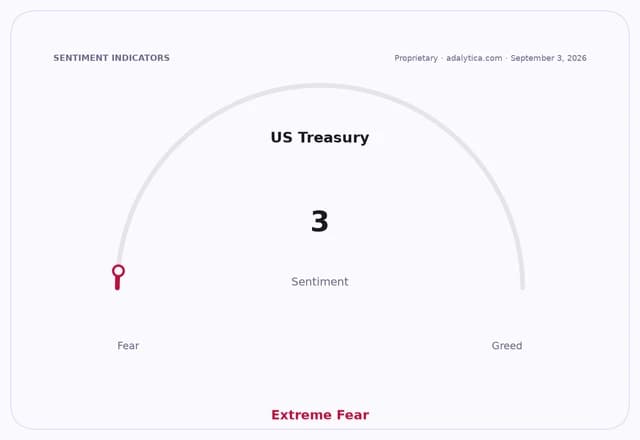
Sentiment IndicatorsⓘProprietary · adalytica.com · September 3, 2026
This is a snapshot — live sentiment, awareness and momentum for 130+ markets update continuously in the dashboard.Open AlphaPulse

For investors, the message is that deficits are becoming harder to ignore as a market variable. Higher borrowing costs can crowd out fiscal flexibility, support term premiums across the curve and keep pressure on rate-sensitive assets, including long-duration bonds such as TLT, which traded at 82.07 on Sept. 3 and remains below its 50-day and 200-day moving averages.
The milestone also sharpens the political risk around fiscal policy. Trump came back to office promising to shrink government, end costly foreign wars and lift growth enough to tame deficits, but the debt burden is rising faster than those promises can offset. With markets watching whether Washington can slow spending and stabilize issuance, the next catalyst is whether Treasury yields keep climbing or policymakers show any sign of confronting the deficit path.
| Entity | Gains | Losses |
|---|---|---|
| Treasury bond buyers | ▲Higher yields | ▼Price risk |
| U.S. government | ▲More financing access | ▼Higher interest bill |
| Long-duration bond funds | ▲Volatility-driven trading opportunities | ▼Mark-to-market pressure |
| Fiscal hawks | ▲Stronger argument for cuts | ▼Political resistance |