The biggest takeaway from Washington’s bond buyback campaign is not that the Treasury has found a durable fix for America’s debt problem, but that Scott Bessent is willing to step in when market conditions turn uncomfortable.
Treasury Buybacks and Rising Bond Yields
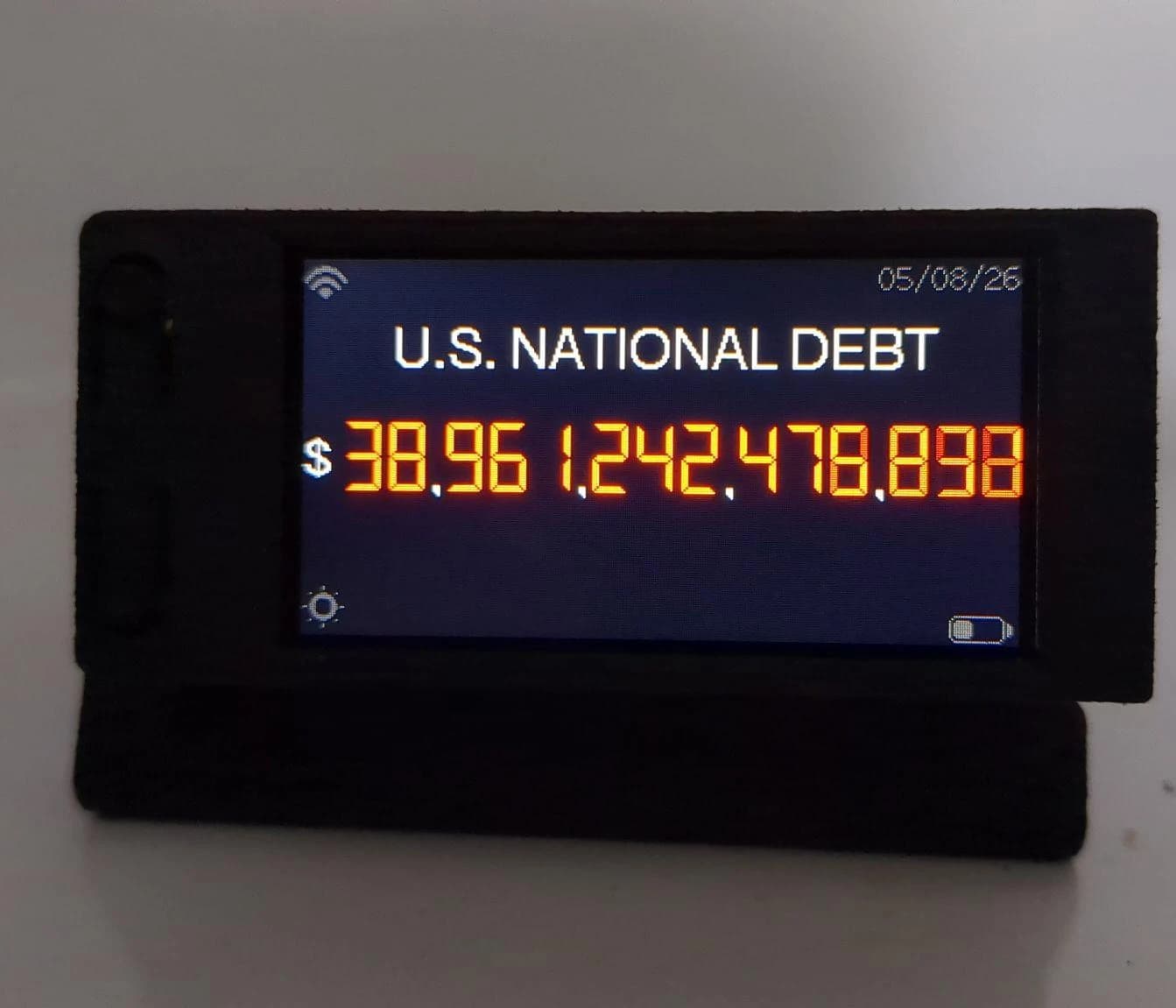
That matters because long-term borrowing costs ripple through the entire economy. When the Treasury buys back longer-dated bonds, it can ease pressure on yields, which in turn can lower mortgage rates, corporate financing costs and the government’s own debt burden at the margin. But top economists say that is a matter of market functioning, not debt management — and investors are right to be skeptical of any suggestion that buybacks can solve a fiscal problem now headed toward $40 trillion of federal debt and more than $2 trillion in annual interest costs by fiscal 2026.
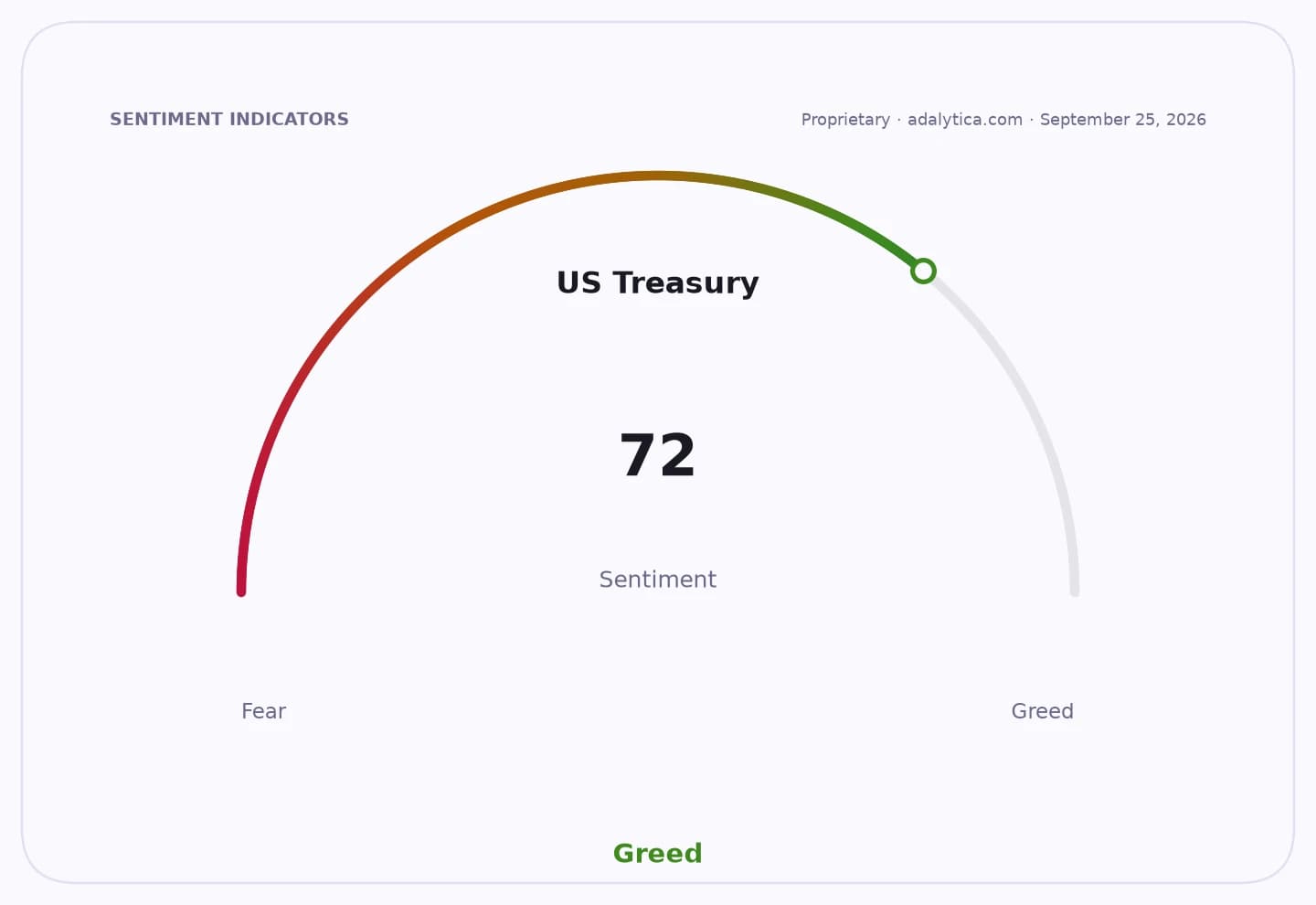
Sentiment IndicatorsⓘProprietary · adalytica.com · September 25, 2026
This is a snapshot — live sentiment, awareness and momentum for 130+ markets update continuously in the dashboard.Open AlphaPulse
The Treasury’s recent move came as 30-year yields pushed toward a near-20-year high and the 10-year benchmark climbed to 19-year highs, a reminder of how fragile bond markets have become. The department’s repurchase program, expanded from $2 billion to $4 billion per operation, did help reduce supply and pressure yields lower. But the deeper signal to markets was about where the administration draws its line: it does not want disorderly financing conditions, and it is prepared to use the tools already on hand to prevent them from worsening.
That is why the episode matters for investors far beyond the bond market. If Treasury is sensitive to higher yields, then the entire rates complex becomes a policy battleground, not just a pricing mechanism. Bond investors, mortgage borrowers and corporate treasurers all care about that. So do equity investors, because high rates can compress valuations, raise discount rates and crowd out spending on everything from infrastructure to artificial intelligence.
There is also a second-order story here: the government is trying to make room for a very large wave of investment. Macquarie’s Thierry Wizman argues the backdrop of heavy sovereign issuance across developed markets may be one reason to keep Treasury yields from rising too far, especially if Washington wants to support the build-out of AI infrastructure without letting government borrowing crowd out corporate debt. Goldman Sachs estimates global AI investment will exceed $1 trillion in 2026, and cheaper financing would help that capital boom keep rolling.
Still, the danger for Bessent is that intervention can create its own expectations. If markets begin to believe Treasury will always step in when yields rise, the mere fact of intervention can undermine confidence and make the bond market look more fragile than it really is. Columbia’s Yiming Ma warned that this is a slippery slope: a central bank can credibly backstop markets, but a sovereign debt manager risks sending the message that investors have already lost faith in its funding conditions.
For long-term investors, the lesson is simple. The Treasury’s bond buyback is not a magic wand, but it is a useful reminder that policy makers are watching yields closely because they now matter to growth, deficits and asset prices. Bond volatility may continue as the Fed, Treasury and global debt markets all pull on the same rope. That makes diversification and patience more valuable than ever. For investors with a multi-year horizon, this is worth watching closely — not as a trading cue, but as a sign of how the cost of capital will shape the next leg of the market cycle.
| Entity | Gains | Losses |
|---|---|---|
| Treasury/Treasury Secretary Scott Bessent | ▲More market control | ▼Less policy flexibility |
| Bond investors | ▲Temporary yield relief | ▼Risk of policy disappointment |
| Borrowers and AI spenders | ▲Lower financing costs | ▼Tight supply of capital |
| Taxpayers | ▲Slightly cheaper funding | ▼Higher long-run debt burden |