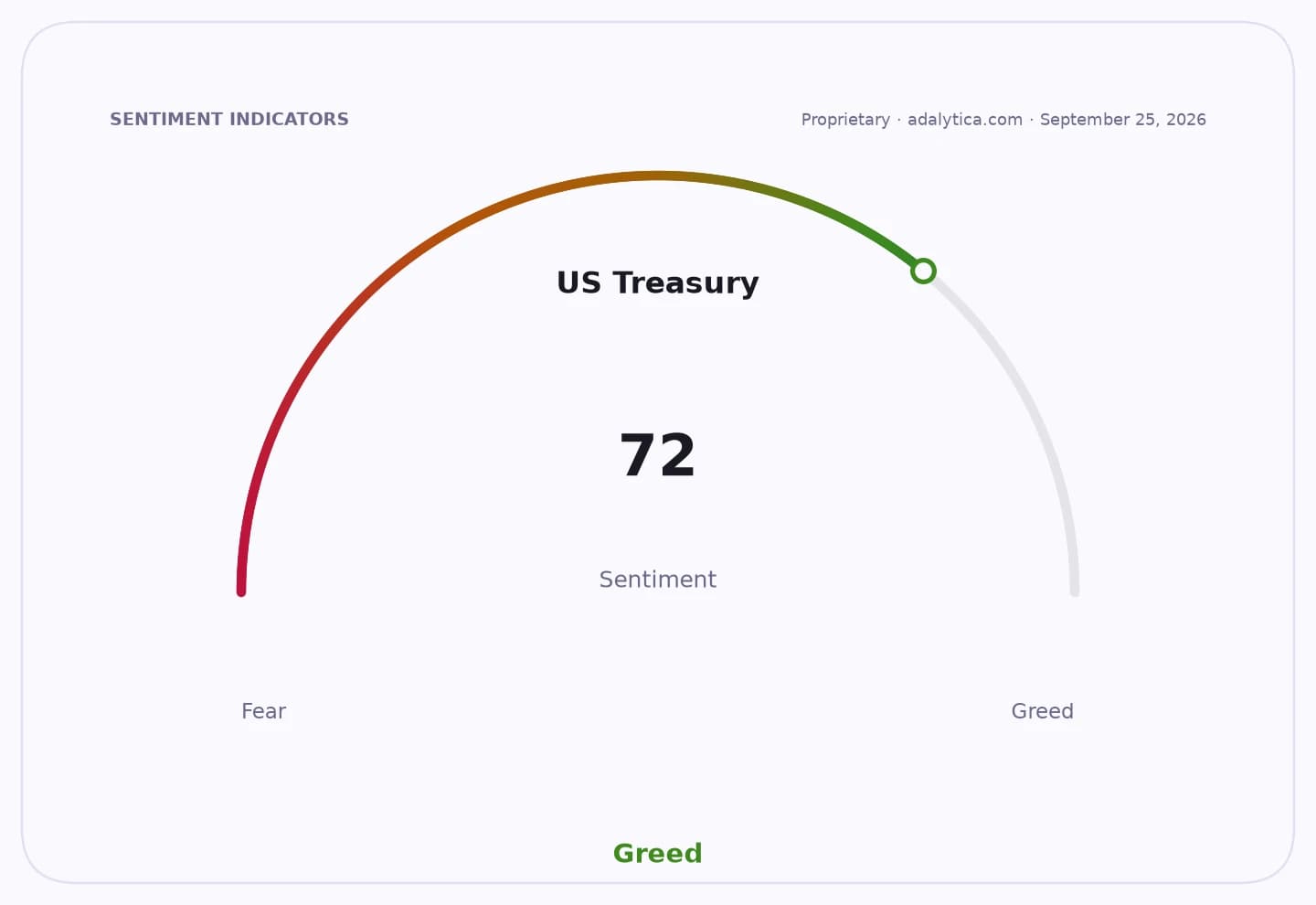
The US government’s debt load has crossed $40 trillion just as inflation is running hot enough to keep Treasury yields elevated, tightening the fiscal squeeze on an economy already facing slower growth and higher financing costs.
US Debt Tops $40 Trillion as Yields Stay Elevated

That combination matters because it lifts the cost of servicing the nation’s liabilities at the same time as prices continue to erode household purchasing power. With the 10-year Treasury yield around 4.7% and the federal funds rate at 3.63%, borrowing is no longer cheap for the government, businesses or consumers. The result is a more expensive backdrop for refinancing, investment and deficit funding, with fewer easy policy options if inflation proves sticky.
Sentiment IndicatorsⓘProprietary · adalytica.com · August 22, 2026
This is a snapshot — live sentiment, awareness and momentum for 130+ markets update continuously in the dashboard.Open AlphaPulse

For investors, the implication is that debt dynamics are no longer just a Washington problem. They feed directly into Treasury supply, term premiums and equity valuations. Higher yields can compress price-to-earnings multiples, especially for long-duration growth stocks, while also supporting income strategies and shortening the appeal gap between bonds and equities. At the same time, a heavier debt burden can make markets more sensitive to any sign that inflation is reaccelerating or that the Federal Reserve must keep rates restrictive for longer.
The latest market data reflect that tension. The 10-year yield has been pinned near 4.7%, up from the ultra-low rates seen during the pandemic, while the broad CPI index remains far above pre-2020 levels. Even though the Fed has eased from its peak tightening cycle, real-world borrowing costs remain high enough to bite. That is showing up in Treasury funds as well: long-dated bond prices have weakened, with TLT still below its 50-day and 200-day moving averages, a sign that investors are not yet pricing a decisive break in yields.
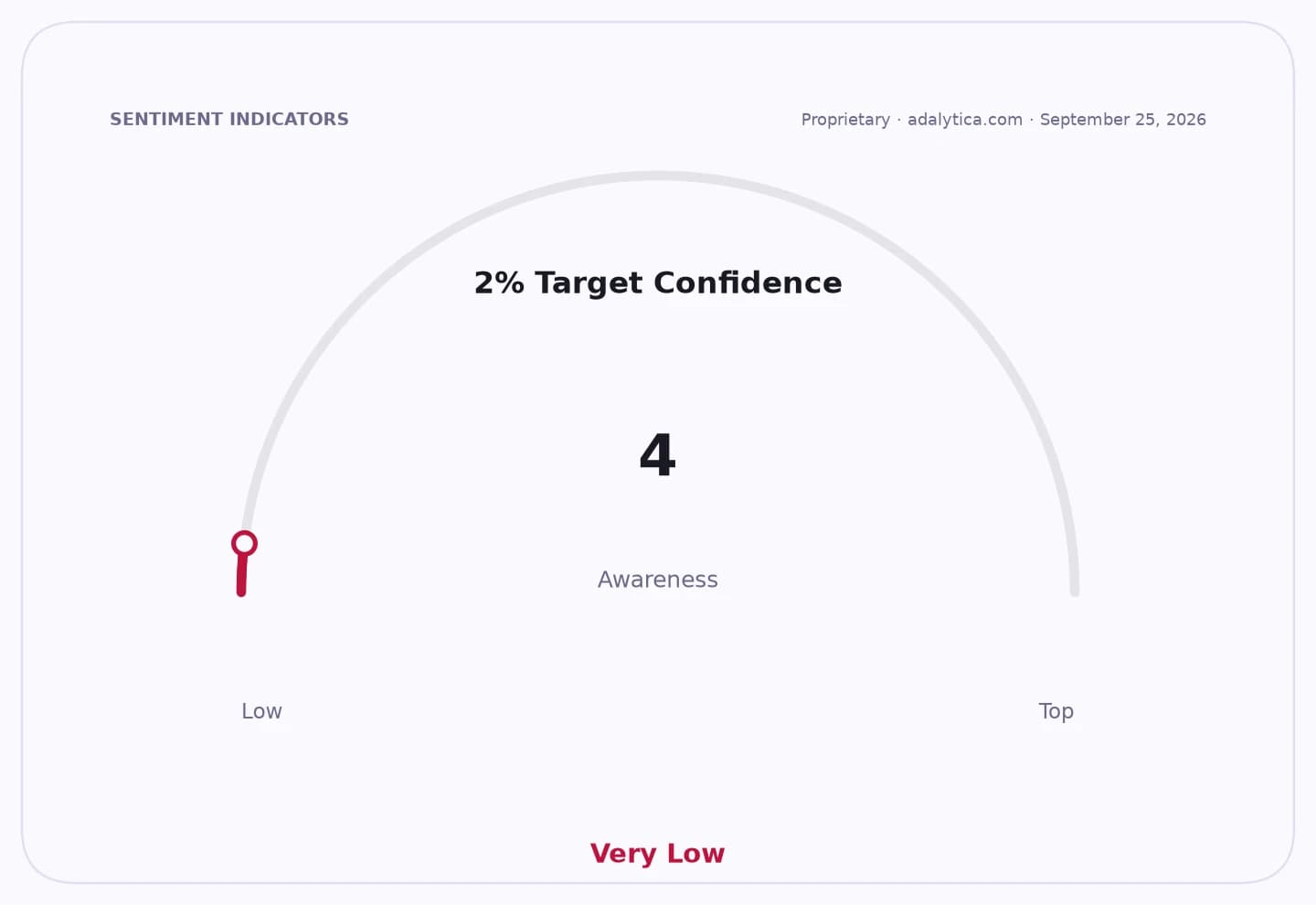
Equities have held up better, but the message from the market is more cautious than the headline index level suggests. The S&P 500 has rallied sharply from its spring lows, yet technical readings still point to a market sensitive to rate expectations. Adalytica’s S&P 500 trade signals show fear even as broader awareness remains elevated, underscoring how quickly sentiment can sour if inflation data or fiscal headlines force yields higher again.
The broader narrative is that the US is entering a more constrained phase of the cycle. Large deficits are no longer being financed in an era of near-zero rates, and inflation means the real burden of that debt is rising even if nominal growth stays positive. Bulls will argue that a $40 trillion economy can service a $40 trillion debt stock, especially if growth remains intact. Bears will counter that the arithmetic worsens quickly when interest expense compounds and the government must keep rolling debt at yields near multi-decade norms.
For now, the market’s key catalyst is not the debt figure alone but whether inflation cools enough to let the Fed cut without reigniting price pressure. If it does, Treasury pressure could ease and risk assets may regain room to run. If it does not, the US will be forced to finance a record debt burden at a persistently higher cost, a combination that would deepen the strain on fiscal policy and likely keep investors leaning defensive.
| Entity | Gains | Losses |
|---|---|---|
| Treasury buyers | ▲Higher yields | ▼Mark-to-market bond losses |
| Treasury borrowers | ▲Temporary funding access | ▼Rising interest expense |
| Equities with strong cash flow | ▲Relative resilience | ▼Multiple compression |
| Long-duration bond funds | ▲Yield pickup if rates stabilize | ▼Price declines if yields rise |