U.S. Treasury yields have climbed to levels not seen in nearly two decades, raising the income hurdle for investors deciding whether to buy government bonds directly or through ETFs.
U.S. Treasury Yields Near Two-Decade Highs
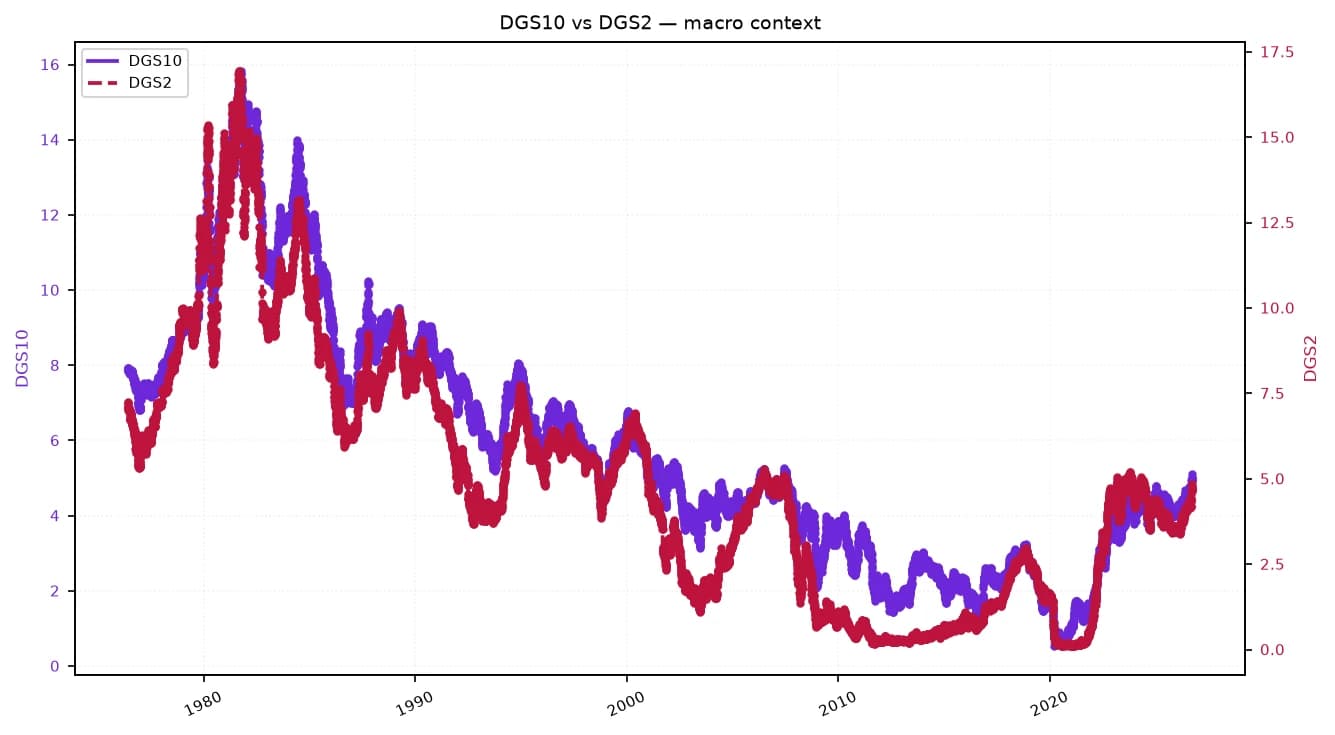
The 10-year Treasury yield is around 5.08%, while the 2-year sits near 4.84%, both sharply above the Federal Reserve’s 3.63% policy rate and close to the highest levels since the early 2000s. That kind of backdrop matters because it pushes bond prices lower, lifts borrowing costs across the economy and changes the return profile for fixed-income portfolios.
Sentiment IndicatorsⓘProprietary · adalytica.com · September 25, 2026
This is a snapshot — live sentiment, awareness and momentum for 130+ markets update continuously in the dashboard.Open AlphaPulse
For investors with roughly 40% allocated to bonds, the move is forcing a more active decision on duration and structure. Direct government bonds can offer a clear maturity date and principal repayment if held to term, while bond ETFs like TLT, IEF and LQD trade more like stocks and have been hit by the latest rise in yields.
The pressure is visible in those funds. TLT, which tracks long-dated Treasurys, fell to $79.04 on Sept. 25 from $85.67 in early November, while its 14-day RSI dropped to 26.4, a conventional technical gauge that points to oversold conditions. IEF, which holds intermediate Treasurys, slipped to $89.72 and LQD, a corporate-bond ETF, fell to $102.90, underscoring how a higher-rate regime is weighing on fixed income across maturities and credit quality.
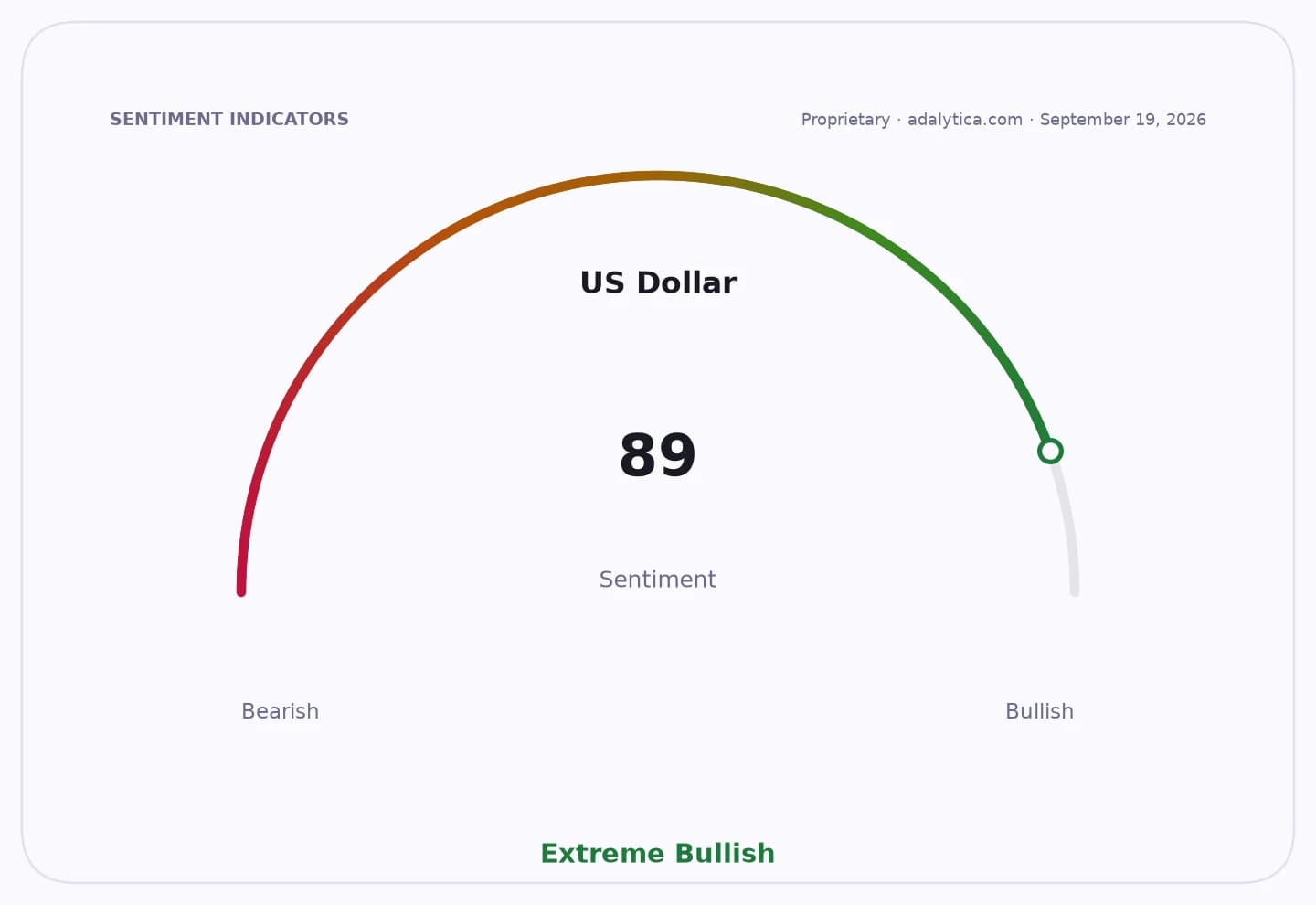
The move also reflects a broader macro problem: bond markets are demanding more compensation for holding government debt as fiscal deficits stay large and the cost of servicing them rises. A weak Treasury auction and stronger economic data have added to the selloff, while the latest Adalytica trade signals show elevated greed in Treasury bonds and the U.S. dollar, suggesting the move still has momentum even as valuations cheapen.
For investors, the near-term question is whether current yields are finally attractive enough to lock in income or whether further selling will create better entry points. The next catalyst is fresh inflation and growth data, along with any further signs that Treasury supply and Fed policy are keeping longer-dated yields elevated.
| Entity | Gains | Losses |
|---|---|---|
| New bond buyers | ▲Higher income yields | ▼More price risk if yields rise |
| Existing Treasury holders | ▲None | ▼Mark-to-market losses |
| Bond ETF investors | ▲Liquidity and easy trading | ▼Duration losses and volatility |
| U.S. government | ▲None | ▼Higher borrowing and debt-service costs |