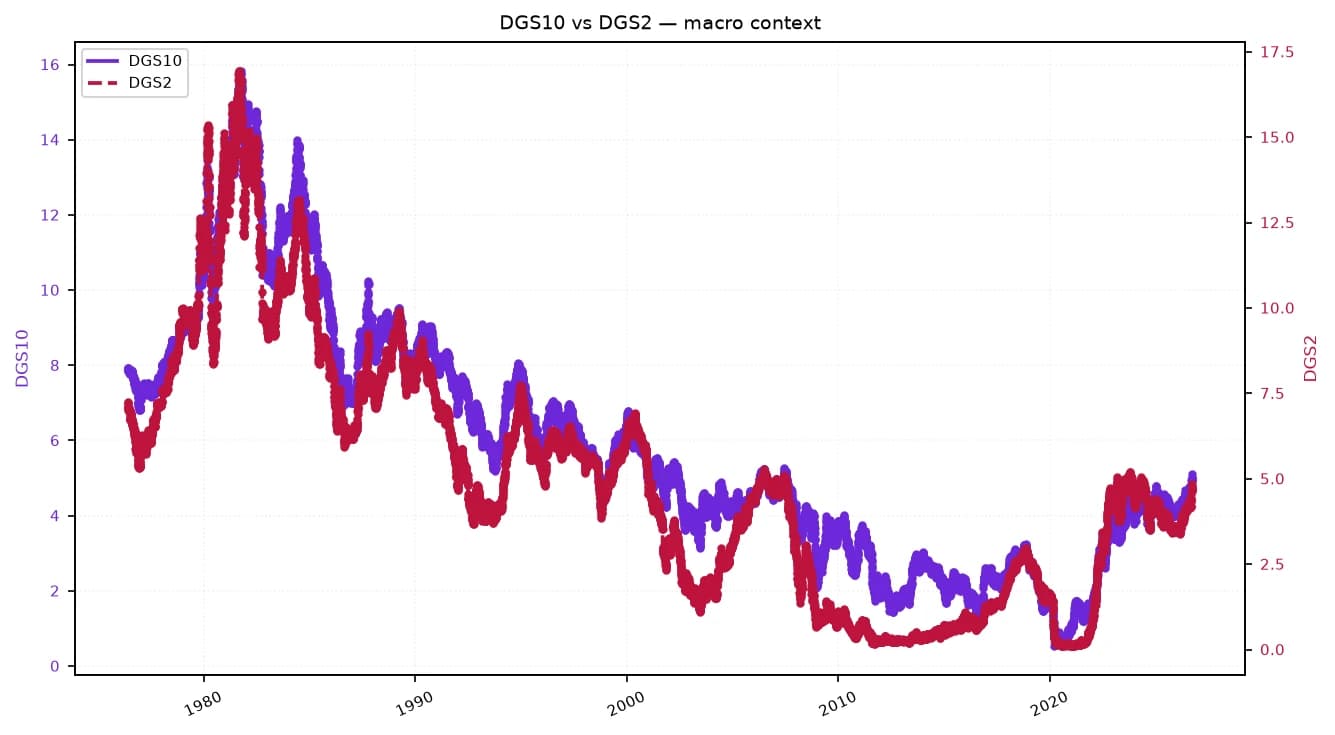
Treasury yields are moving higher after the Federal Reserve’s first rate hike in more than three years, with the 10-year note at 4.94% and the 2-year at 4.72%, underscoring investor doubt that a quarter-point increase is enough to cool inflation.
Treasury Yields Rise After Fed Rate Hike
The market move matters because it suggests bond traders are pricing a tighter policy path than the Fed’s initial step alone implies. The 10-year yield has climbed about 30 basis points from the day before the last FOMC meeting, while the 2-year is up roughly 30 basis points as well, a sign that investors see policy staying restrictive for longer.
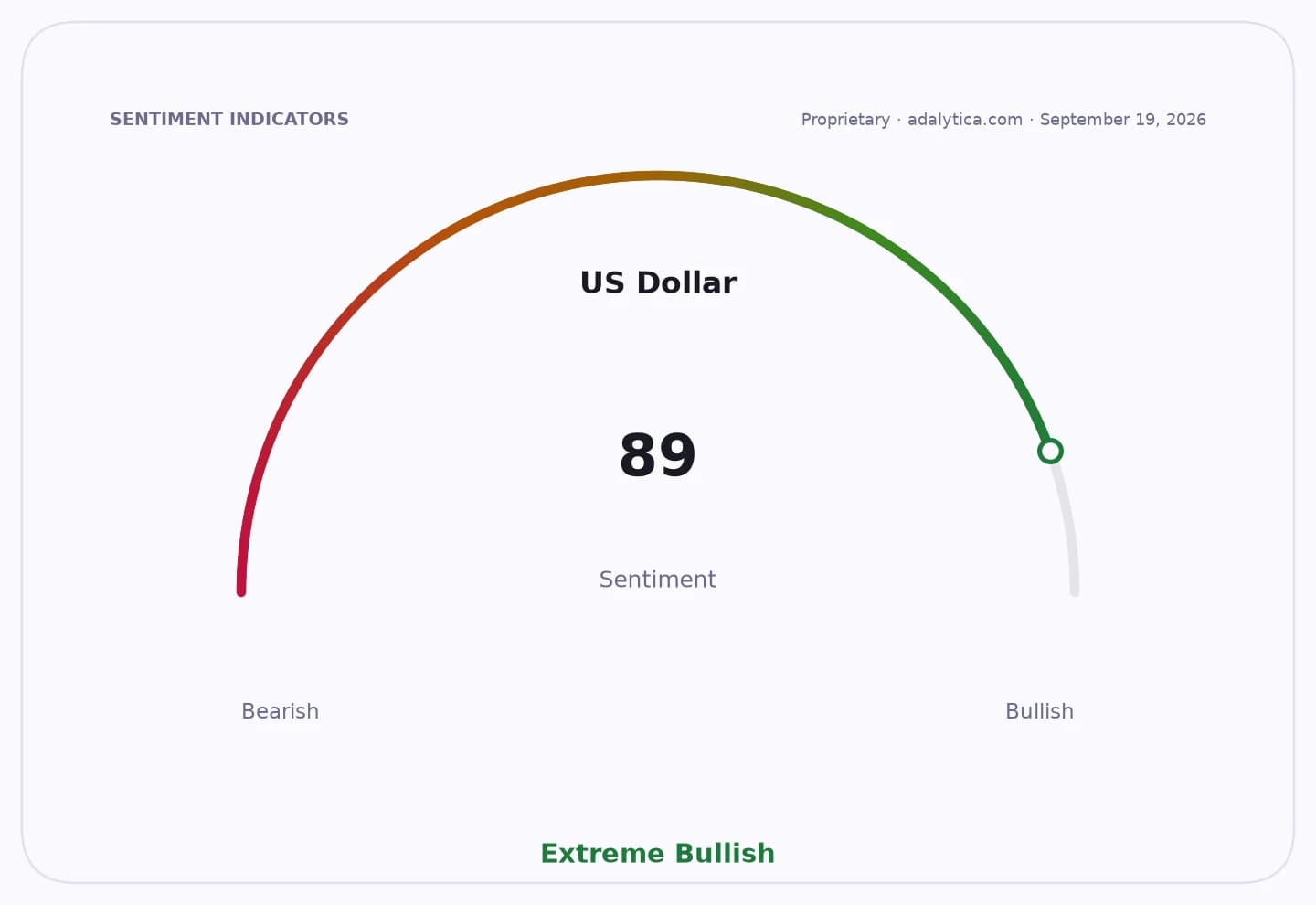
Sentiment IndicatorsⓘProprietary · adalytica.com · September 19, 2026
This is a snapshot — live sentiment, awareness and momentum for 130+ markets update continuously in the dashboard.Open AlphaPulse
That shift is pressuring rate-sensitive assets. TLT, the iShares 20+ Year Treasury Bond ETF, closed at 81.25 on Sept. 18 after a sharp intraday low of 80.86 two sessions earlier, while IEF, the seven- to 10-year Treasury ETF, finished at 90.80. SHY, which tracks short-term Treasuries, held near 81.24, showing the steepest adjustment is still in the longer part of the curve.
The yield move also leaves the Fed in a difficult spot. Short rates are already around 3.75% to 4.0% after the latest hike, and the 10-year yield near 5% suggests borrowing costs across the economy are rising faster than policymakers may have intended. That raises the risk of slower credit growth, softer housing demand and tighter financial conditions heading into the next Fed meeting.
DGS2 vs DGS10 — macro contextadalytica.com
Explore this data interactively — full history, time series and cross-market comparisons.Open AlphaPulse
Adalytica’s Treasury trade signals show TLT sentiment at 54, or neutral, while the U.S. dollar sits in “extreme greed,” reflecting how rate expectations are supporting the currency even as bond prices wobble. For investors, the key question is whether upcoming Fed guidance validates the market’s push for higher yields or forces a repricing if policymakers signal they are done after one hike.
| Entity | Gains | Losses |
|---|---|---|
| Dollar bulls | ▲Higher rate support | ▼Longer-duration bond holders |
| Fed hawks | ▲Tighter financial conditions | ▼Borrowers and growth stocks |
| Short-term Treasuries | ▲Yield reset | ▼Long-duration Treasuries |
| Rate-sensitive sectors | ▲— | ▼Housing, utilities, REITs |