Türkiye’s food inflation has landed the country among the world’s worst performers, and that matters far beyond the grocery aisle because persistent price pressure can shape spending, policy and the value of the lira for years.
Türkiye food inflation and lira pressure

The latest global comparison puts Türkiye fourth from the bottom, with food inflation of 33.79%, behind only Venezuela, Iran and Argentina and even above war-torn Syria’s 29.1%. For households, that means staples are getting harder to afford. For the economy, it signals that price rises are still feeding through supply chains, wages and exchange rates, keeping the cost of living elevated and complicating any path back to stability.
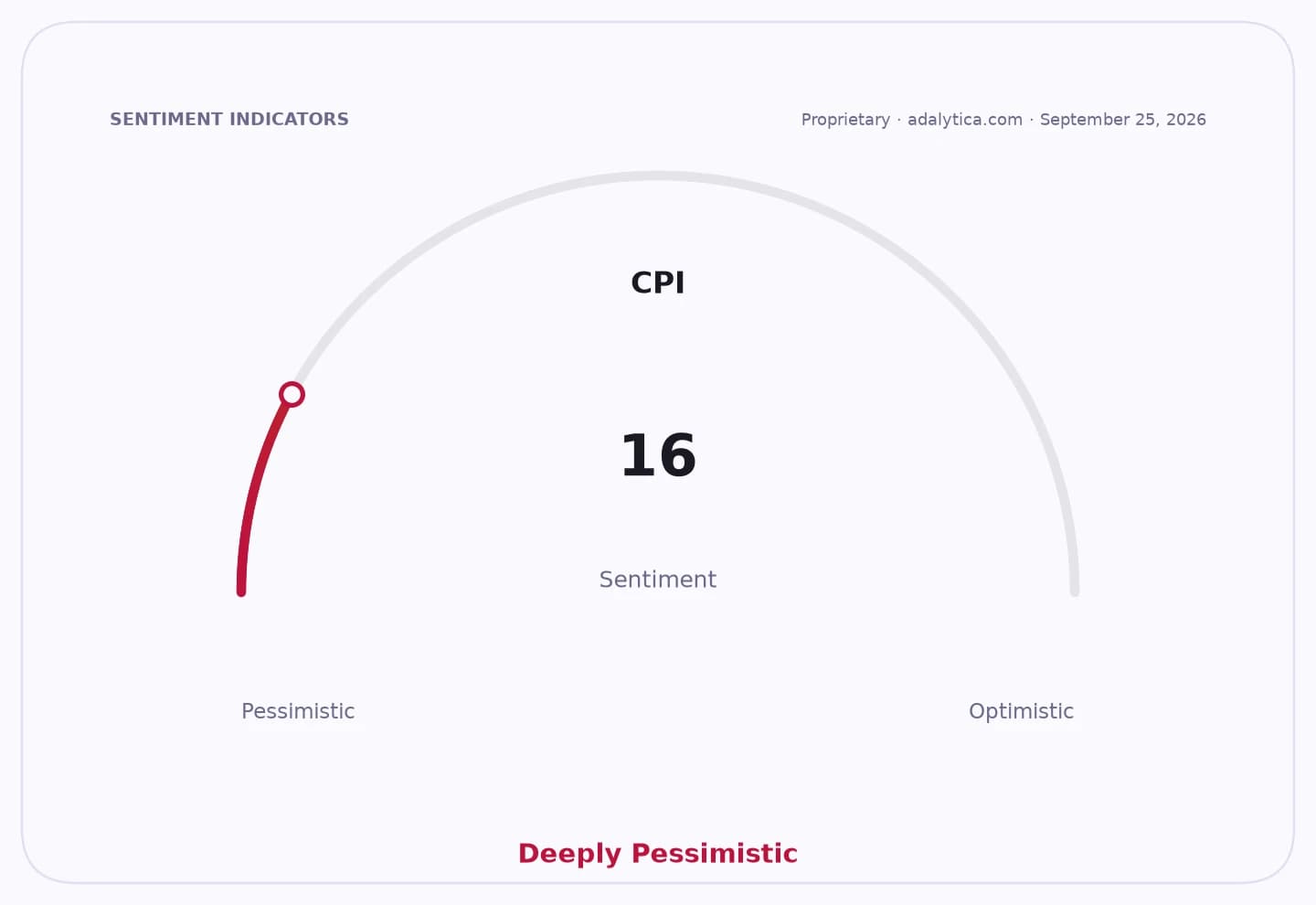
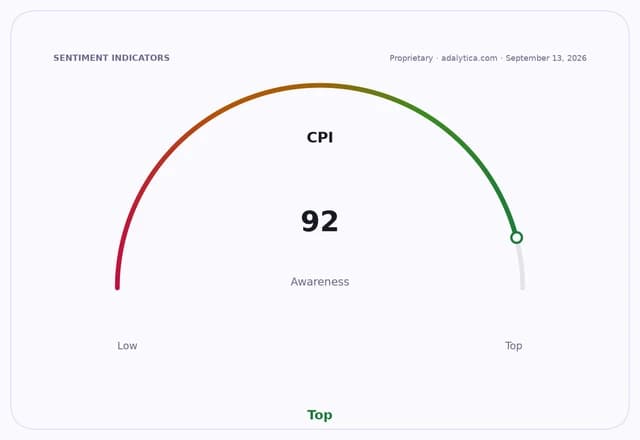
Sentiment IndicatorsⓘProprietary · adalytica.com · September 13, 2026
This is a snapshot — live sentiment, awareness and momentum for 130+ markets update continuously in the dashboard.Open AlphaPulse
This is not just a headline about tomatoes and bread. Food is one of the most visible and politically sensitive parts of inflation, so when it stays this high it usually means broader inflation expectations remain unanchored. That can force policymakers to stay tight for longer, which in turn weighs on credit growth, domestic demand and corporate margins. It also helps explain why the Turkish lira has been under pressure: the currency’s weakness raises import costs, which then flow straight into food and other essentials.
For investors, the message is simple. High food inflation is a reminder that Türkiye remains a volatile market where currency risk and inflation risk can swamp company-specific progress. Exporters with foreign-currency revenue may still have a cushion, but consumer-facing businesses, retailers and import-dependent firms face constant margin pressure unless they can reprice quickly. Even for long-term investors, that makes balance sheets, pricing power and hard-currency earnings far more important than short-term moves.
The market backdrop reflects that tension. The Turkish lira has been sliding, while conventional technical indicators on TRY show the currency trading above both its 50-day and 200-day moving averages and a high RSI reading, consistent with a persistent trend rather than a temporary wobble. That does not solve the inflation problem, but it does underline how entrenched the weakness has become.
Long term, investors should think in terms of resilience rather than rescue. Countries that cannot tame food inflation usually face slower real growth, weaker household confidence and more policy surprises. Türkiye can still offer opportunities, especially in exporters and businesses with strong foreign-currency revenues, but the premium for patience and diversification is high. For most investors, this is a watchlist story until inflation cools decisively and the lira stabilizes.
| Entity | Gains | Losses |
|---|---|---|
| Turkish exporters | ▲Lira revenue conversion | ▼Import-dependent retailers |
| Hard-currency earners | ▲Pricing power abroad | ▼Consumers |
| Central bank hawks | ▲Case for tighter policy | ▼Growth-sensitive borrowers |
| Long-term patient investors | ▲Potential dislocations | ▼Short-term traders |