Turkey’s new medium-term economic plan has set up the 2027 minimum wage to rise by as much as 30%, with a likely range of 33,690 lira to 36,498 lira for millions of workers as inflation and a possible “prosperity share” shape the final decision.
Turkey minimum wage may rise up to 30% in 2027

The new Medium-Term Program, or OVP, changed the arithmetic for the wage-setting commission by lifting the 2026 year-end inflation expectation to 28.4% and setting a 2027 year-end target of 21%. That leaves room for a wage increase above the official inflation goal, a pattern that has become familiar in recent years as policymakers try to protect purchasing power without losing control of labor costs.
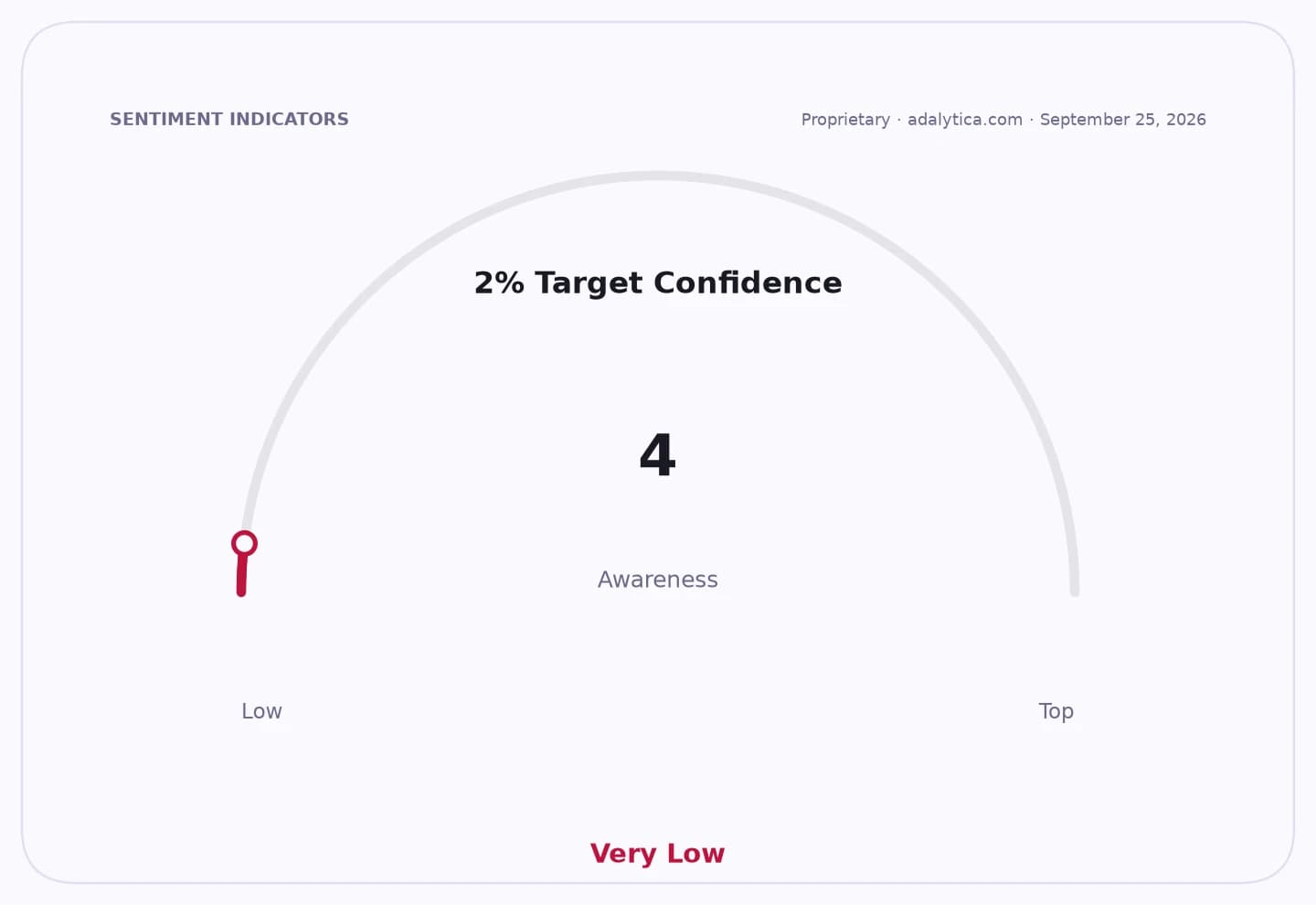
Sentiment IndicatorsⓘProprietary · adalytica.com · September 8, 2026
This is a snapshot — live sentiment, awareness and momentum for 130+ markets update continuously in the dashboard.Open AlphaPulse
The most likely outcome, based on the scenarios now circulating in Ankara, is a raise close to 30%, which would push the net minimum wage to 36,498 lira from the current 28,075.50 lira. A 20% increase would take it to about 33,690 lira, while a 25% hike would lift it to roughly 35,094 lira.
For households, the size of the increase matters because the minimum wage is the benchmark for a large share of private-sector pay, not just the lowest earners. For employers, especially labor-intensive businesses, the decision will feed directly into payroll costs, pricing and margin pressure at a time when Turkey is still managing elevated inflation expectations.
The OVP also strengthens the political case for a bigger rise by giving negotiators a higher inflation starting point than the 21% target alone. In practice, the final number will depend on whether the government repeats earlier practice and adds a cushion on top of the target, rather than sticking to the headline inflation path.
The wage commission is due to begin formal work in early December, with labor, employer and government representatives set to review inflation data, survey results and the OVP framework before the new wage is announced late in the month. Any decision will take effect on Jan. 1, 2027, making the coming round of talks a key test of how far Turkey is willing to trade wage support against cost discipline.
| Entity | Gains | Losses |
|---|---|---|
| Minimum-wage workers | ▲Higher take-home pay | ▼None |
| Employers | ▲Predictable policy path | ▼Higher payroll costs |
| Turkish households | ▲Better purchasing power | ▼Persistent inflation risk |
| Government | ▲Social stability | ▼Pressure on anti-inflation credibility |