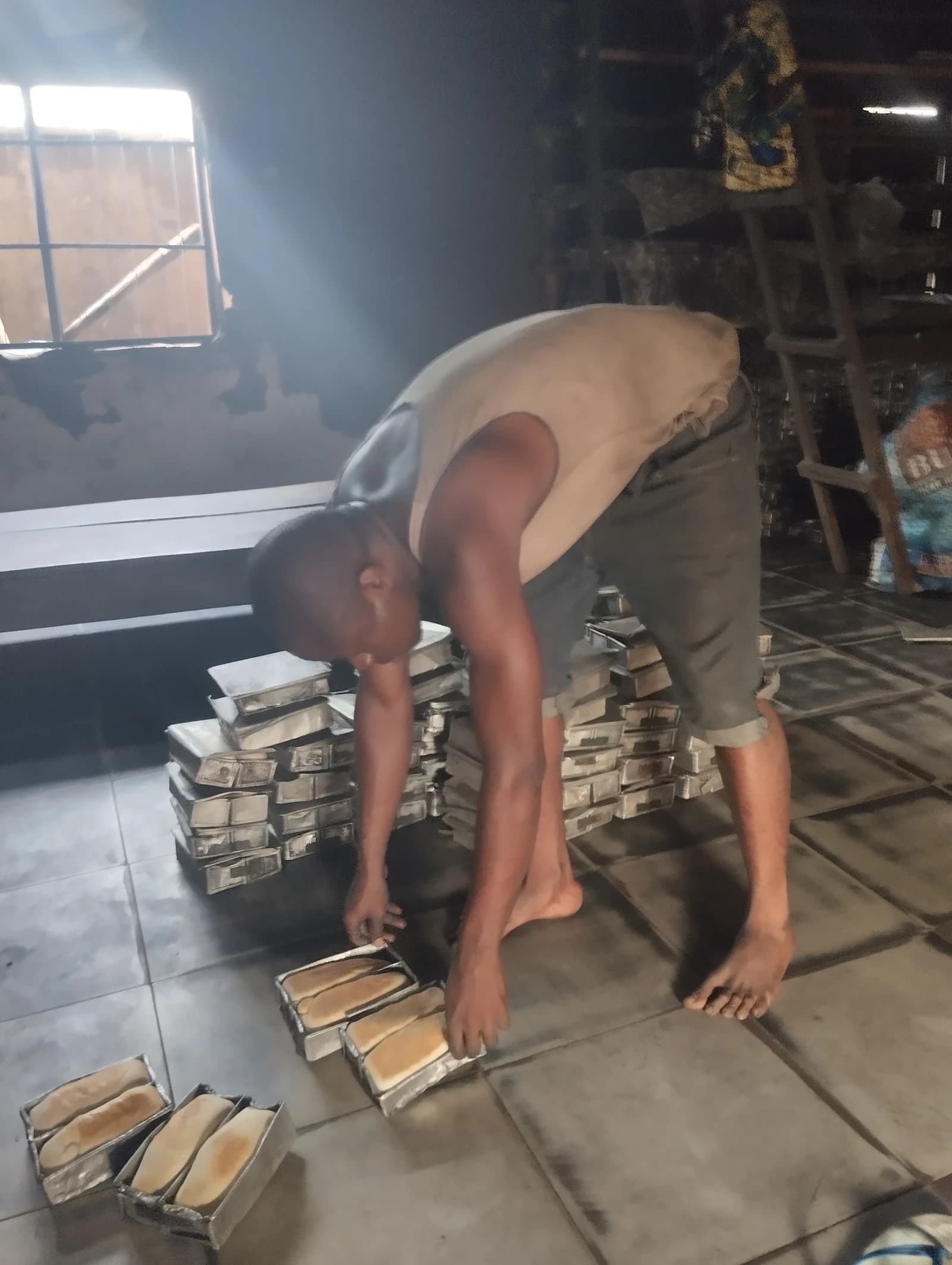
Egypt has enough wheat on hand to cover roughly seven months of demand, but tighter import flows are now threatening a separate corner of the food market: the higher-priced tourist and fancy-bread segment that could see prices rise by at least 20%.
Egypt private mills face wheat price rise
That matters because Egypt’s bread market sits at the center of household spending, inflation expectations and social stability. The country can still protect the subsidized baladi bread that feeds about 70 million people, but it is becoming more dependent on government intervention to keep imported wheat flowing to private mills that make viennoiserie-style and tourist bread.
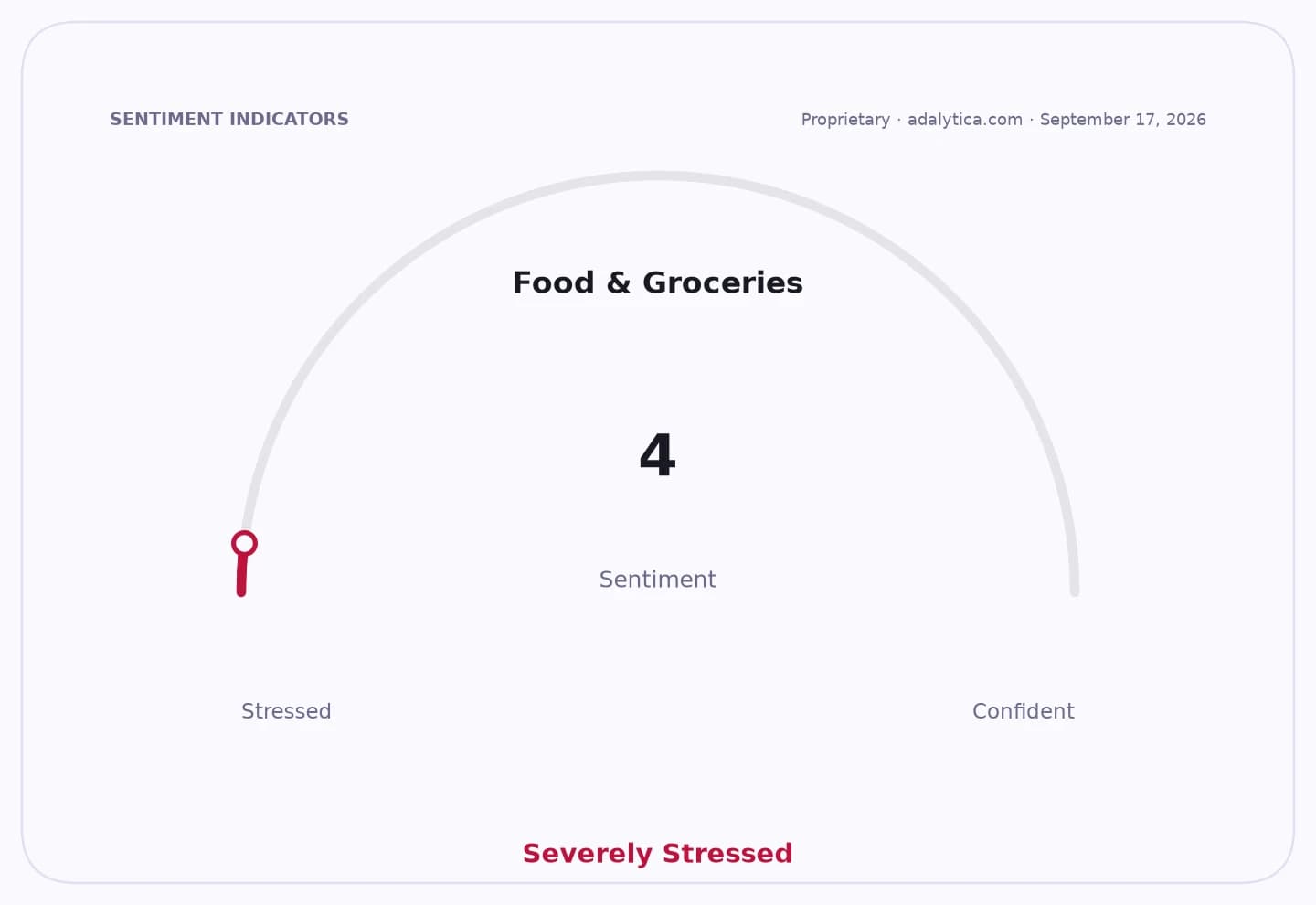
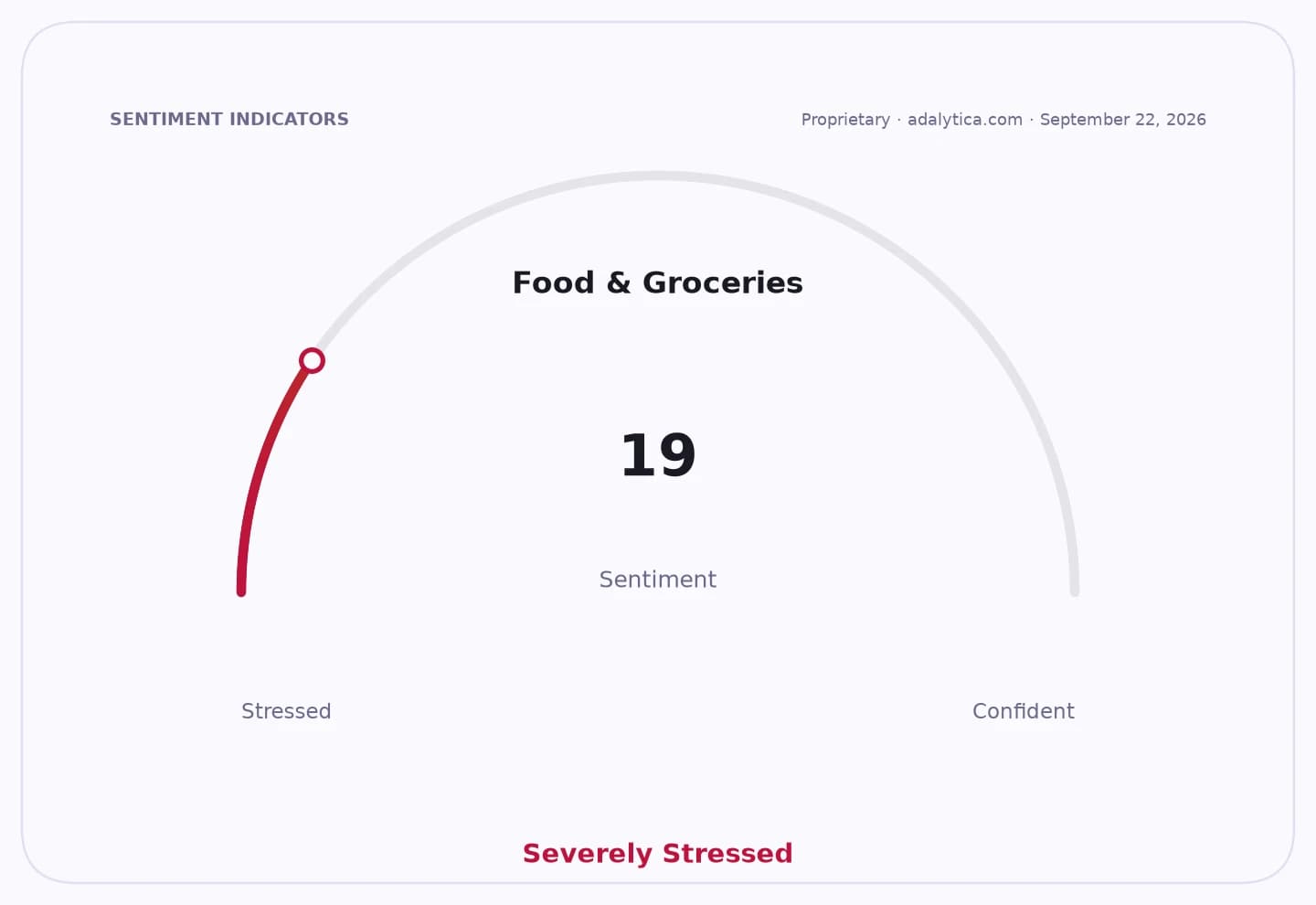
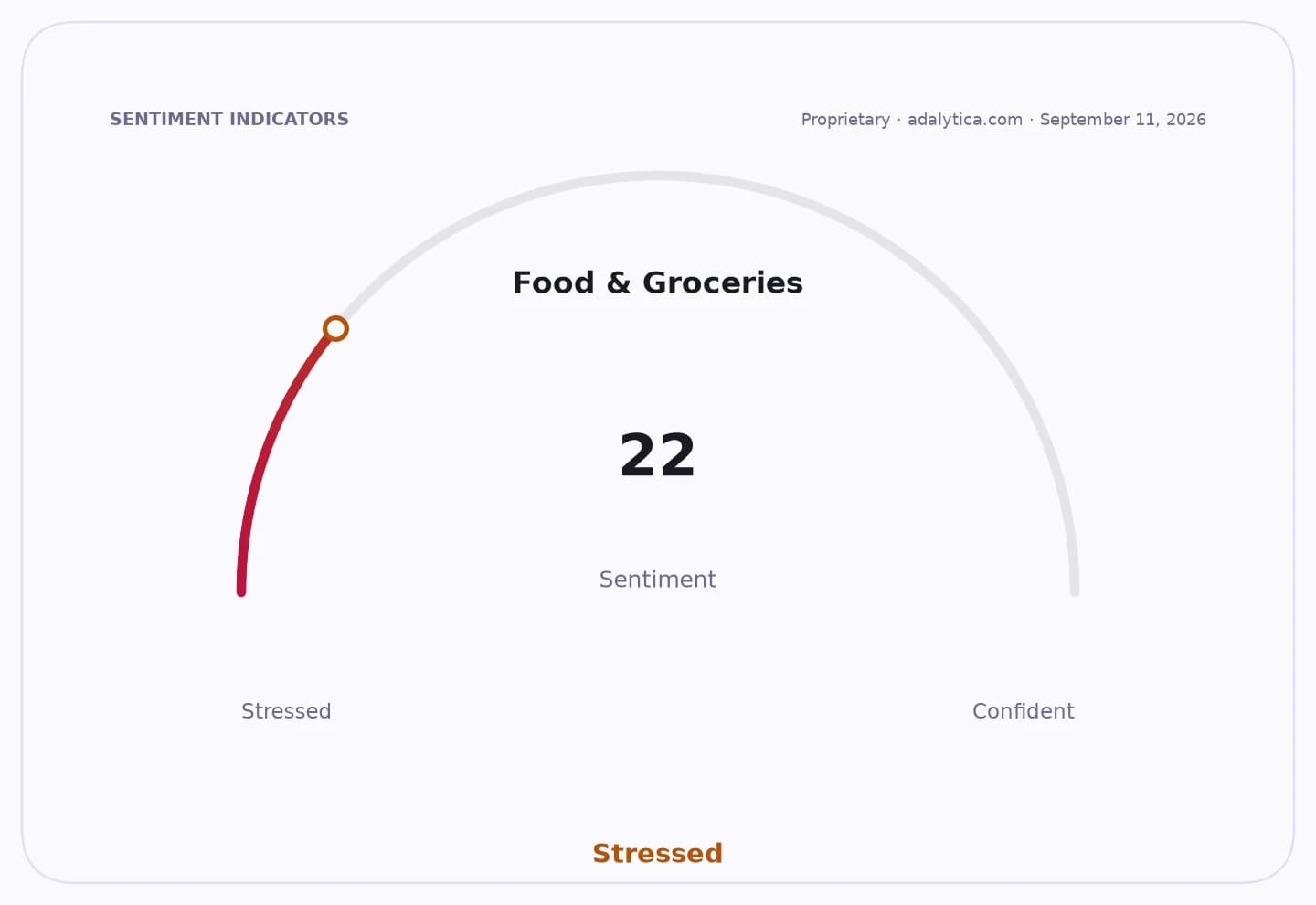
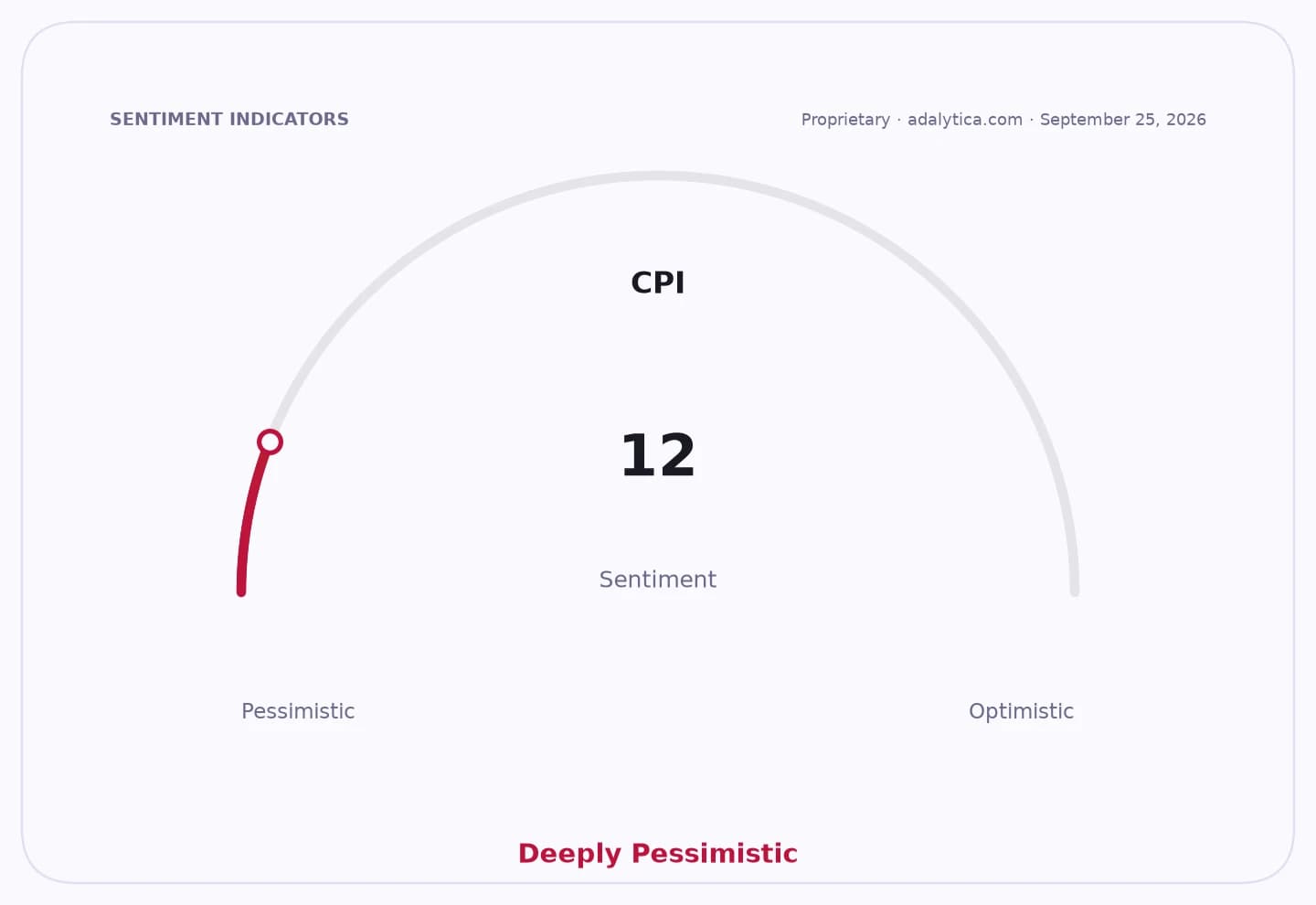
Sentiment IndicatorsⓘProprietary · adalytica.com · September 25, 2026
This is a snapshot — live sentiment, awareness and momentum for 130+ markets update continuously in the dashboard.Open AlphaPulse
Tarik Hassanein, head of the Grain Industry Chamber at the Federation of Egyptian Industries, said the main problem is not wheat for subsidized bread, but imported wheat used in the production of fino and tourist bread. He blamed reduced arrivals on the war between Russia and Ukraine and attacks on export ports, arguing that limited supplies will push up prices unless the state steps in.
The chamber has already sent a memo to Supply Minister Sherif Farouk urging action. Hassanein said even a modest release of wheat, such as 500 tons per mill per week, could ease pressure, especially with schools reopening and demand for fino bread rising. He expects some form of intervention this week to allocate wheat to private mills, calling it a temporary measure until the war ends.
For investors, the immediate read-through is inflationary rather than agricultural. Food costs remain one of the most sensitive drivers of consumer prices in Egypt and across the region, and even a narrow price increase in tourist bread can ripple into restaurants, hotels and other travel-related spending. For commodity markets, the story reinforces how Black Sea supply risk still matters even when headline wheat availability looks adequate.
The broader message is that security of supply is not the same as comfort in pricing. Egypt may have enough wheat for now, but the market is still vulnerable to imported-grain disruptions, and that leaves the government with little choice but to manage the shortage with short-term releases rather than wait for global shipping routes to normalize. Investors should watch whether the intervention stabilizes retail prices or simply delays a wider inflation pass-through.
| Entity | Gains | Losses |
|---|---|---|
| Egyptian consumers of baladi bread | ▲Stable subsidized supply | ▼Little direct impact |
| Private mills and tourist-bread makers | ▲Emergency wheat access | ▼Higher input costs |
| Egyptian government | ▲Short-term market calm | ▼More intervention burden |
| Wheat exporters disrupted by Black Sea risk | ▲None | ▼Lost export flow |