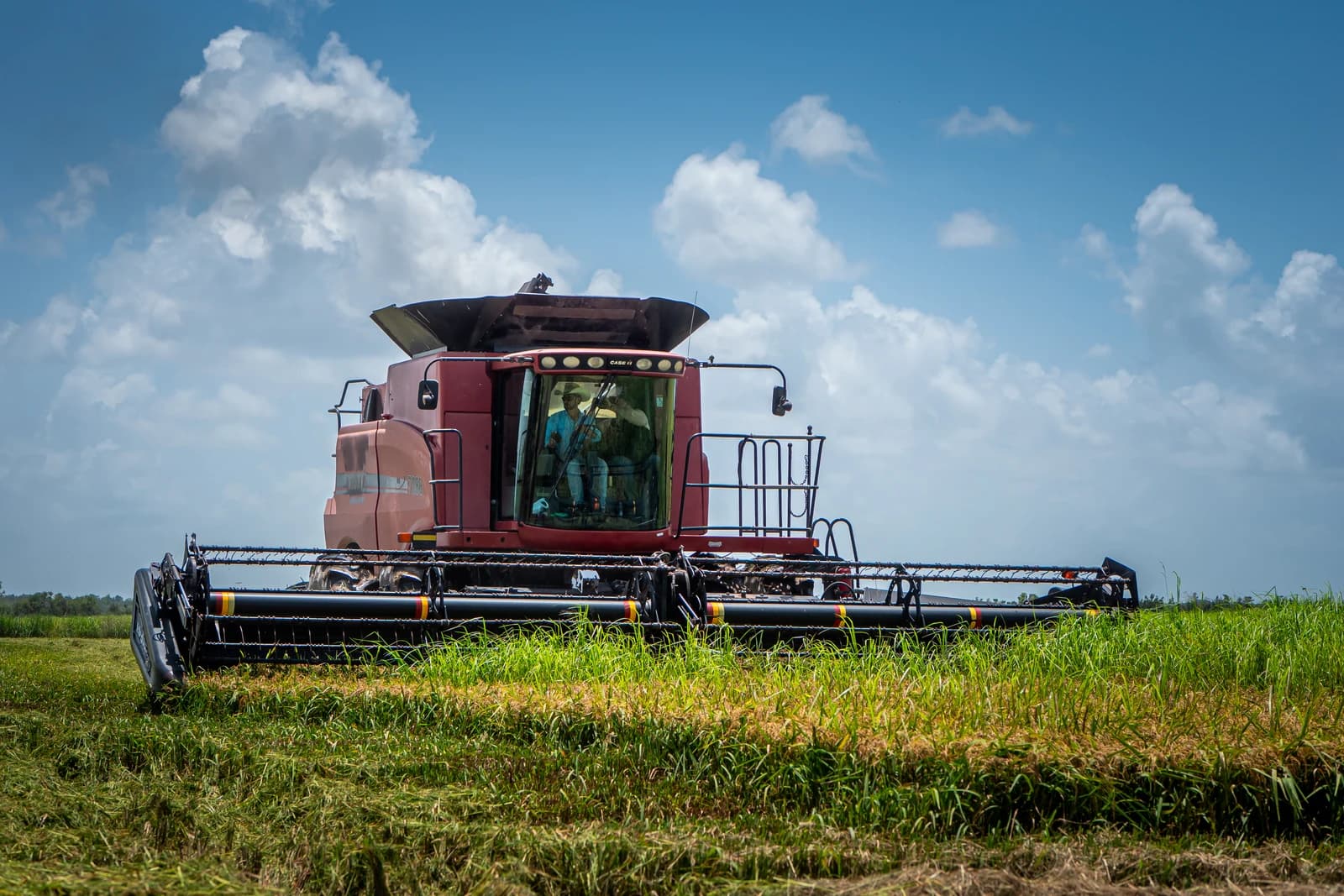
Rice prices in Vietnam are stuck in a holding pattern, with fresh paddy steady after a recent drop and raw rice still anchored near the previous session as weak trading and muted export demand keep the market from breaking out.
Vietnam rice prices stay range-bound on weak demand
That matters because rice is not just an agricultural staple but a working gauge of farm income, mill utilization and export competitiveness in one of Asia’s biggest rice-producing regions. When prices go sideways at the end of the summer-autumn crop, it usually means supply is easing but demand is not strong enough to force a repricing. For farmers, that limits any near-term rebound in cash receipts. For millers and traders, it preserves margins only if procurement stays disciplined.
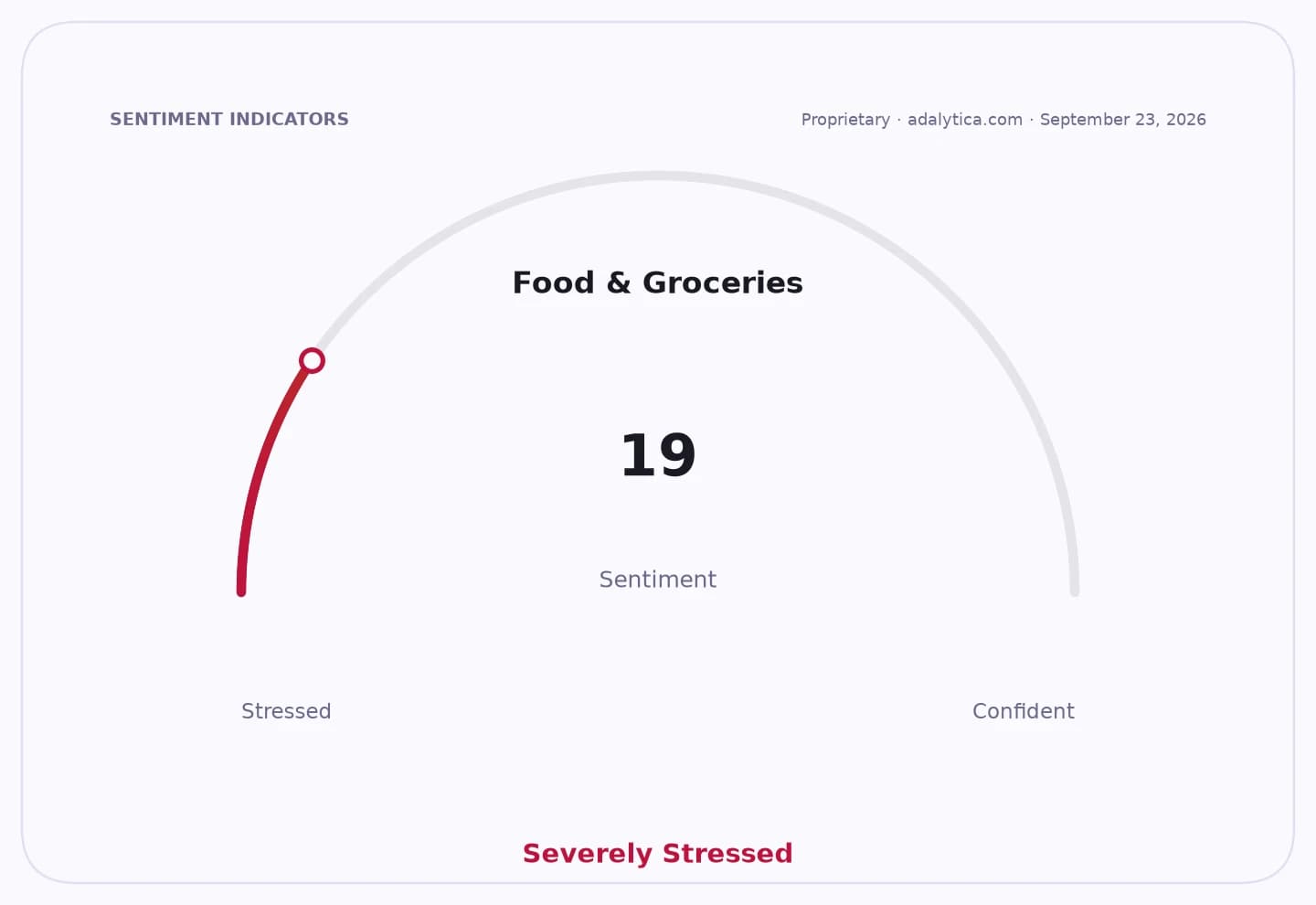
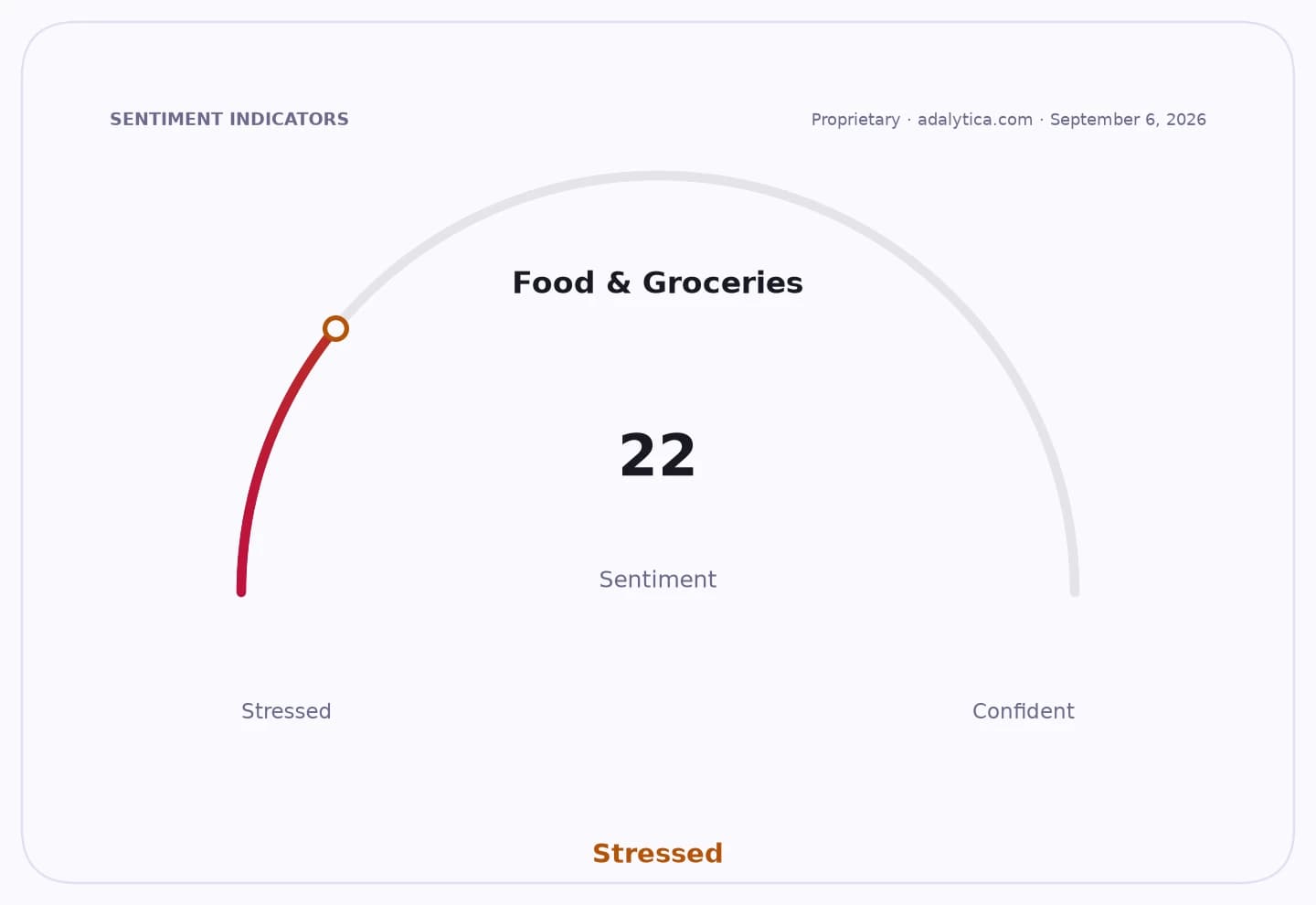
Sentiment IndicatorsⓘProprietary · adalytica.com · September 23, 2026
This is a snapshot — live sentiment, awareness and momentum for 130+ markets update continuously in the dashboard.Open AlphaPulse
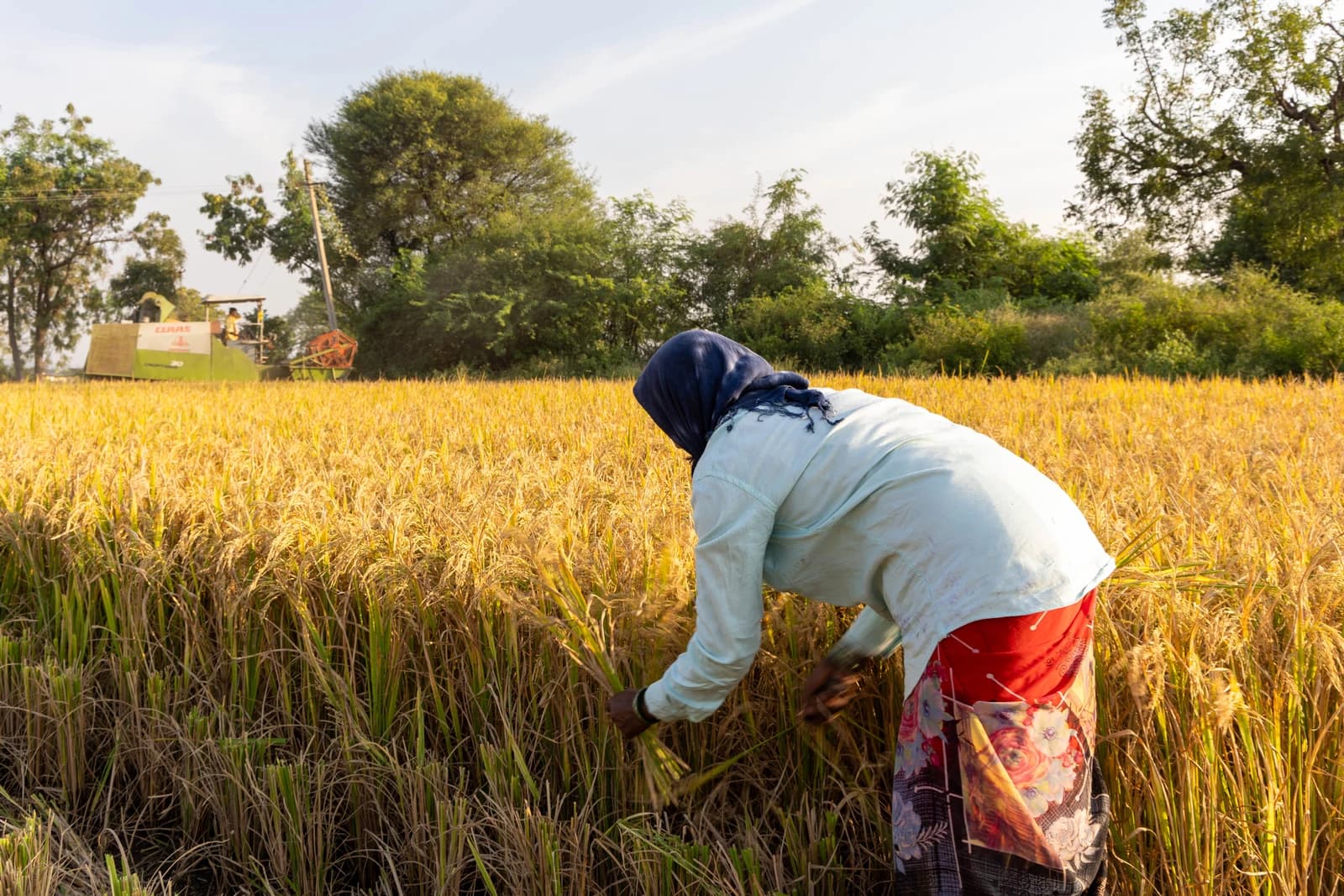
In the Mekong Delta, the main supply dynamic is straightforward: late-season paddy is thinning, which should support prices from falling further. But the more important force is the other side of the ledger — slow buying. Traders reported that fresh paddy prices for premium varieties such as Dai Thom 8 and OM 18 were holding around 6,200 dong per kilogram, while OM 5451 and IR 50404 stayed in the 5,800-6,000 dong range. Raw rice was also firmer, with OM 5451 and Dai Thom 8 up to 9,400 dong per kilogram, suggesting mill demand is still providing a floor even as farmgate transactions remain sluggish.
Export pricing is the missing catalyst. Jasmine rice from Vietnam is expected to stay around $526-$530 a ton, with 5% broken fragrant rice at roughly $440-$445 a ton. Those levels are stable, but they are not exciting enough to pull domestic prices higher when regional competition is still pressuring buyers to wait. In other words, the market has support, but no real reason to re-rate.
That is why the story is less about today’s flat tape and more about what comes next. If exporters secure new year-end orders and mills step up purchases, raw rice should react first, then paddy prices could follow. If not, this range-bound market may persist into the next trading window, leaving farmers with little pricing power and traders focused on inventory discipline rather than expansion.
For investors watching global food and agribusiness themes, the setup favors the middlemen and processors that can source cheaply and turn inventory efficiently, while it keeps pressure on growers and exporters relying on a demand pickup that has yet to arrive. The market is telling you the same thing in a quieter way: supply is narrowing, but demand still has to prove itself.
| Entity | Gains | Losses |
|---|---|---|
| Rice millers | ▲Lower input volatility | ▼Farmers seeking higher prices |
| Exporters | ▲Stable procurement costs | ▼Sellers waiting for a price breakout |
| Farmers | ▲Floor under paddy prices | ▼Upside from late-season supply squeeze |
| Buyers/importers | ▲No immediate price spike | ▼None if they delay purchases |