Unfavorable weather is squeezing rice growers and raising the odds of higher rice prices, as farmers report slower crop growth, more pest pressure and a sharp rise in production costs.
Rice growers face weather, pest pressure, higher costs
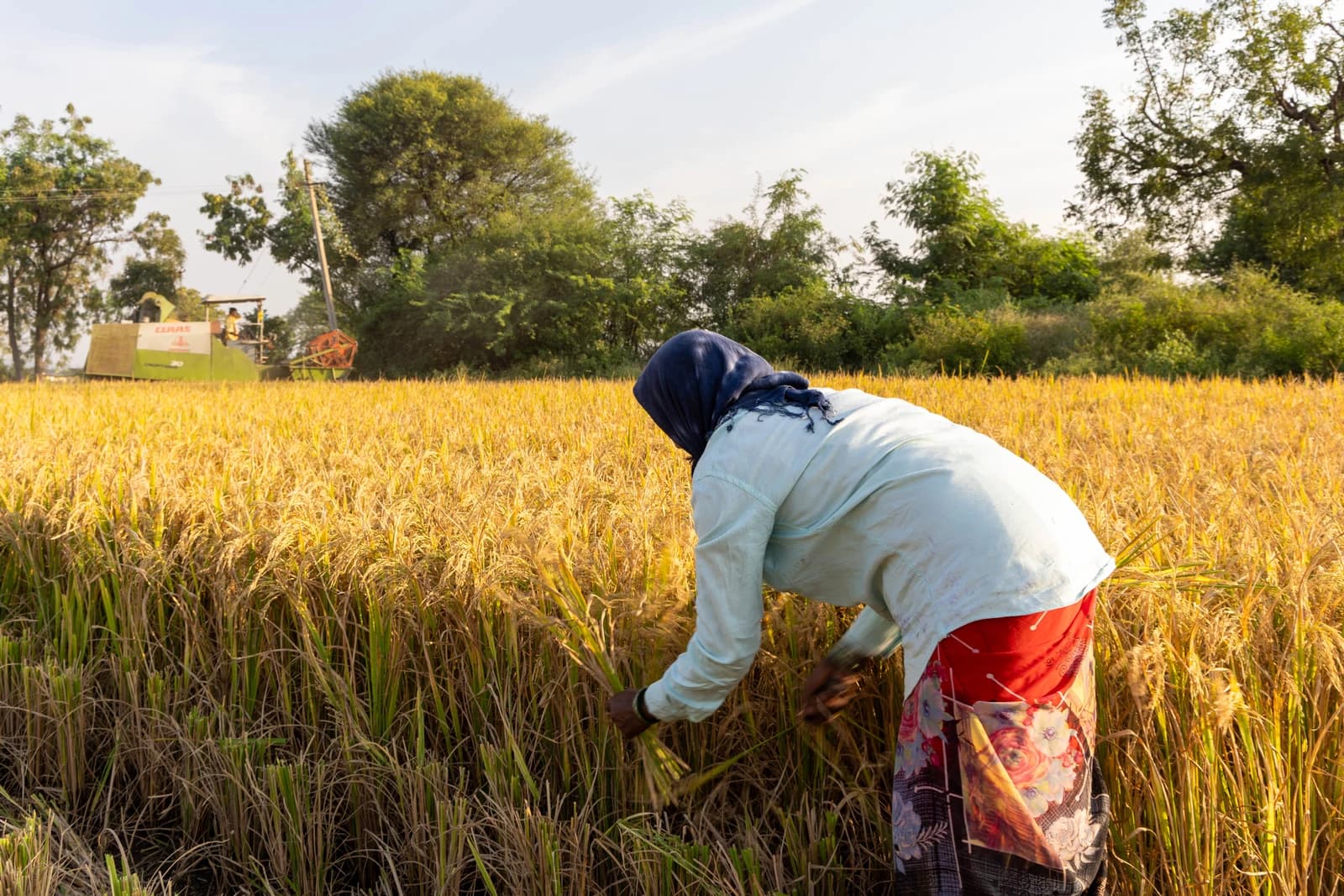
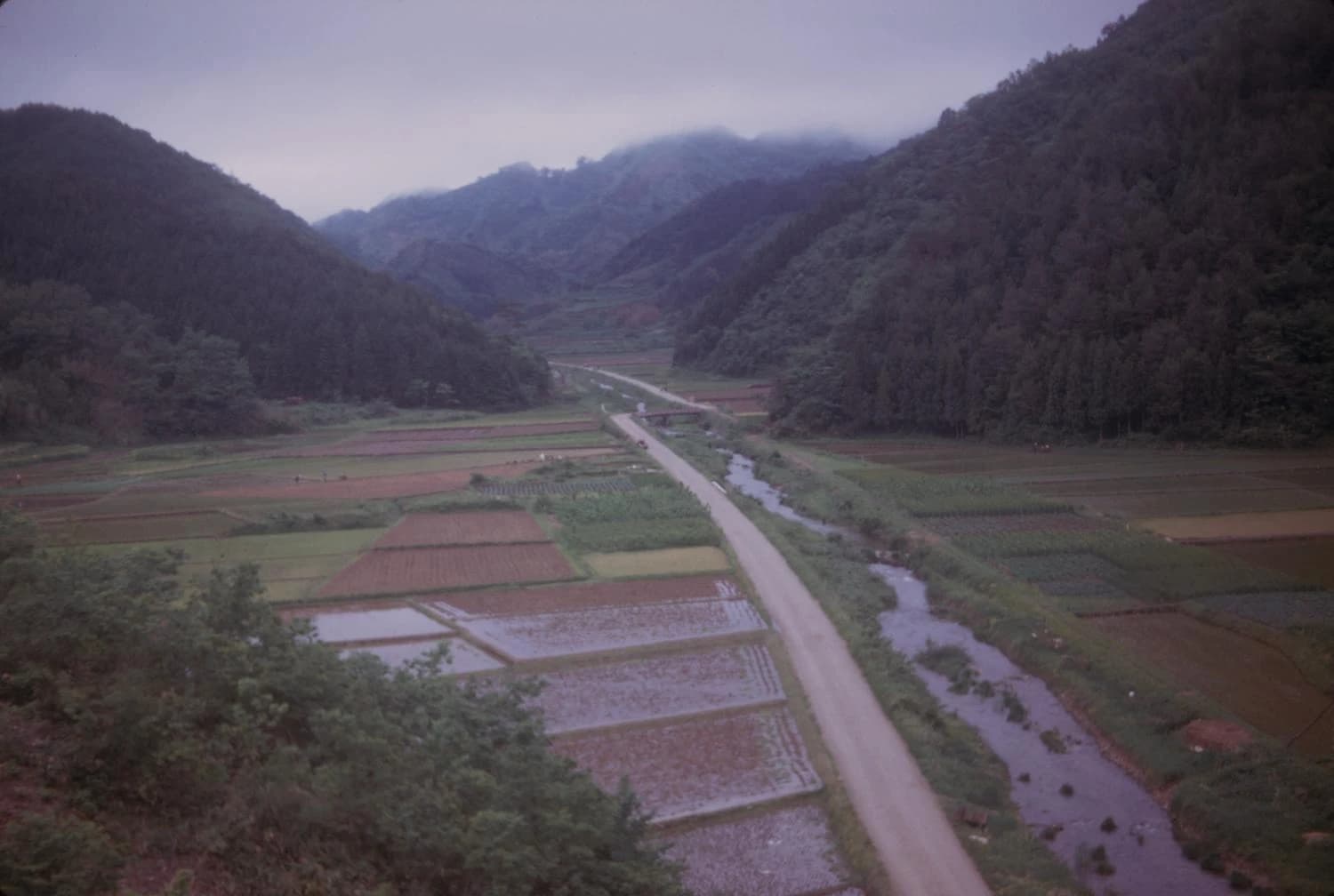
The immediate economic risk is tighter supply from a crop that is already facing higher expenses for labor, fertilizers, pesticides, seedlings and water management. In the Marathi-language reports, farmers say irregular rainfall and heat have stunted tillering and reduced plant growth, while leaf-eating pests and blight disease are adding to spraying costs and threatening yields.
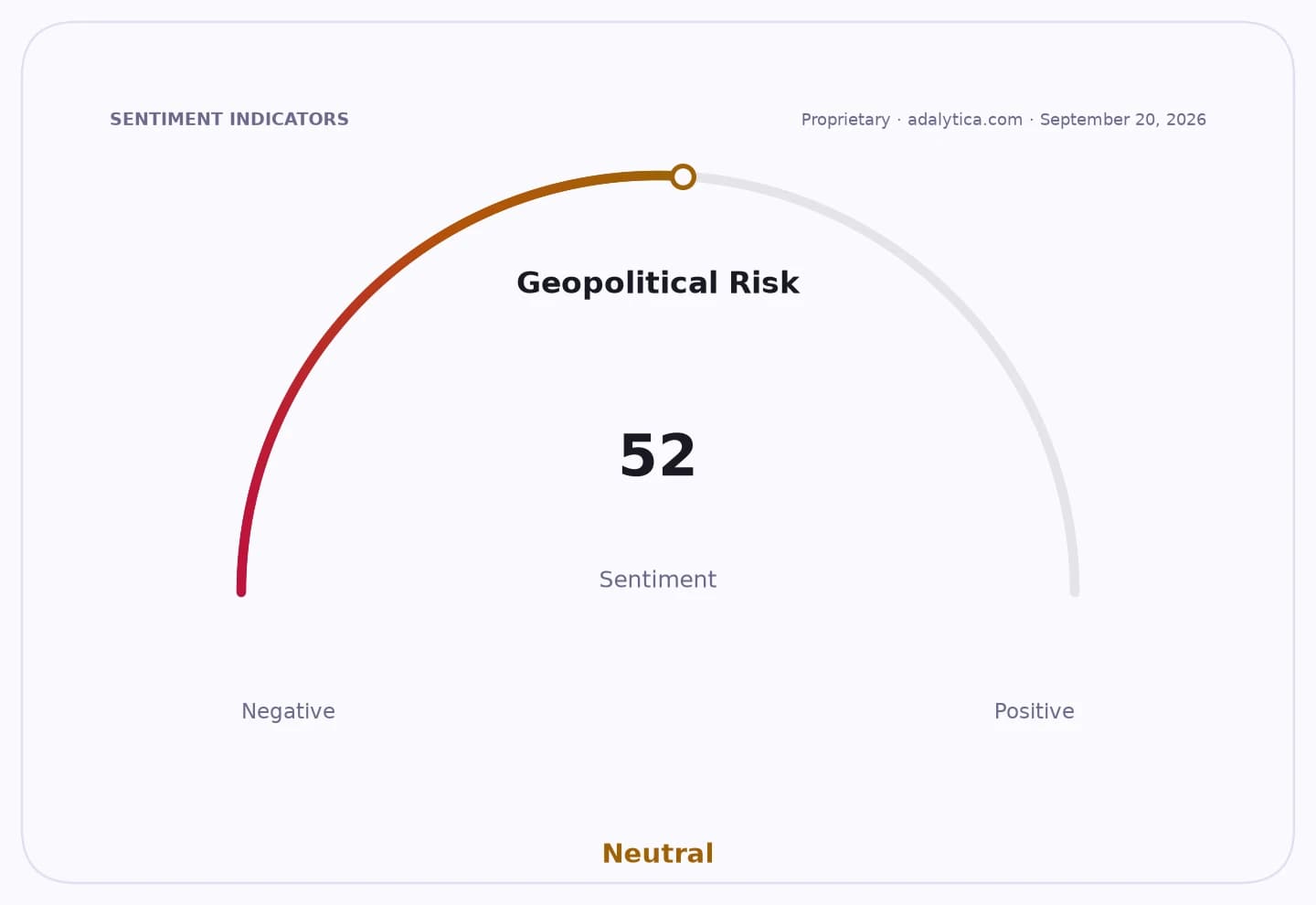
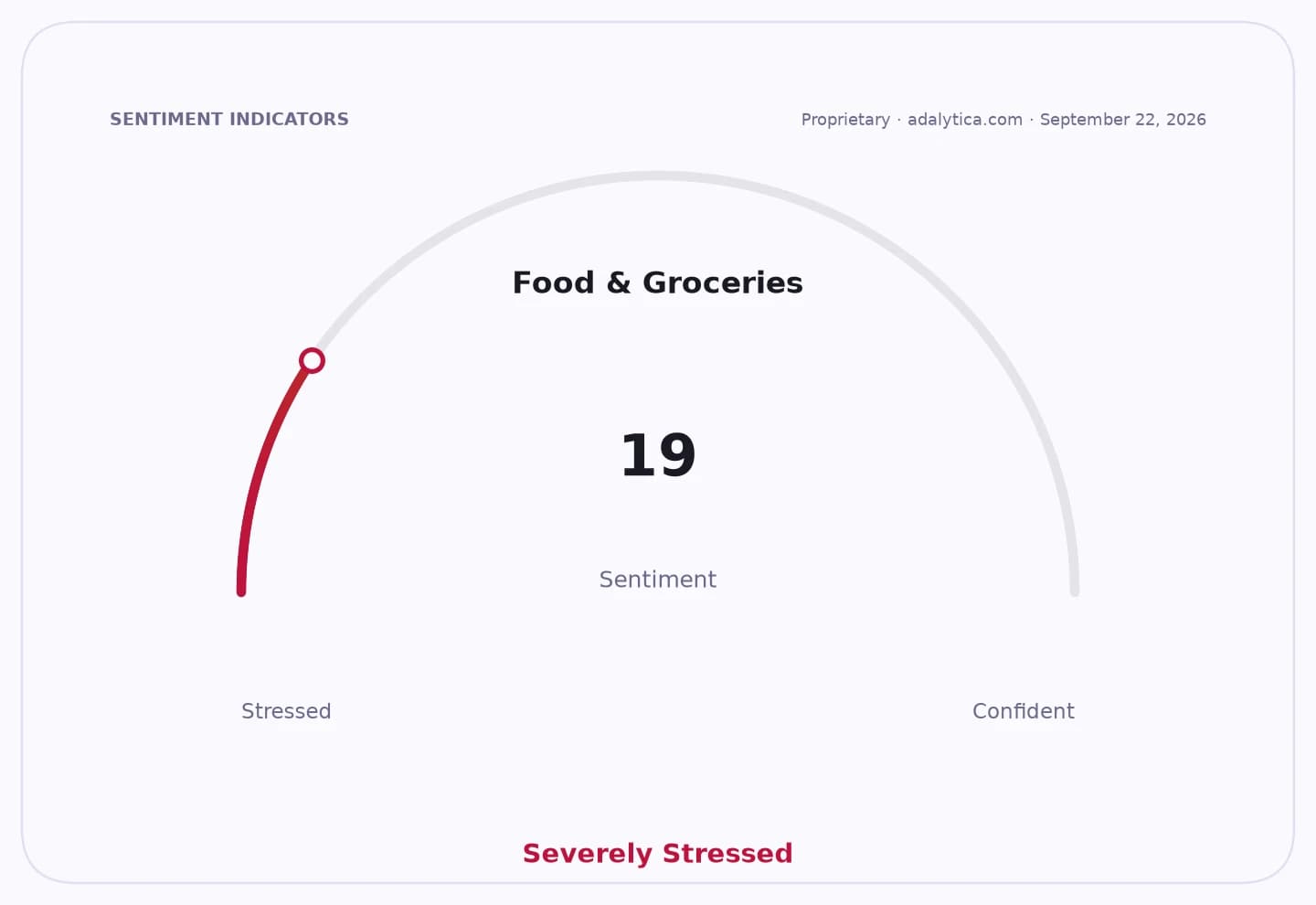
Sentiment IndicatorsⓘProprietary · adalytica.com · September 25, 2026
This is a snapshot — live sentiment, awareness and momentum for 130+ markets update continuously in the dashboard.Open AlphaPulse
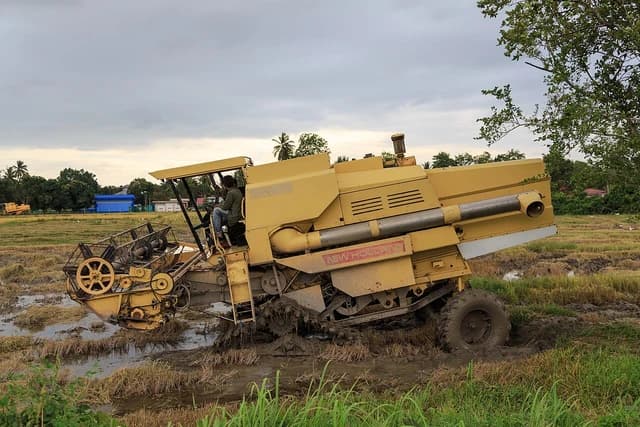
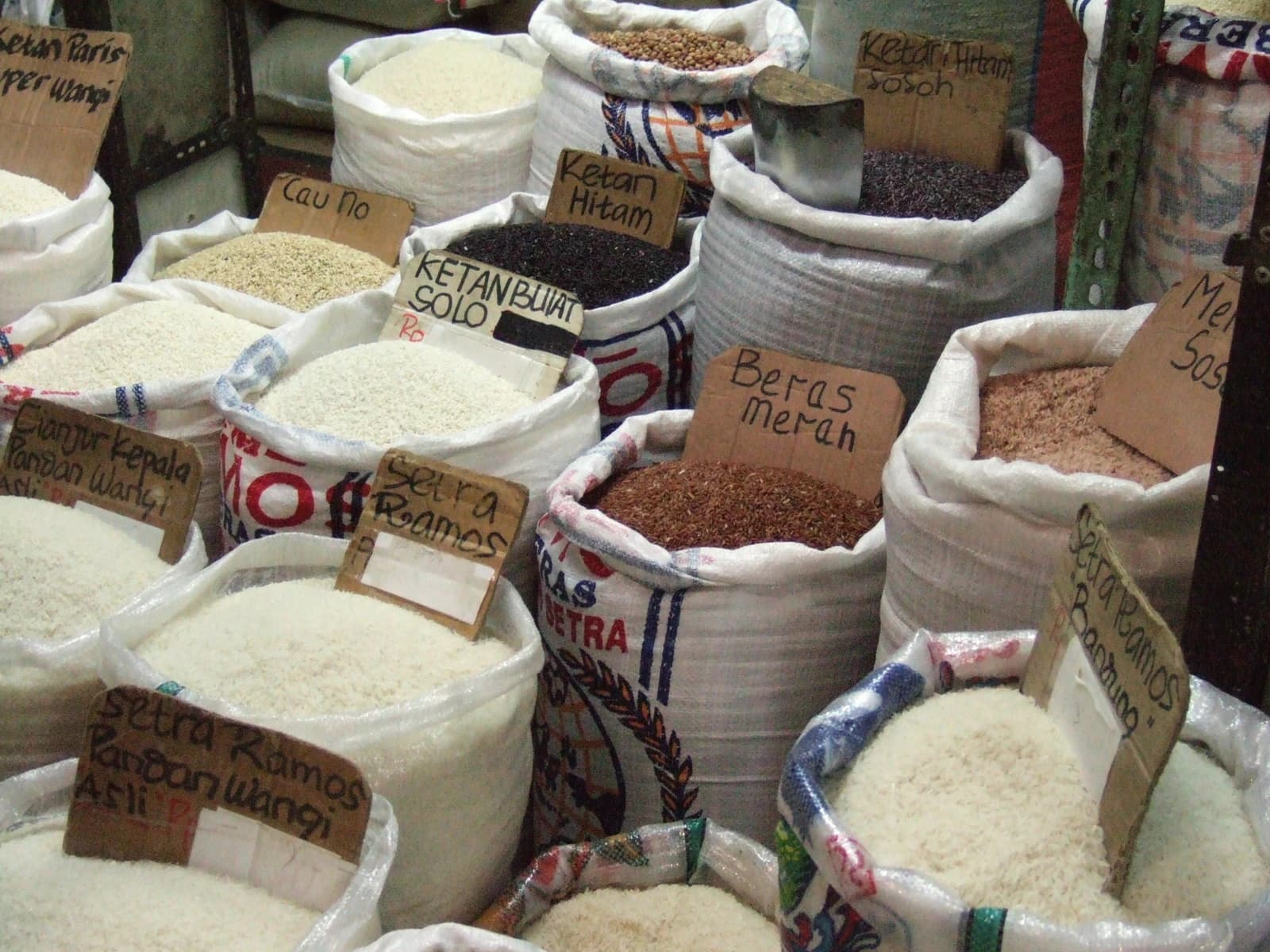
For consumers and food sellers, the key issue is not just the weather shock but the way it hits both output and costs at the same time. When a staple crop becomes more expensive to produce and yields are threatened, producers typically try to pass those costs on, which can lift retail rice prices and keep food inflation sticky.
The pressure is also showing up in broader agricultural markets. U.S. wheat ETF prices, often watched as a proxy for grain sentiment, have been volatile in recent sessions, while global crop and food prices remain sensitive to weather, harvest forecasts and export availability. India and parts of Asia matter because rice is a core household staple and a small supply shortfall can quickly ripple through regional markets.
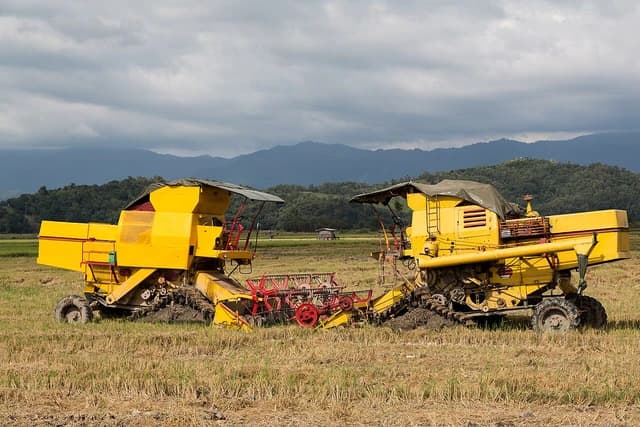
Farmers say the situation is worsening because of labor inflation and repeated spray applications needed to contain pests and disease. Some growers warn that output may fall even as costs rise, a combination that narrows margins for producers and raises the chance of higher market prices if the crop is short.
The outlook now hinges on weather patterns and the extent of crop damage over the next few weeks. If rains remain erratic or pest outbreaks spread, rice prices could firm further; if conditions improve, the market may stabilize, but the cost squeeze on farmers is likely to persist.
| Entity | Gains | Losses |
|---|---|---|
| Rice farmers with surviving crops | ▲Higher selling prices | ▼Higher input and labor costs |
| Consumers and food buyers | ▲Stable prices if weather improves | ▼Potential rice price increase |
| Traders and millers with inventory | ▲Margin opportunities on tight supply | ▼Volatility and supply uncertainty |
| Fertilizer and pesticide suppliers | ▲Higher demand for sprays | ▼Farmers facing squeezed profitability |