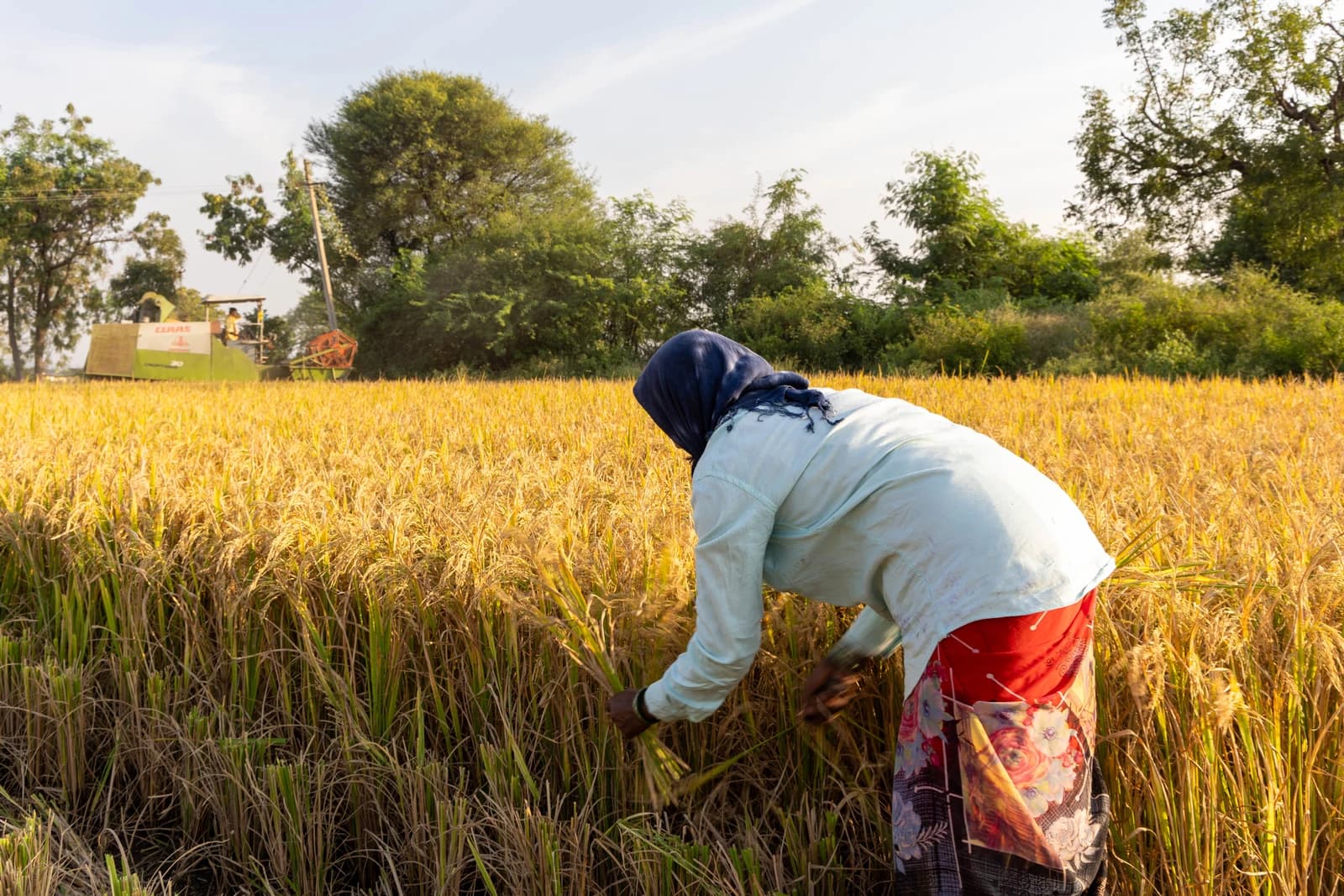
Kanpur’s grain market is seeing a broad rally as wheat and maize prices climb on tight local supplies and export-led demand, with maize up as much as 300 rupees a quintal in a month and wheat strengthening to 2,700 rupees from 2,550-2,600.
Kanpur Grain Prices Rise on Tight Supply
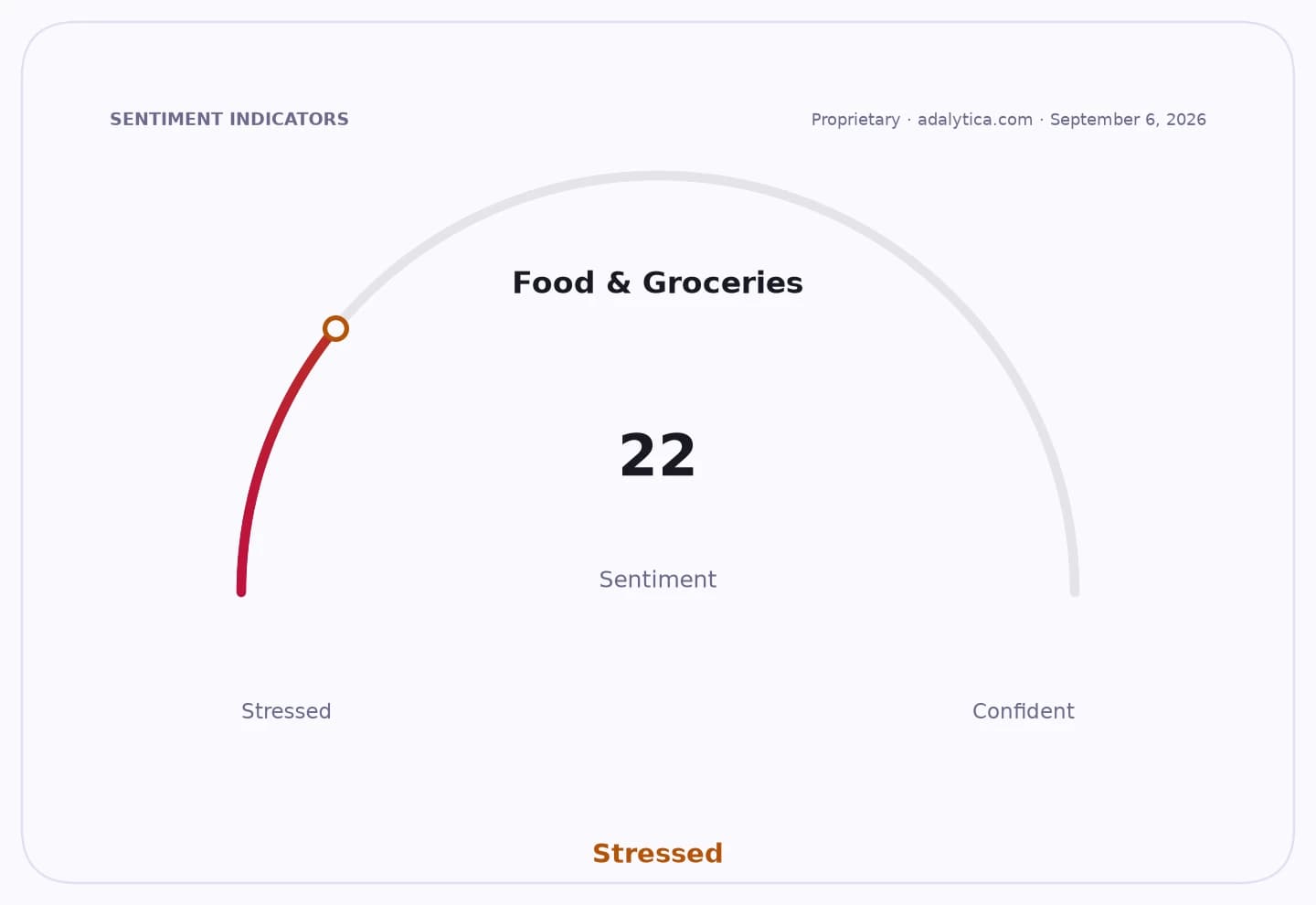
The move matters because it points to a classic supply squeeze in one of north India’s key wholesale grain hubs: farmers have largely sold their wheat, arrivals are thin, and exporters are still shipping cargoes to buyers in Bangladesh, Saudi Arabia and other Gulf markets. With new wheat supply months away, the market is leaning on trader inventories, which leaves prices vulnerable to further gains if overseas demand persists.
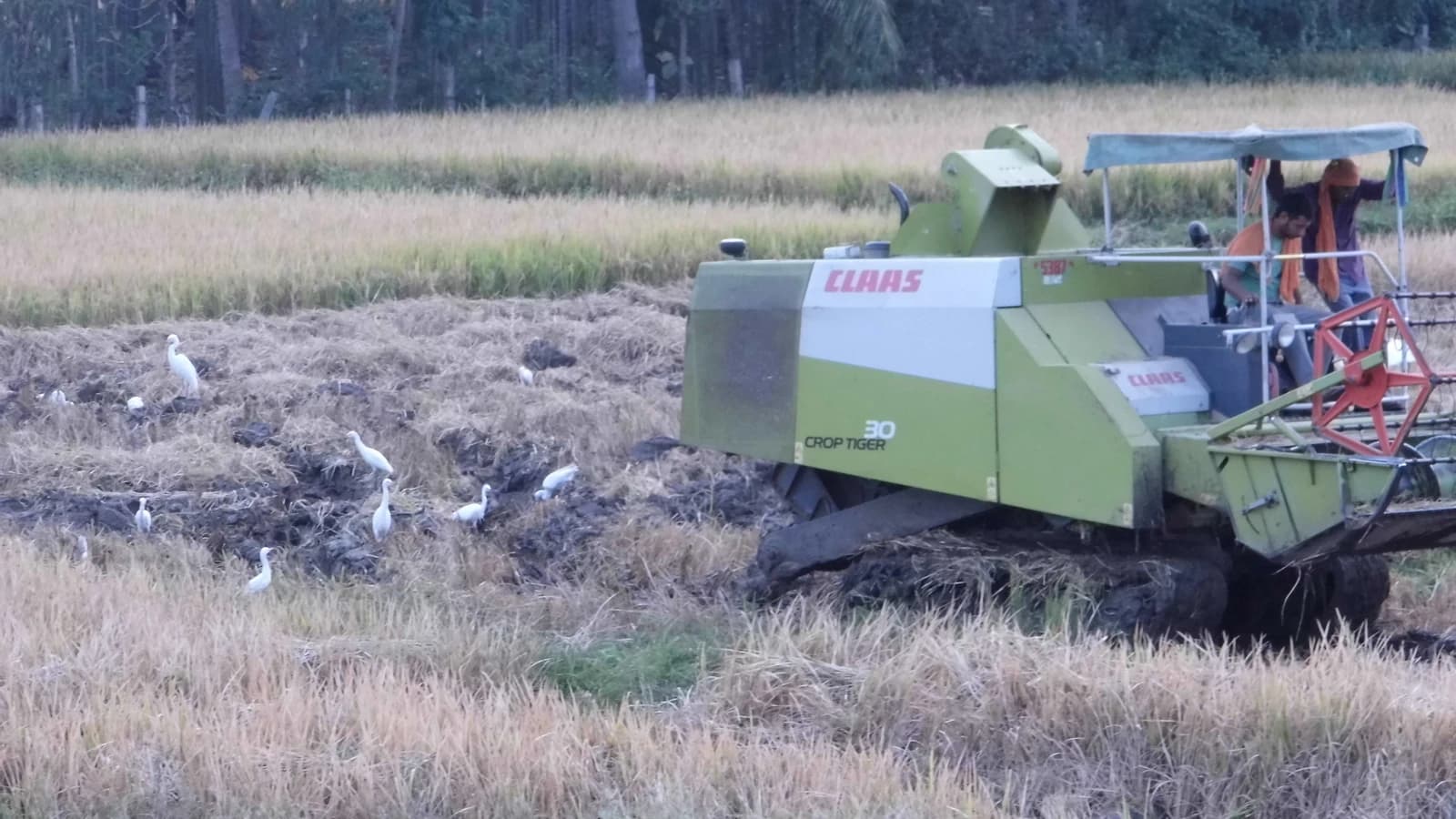
Maize is showing a similar pattern, but for different reasons. Supplies have fallen after weaker production and smaller acreage, while demand from poultry feed, livestock feed and coarse grain buyers has held up. That has pushed the spot price to about 2,600 rupees a quintal, from below 2,300 rupees a month ago, according to traders in Nawabasta’s wholesale market. A new maize crop is expected in roughly six weeks, which could ease the pressure, but only if arrivals improve materially.
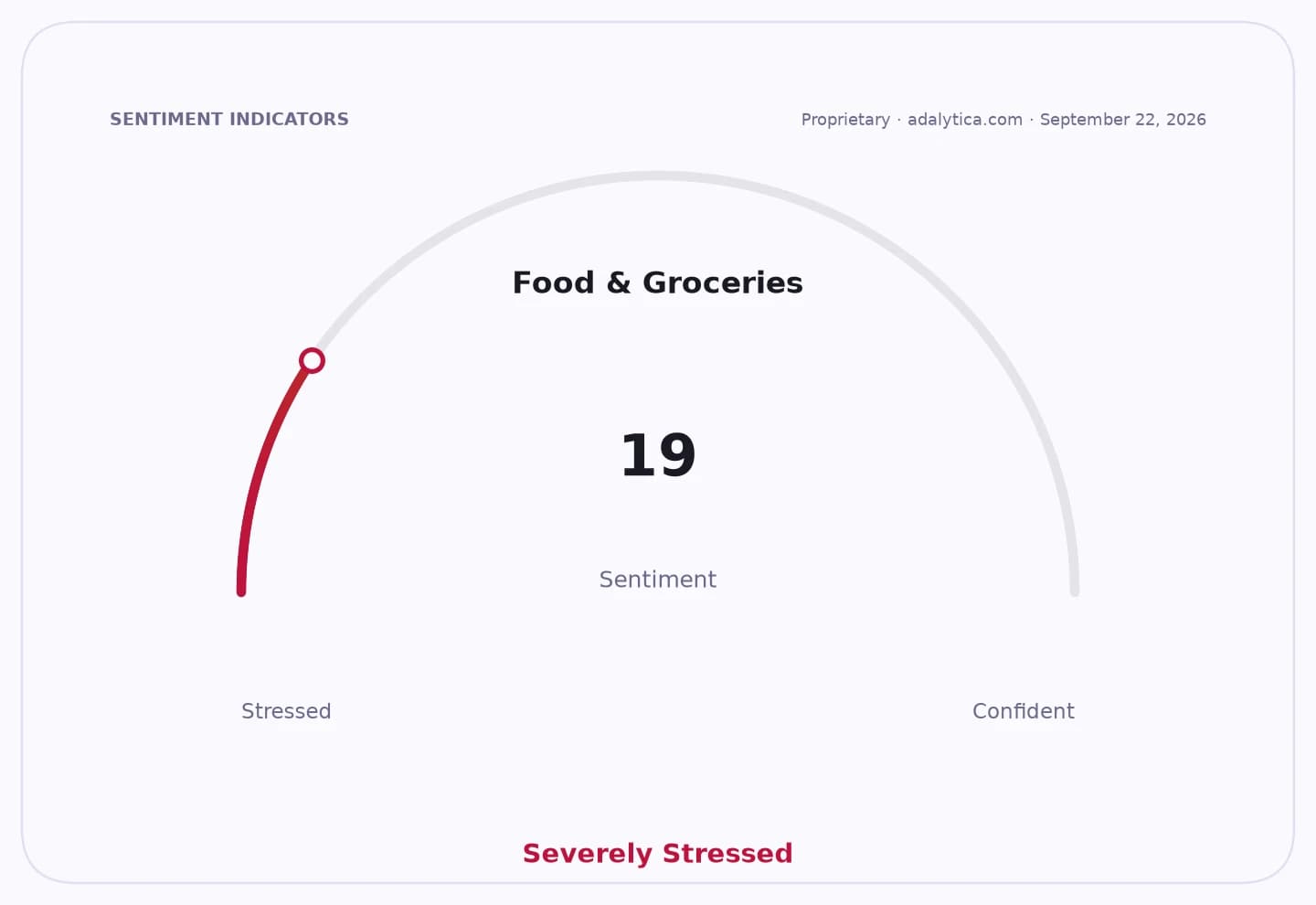
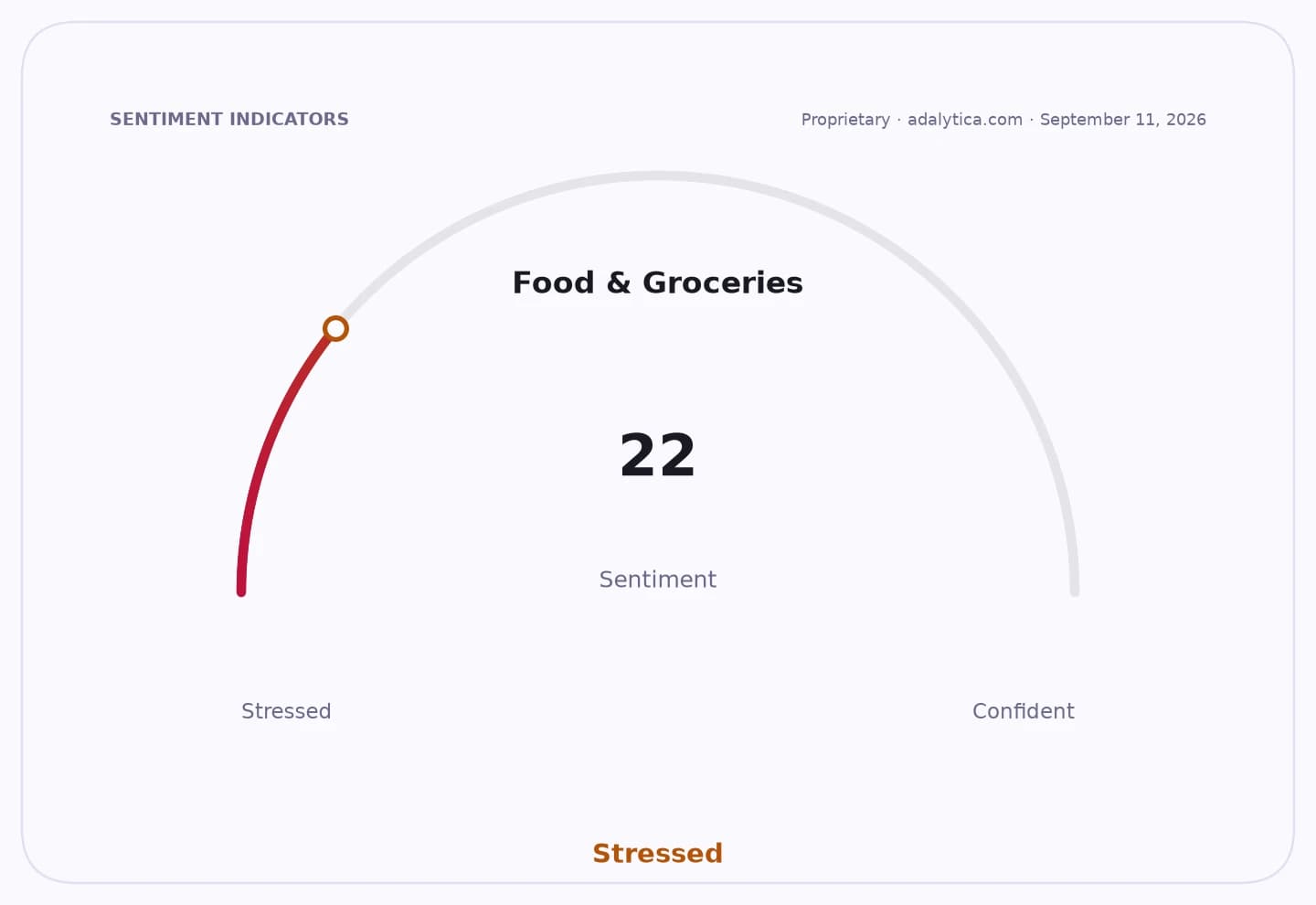
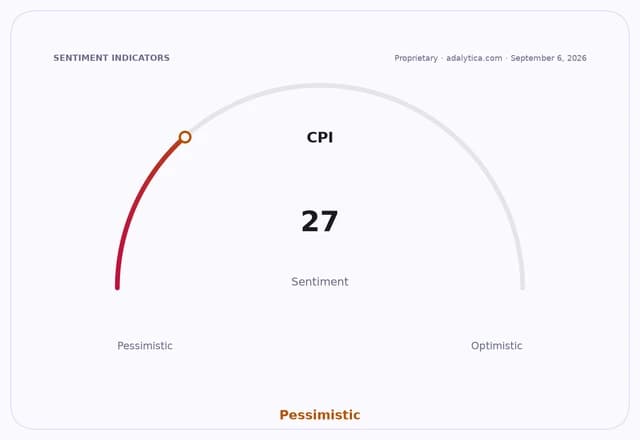
For investors and agribusiness watchers, the story is less about a single local price move than about the direction of food inflation and the durability of grain demand. Rising wheat and maize prices can feed into flour, feed and poultry costs, squeeze margins for processors, and keep pressure on household food budgets. They also reinforce the idea that India’s domestic grain markets remain highly sensitive to regional crop output, export flows and the timing of fresh arrivals.
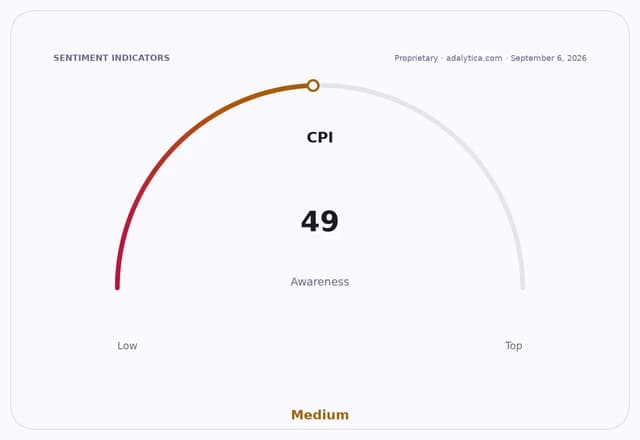
The latest readings from conventional technical indicators in grain-linked US futures also show firm underlying momentum, with wheat and corn holding above their 50-day and 200-day moving averages and elevated RSI readings, suggesting the broader market backdrop remains supportive even as traders watch for any pullback when new harvest supply arrives.
The bull case is that export demand and limited stockpiles keep Kanpur prices elevated into the next harvest window. The bear case is that the next round of arrivals from nearby districts normalizes supply and caps the rally, especially in maize, where the seasonal crop cycle is shorter. For now, traders are betting that wheat stays firm longer than corn.
| Entity | Gains | Losses |
|---|---|---|
| Wheat exporters | ▲Higher realizations | ▼Domestic buyers |
| Maize farmers | ▲Better spot prices | ▼Feed users |
| Poultry and livestock feed makers | ▲None | ▼Higher input costs |
| Consumers | ▲None | ▼Higher food prices |