Rising food prices are becoming a political problem for Narendra Modi’s government, and that matters because inflation at the kitchen table is the kind voters feel first and remember longest.
India food prices rise as Congress attacks Modi

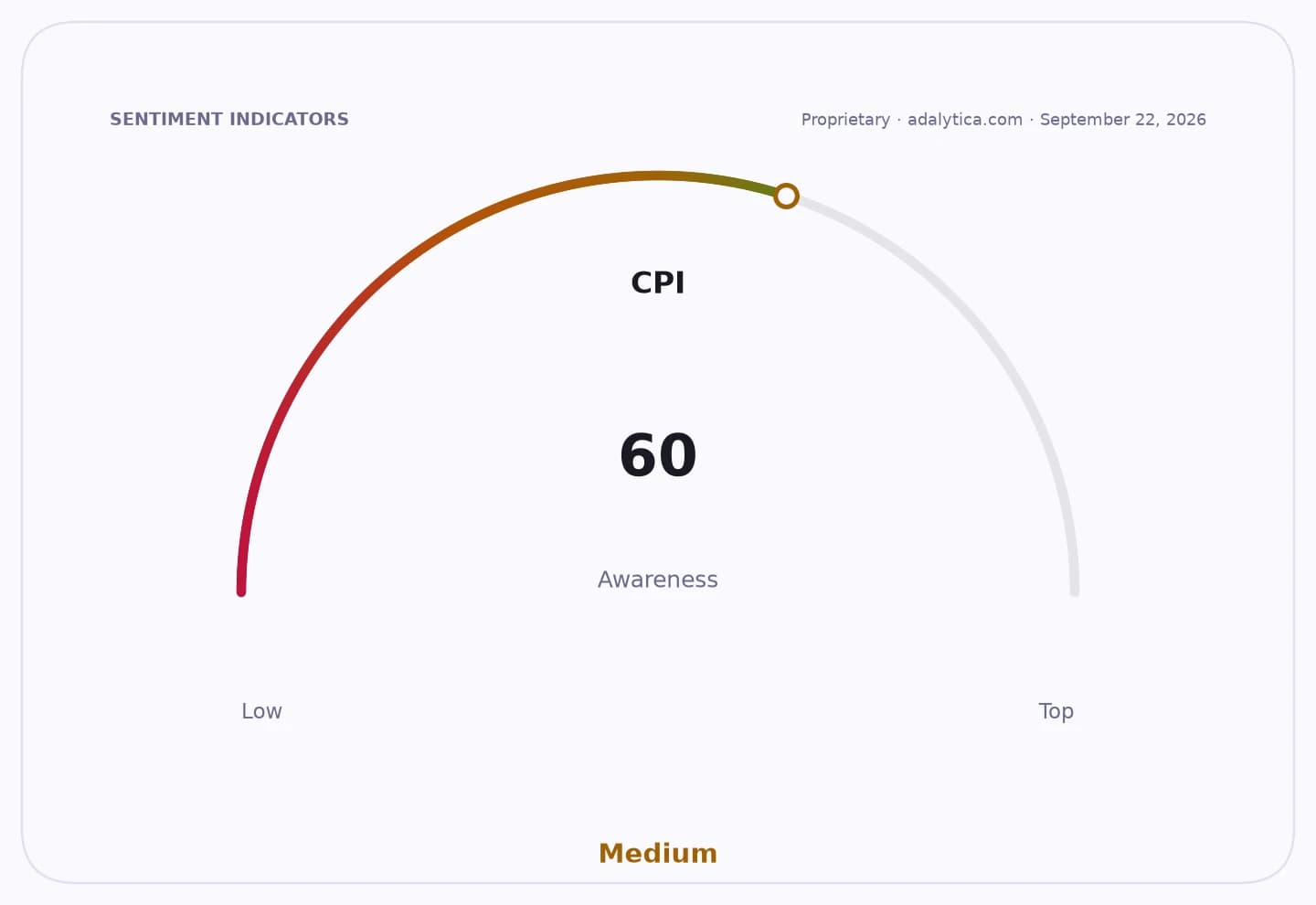
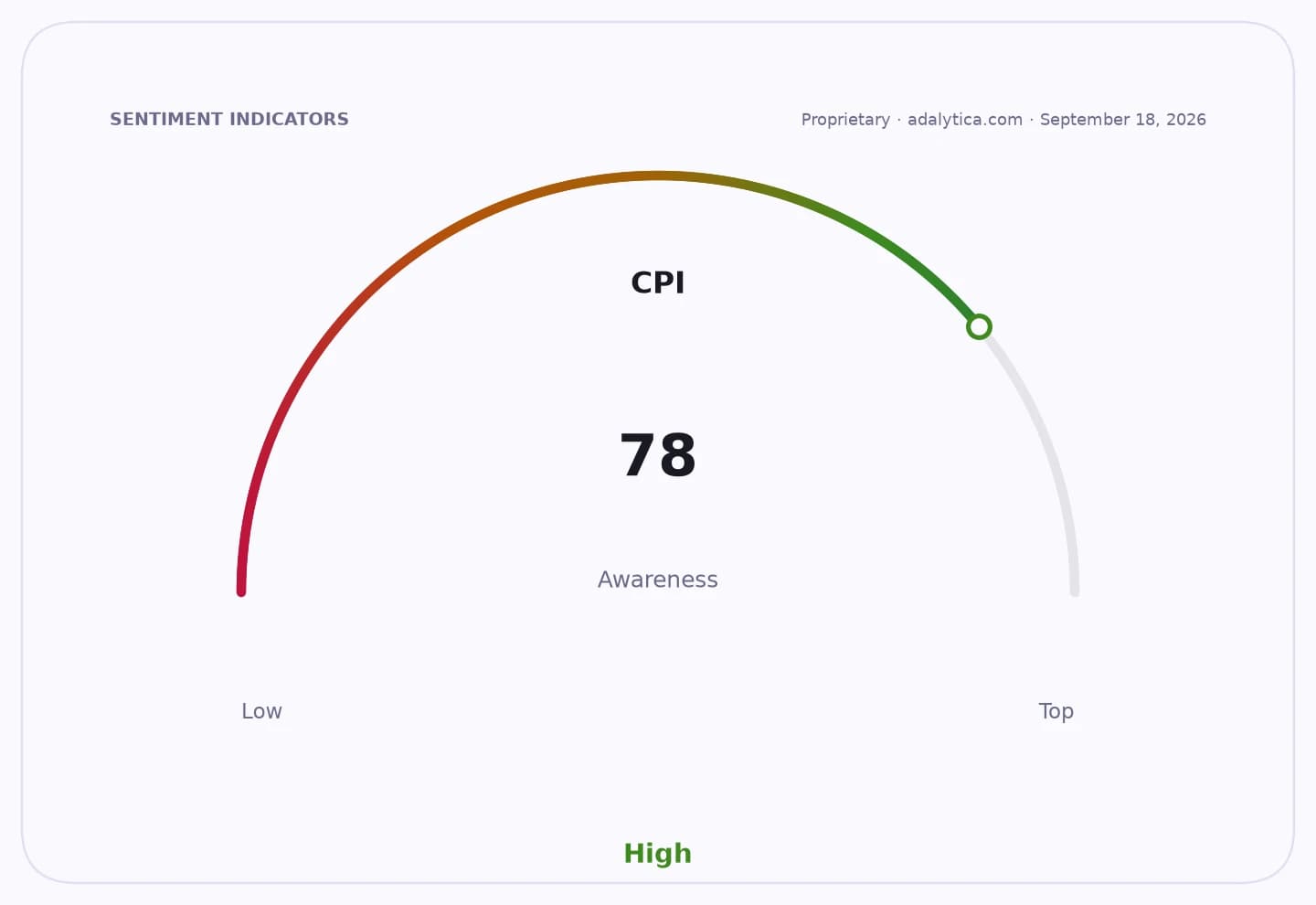
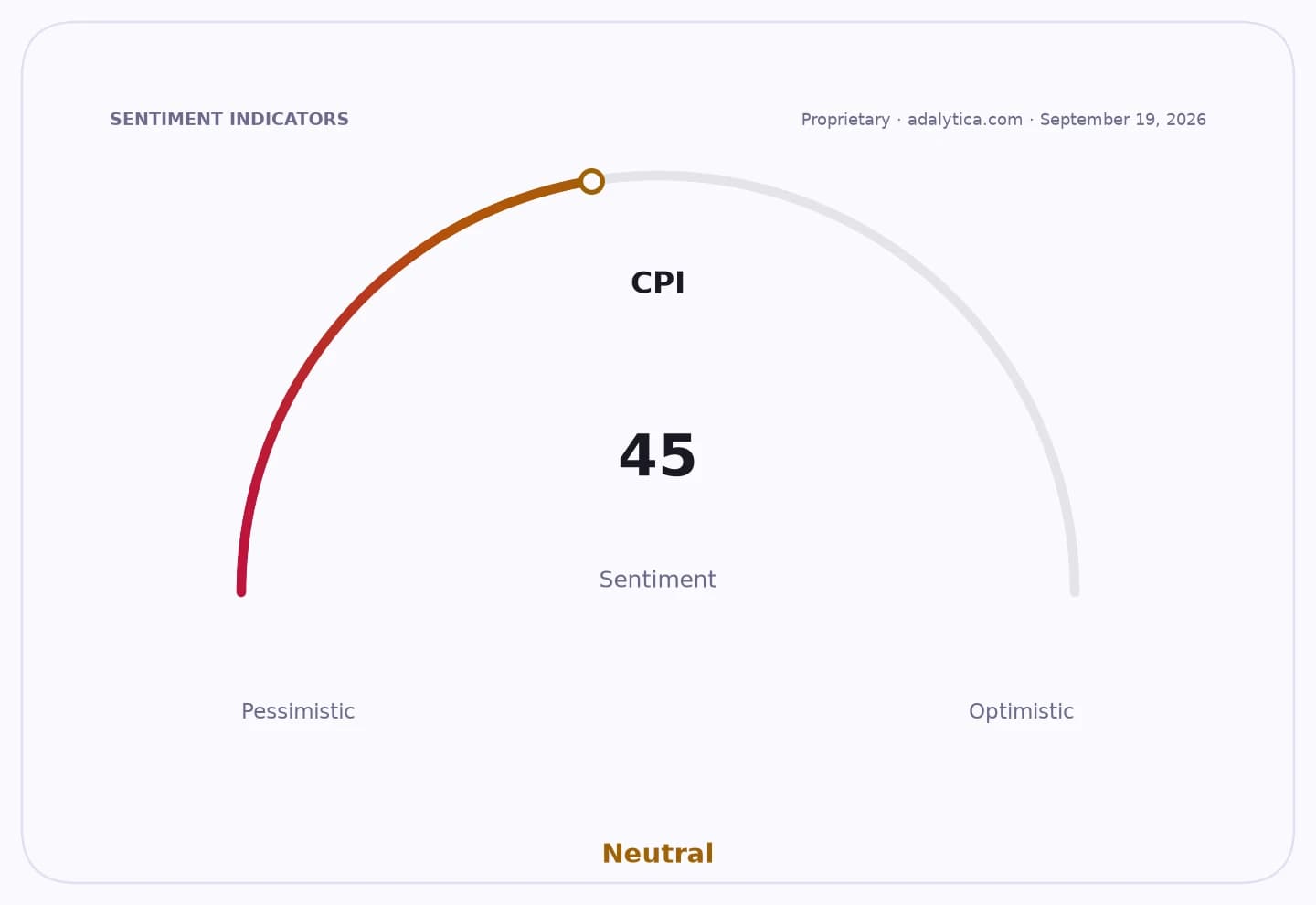
Congress used Parliament and social media on Monday to attack the prime minister’s silence on inflation, saying sharp increases in spices, pulses and cooking oil were squeezing household budgets. The opposition’s charge lands at a sensitive moment for the economy: India’s headline consumer price index was forecast at 333.8642 for September, little changed from August, but food costs have been far more volatile and remain the biggest risk for lower-income families.
Sentiment IndicatorsⓘProprietary · adalytica.com · September 24, 2026
This is a snapshot — live sentiment, awareness and momentum for 130+ markets update continuously in the dashboard.Open AlphaPulse
The prices cited by Congress show why the issue has bite. In just the past month, it said spice prices climbed 10% to 25%, with green cardamom rising to 4,400 rupees a kilogram from 4,000 and black cardamom to 2,800 rupees from 2,400. Arhar dal rose to 130 rupees a kilogram from 100, chana dal to 100 rupees from 70 and urad to 140 rupees from 120. Mustard oil reached 210 rupees a litre from 190, while another cooking oil brand climbed to 280 rupees from 240.
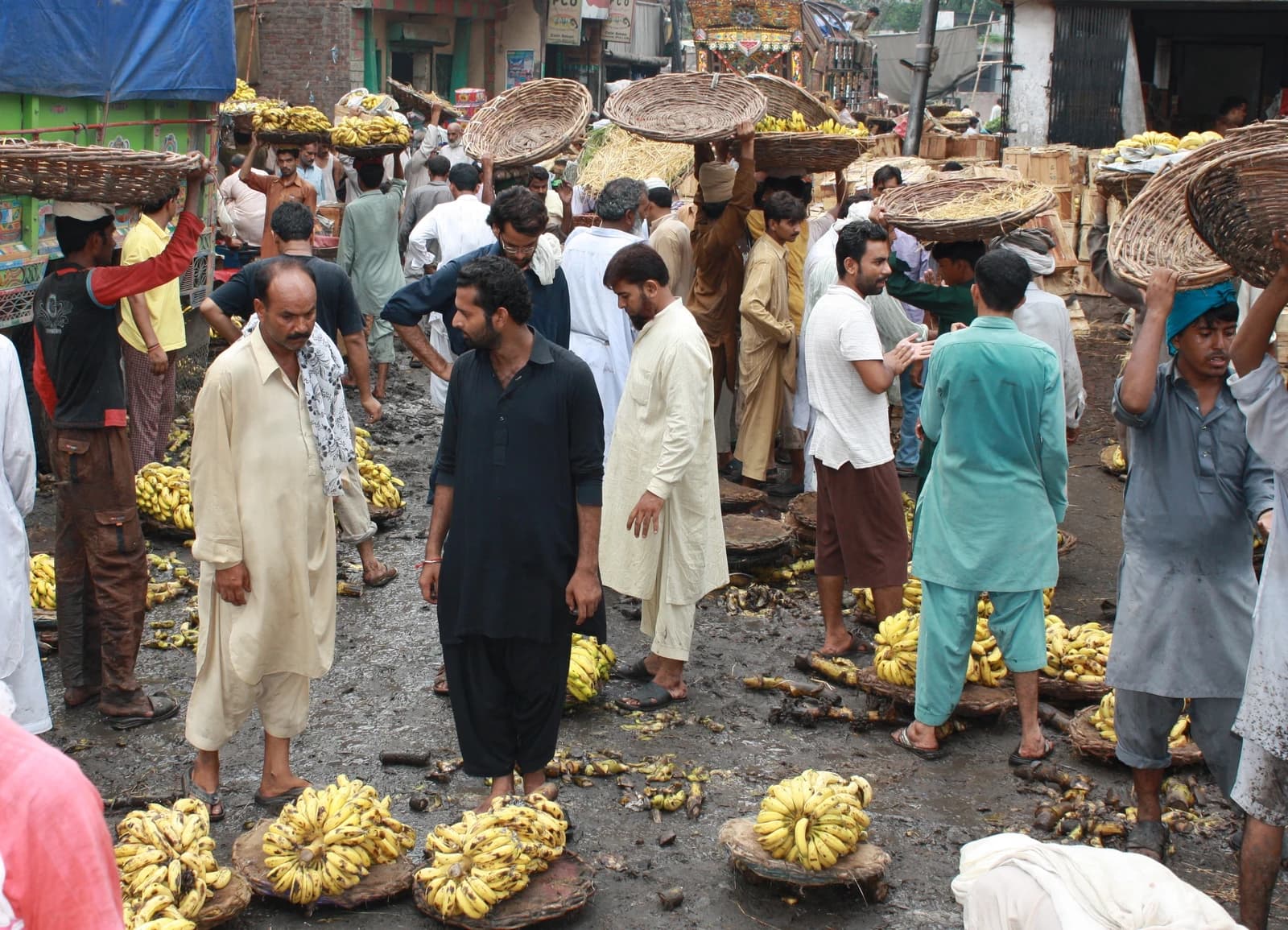
Even more striking was the jump in onions, a staple that often becomes shorthand for India’s inflation mood. The all-India average retail price, according to Congress, rose to 53.78 rupees a kilogram from 29.50 rupees in June, an increase of 82.3% in about three and a half months. That is not just an annoyance for shoppers. It can feed expectations that prices will keep rising, which makes it harder for policymakers to convince households that inflation is under control.
For investors, the key point is that food inflation can still complicate India’s macro story even when the broader economy looks resilient. The government has leaned on GDP growth to deflect criticism, but persistently higher food costs can constrain consumer spending, pressure rural demand and keep the Reserve Bank of India cautious on rate cuts. The latest readings from Adalytica’s inflation-related sentiment gauges show extreme fear around the Fed’s 2% target, 5-year breakevens and long-term inflation expectations — a reminder that inflation anxiety remains a market-wide theme, even if India’s situation is more local and political than global.
The immediate market impact is likely to be felt most in consumer staples, packaged foods, edible oils and agricultural supply chains, where pricing power can help some companies while pinching volume growth for others. If vegetable and pulse prices stay elevated, households may trade down, delaying purchases and favoring lower-cost brands. That can support discount retailers and low-ticket food makers while weighing on premium names.
The larger narrative is simple: inflation is back in the political spotlight because food still drives the public mood in India. Congress is trying to turn that pain into a criticism of Modi’s economic stewardship, and the government will need either better supply-side management or a clear communication strategy to avoid letting a kitchen-table problem become a broader confidence problem.
For long-term investors, this is worth watching rather than overreacting to. India’s growth story is still intact, but inflation shocks can create volatility, and that volatility often creates better entry points in quality businesses with pricing power, strong balance sheets and durable demand. The winners will be companies that can pass through higher input costs without losing customers; the losers will be the ones exposed to households’ tighter budgets.
| Entity | Gains | Losses |
|---|---|---|
| Consumers | ▲Relief if food prices cool | ▼Higher grocery bills |
| Congress | ▲Political leverage | ▼Little if prices normalize |
| Modi government | ▲Credibility if inflation eases | ▼Popularity if prices stay high |
| Staples and food sellers with pricing power | ▲Wider margins | ▼Volume pressure from trade-downs |