Pakistan food inflation viral vegetable prices
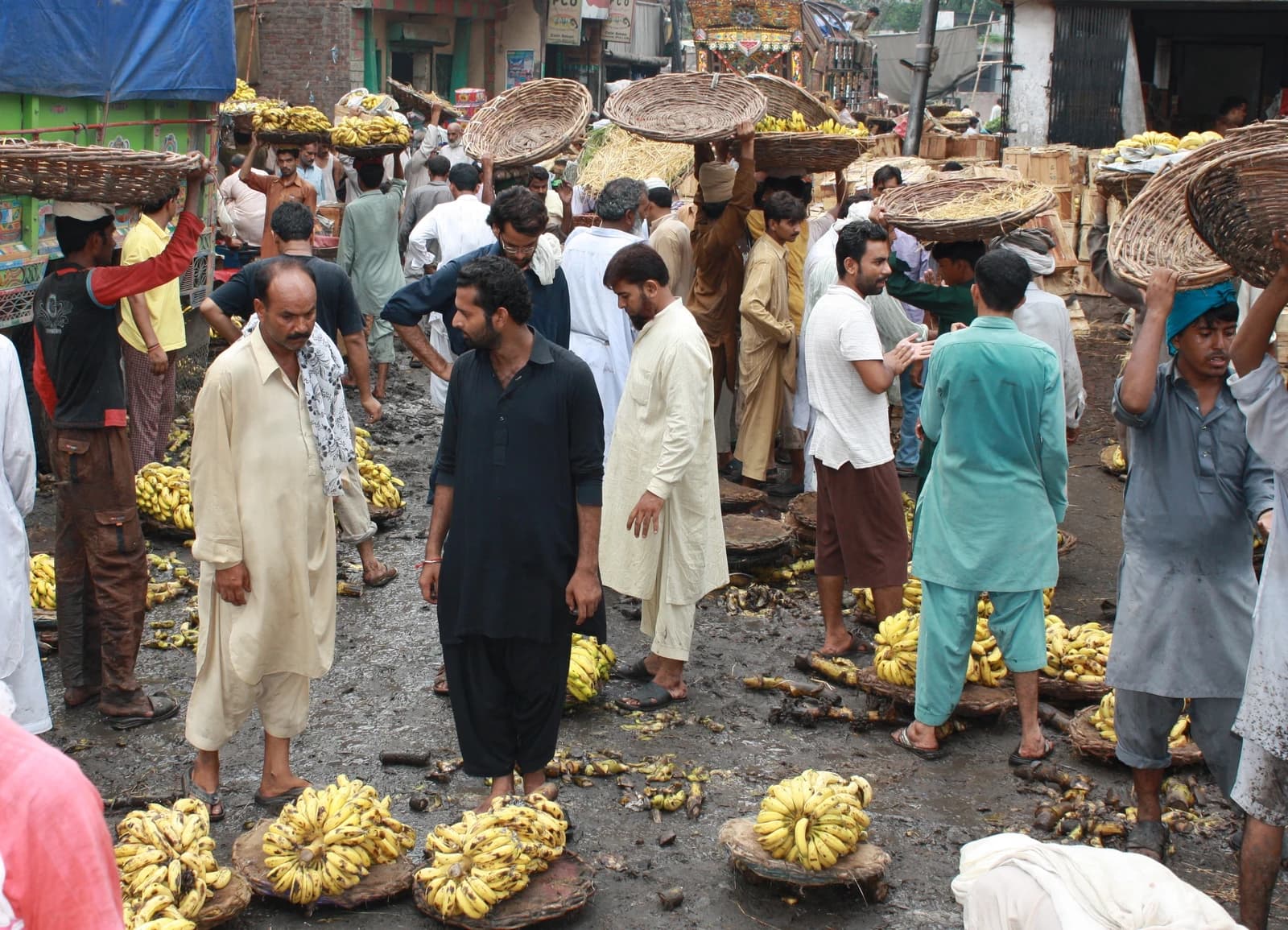
A viral video from Pakistan’s Bahawalpur mandi is drawing attention to food inflation after traders quoted prices of as much as 2,000 rupees for peas, underscoring how expensive basic vegetables have become for households already under pressure from broader price rises.
The clip, which has spread on social media, shows a shopper asking vendors for rates on common vegetables including eggplant, pumpkin, carrots, lemons and bitter gourd. In the video, eggplant is said to cost 350 rupees, pumpkin and carrots 600 rupees each, lemons 150 rupees and peas 2,000 rupees, the highest figure mentioned.
For investors and policymakers, the significance is less about the video itself than what it reflects: Pakistan’s food inflation problem is still biting even as authorities try to stabilize supplies. Rising vegetable prices hit consumers fast, feed into headline inflation and increase pressure on government efforts to contain living costs.
The viral reaction also shows how quickly food-price angst can become a political and social issue. Social media users questioned whether Pakistanis could afford such prices and joked about what that would imply for other commodities, but others noted the figures may not be per kilogram.
That detail matters. Some commenters said the quoted rates could be for a local weight unit called a “dhadi,” which is often treated as roughly 5 kilograms in parts of Pakistan. If so, the clip may be overstating the per-kilo cost. Even so, the discussion points to a market where price confusion itself becomes a sign of stress.
Food inflation has been a persistent concern in Pakistan, where authorities have been trying to shore up supplies and curb volatility in staple prices. Continued pressure on vegetables would weigh on real incomes, especially for lower- and middle-income households that spend a larger share of budgets on food.
For markets, the risk is that sticky food prices keep headline inflation elevated and complicate any broader economic stabilization effort. The next focus will be whether local supply conditions improve enough to cool mandi prices, or whether the viral clip proves to be another snapshot of a still-strained food system.
| Entity | Gains | Losses |
|---|---|---|
| Pakistani vegetable sellers | ▲Higher nominal prices | ▼Consumer backlash |
| Pakistani households | ▲None | ▼Grocery budgets |
| Government of Pakistan | ▲Inflation narrative control if prices fall | ▼Pressure over food inflation |
| Social media audience | ▲Viral attention | ▼Price confusion and uncertainty |