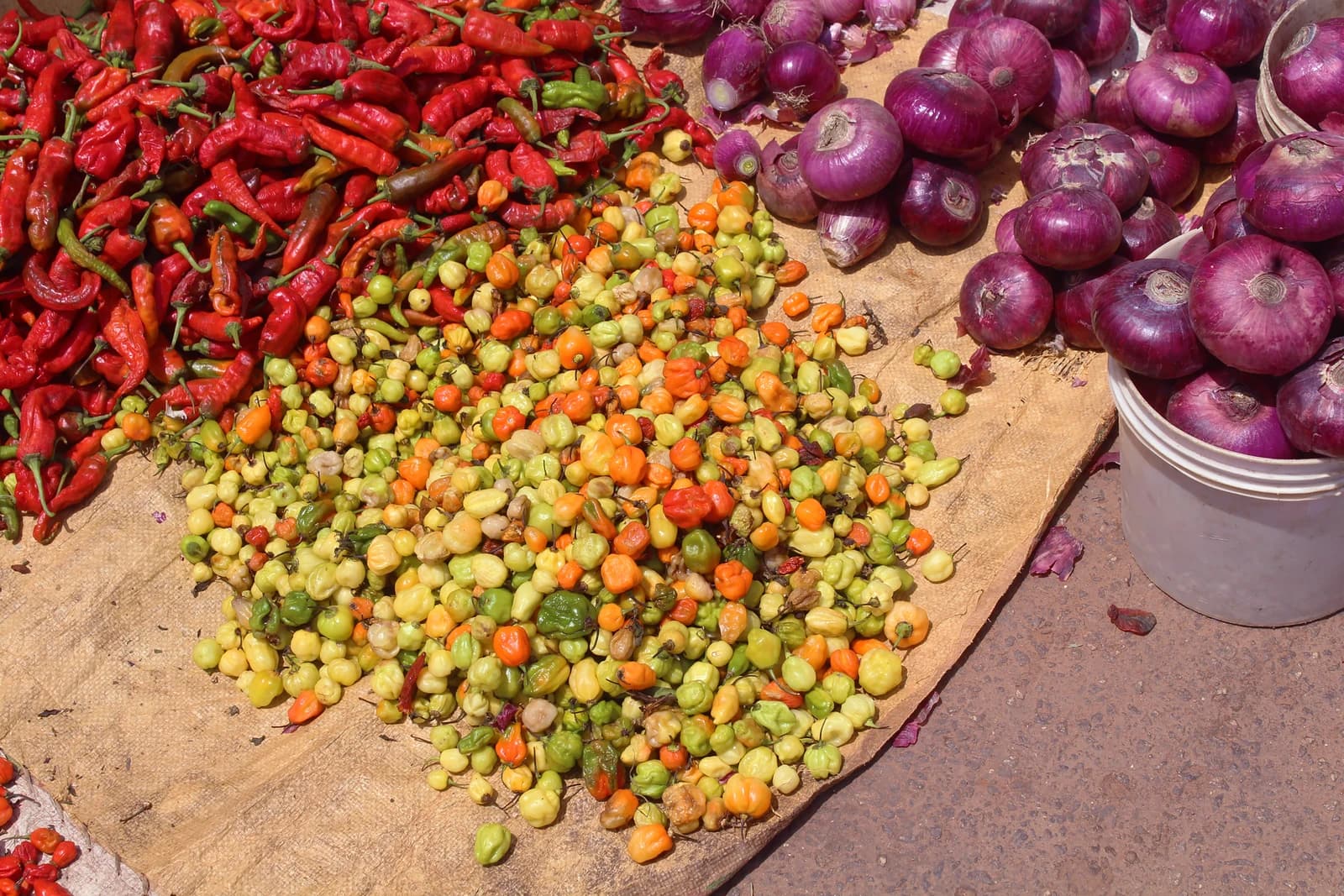
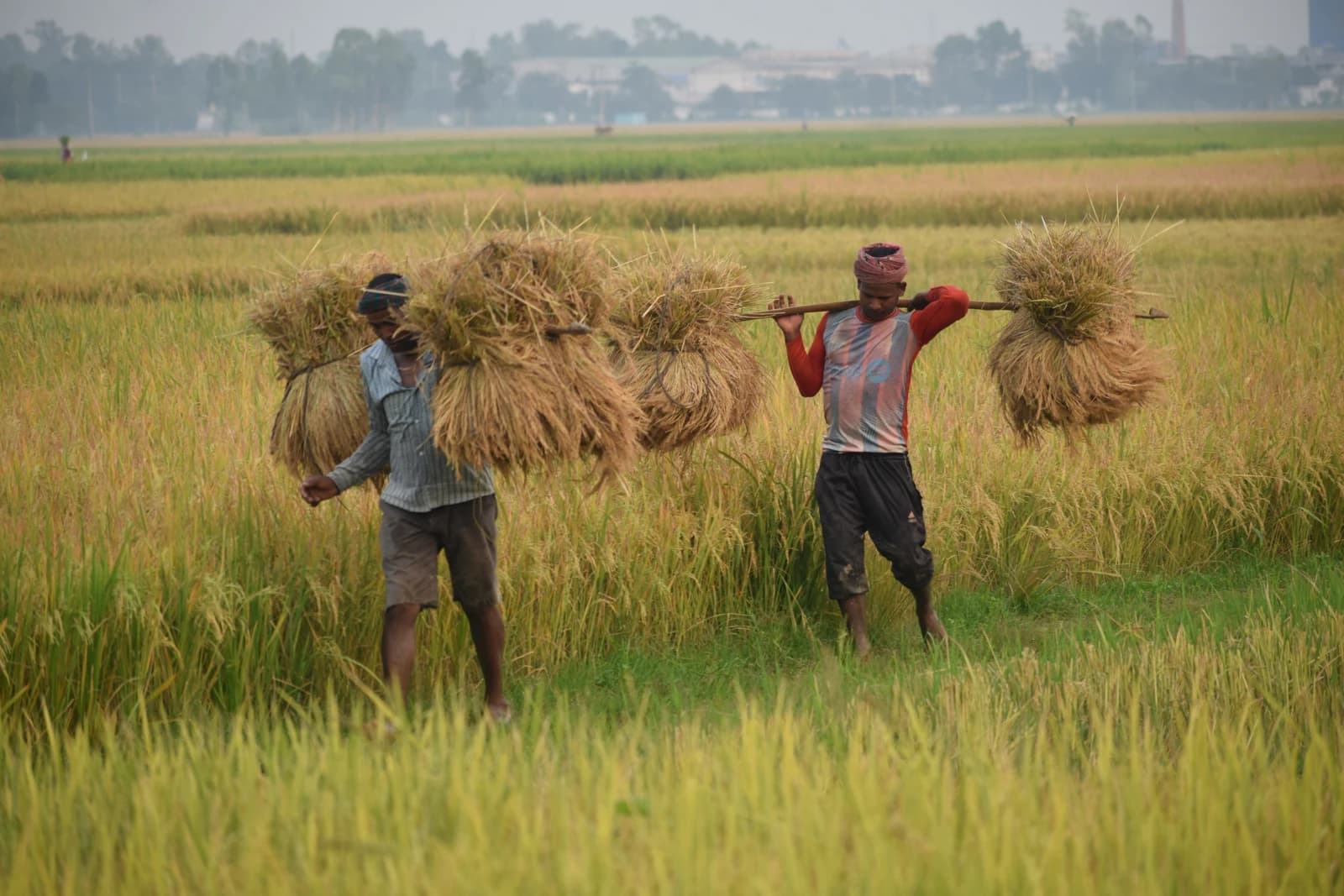
Rising prices for staple foods, led by chili and rice, are doing the most damage to Aceh’s inflation picture and underscore how quickly local food shocks can ripple through household budgets and broader price expectations.
Aceh inflation rises on rice and chili prices
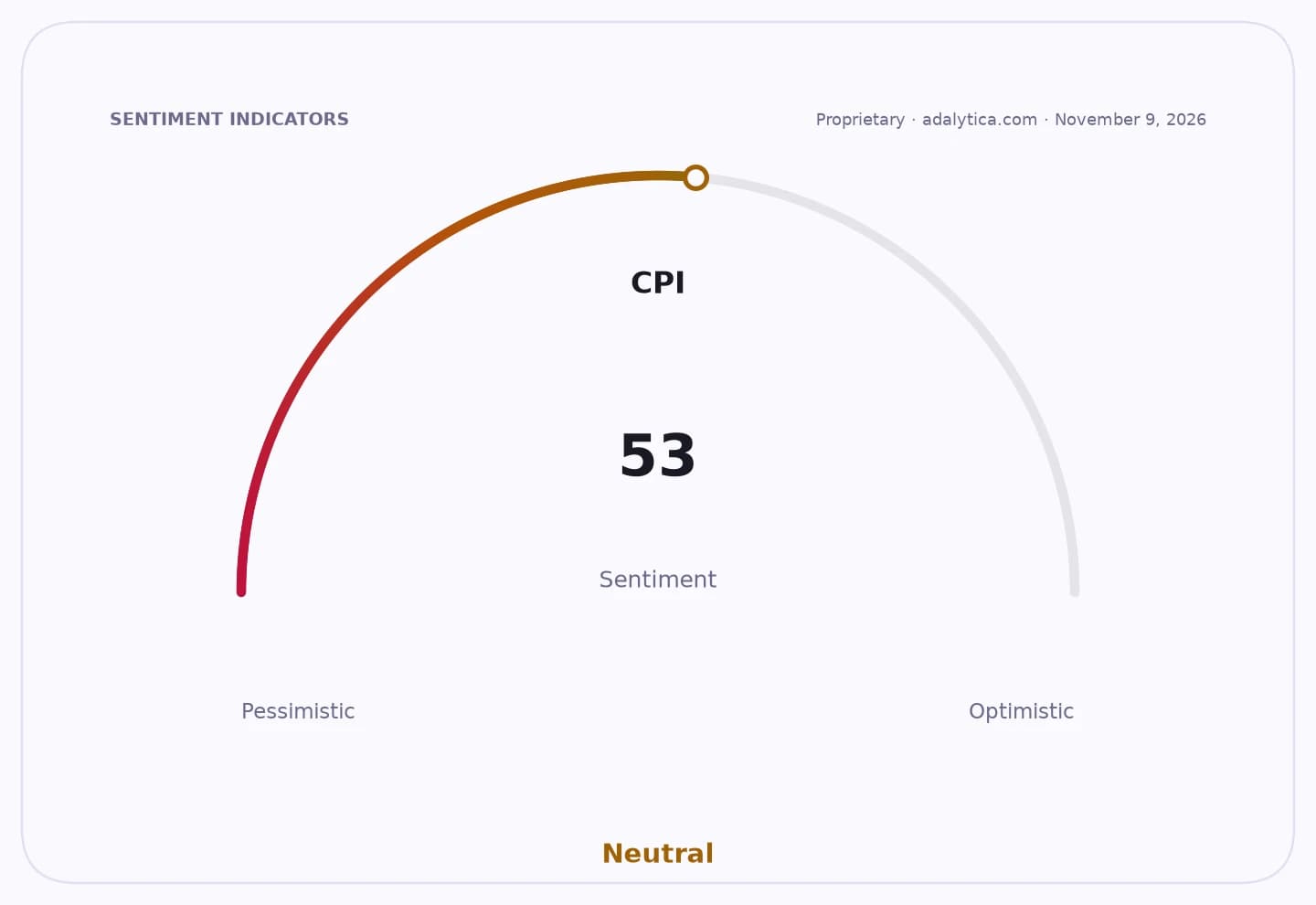
CPI
For Indonesia’s northernmost province, the issue is not a broad-based demand surge but a concentrated squeeze in daily necessities. When rice and chilies turn from cheap staples into inflation drivers, the impact is immediate: low-income households spend a larger share of income on food, leaving less room to absorb higher transport, education or housing costs. That makes food inflation economically more painful than headline CPI alone suggests.
Sentiment Indicators
The dynamic also matters beyond Aceh. Food remains one of the most politically sensitive parts of inflation in emerging markets, and the latest pattern fits a wider global backdrop in which agricultural prices have eased in some international markets but remain vulnerable to weather, supply-chain friction and policy interventions. A decline in global food prices in October has not removed the risk of localised shortages or price spikes, especially in markets dependent on inter-island logistics and seasonal supply.
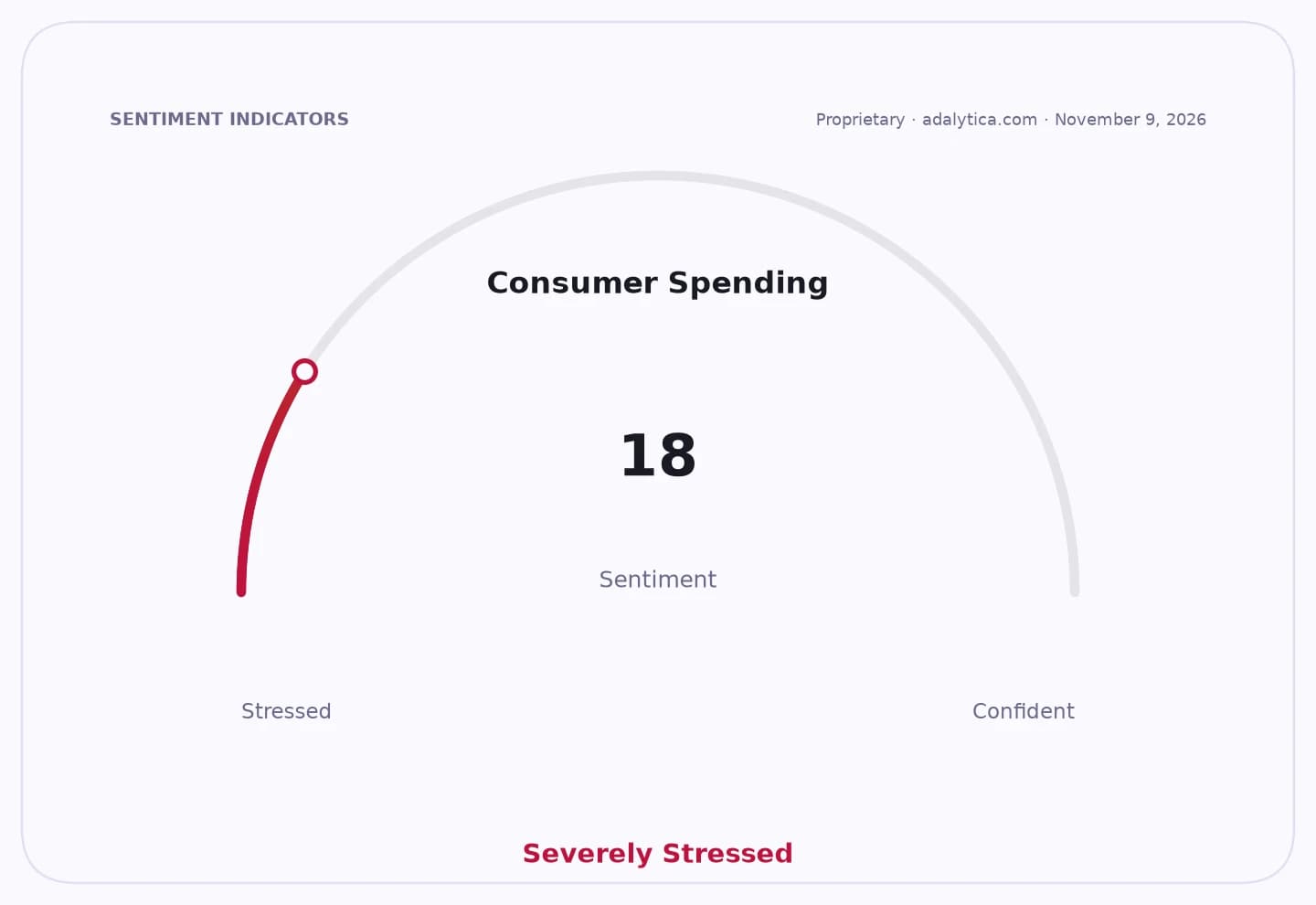
For investors, the main takeaway is that sticky food inflation can keep pressure on consumer demand and on policymakers trying to preserve price stability. In Indonesia, persistent food-cost shocks can complicate monetary policy signalling and complicate the outlook for consumer spending in food-heavy categories. It also keeps attention on companies exposed to staples, distribution and packaged foods, where input-cost swings can move margins and volume trends in opposite directions.
Technical signals in agricultural markets point to the same tension. Corn and wheat ETFs have retreated from earlier highs, with both showing heavy downside momentum in recent sessions, even as broader agricultural baskets remain above longer-term averages. That suggests a market trying to reconcile easing global grain benchmarks with still-uncomfortable local food inflation and uneven supply conditions.
The broader narrative is straightforward: Aceh’s inflation problem is being driven less by a general price spiral than by the price of what people eat every day. Until rice and chili supplies normalize, food inflation is likely to remain the dominant variable for local policymakers and a continuing headwind for consumers.
| Entity | Gains | Losses |
|---|---|---|
| Rice and chili suppliers | ▲Higher selling prices | ▼Households in Aceh |
| Food retailers and traders | ▲Higher turnover | ▼Real consumer purchasing power |
| Local policymakers | ▲More focus on supply fixes | ▼Inflation credibility |
| Staple-food importers/buyers | ▲Possible future relief from easing global prices | ▼Near-term margin pressure |