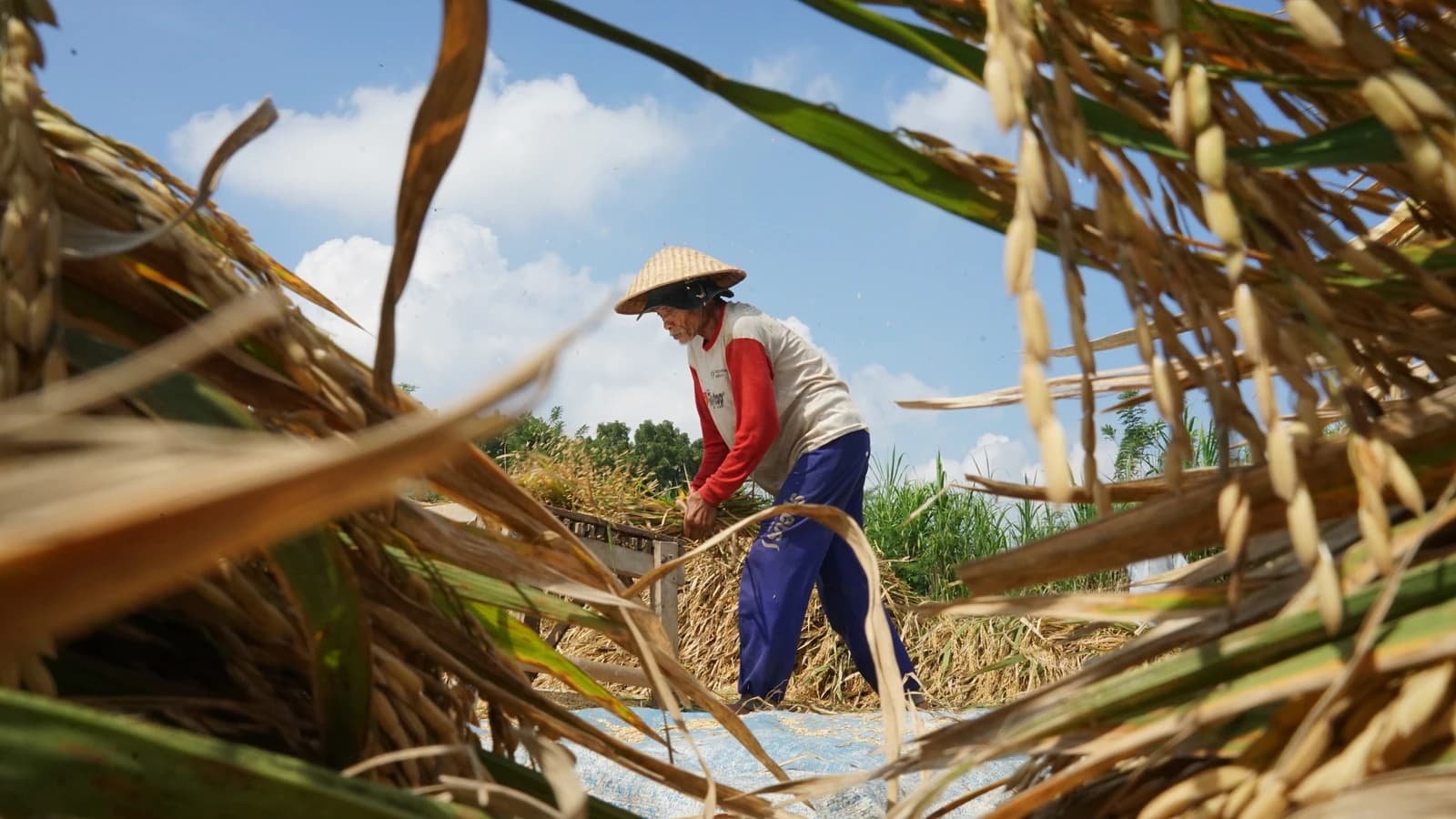
Aceh’s economy expanded 4.86% in the second quarter, but the province’s persistent inflation problem is what matters most for households, businesses and policymakers.
Aceh Economy Grows 4.86% as Inflation Stays High
That combination is important because it shows growth is recovering even as higher food prices continue to erode purchasing power. For investors and long-term savers, that mix often means the local economy is not broken — but it is still under pressure from uneven inflation, especially in essentials that hit consumer spending first.
Sentiment Indicators

Bank Indonesia’s Aceh office said second-quarter growth improved from 4.09% in the first quarter and is now close to the level seen before last year’s disaster. Trade, construction and agriculture led the expansion, with those sectors providing the clearest support to activity as the region recovers.
Yet inflation remains the bigger headache. In October, Aceh’s monthly inflation rate was 0.13%, while the annual rate reached 5.05%, leaving the province still the highest in Sumatra even if it no longer ranks first nationally. That matters because sticky inflation can blunt the benefit of stronger growth, forcing consumers to spend more just to stand still.
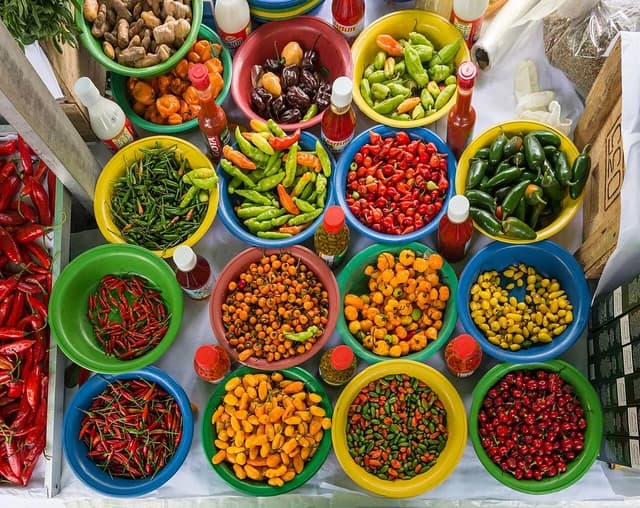
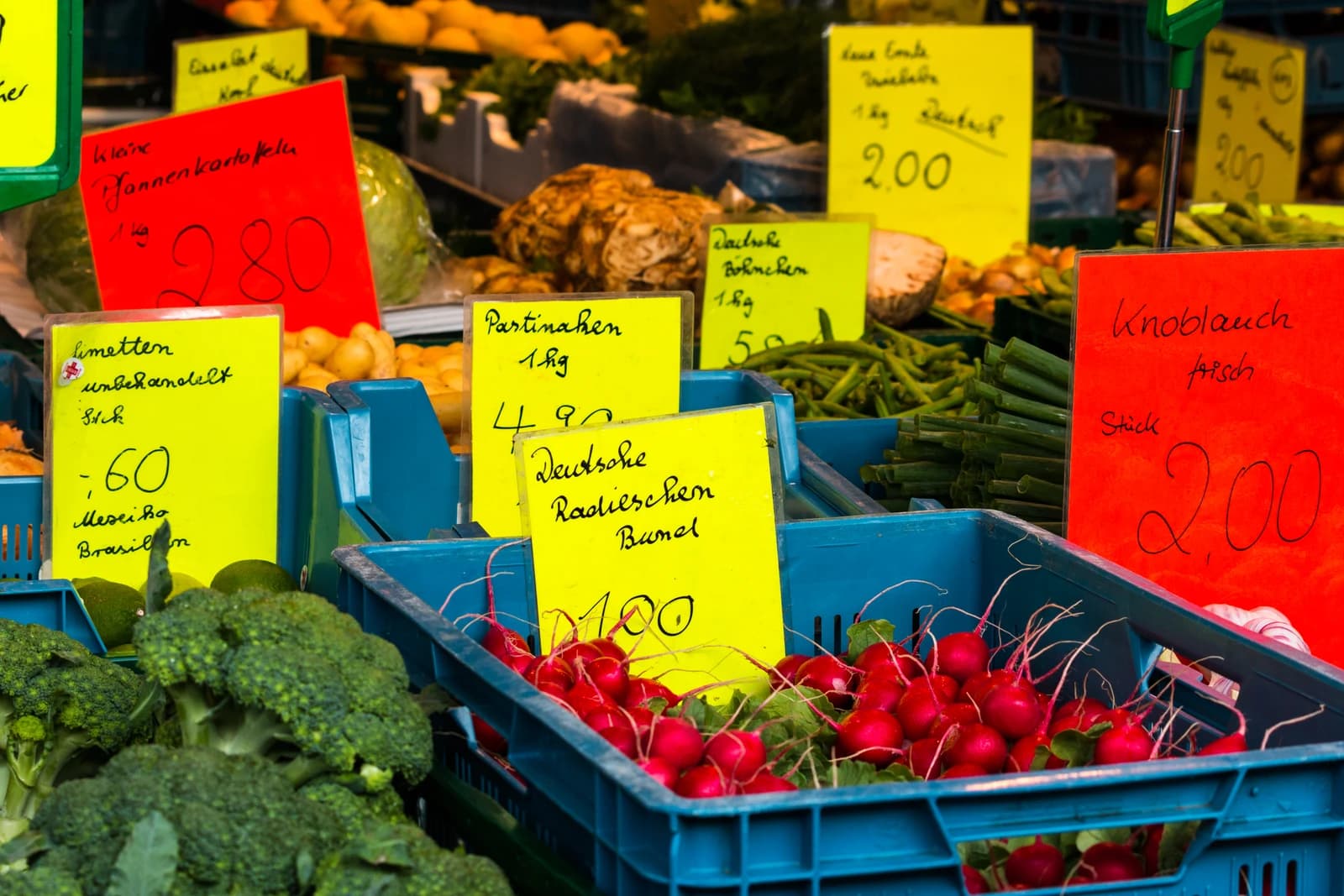
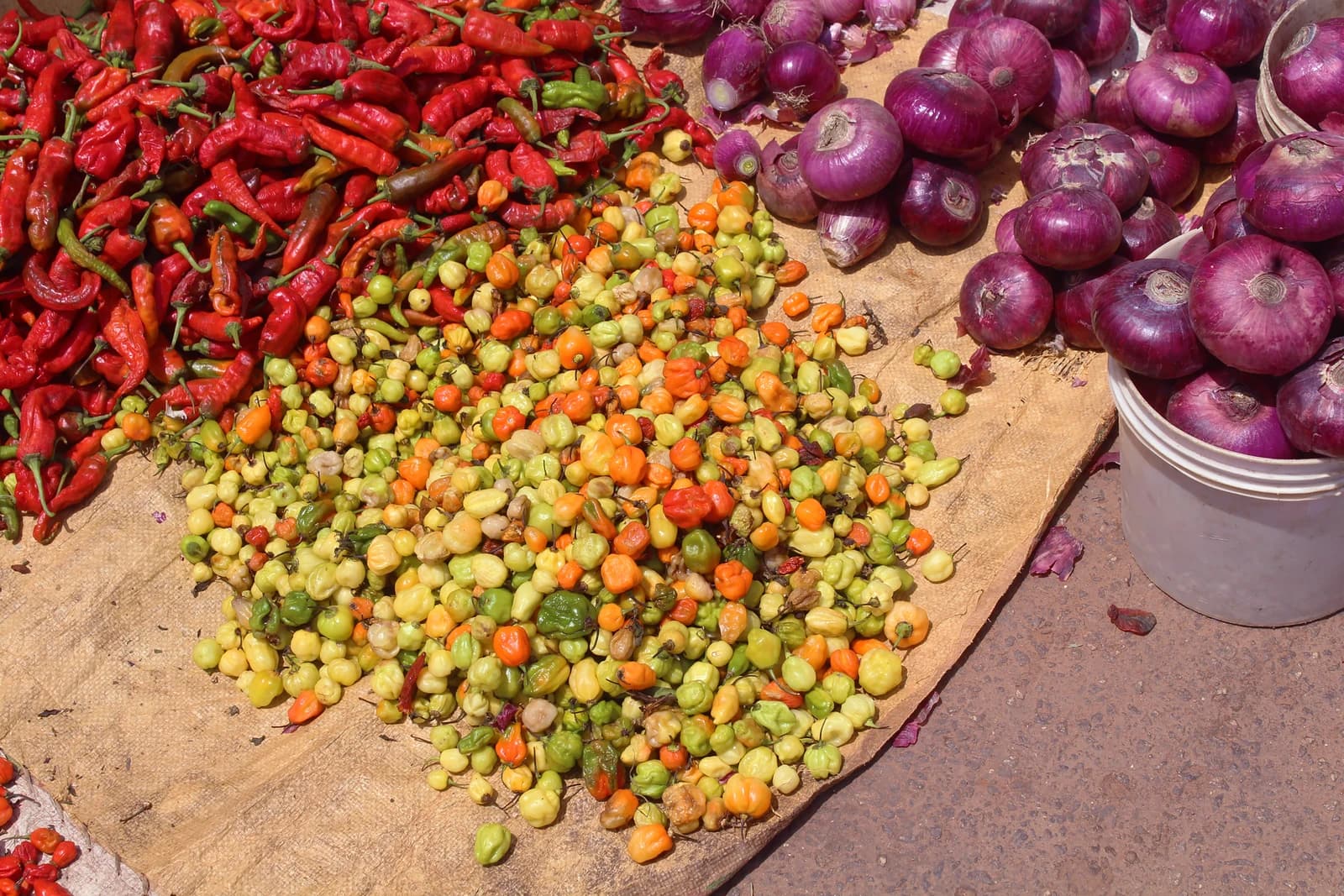
The main culprits are familiar: chilies and prepared food such as rice with side dishes. Those are not abstract price moves — they are core daily expenses, and BI said prices in that basket tend to rise quickly and fall slowly. For a province that also produces chilies, the problem is not just demand but supply swings that can leave local markets short at exactly the wrong time.
The economic narrative here is straightforward. Aceh is healing, but not evenly. Construction and trade can lift headline growth, yet food inflation can still squeeze real incomes, weaken consumer confidence and make that recovery feel more fragile than the growth number suggests. For policymakers, the message is that supply-chain stability and food distribution matter as much as output growth.
For investors, the bigger lesson is that regional growth stories are only durable when inflation is under control. If Aceh can keep rebuilding activity while easing food-price volatility, the province could support steadier consumption, better margins for local businesses and a more predictable operating environment. If not, inflation will continue to tax the recovery.
That makes Aceh worth watching, not for a quick trade, but as a reminder that real growth depends on more than a healthy headline GDP print. Investors thinking in years, not weeks, should focus on whether this recovery can become broad-based and whether food inflation finally starts to cool.
| Entity | Gains | Losses |
|---|---|---|
| Aceh businesses tied to trade, construction and agriculture | ▲Stronger activity and demand | ▼Higher input and operating costs |
| Consumers in Aceh | ▲Better economic growth and jobs | ▼More expensive food and daily necessities |
| Bank Indonesia and local policymakers | ▲Evidence of recovery progress | ▼Pressure to tame stubborn inflation |
| Chili farmers and food sellers with supply shortages | ▲Higher selling prices during tight supply | ▼Volatile volumes and unstable markets |