Thailand’s regional inflation accelerated to 2.82% in September, driven by elevated fuel costs and higher fresh food prices, underscoring how imported energy shocks and weather disruptions are filtering into household budgets and keeping pressure on policymakers to manage food prices.
Thailand September inflation rises to 2.82%
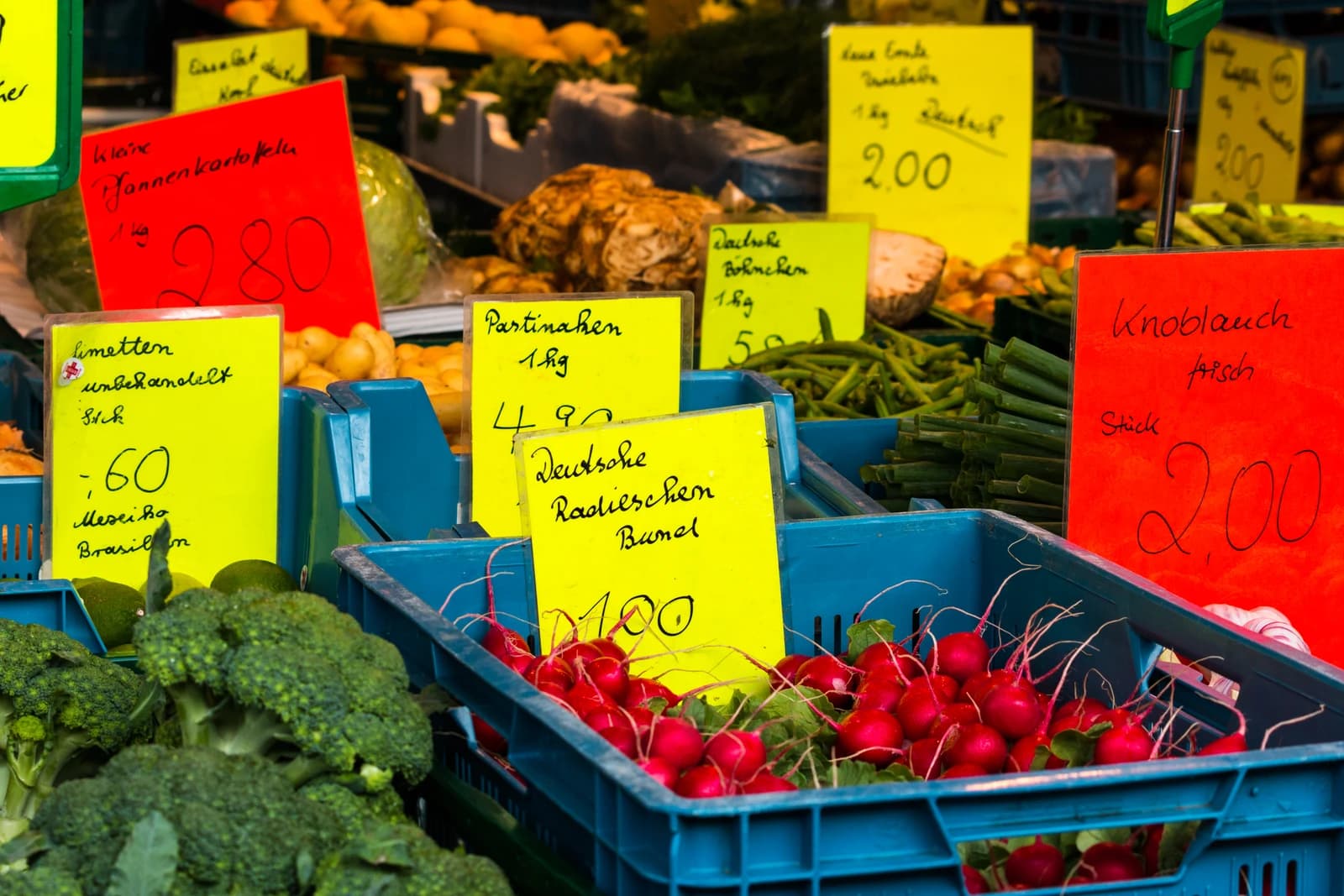
The reading shows inflation remains uneven across the country, with the south posting the fastest pace at 3.32% and the central region at 3.03%, while Bangkok and surrounding provinces came in at 2.57%. Core inflation also rose 1.50%, suggesting price gains are not limited to volatile food and fuel components.
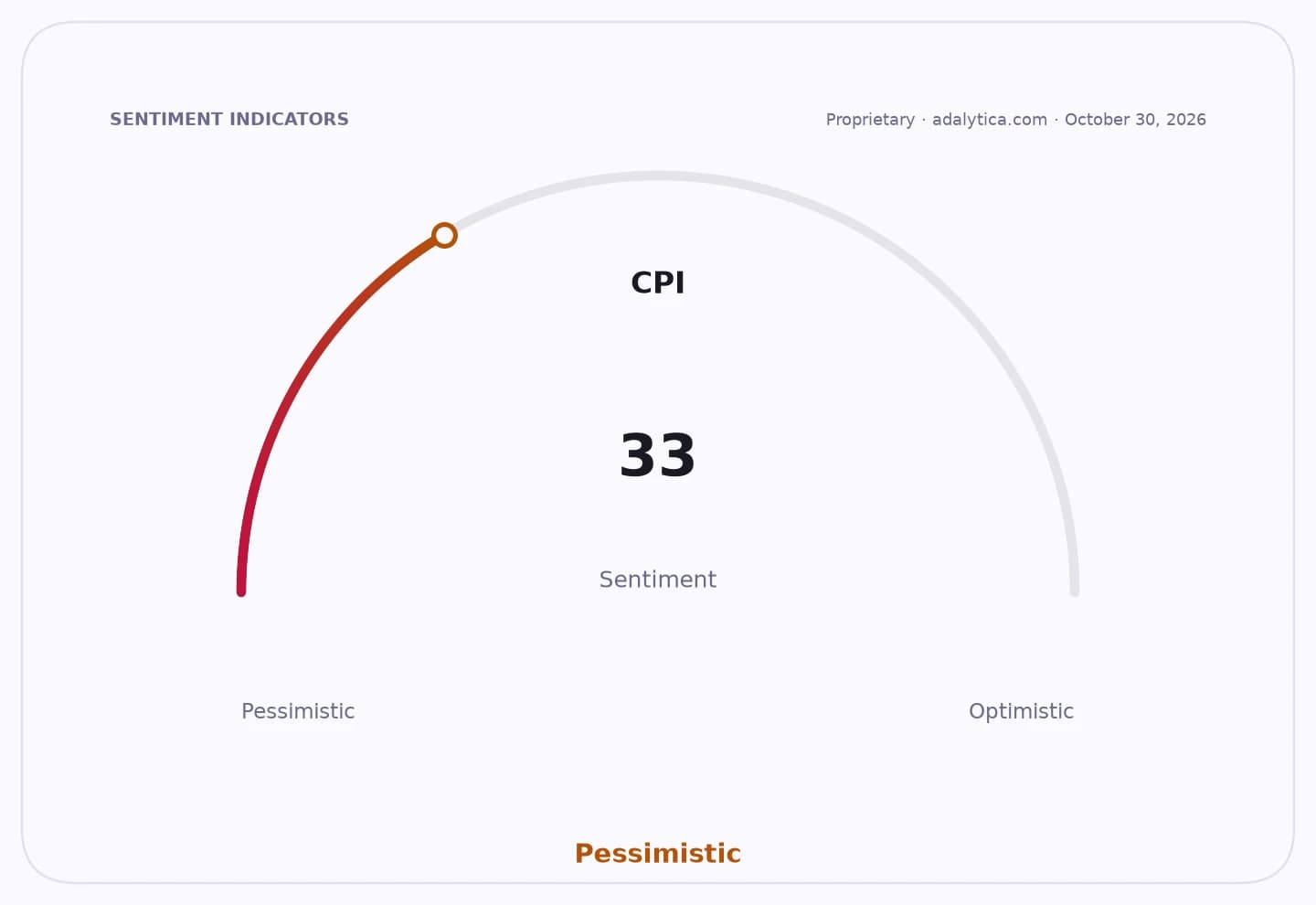
Sentiment Indicators
For consumers, the bigger issue is that confidence is weakening even as prices rise. The consumer confidence index slipped to 48.9, below the 50 threshold that separates optimism from pessimism, with only Bangkok and the northeast still in positive territory. That combination of higher living costs and softer sentiment can curb discretionary spending and slow the recovery in domestic demand.
The Commerce Ministry said fuel prices stayed high amid Middle East tensions, while fresh and prepared food costs climbed on erratic weather. It is also stepping up measures to support farmers and stabilize agricultural prices, including a new harvest-warning app for rice and efforts to push local products and geographically indicated goods into higher-value markets.
The inflation data matters for investors because sustained food and energy pressure can keep the Bank of Thailand cautious on policy and weigh on sectors tied to household consumption, even as farm incomes and tourism revenues remain mixed by region. Energy-linked assets have already reflected that backdrop, with the USO oil ETF trading well above both its 50-day and 200-day moving averages, while the XLE energy ETF has extended gains on firmer crude.
The next test is whether energy prices cool and harvest conditions improve enough to ease headline inflation into year-end. If they do not, the government may face renewed pressure to deepen price controls and support measures, while bond and equity markets will keep watching for any shift in the central bank’s inflation tolerance.
| Entity | Gains | Losses |
|---|---|---|
| Energy producers | ▲Higher fuel-linked revenue | ▼Consumers facing higher bills |
| Farmers and agri-sellers | ▲Price support measures | ▼Households and retailers |
| Consumer staples and food sellers | ▲Pricing power | ▼Discretionary spending |
| Thai policymakers | ▲Room to intervene on prices | ▼Policy flexibility if inflation persists |