Thailand’s attempt to revive growth with stimulus and easier policy is running into a tougher global trade backdrop, making the next phase of the country’s recovery increasingly dependent on whether domestic demand can offset weak exports and external shocks.
Thailand Growth Outlook Hinges on Domestic Demand
That is the central investment question for Southeast Asia’s second-largest economy as the Bank of Thailand keeps rates lower after cutting its policy rate by 25 basis points to 2.25% in October, while the government layers on fiscal support to defend consumption. Inflation has stayed subdued enough to give policymakers room: the consumer price index rose 1.23% in December from a year earlier, up from 0.95% in November, but the average for 2024 was only 0.4%, the lowest in four years. The BoT sees 2025 growth of 2.9% and inflation of 1.1%, both modest enough to suggest policy is still leaning toward support rather than restraint.
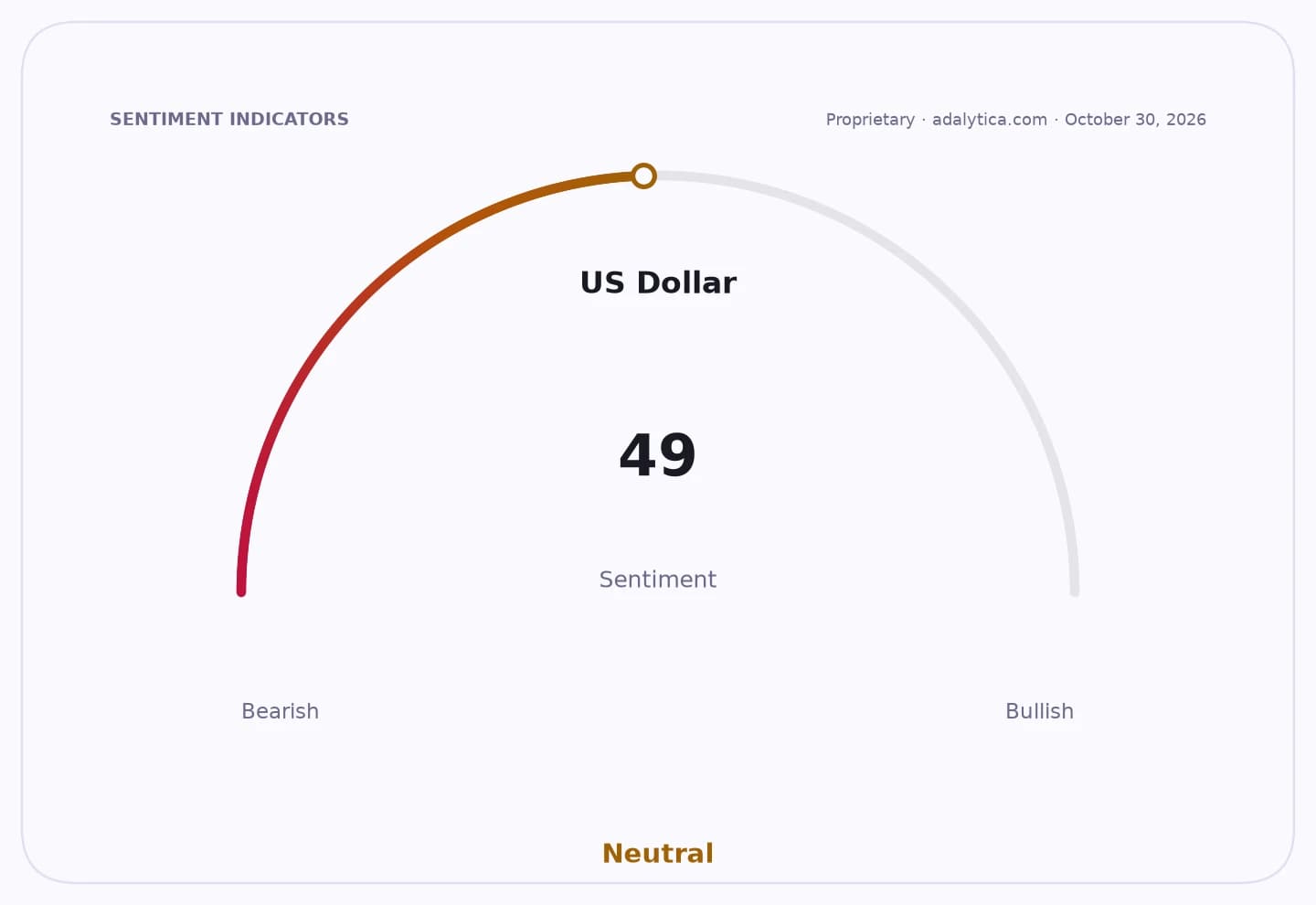
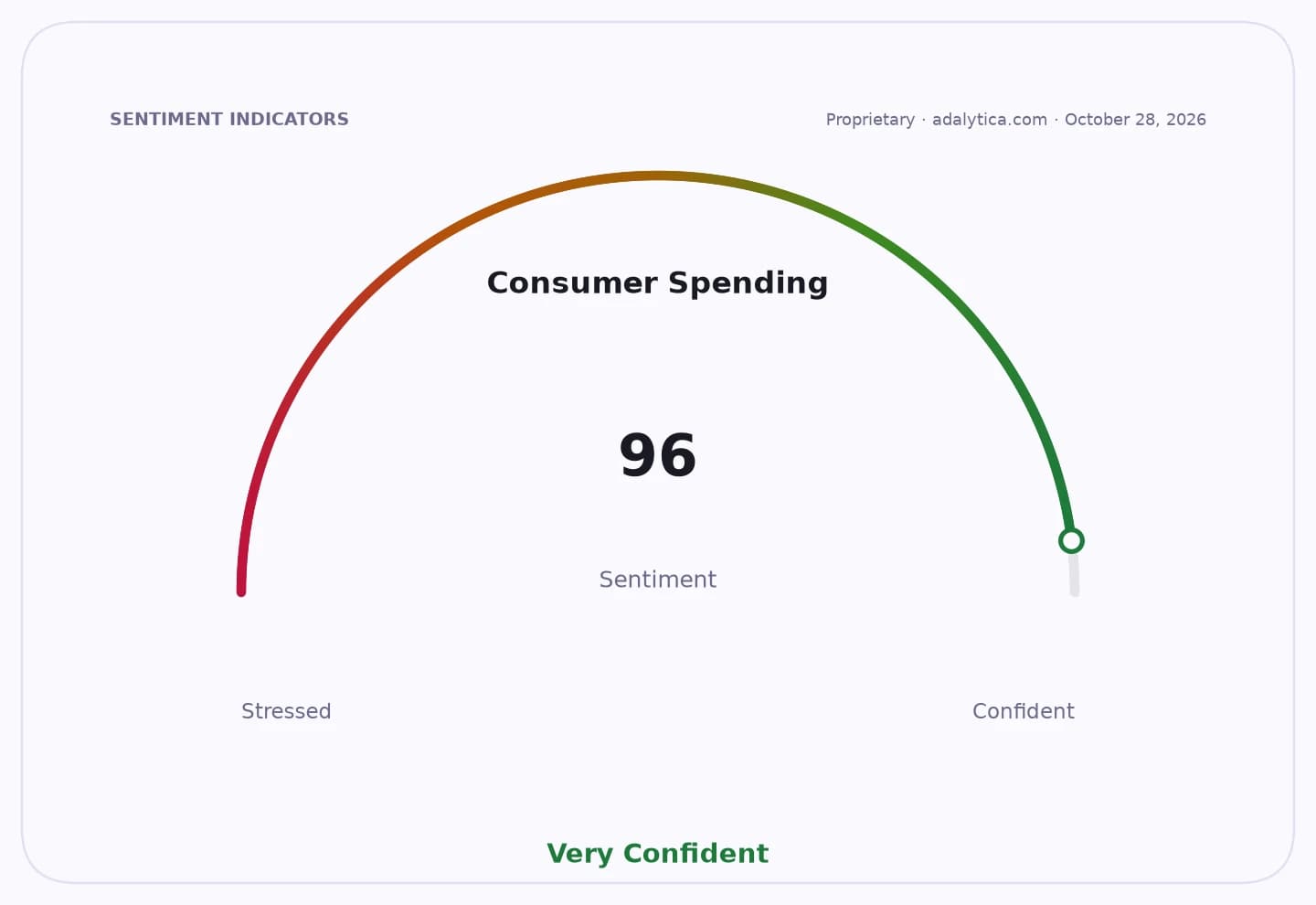
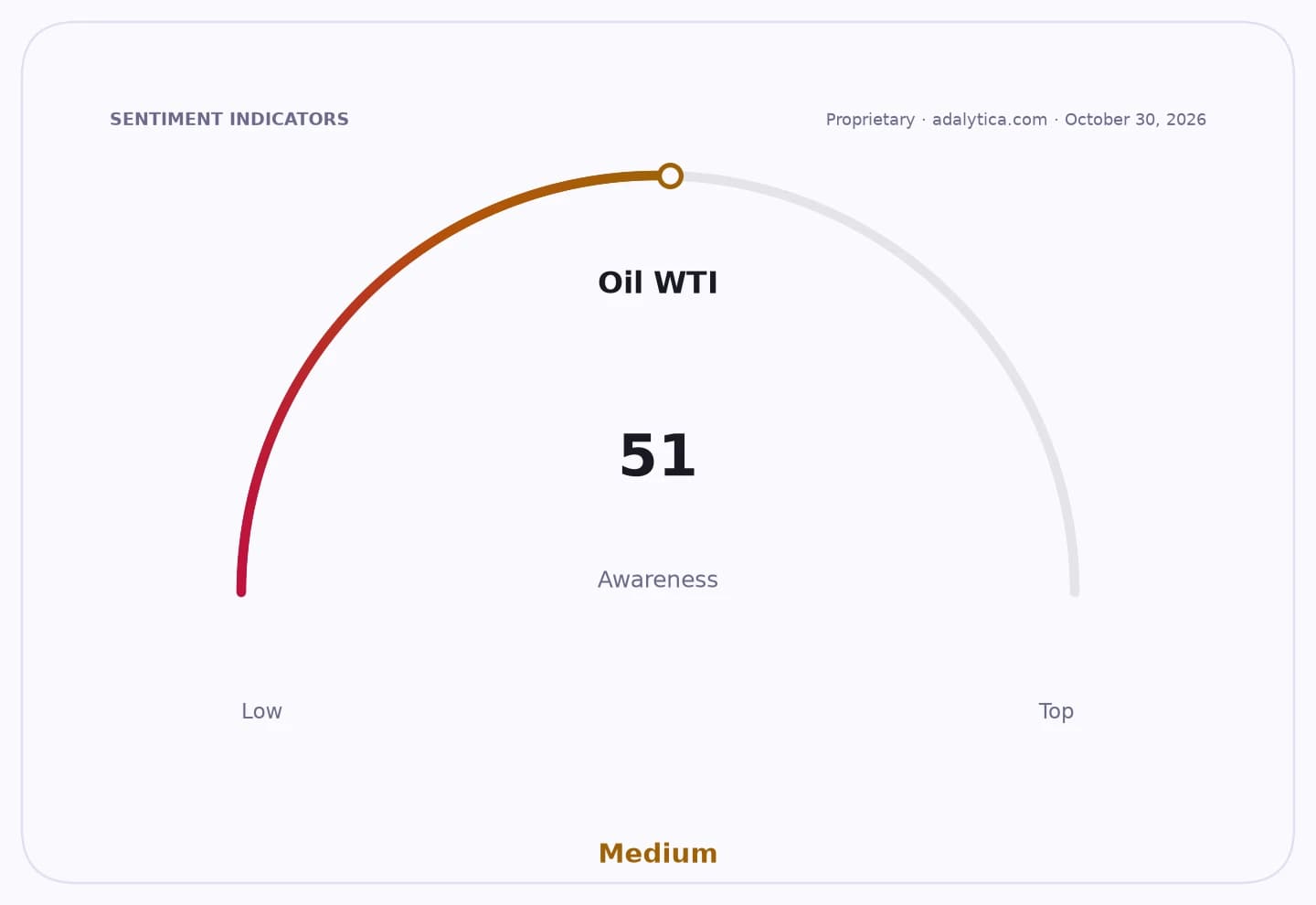
Sentiment Indicators

For markets, the significance is that Thailand is not dealing with overheating prices or a classic tightening cycle. It is dealing with a demand shortfall. That tends to help borrowers, retailers and tourism-linked businesses, but it can also reflect an economy that is underperforming regional peers and still struggling to convert stimulus into sustained private-sector investment. Finance Minister Pichai Chunhavajira has signaled the government may want further rate cuts, underscoring the pressure on policymakers to keep growth moving even as global conditions deteriorate.
Tourism is the clearest offset. Thailand drew about 35.5 million foreign visitors in 2024, giving the economy a meaningful lift and supporting consumer spending, hotels, airlines and related services. Yet the stock market has lagged, reflecting investor concern that the rebound in arrivals is not enough to solve deeper structural problems. Political uncertainty, weak exports and cautious business investment have kept the Stock Exchange of Thailand behind regional benchmarks, which helps explain why value investors are still being drawn to cyclical names despite poor broad-market momentum.
The government’s fiscal push is designed to widen that domestic base. A $14 billion stimulus package covering roughly 45 million people, a 2.9% minimum-wage increase from January 2025 and tax incentives worth up to 50,000 baht are intended to support household spending and revive sectors such as consumer goods, tourism and infrastructure. The near-term bull case is straightforward: easier money, fiscal transfers and a tourism rebound can keep growth positive even if exports stay soft. The bear case is that these measures may cushion weakness without fixing the underlying drag from low productivity, sluggish investment and limited export traction.
External trade remains the biggest swing factor. New U.S. tariffs on Chinese goods could deepen Beijing’s need for stimulus and weaken outbound tourism from China if Chinese growth softens further. That matters for Thailand because Chinese visitors were still the largest foreign tourist group in 2024, making the economy unusually exposed to China’s policy response as well as to broader shifts in global trade flows.
For investors, the setup argues for selective positioning rather than a broad macro bet. Consumer-facing and tourism-linked names stand to benefit most from stimulus and visitor recovery, while exporters remain vulnerable to trade disruption and global demand volatility. Gold and other defensive commodities may also attract interest if trade tensions and geopolitical risks keep sentiment fragile. The larger lesson is that Thailand’s recovery story now depends less on inflation control than on whether policymakers can translate low inflation into durable private-sector demand without leaning too heavily on short-term support.
| Entity | Gains | Losses |
|---|---|---|
| Thai consumers | ▲Higher spending power | ▼Limited if job growth lags |
| Tourism and retail firms | ▲More domestic and foreign demand | ▼If Chinese arrivals slow |
| Exporters | ▲Weaker baht could help competitiveness | ▼U.S.-China trade disruption |
| Thai policymakers | ▲Room for stimulus and rate cuts | ▼Credibility if growth stays weak |