Thailand is trying to squeeze more revenue from every visitor rather than rely on bigger arrival numbers, and its latest shopping campaign shows how the strategy is widening beyond the usual ASEAN and Indian markets.
Thailand Tourism Campaign Targets Higher Visitor Spending
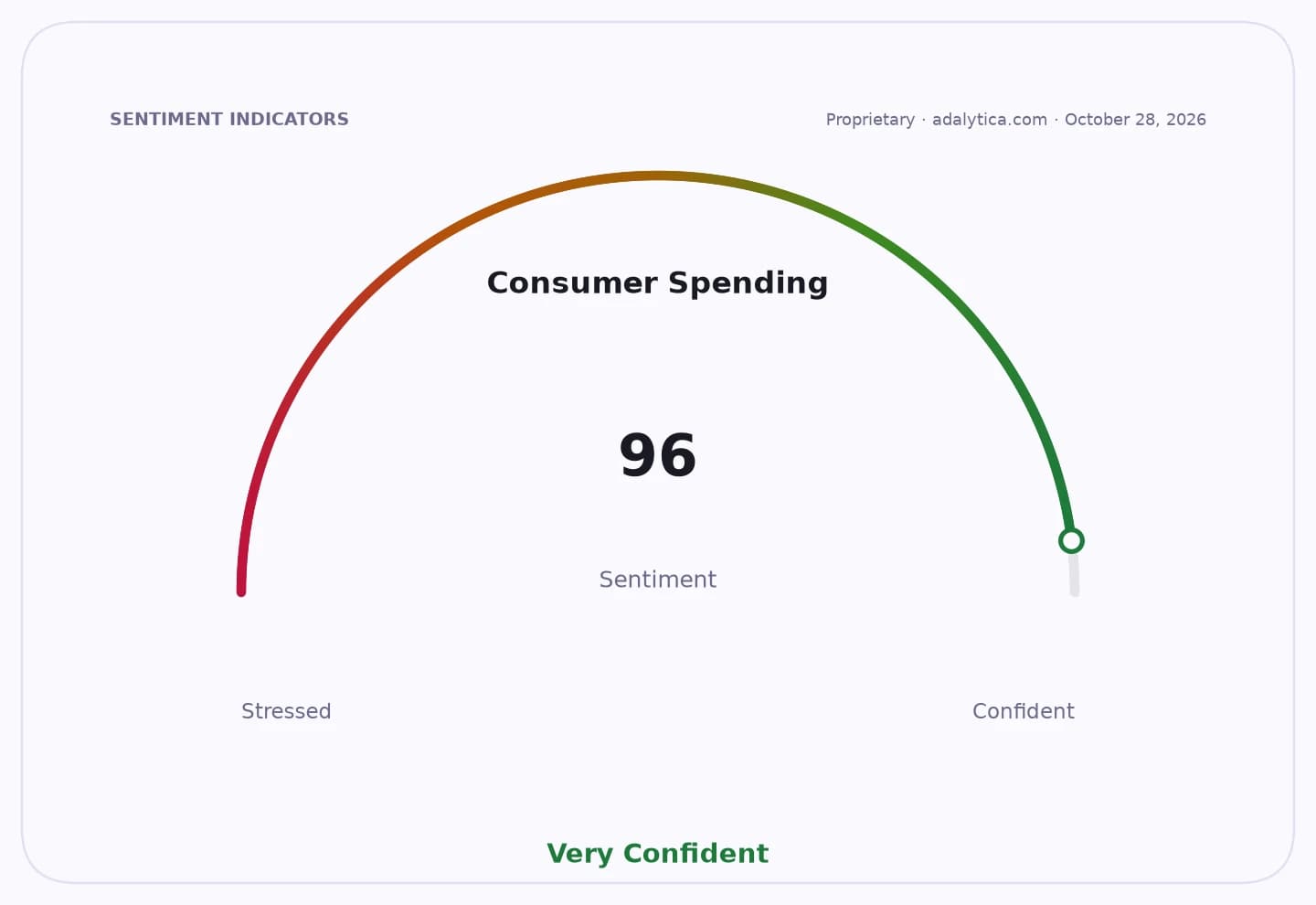
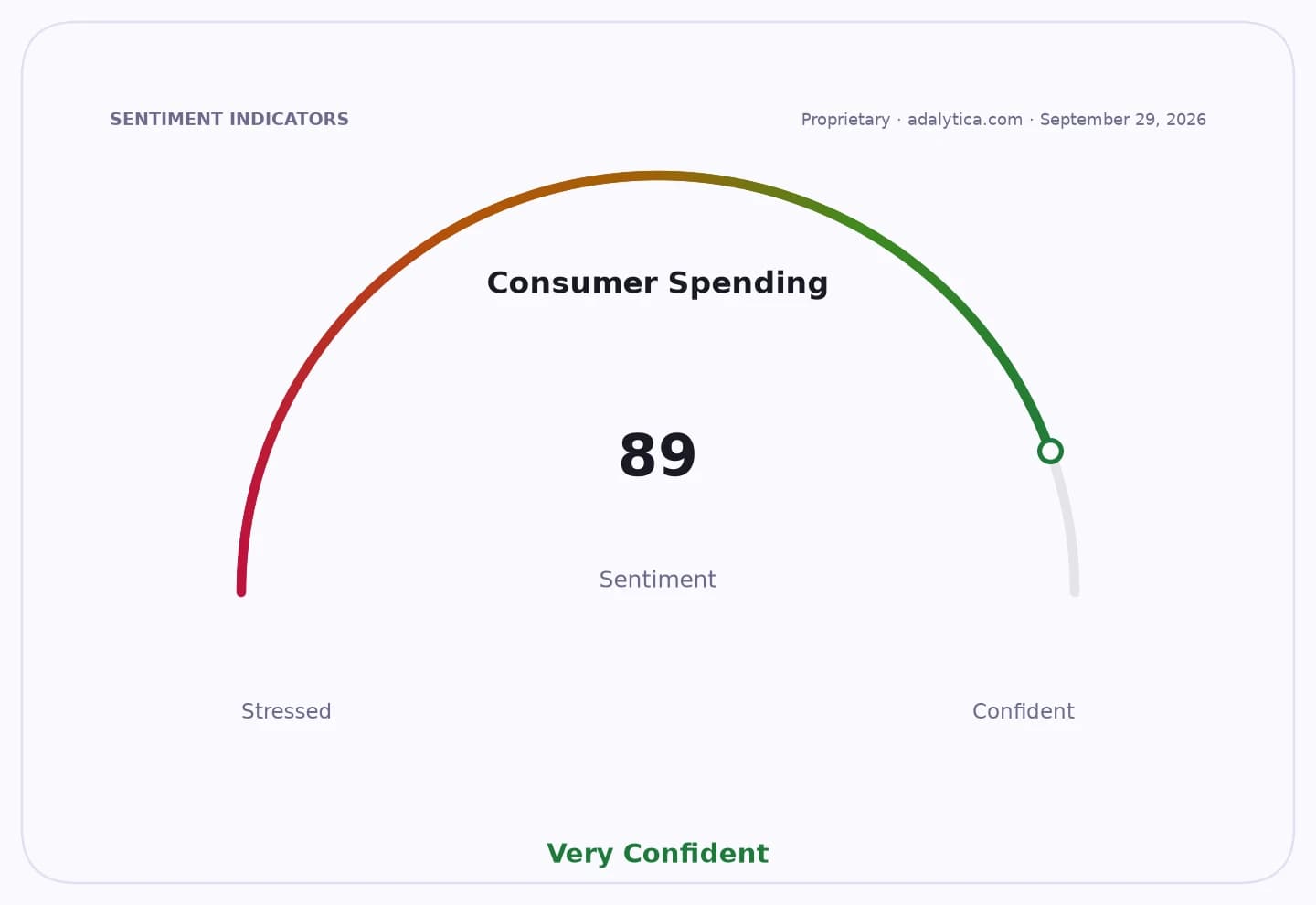
The Tourism Authority of Thailand has relaunched its “ASEAN India+ Shoppers in Thailand 2026” drive with offers worth 500 to 2,000 baht at more than 50 partners nationwide, aiming to convert tourist traffic into higher retail, dining and hotel receipts through November 28. The campaign matters because Thailand’s tourism recovery is increasingly being judged not just by arrivals, but by how much each traveler spends and how widely that money spreads across local brands, malls, hotels and SMEs.
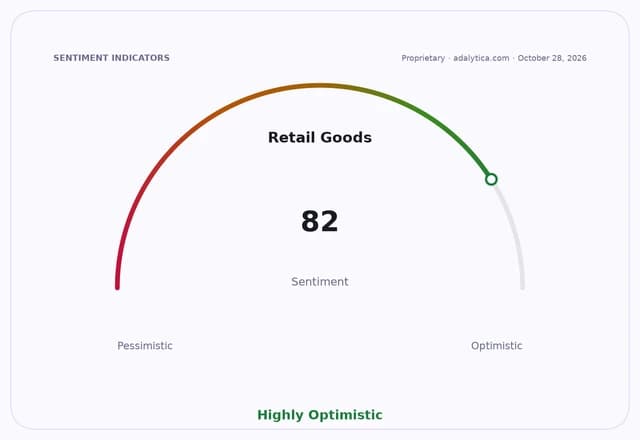
TAT is targeting 30,000 participating tourists, at least 10 million campaign exposures and 244 million baht in revenue, a sharp step up from the more than 81 million baht generated by the 2024 and 2025 editions combined. That is the real story for investors: Thailand’s tourism machine is being rebuilt around yield, not volume, at a time when arrivals can be uneven and competition across Southeast Asia remains intense.
The campaign also broadens the pool of potential spenders. This year it extends beyond ASEAN and India to Pakistan, Sri Lanka and Bangladesh, markets TAT says have untapped shopping and lifestyle potential. That is important economically because these travelers tend to concentrate spending in retail corridors, premium malls and branded hospitality, where discounts and vouchers can quickly translate into incremental sales for operators with scale.
The list of partners is telling. King Power, Central and Robinson, Centara, The Mall Group, Siam Paragon, Siam Piwat, ICONSIAM, One Bangkok and MBK Center are all in the mix, alongside Thai consumer brands ranging from food and health products to beauty and herbal goods. In other words, this is not a generic tourism promotion — it is a direct demand stimulus for Thailand’s organized retail and consumer ecosystem.
The campaign also lands at a moment when the sector still needs every lever it can get. TAT said ASEAN and India have delivered more than 8.45 million arrivals so far in 2026, while Thailand overall logged 23.4 million international arrivals and more than 153.96 million domestic trips through Sept. 30, generating about 2.04 trillion baht in tourism revenue. The agency is still forecasting 33 million foreign arrivals and 2.65 trillion baht in total tourism revenue for the year, but the gap between traffic and spending is exactly why these value-driven promotions matter.
There is a second market takeaway here: shopping behavior is already a core profit pool in Thailand. TAT’s 2025 survey found 91.05% of foreign visitors shopped during their trips, with shopping spending up 21.04%. That makes retail-linked tourism one of the cleaner ways to monetize inbound travel, especially when promotions can be pushed through digital registration, airport activation and mall-based campaigns.
For investors, the implication is straightforward. The market may still underappreciate how much of Thailand’s tourism upside now lives in the second-order beneficiaries — mall owners, airport retailers, hotel groups, food brands and consumer-product makers — rather than in headline arrival growth alone. If TAT succeeds in turning awareness into repeat visits and basket-size expansion, the earnings leverage can be more durable than a simple rebound in tourist counts.
The next catalyst is execution through the high-traffic year-end season. If Thailand can keep converting ASEAN and South Asian travelers into higher-spending shoppers, the winners will be the companies with premium locations, strong brand pull and direct access to tourists. That is where the asymmetric opportunity sits.
| Entity | Gains | Losses |
|---|---|---|
| Central, Siam Piwat, Mall operators | ▲Higher foot traffic | ▼Smaller standalone retailers |
| King Power, airport retail | ▲Tourist spending uplift | ▼Low-traffic duty-free peers |
| Hotels and resorts | ▲Longer stays, higher ADR | ▼Budget operators with less brand pull |
| Thai consumer brands, SMEs | ▲More sales exposure | ▼Imported brands without campaign access |