Thailand is moving to add new entry and exit charges that could lift the cost of a trip for Vietnamese tourists by about 1.1 million dong, a small sum for some travelers but one that matters in a region where tourism demand is highly competitive and price-sensitive.
Thailand adds entry and departure fees for tourists
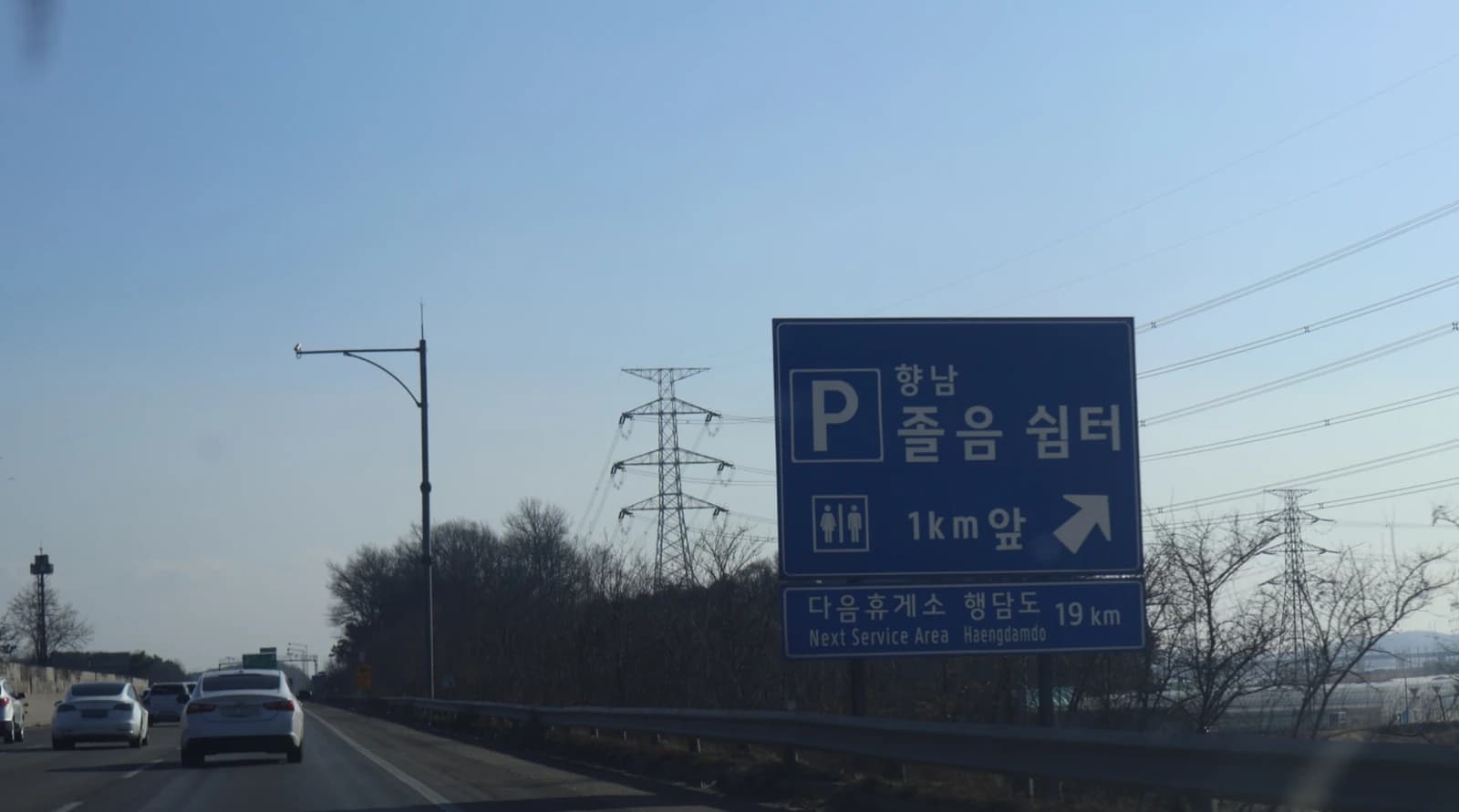
The most immediate change is Thailand’s plan to collect a 450-baht entry fee from international visitors, with implementation now targeted for the first quarter of 2027, plus a proposed 1,000-baht departure tax on air travelers. Together, the two levies would amount to 1,450 baht, or roughly 1.12 million dong, before adding Thailand’s existing international passenger service fee of 1,120 baht at major airports.
Sentiment IndicatorsⓘProprietary · adalytica.com · October 14, 2026
This is a snapshot — live sentiment, awareness and momentum for 130+ markets update continuously in the dashboard.Open AlphaPulse
For Thailand, the taxes are meant to fund insurance for foreign visitors, upgrade attractions and restore natural resources. Officials estimate the entry fee alone could bring in about 8 billion baht a year, and public consultation suggests the policy has broad support, with more than 80% of respondents backing it. Some commenters even argued the fee should be bundled into airfares to speed processing at the airport.
But the backlash from the tourism industry is a reminder that travel demand is not just about beaches, shopping and convenience. It is also about the final bill. Hotel and travel groups in Thailand have already pushed back against the departure tax, warning it could make the country less competitive against other Southeast Asian destinations. That concern is not trivial: Thailand welcomed 32.9 million foreign visitors in 2025, down more than 7% from a year earlier, and it has already slipped behind Malaysia as the region’s biggest tourism magnet.
For investors, this is less about one fee and more about the larger battle for discretionary spending across Asia. If Thailand makes itself a little more expensive, some travelers may shift trips to Vietnam, Malaysia or elsewhere in the region, especially if those destinations keep improving their offerings without adding new taxes. That matters for airlines, online travel agencies, hotels and resorts that depend on volumes, not just high-end spenders.
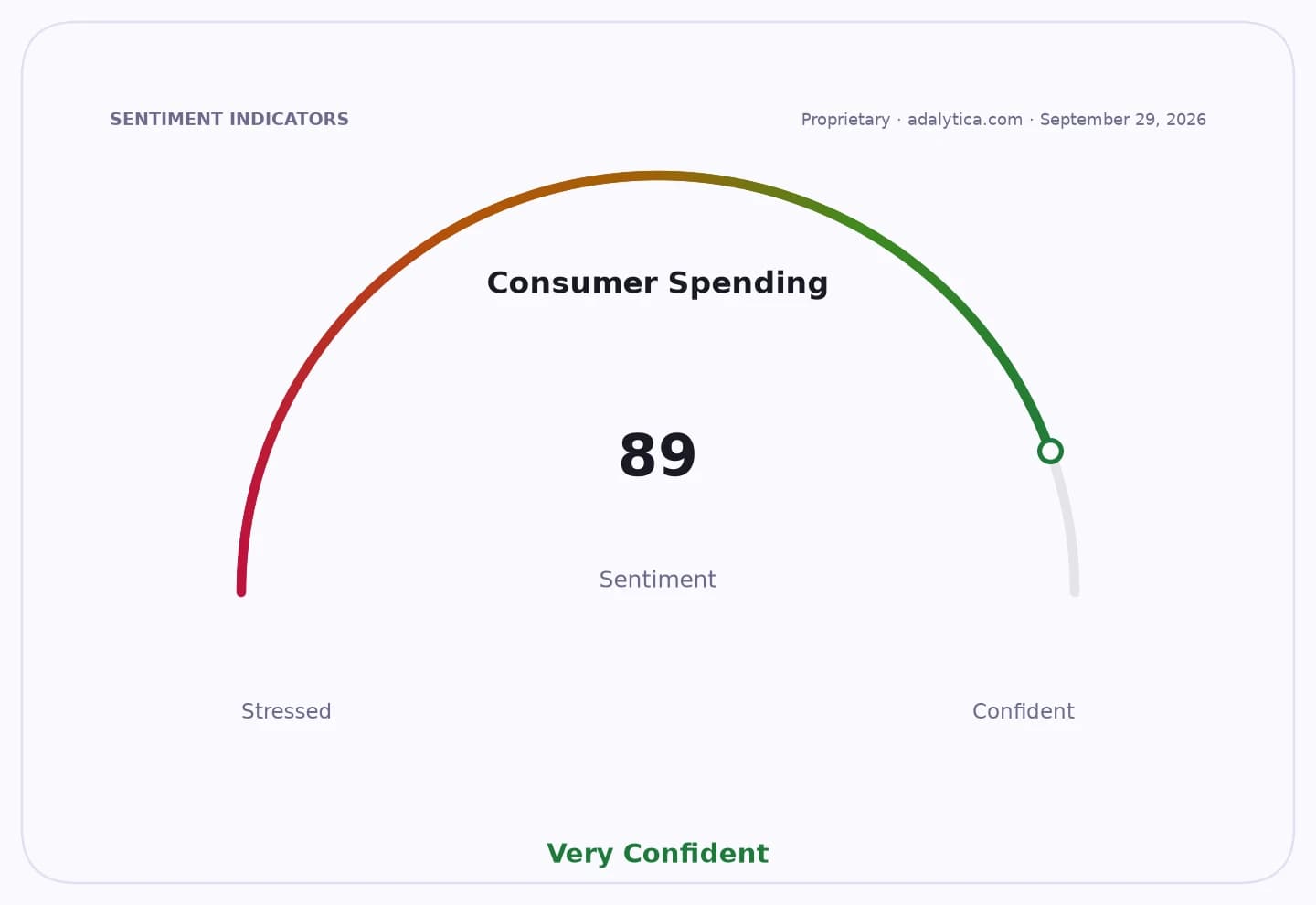
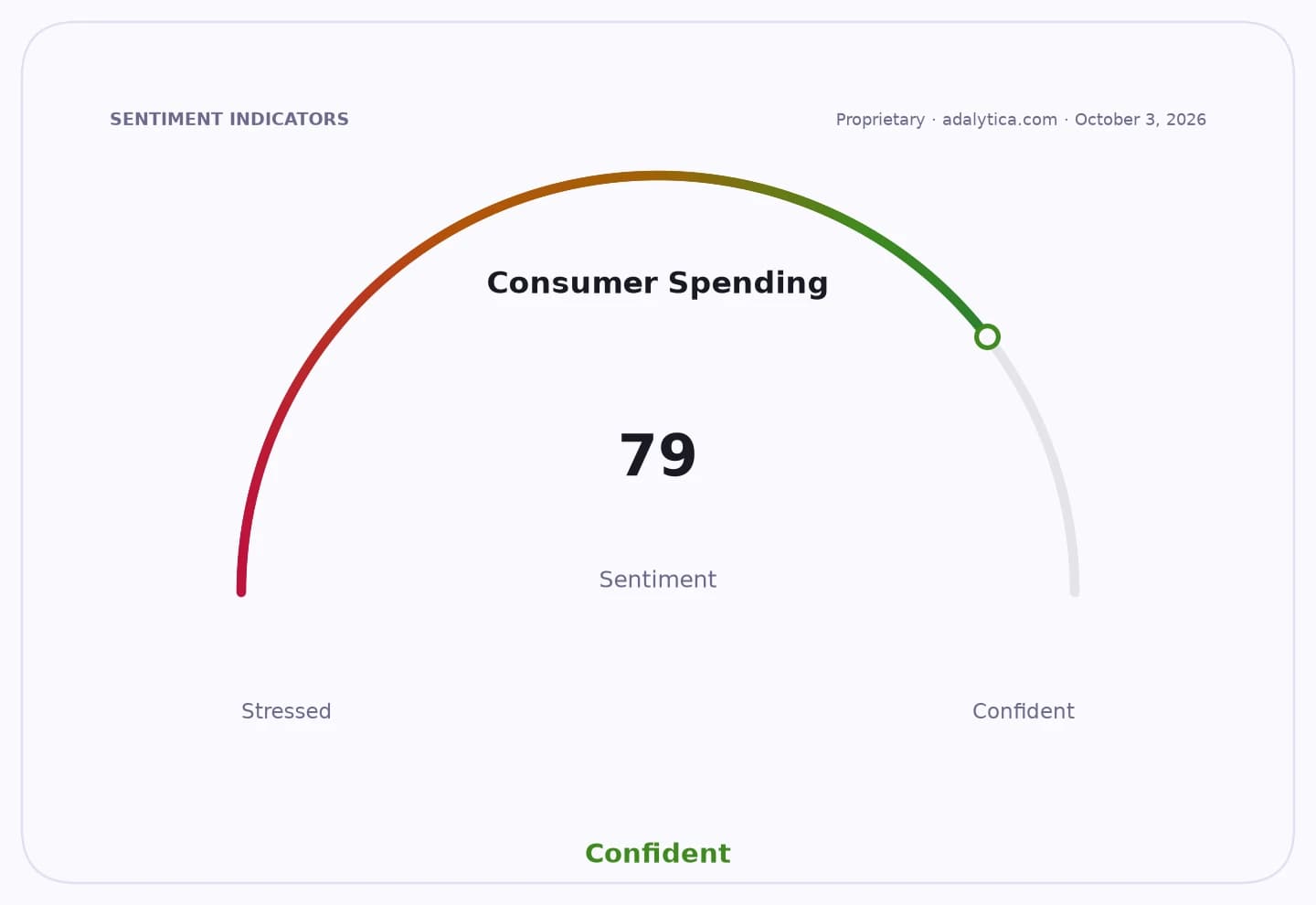
There is also a timing issue. Thailand is trying to protect tourism revenue at a moment when regional competition is intensifying and consumer confidence remains fragile. Adalytica’s consumer confidence recession sentiment gauge is in extreme fear, while its consumer spending sentiment is only neutral, a sign that households may remain selective about nonessential travel costs. In that environment, even modest added fees can influence destination choice, package demand and the length of stay.
The bigger investing lesson is that tourism is a compounding story. Countries that keep travel easy, affordable and welcoming tend to win share over time. Those that pile on fees risk losing the very traffic that supports hotels, retailers, attractions and transport networks. Thailand’s new charges may help pay for better tourism infrastructure, but they also raise the question of whether the country is taxing a growth engine just as Southeast Asia’s travel map is shifting.
For long-term investors, the key is to watch which destinations keep gaining share and which ones start to price themselves out of the market. Thailand remains a major tourism market, but these new fees are a reminder that in travel, competitiveness can disappear faster than it is built.
| Entity | Gains | Losses |
|---|---|---|
| Thailand government | ▲New fee revenue | ▼Short-term tourism goodwill |
| Thai tourism sector | ▲Better-funded attractions | ▼Lower price competitiveness |
| Vietnamese tourists | ▲Better infrastructure over time | ▼Higher trip costs |
| Vietnam/Malaysia rivals | ▲Potential share gains | ▼Less spillover traffic |