India is making it easier for Thai nationals to visit, offering a free 30-day e-tourist visa from July 1 in a move that could lift cross-border travel, hotel demand and spending in one of Asia’s most closely watched tourism corridors.
India offers free 30-day e-tourist visa for Thais
The policy matters because tourism is one of the quickest ways to turn diplomatic goodwill into real economic activity. When a country removes visa fees and shortens the friction around entry, it tends to win more spontaneous trips, more weekend breaks and more repeat visitors — exactly the kind of travel that fills rooms, restaurants and retail tills. For India, the decision is a small policy change with a potentially outsized payoff if it helps capture more visitors from Thailand’s large outbound travel market.
The visa allows single or double entry for 30 days, which makes it especially attractive for short-haul leisure travel and combined city-and-culture itineraries. That is the segment most likely to respond to lower costs and simpler planning. It also fits a broader regional push to revive tourism with easier access, as countries in Asia compete more aggressively for travelers who are increasingly price-sensitive but still willing to spend on experiences.
For investors, the obvious beneficiaries are India’s travel and hospitality names, along with airlines and travel platforms that can monetize any pickup in Thai arrivals. Hotels tied to leisure destinations, airport traffic and premium domestic tourism could see the biggest incremental gain if the policy helps convert interest into actual bookings. The broader consumer angle matters too: more inbound tourists usually means more demand for restaurants, shopping, local transport and attractions, which can ripple through small businesses that rely on visitor spending.
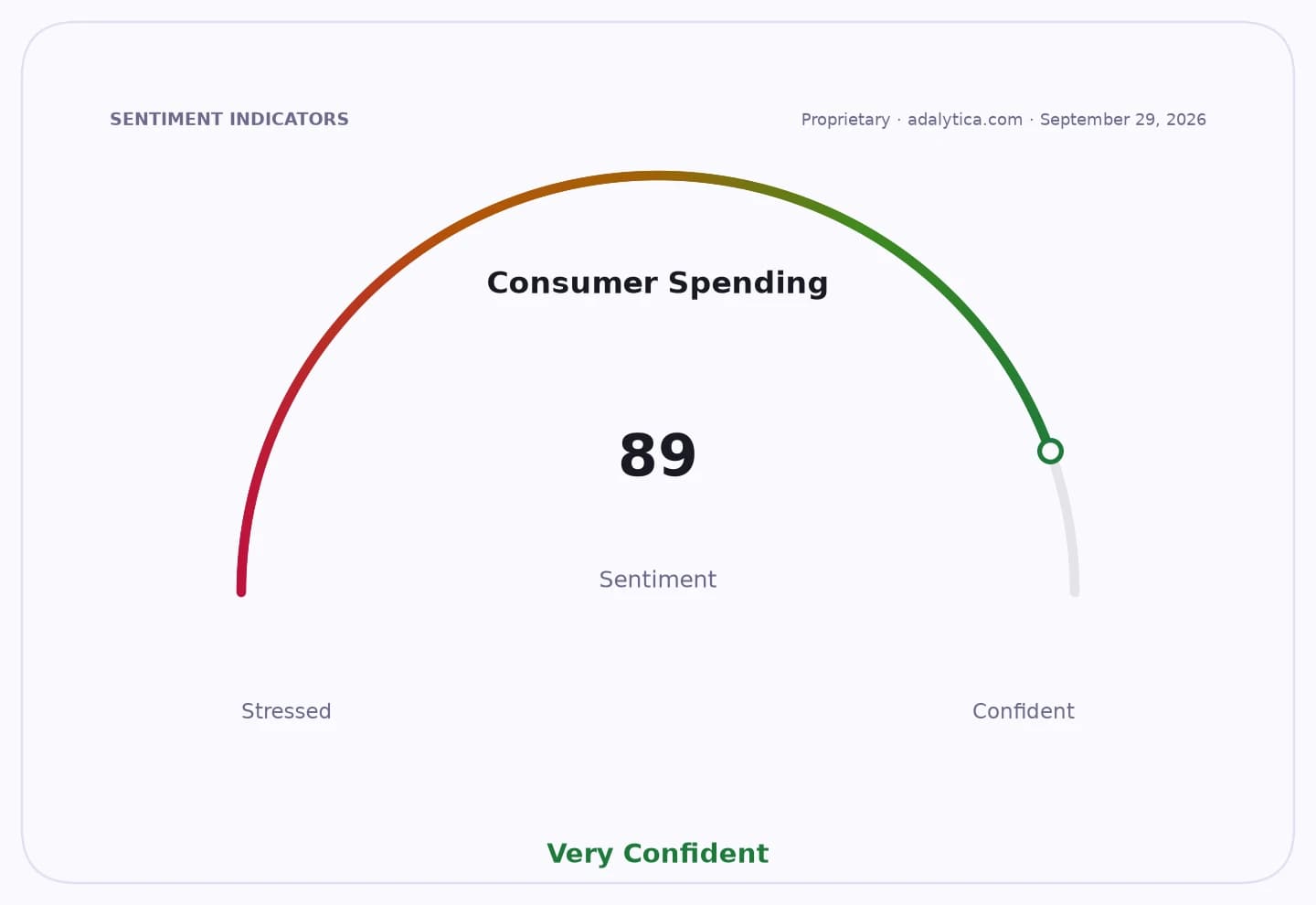
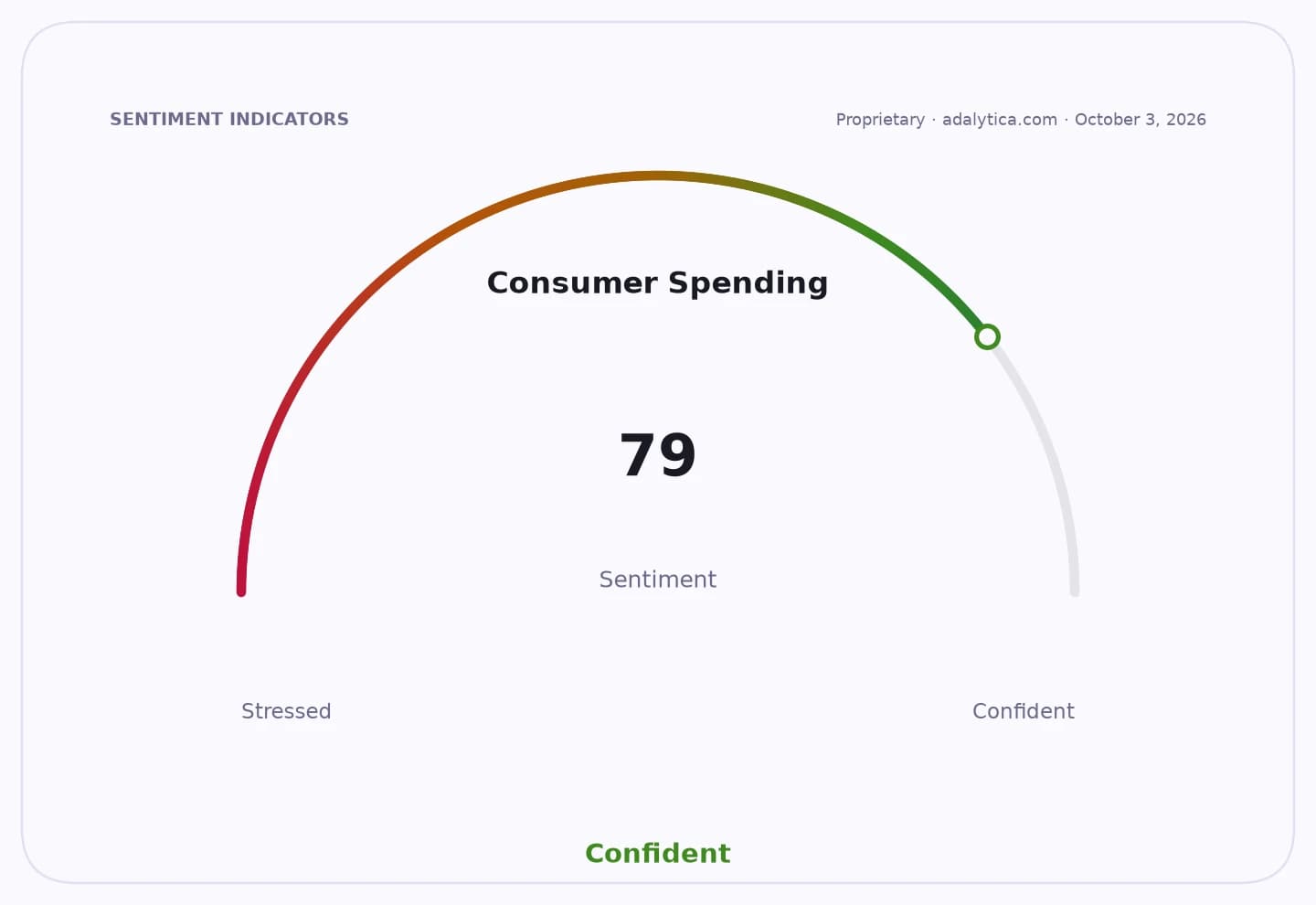
The timing is also notable. Consumer spending sentiment remains elevated, and travel demand across Asia has shown it can rebound quickly when restrictions ease and prices look manageable. That means policy support can matter just as much as macro conditions in deciding where tourists choose to go. In a competitive region, even modest visa reform can tilt the balance toward India if Thai travelers decide the country is now easier, cheaper and more convenient to visit.
There are limits, of course. A free visa does not guarantee a surge in arrivals if airlines do not add capacity, if exchange rates move against travelers or if competing destinations keep undercutting India with better packages. But for long-term investors, the direction is constructive: India is lowering a barrier to one of the world’s most resilient discretionary spending categories. That makes the policy worth watching for its second-order effects on tourism stocks, consumer-facing businesses and cross-border economic ties.
| Entity | Gains | Losses |
|---|---|---|
| Thai travelers | ▲Lower costs, easier entry | ▼Visa fee savings gone |
| India tourism sector | ▲More arrivals, higher spending | ▼Limited if demand lags |
| Hotels, airlines, travel platforms | ▲More bookings and traffic | ▼Capacity pressure if demand spikes |
| Competing Asian destinations | ▲— | ▼Share of Thai outbound travel |