Thailand’s economy is getting a modest lift from exports of high-tech goods, but the Asian Development Bank’s latest outlook shows the recovery remains fragile, with household debt and a looming El Niño shock still capable of derailing momentum.
Thailand GDP forecast raised to 2% by ADB

The ADB lifted its forecast for Thailand’s 2026 GDP growth to 2% from 1.8%, citing stronger shipments of technology, high-tech and electronics products. That is a meaningful improvement for an economy that has struggled to generate broad-based growth, but it is still hardly enough to signal a durable acceleration. The bank also trimmed its 2027 growth estimate to 1.9% from 2%, implying that the near-term boost from the electronics cycle may fade before domestic demand fully takes over.
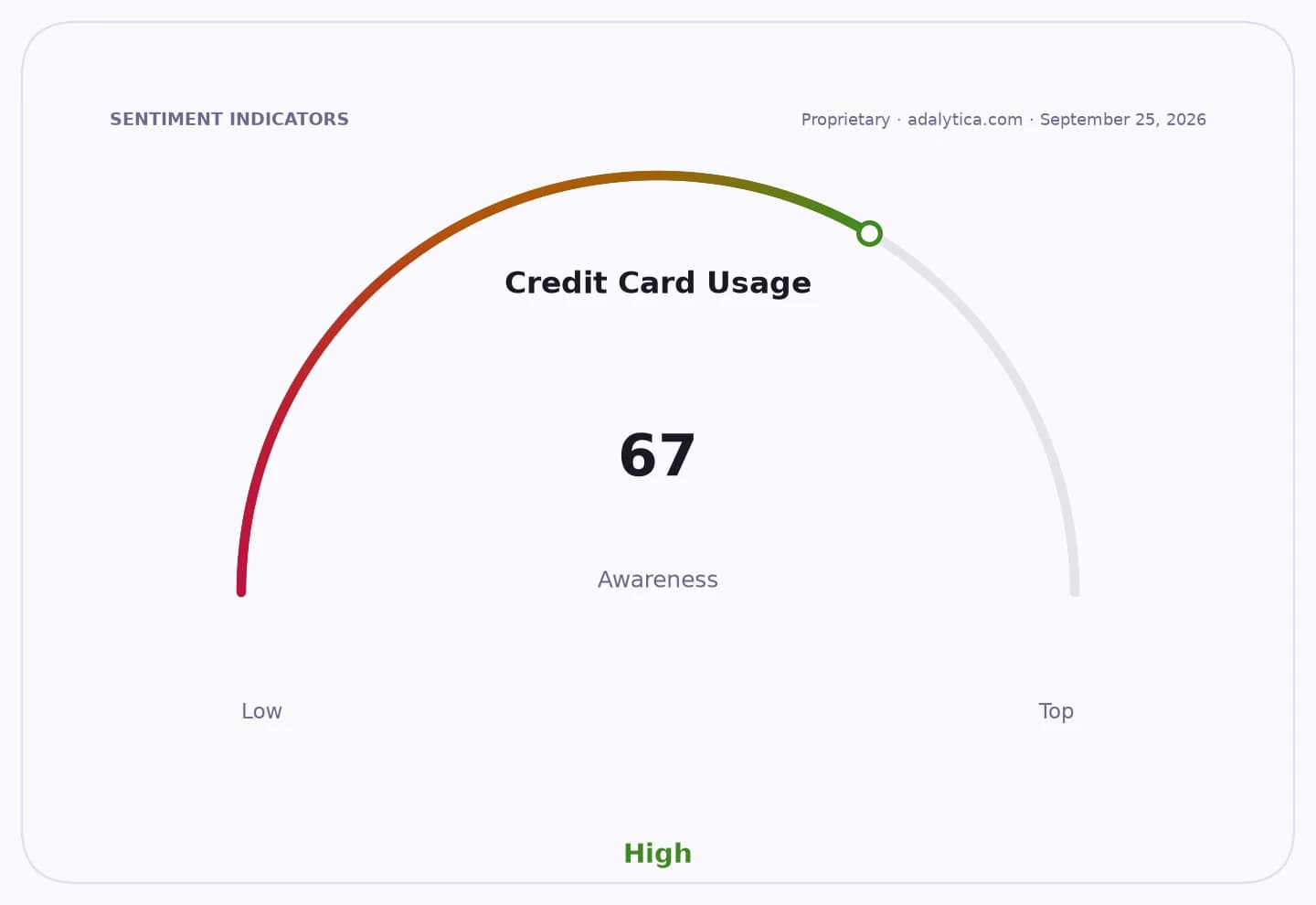
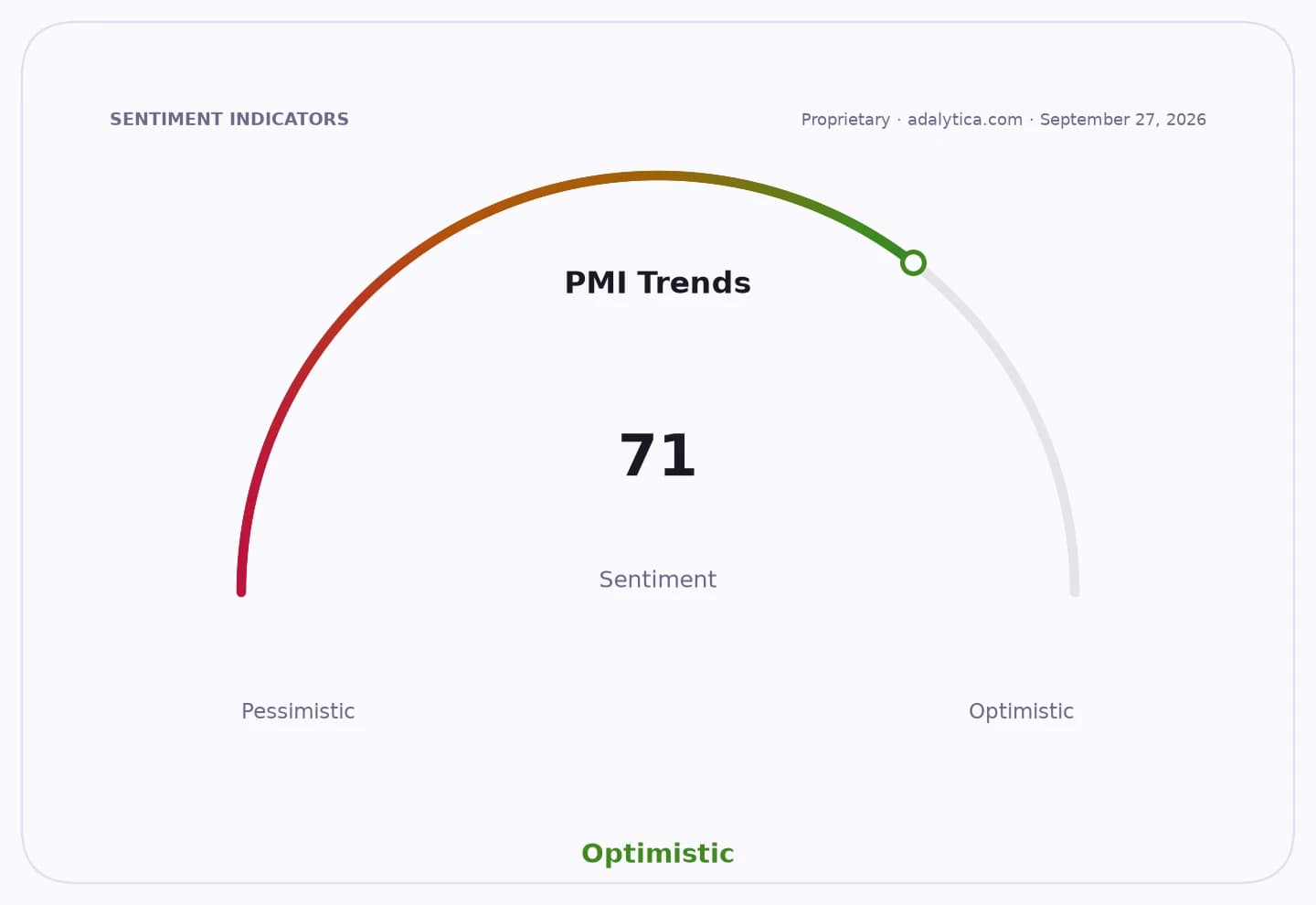
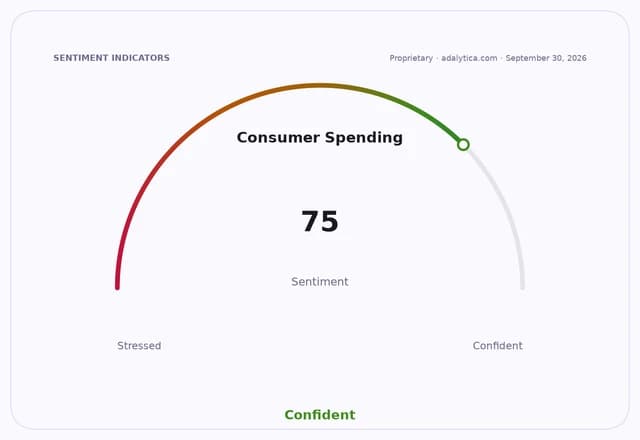
Sentiment IndicatorsⓘProprietary · adalytica.com · September 30, 2026
This is a snapshot — live sentiment, awareness and momentum for 130+ markets update continuously in the dashboard.Open AlphaPulse
For investors, the upgrade matters because it confirms that Thailand is benefiting from a narrow but real industrial upswing tied to global demand for semiconductors, electronics and related components. The same export theme has been a critical support for manufacturing-heavy Asian economies, and it can help underpin factory output, trade balances and corporate earnings in the short run. That supports selected exporters, industrial suppliers and logistics firms, while leaving consumer-facing parts of the economy more exposed to weak household balance sheets.
The ADB’s caution on household debt is the more important medium-term warning. Thailand’s recovery is still constrained by a consumer sector that has limited room to spend, a problem that reduces the transmission from export growth into domestic consumption. Even though debt levels have eased, incomes have not kept pace, and access to credit remains uneven for households and small businesses. That means growth may continue to be concentrated in a few higher-value sectors rather than spread across the broader economy, limiting any improvement in wages, hiring and services demand.
ADB also flagged El Niño as a growing risk, especially from mid-2027 onward, when drought could hit agriculture and parts of manufacturing. That matters economically because Thailand is still vulnerable to climate shocks that can lift food prices, pressure inflation and squeeze rural incomes. If the weather event materializes with the expected intensity, it could complicate fiscal planning and force policymakers to support growth just as public finances are already being stretched by debt-servicing needs and prior stimulus measures.
The report points to a familiar Thai policy dilemma. Government measures have helped cushion purchasing power, but ADB said recent support packages have had limited impact on overall growth because they have leaned toward consumption rather than investment. The bank’s message is that Thailand needs more than short-term demand support: it needs deeper supply-chain localization, worker upskilling, technology transfer and better financing for local firms if it wants the current wave of foreign investment to generate larger domestic spillovers.
That makes the outlook for the baht, Thai equities and local credit a story of two speeds. Export-linked sectors can keep outperforming if the global electronics cycle holds, but the broader market still depends on whether domestic demand can recover without fresh leverage. For now, the ADB’s revised forecast suggests Thailand is moving in the right direction, but not fast enough to escape the structural drag from debt, weak income growth and weather risk.
| Entity | Gains | Losses |
|---|---|---|
| Thailand tech exporters | ▲Higher demand | ▼Cyclical slowdown |
| Electronics investors | ▲Better earnings outlook | ▼Late-cycle risk |
| Thai households | ▲Near-term support measures | ▼Heavy debt burden |
| Agriculture and rural sectors | ▲None | ▼El Niño drought risk |