Thailand’s policymakers are moving to contain a debt problem that could worsen quickly if higher fuel costs from Middle East tensions feed into living expenses and push more households toward informal borrowing.
Thailand policymakers address household debt risks
The warning matters because Thailand is already one of Asia’s most indebted households, and another round of price pressure would hit the borrowers most exposed to food, transport and utility costs. That is the part of the economy most likely to fracture first: when formal credit tightens or becomes too expensive, families often turn to unregulated lenders, deepening repayment stress and raising the risk of a broader consumer slowdown.
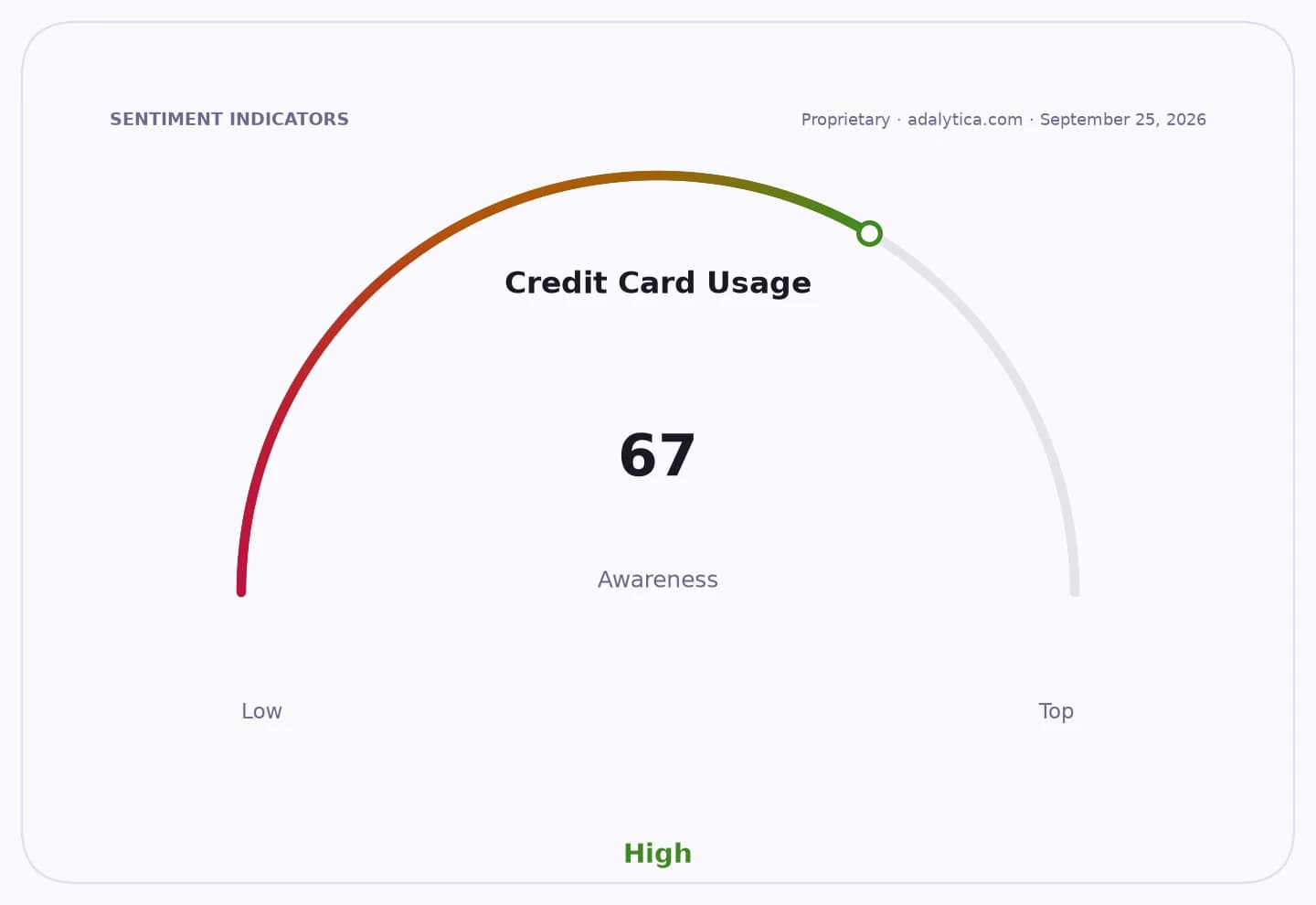
Sentiment IndicatorsⓘProprietary · adalytica.com · September 25, 2026
This is a snapshot — live sentiment, awareness and momentum for 130+ markets update continuously in the dashboard.Open AlphaPulse
The committee meeting, with Chatchawall joining the discussion on debt solutions, underscores how authorities are linking geopolitical risk to domestic financial stability. The concern is not just headline inflation. It is the second-order effect of a renewed jump in energy costs on disposable income, debt service and credit quality. Thailand imports much of its fuel, so a rally in oil typically feeds through to transport and logistics costs before showing up in food and retail prices.
That’s relevant for investors because household deleveraging or distress can weigh on banks, consumer lenders and retail spending, even when the direct shock comes from abroad. The sector backdrop is already mixed: Thai consumer-related assets have been stabilizing but remain vulnerable to any deterioration in repayment capacity. By contrast, markets tied to consumption in China and the region have been more volatile, with investors watching whether weaker spending patterns spill across borders.
The broader macro signal is that policy makers are treating debt not as a narrow banking issue but as a household balance-sheet problem that can be aggravated by imported inflation. Conventional market indicators on U.S. oil and Treasury yields show why the concern is credible: crude prices remain elevated enough to threaten another squeeze on real incomes, while higher global rates keep borrowing costs sticky. In Thailand, that combination can be especially damaging because it leaves borrowers facing both higher day-to-day costs and limited refinancing room.
For investors, the key question is whether the government can steer vulnerable households back into formal credit channels before arrears rise. If it cannot, the downside is not just more bad debt but a larger shadow-credit market that is harder to regulate and more likely to amplify a downturn. Any measures announced after the committee meeting will be watched for whether they focus on debt restructuring, targeted subsidies or lower-cost lending for the most exposed borrowers.
| Entity | Gains | Losses |
|---|---|---|
| Thai households with formal credit access | ▲Lower debt stress | ▼Higher living costs |
| Informal lenders | ▲More demand for borrowing | ▼Regulatory scrutiny |
| Thai banks and consumer lenders | ▲Potential policy support | ▼Rising credit risk |
| Energy importers and consumers | ▲Short-term hedge benefits if prices ease | ▼Fuel-driven inflation pressure |