Thai equities are entering a tougher phase as rising U.S. interest rates, firmer oil prices and heavier household debt tighten financial conditions for an economy that relies on imported energy and consumer spending.
Thailand stocks face pressure from rates and oil

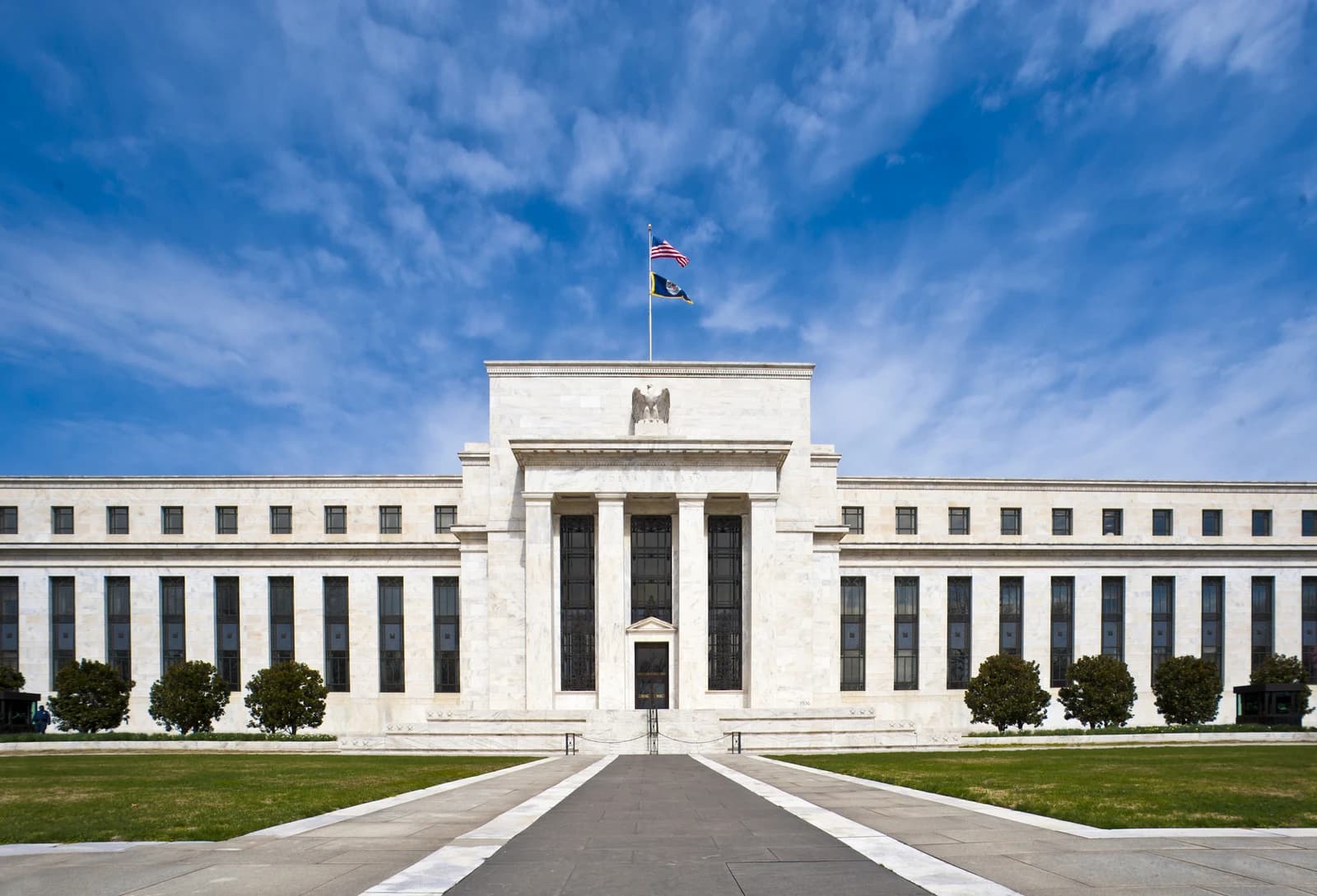
The backdrop is increasingly hostile for risk assets. The federal funds rate is now at 3.63%, with markets looking for only a marginal move to 3.626% next month, while the U.S. 10-year Treasury yield sits near 4.95%. At the same time, WTI crude is trading around $94.13 a barrel in the latest forecast, keeping pressure on fuel costs and inflation expectations.
Sentiment IndicatorsⓘProprietary · adalytica.com · September 24, 2026
This is a snapshot — live sentiment, awareness and momentum for 130+ markets update continuously in the dashboard.Open AlphaPulse

That mix matters most for Thailand because higher oil prices hit the trade balance and household budgets, while higher global yields raise the discount rate on equities and make capital outflows more likely from emerging markets. For investors, that means the main question is not whether Thai stocks can rally, but whether earnings can keep pace with tighter money and more expensive imports.
The iShares MSCI Thailand ETF, EWT, closed at $112.50 on Sept. 23 after touching $115.64 two days earlier, leaving it above both its 50-day moving average of $104.51 and its 200-day average of $86.67. The technical setup still looks constructive, but the ETF has also become more volatile, with RSI easing to 55.5 from 66.1 and MACD momentum flattening.
The iShares MSCI Thailand ETF, THD, is tracking more cautiously. It ended at $73.31 on Sept. 23, just above its 50-day moving average of $73.06 and well above its 200-day level of $68.12, suggesting the broader trend remains intact but without much cushion if macro pressure intensifies.
Adalytica’s S&P 500 signals show extreme greed in U.S. stocks, while Treasury bond signals show extreme greed but extreme fear on awareness, a combination that often accompanies a search for yield and a crowded equity trade. For Thai assets, that leaves limited room for disappointment if the Fed stays restrictive longer or oil pushes higher again.
The next catalyst is the Fed path and any fresh move in crude prices. If U.S. yields keep climbing and oil stays near current levels, Thai banks, consumers and import-dependent sectors are likely to face the most pressure, while exporters and firms with pricing power should fare better.
| Entity | Gains | Losses |
|---|---|---|
| Thai exporters | ▲Stronger external demand buffer | ▼Softer domestic growth |
| Thai consumers | ▲— | ▼Higher fuel and debt-service costs |
| EWT/THD bulls | ▲Uptrend remains intact | ▼Higher volatility if rates rise |
| Oil producers | ▲Higher crude prices | ▼Thai importers and airlines |