Thailand’s household debt burden has climbed to its highest level in 17 years, and that matters because it is now doing more than just weighing on families — it is acting as a drag on consumer spending, liquidity and the country’s broader recovery.
Thailand household debt hits 17-year high
A new survey from the University of the Thai Chamber of Commerce shows average debt per household rose 7.3% from a year earlier to 794,945 baht, the heaviest load since the school began tracking the data in 2009. Monthly repayments also jumped 8.1% to 21,935 baht, leaving many borrowers with little room to absorb shocks from weaker income, higher living costs and energy prices.
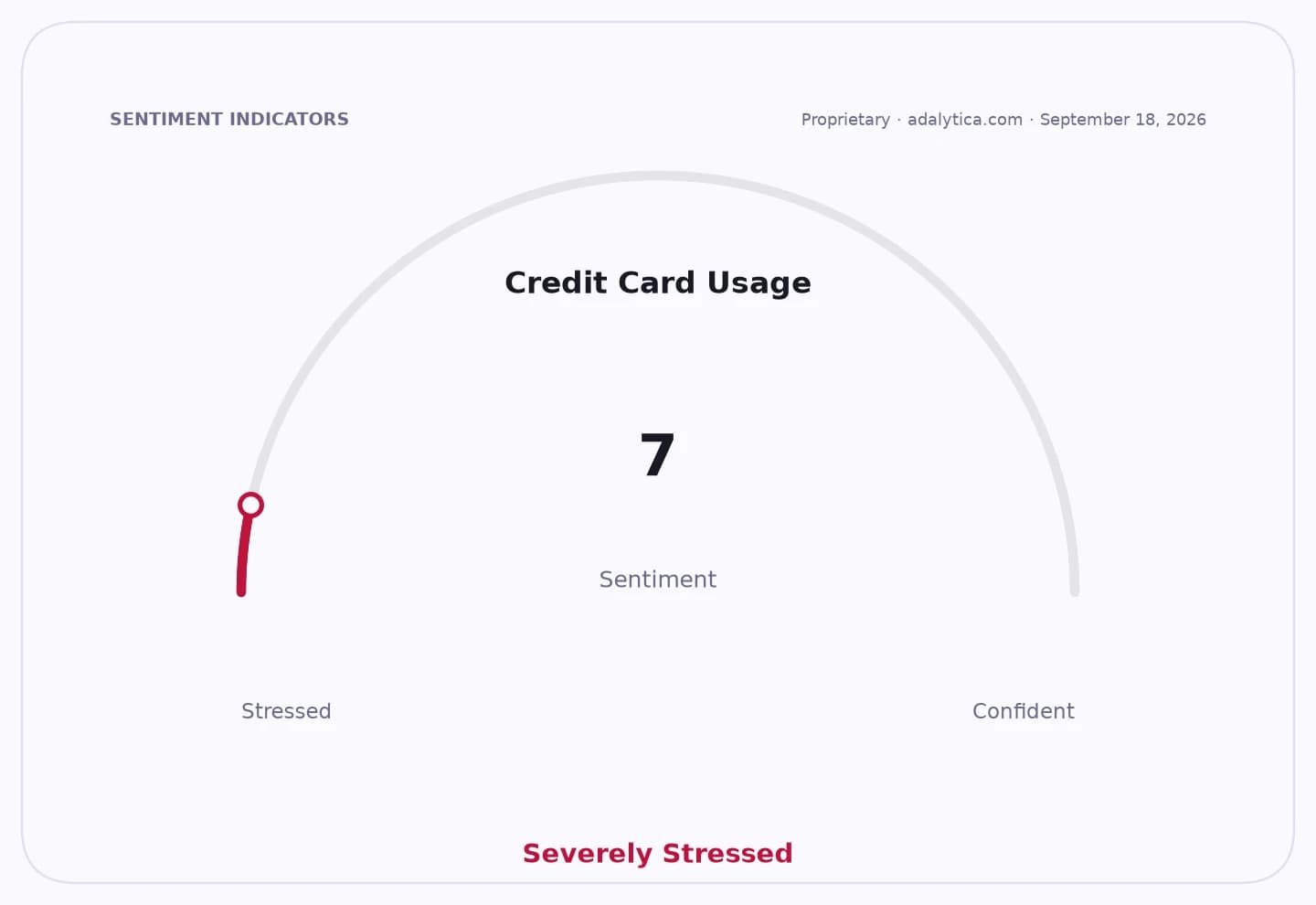
Sentiment IndicatorsⓘProprietary · adalytica.com · September 18, 2026
This is a snapshot — live sentiment, awareness and momentum for 130+ markets update continuously in the dashboard.Open AlphaPulse
For investors, the message is straightforward: Thailand’s consumer sector is not getting the clean rebound that a low-interest, post-pandemic normalization story might have promised. Debt stress tends to show up first in discretionary spending, then in loan quality, and only later in the headline GDP numbers. When more than half of people age 30 and above already carry debt, and even retirees in their 70s still owe about 300,000 baht on average, the economy’s consumption engine becomes harder to restart.
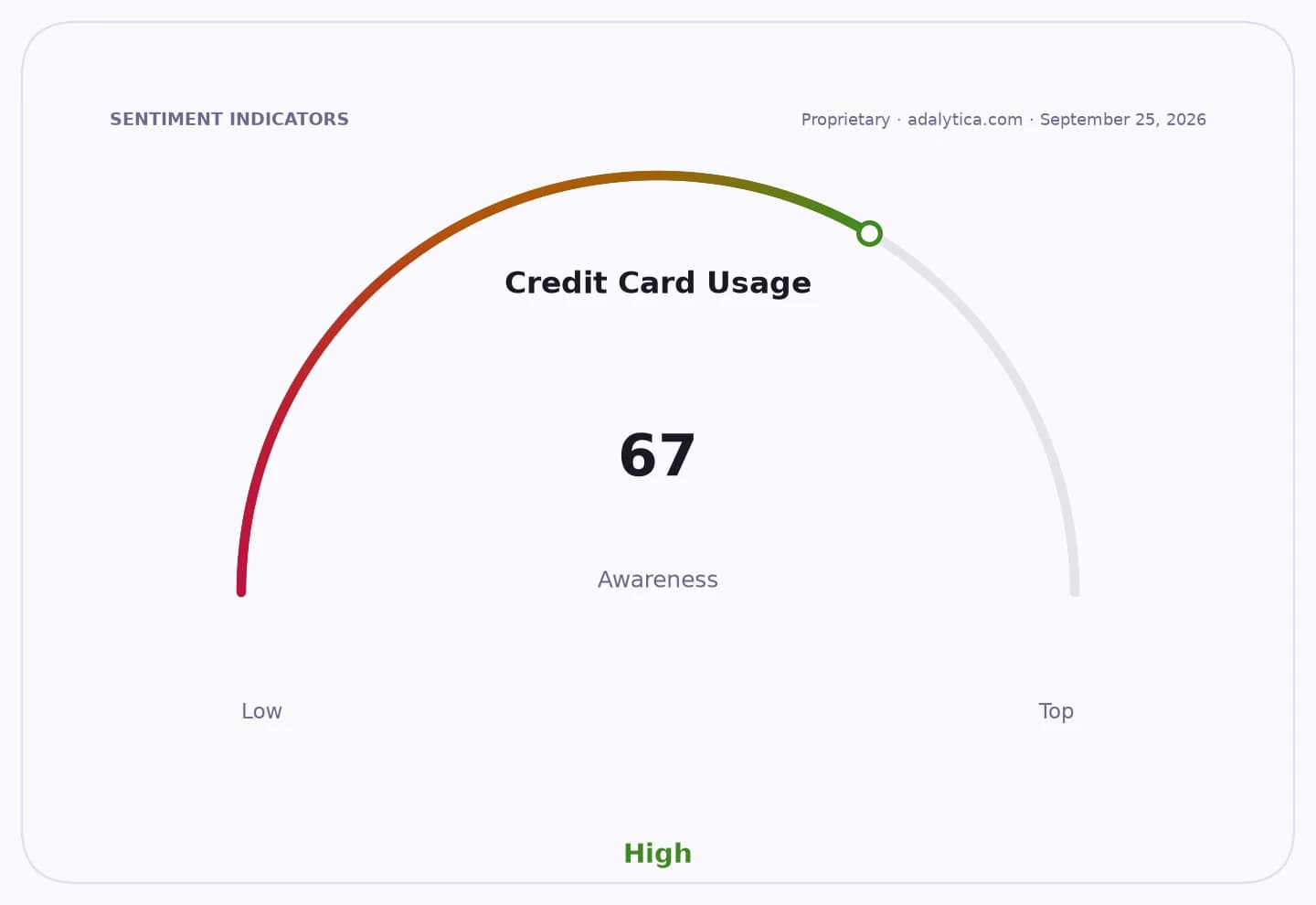
The survey also points to a troubling shift in the type of debt households are carrying. Credit-card balances accounted for 55.1% of respondents, personal loans for 45.8%, and buy-now-pay-later borrowing climbed to 14.2% from 6.2% a year earlier. That suggests many households are not borrowing for growth or wealth creation, but to keep day-to-day spending going and roll over old obligations. In other words, debt is increasingly a bridge to the next paycheck rather than a path to higher productivity.
That is why the debt-to-GDP ratio can fall even while financial strain worsens. University of the Thai Chamber of Commerce expects the ratio to ease to about 84% by year-end as nominal GDP improves, but that does not mean balance sheets are healthy. The average household debt figure, the monthly installment burden and the share of people who have already missed payments all point to a fragile consumer base. More than two-thirds of respondents said they had faced a missed payment in the past year, and only 14.4% said they could save as planned for retirement.
The long-term implication is that Thailand needs income growth, not just debt management. Wage increases, better financial education, stronger social security and serious restructuring programs will matter more than temporary stimulus if policymakers want a durable fix. The economy may still get support from tourism, agriculture and exports, but households cannot compound wealth if most of their cash flow is tied up servicing old debt.
For investors, that means patience and selectivity. Companies tied to essential spending, debt restructuring and financial services may prove more resilient than those dependent on broad-based consumer appetite. But until household leverage starts falling in a meaningful way — not just as a ratio, but in actual burden — Thailand’s consumer recovery is likely to stay uneven. This is a story worth watching for the next several years, not just the next quarter.
| Entity | Gains | Losses |
|---|---|---|
| Thai policymakers | ▲Pressure to act | ▼Credibility if debt stays high |
| Lenders and card issuers | ▲Interest income, fee revenue | ▼Higher delinquency risk |
| Essential retailers | ▲Steady demand | ▼Discretionary sellers |
| Thai households | ▲Debt relief if restructuring expands | ▼Spending power, savings, retirement security |