Thailand’s student loan system is running into a funding crunch that could shut students out of financing unless the government moves quickly to plug a 7 billion baht shortfall and improve collections from defaulters.
Thailand Student Loan Fund Faces 7 Billion Baht Gap
The warning matters because the Student Loan Fund is a key backstop for lower-income families trying to keep children in school. If the fund cannot disburse reliably, universities can be left waiting for tuition payments and students can be blocked from continuing their studies, turning a budget problem into a broader economic and social one.
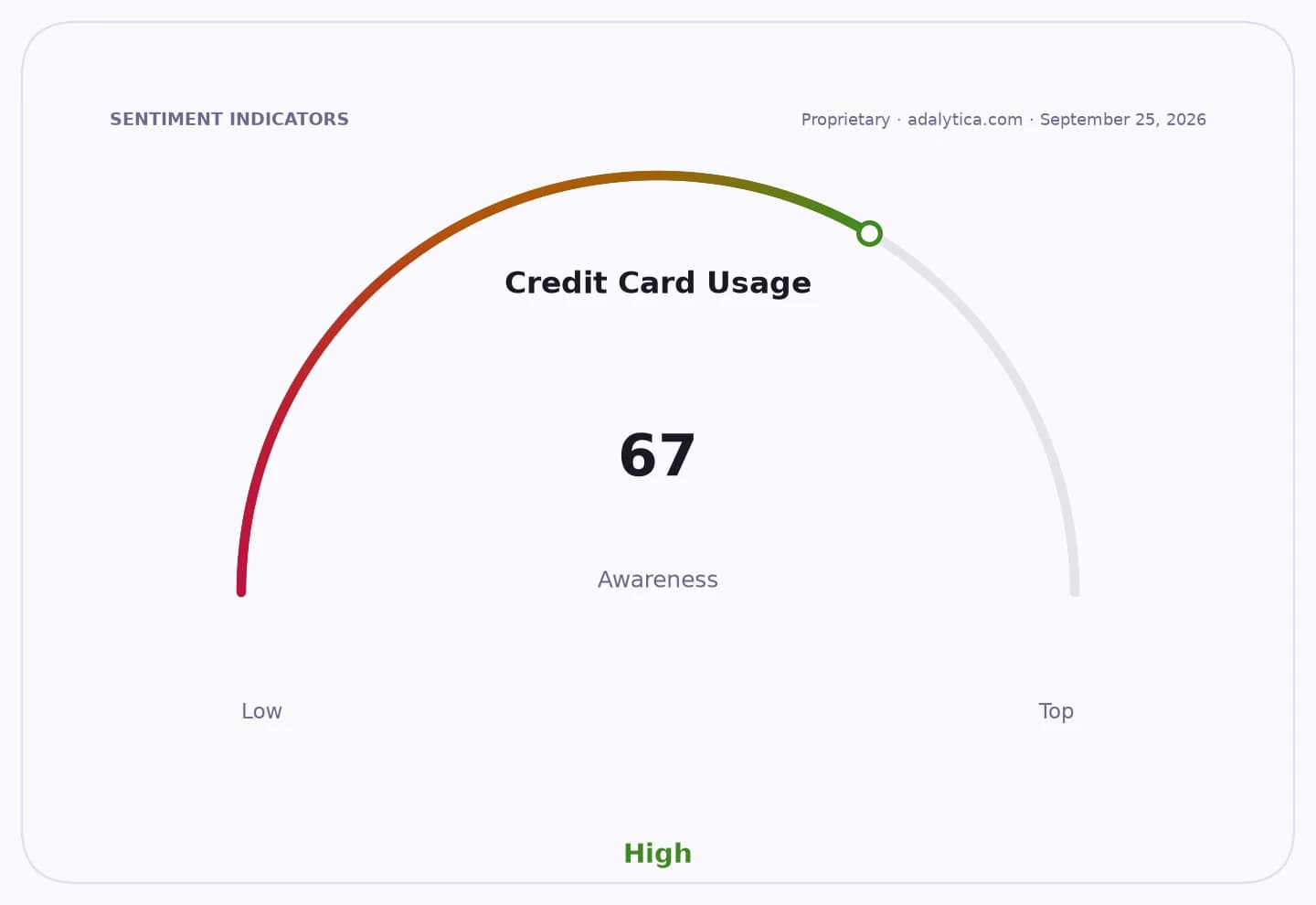
Sentiment IndicatorsⓘProprietary · adalytica.com · September 18, 2026
This is a snapshot — live sentiment, awareness and momentum for 130+ markets update continuously in the dashboard.Open AlphaPulse
Opposition lawmaker Rukchanok Srinork said the fund is now “negative” by about 7 billion baht, raising fears that some students may not receive their loans after enrollment. That risk is especially sensitive at the start of the academic year, when students need certainty on tuition funding and universities need cash flow to keep classes moving.
The government’s response points to a deeper structural issue: repayment. Paradorn Prisananantakul said 3.6 million borrowers are in the system, but only about 1 million are actually repaying, leaving 2.6 million in default. His argument is that the fund should focus on collecting from borrowers who have income but are not paying, rather than relying on endless budget injections.
That is the crux for investors and policymakers alike. A revolving fund only works if cash comes back in at a pace that supports new lending. If collections stall, the state has to choose between larger fiscal transfers or tighter lending rules. Either path has economic consequences: higher public spending pressure, or reduced access to education and, over time, a weaker labor-force pipeline.
The politics are just as important as the accounting. Rukchanok argued the government has not done enough to secure the fund, while officials say the rules are being tightened for new borrowers and that existing students should not be cut off. That suggests a likely middle ground: tougher enforcement on current defaulters, not a full retreat from student lending.
For investors, the story is a reminder that rising household debt stress can spill into policy quickly. In markets tied to consumer credit and education finance, sustained collection discipline is the difference between a manageable revolving book and a recurring funding gap. If Thailand restores inflows to the fund, it preserves access to education and eases pressure on the budget. If it does not, the shortfall will keep resurfacing — and the government will be forced to choose who gets financed and who gets left behind.
The best read-through is straightforward: this is not just a student aid problem, it is a cash-recycling problem. The fund’s survival depends on collections, and the political pressure to keep students enrolled means the government will eventually have to act. The opportunity lies in any policy that improves repayment discipline without choking off access to higher education.
| Entity | Gains | Losses |
|---|---|---|
| Government | ▲More repayment discipline | ▼Fiscal pressure if it bails out fund |
| Current defaulters | ▲Delay enforcement | ▼Higher collection risk |
| New students | ▲Continued loan access if fund is stabilized | ▼Risk of disrupted tuition funding |
| Universities | ▲More predictable fee payments | ▼Cash-flow strain if disbursements lag |