Chuseok traffic turned Korea’s highway rest areas into a clear beneficiary of holiday travel last year, with card spending jumping 175% from pre-holiday levels and late-night sales surging as much as fourfold.
Korea Chuseok highway rest area spending jumps 175%
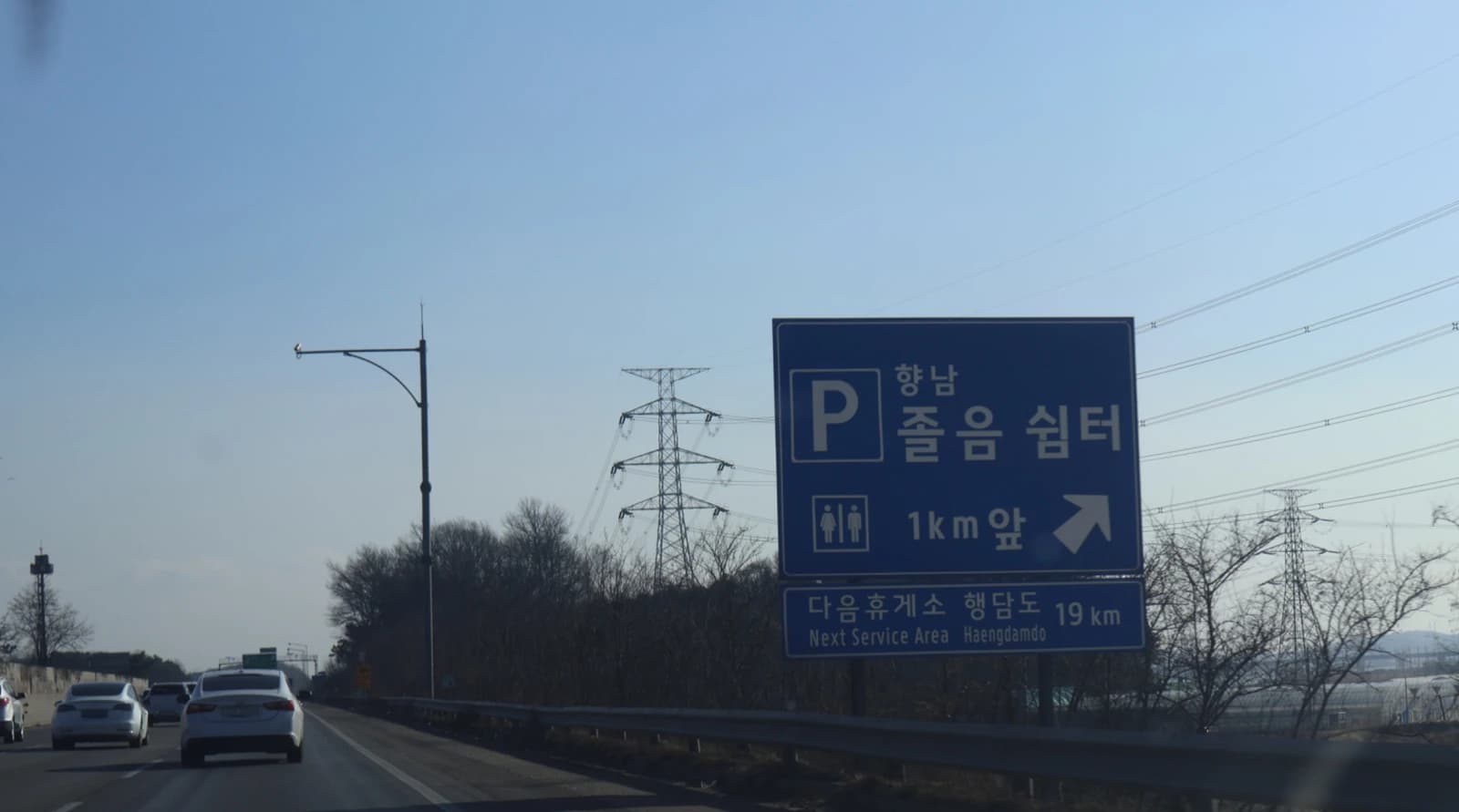
The numbers matter because they show how Korea’s biggest family holiday can quickly translate into concentrated consumer demand for convenience food, snacks and fuel-stop purchases, even in an environment where broader household spending has been uneven. For operators, the holiday spike is not just a one-off traffic boost: it is a test of pricing power, staffing capacity and inventory management at a time when consumers are more willing to spend on small-ticket items during travel than on discretionary goods at home.
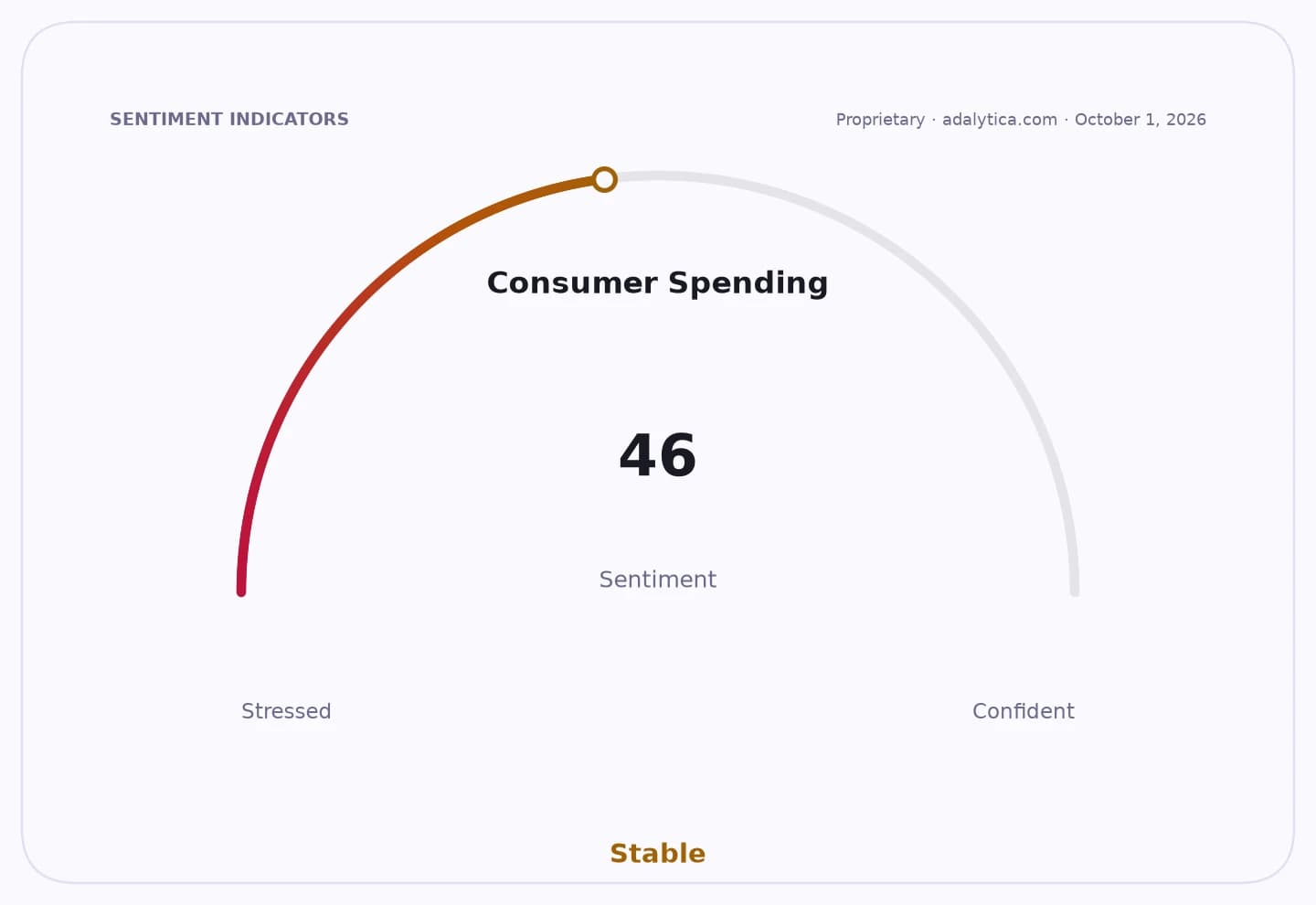
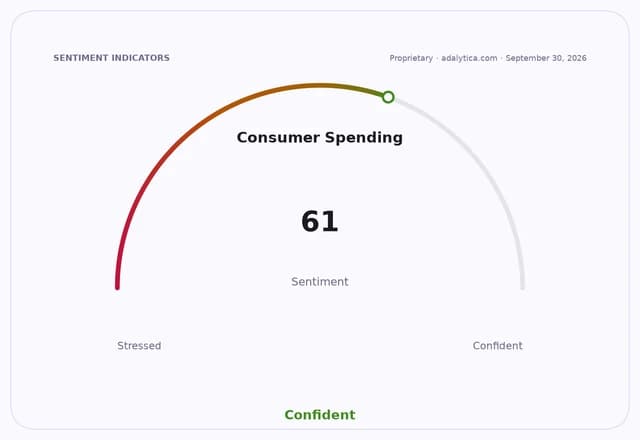
Sentiment IndicatorsⓘProprietary · adalytica.com · September 30, 2026
This is a snapshot — live sentiment, awareness and momentum for 130+ markets update continuously in the dashboard.Open AlphaPulse
KB Kookmin Card said people spent about 17,595 won, or roughly 18,000 won, per person at its highway rest-area merchants over the Chuseok period, making last year the strongest since 2022 on both per-capita spending and the number of transactions. Each customer made an average 1.9 payments during the holiday week, underscoring how rest areas capture repeat purchases from the same traveler rather than single large baskets.
The spending pattern was heavily front-loaded around the peak of the holiday journey. Sales rose 112% on the first day of the break versus the previous two-week daily average, then accelerated to 150% on day two and 200% on day three, before peaking at 271% on Chuseok itself. The surge then faded as travelers returned home, falling to 86% by the final day.
The most important takeaway for businesses is the late-night surge. On Chuseok night, sales between 9 p.m. and 10 p.m. jumped 401% from the same period before the holiday, with 10 p.m. to 11 p.m. up 396% and 11 p.m. to midnight up 361%. The following midnight to 1 a.m. slot rose 439%, before elevated demand persisted into the early morning. That is a powerful reminder that holiday retail is not only about total footfall but also about the timing of traffic, which determines labor costs, stock replenishment and peak-hour margins.
Younger and middle-aged consumers drove the biggest increases, with spending growth highest among people in their 40s at 281%, followed by those in their 30s at 194% and in their 50s at 180%. The pattern suggests families traveling with children and multiple generations were the biggest contributors, which is important because it points to a spending mix centered on road-trip essentials rather than pure leisure consumption.
For investors, the story is a micro read-through on consumer resilience and travel-related retail demand. Convenience-focused operators, food service vendors and card networks can all benefit from holiday traffic spikes, while broader retail names may not see the same uplift unless they are directly tied to travel, impulse purchases or budget-conscious family outings. That contrast is consistent with the current consumer backdrop: people may be cautious on big-ticket spending, but they still spend on small, practical purchases when holiday logistics require it.
The next test is whether this year’s Chuseok traffic can sustain the same intensity, especially if household budgets remain tight or travel patterns shift. But last year’s data show that Korea’s holiday mobility still produces a strong, time-sensitive burst of consumption — one that retailers and payment companies can monetize if they can handle the rush.
| Entity | Gains | Losses |
|---|---|---|
| Highway rest-area operators | ▲Higher traffic and ticket sizes | ▼Staffing and inventory strain |
| Convenience food and snack sellers | ▲Impulse purchases surge | ▼Margin pressure from peak demand |
| Card issuers and payment networks | ▲More transactions and volume | ▼Little downside if spending cools |
| Non-travel discretionary retailers | ▲Limited benefit | ▼Miss out on holiday spending shift |