Americans may be pessimistic about the economy, but they are still spending on little luxuries — and that gap between mood and behavior is creating one of the clearest consumer-trade opportunities of the year.
Amazon McDonald's Target Gain on Treat Spending
The rise of so-called “treatonomics” is more than a social-media catchphrase. It is the latest version of the lipstick effect: when households feel squeezed, they cut back on big-ticket indulgences but keep buying affordable pick-me-ups that deliver an immediate emotional return. That matters because consumer demand is not collapsing evenly. It is rotating toward convenience, low-commitment treats and value-driven splurges, a pattern that supports a narrow group of retailers and food chains even as confidence weakens.
The macro backdrop is still strained. A Pew survey found only 24% of Americans rate current economic conditions as good or excellent, while 35% call them poor. Gallup says 55% believe their finances are getting worse. Yet Bank of America’s 2026 study found 92% of Gen Z regularly treat themselves, with more than half doing so weekly or more. Across all ages, more than half of those who indulge say they spend more than intended at least occasionally, a reminder that small-ticket purchases can compound into meaningful wallet share.
That is why the investment case is not in the headline mood, but in the merchants that capture the micro-spend. Amazon sits at the center of this habit economy, whether the purchase is a $9 latte accessory, high-end lip gloss or a quick convenience buy delivered to the door. Its shares have remained volatile, but the stock still trades above its 200-day moving average, and technical readings show the kind of pullbacks that long-term investors often use to accumulate exposure to secular retail share gains. In a period of uncertainty, frictionless purchasing wins.
McDonald’s is another obvious beneficiary. When consumers want a cheap treat rather than a full dining out experience, fast food becomes a substitute for pricier leisure. That helps explain why the chain has held investor attention even as the broader consumer environment softens. The stock’s long-term trend remains intact despite recent volatility, underscoring the market’s willingness to pay for brands that can monetize small indulgences, not just essential meals.
Target offers a different angle on the same trade. Beauty, home fragrance, candles and other affordable “feel-good” buys are exactly the kind of basket mix that can turn cautious shoppers into recurring customers. The retailer’s rally this year showed how quickly investors can re-rate chains tied to discretionary but inexpensive purchases when demand surprises to the upside. Even after recent giveback, the stock remains far above its longer-term levels, showing that the market still sees room for a treat-driven basket recovery.
The bigger point is that treatonomics is not a sign of consumer strength. It is a sign of consumer stress being expressed through spending. That distinction matters for investors. In a weak-confidence environment, the winners are not the companies selling luxury excess or large-ticket discretionary goods; they are the platforms and brands that monetize tiny acts of self-comfort, repeated often enough to matter.
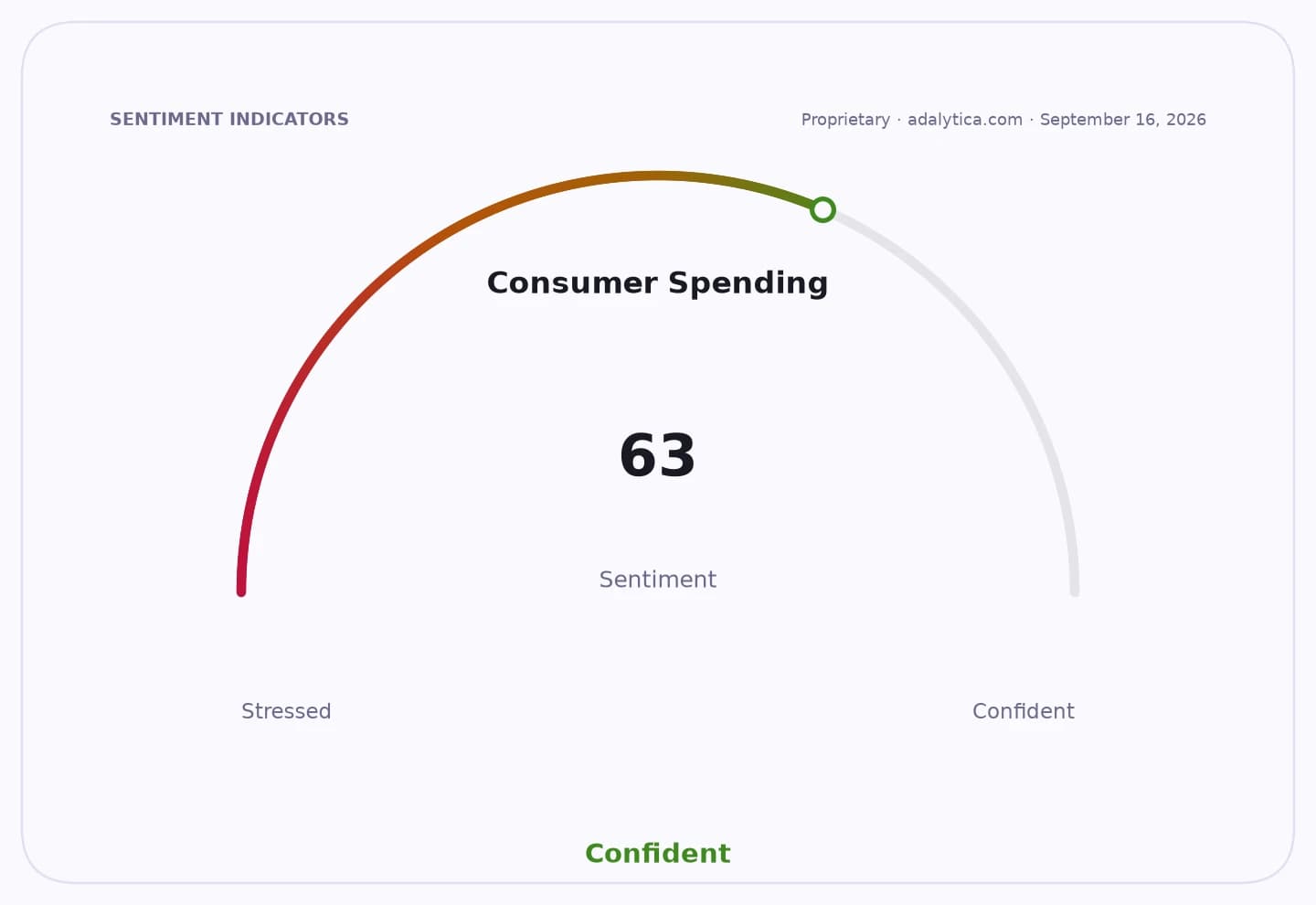
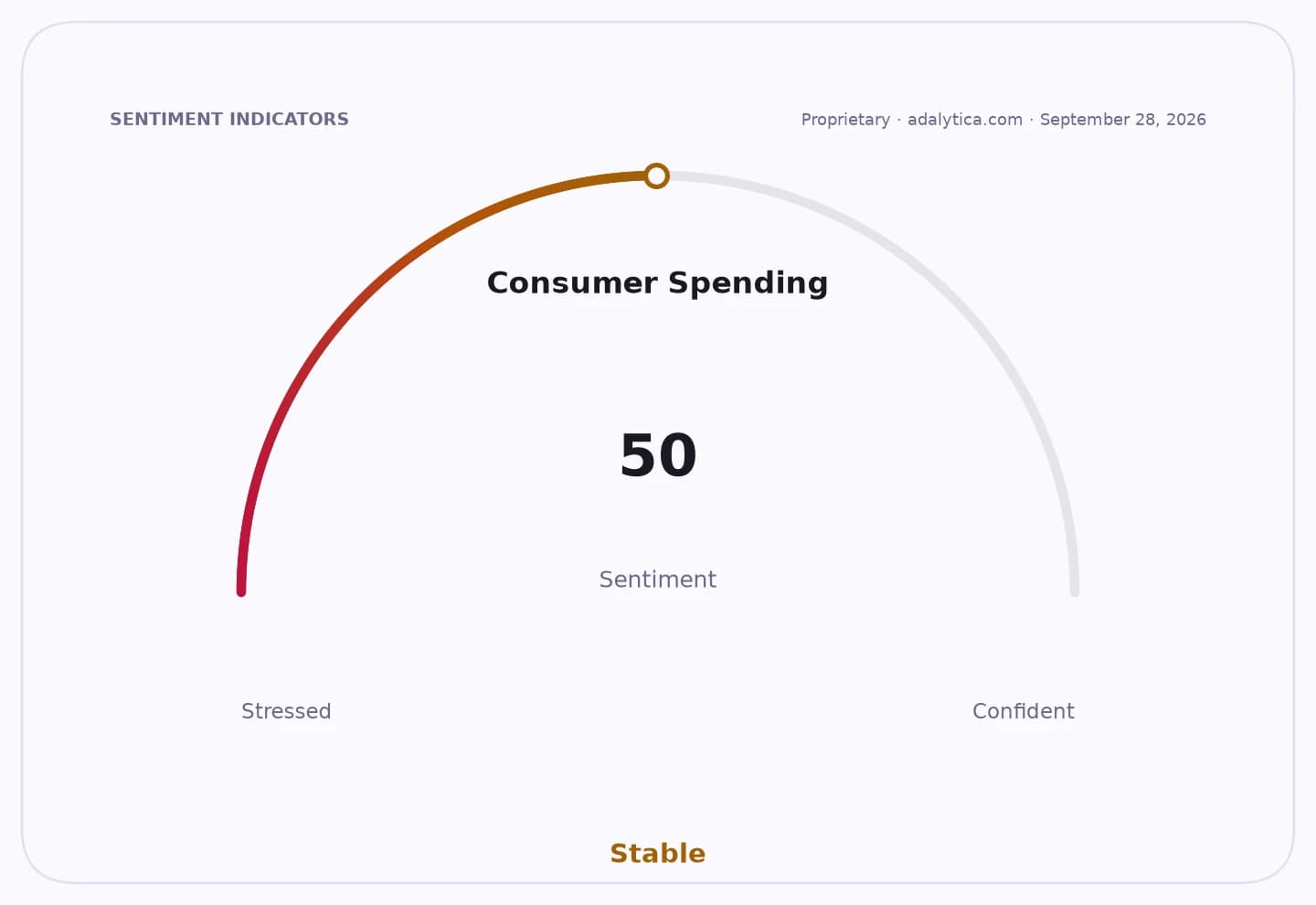
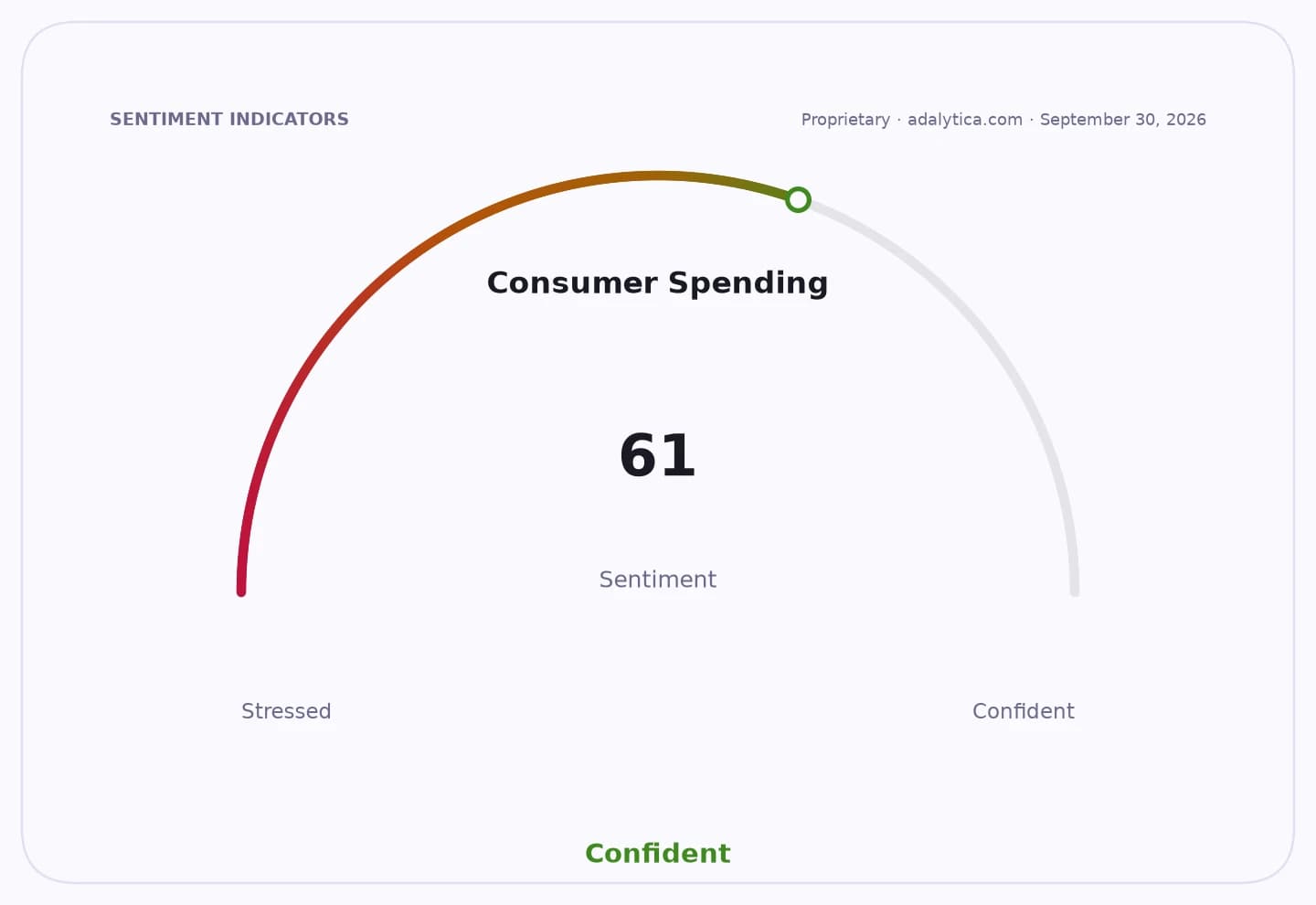
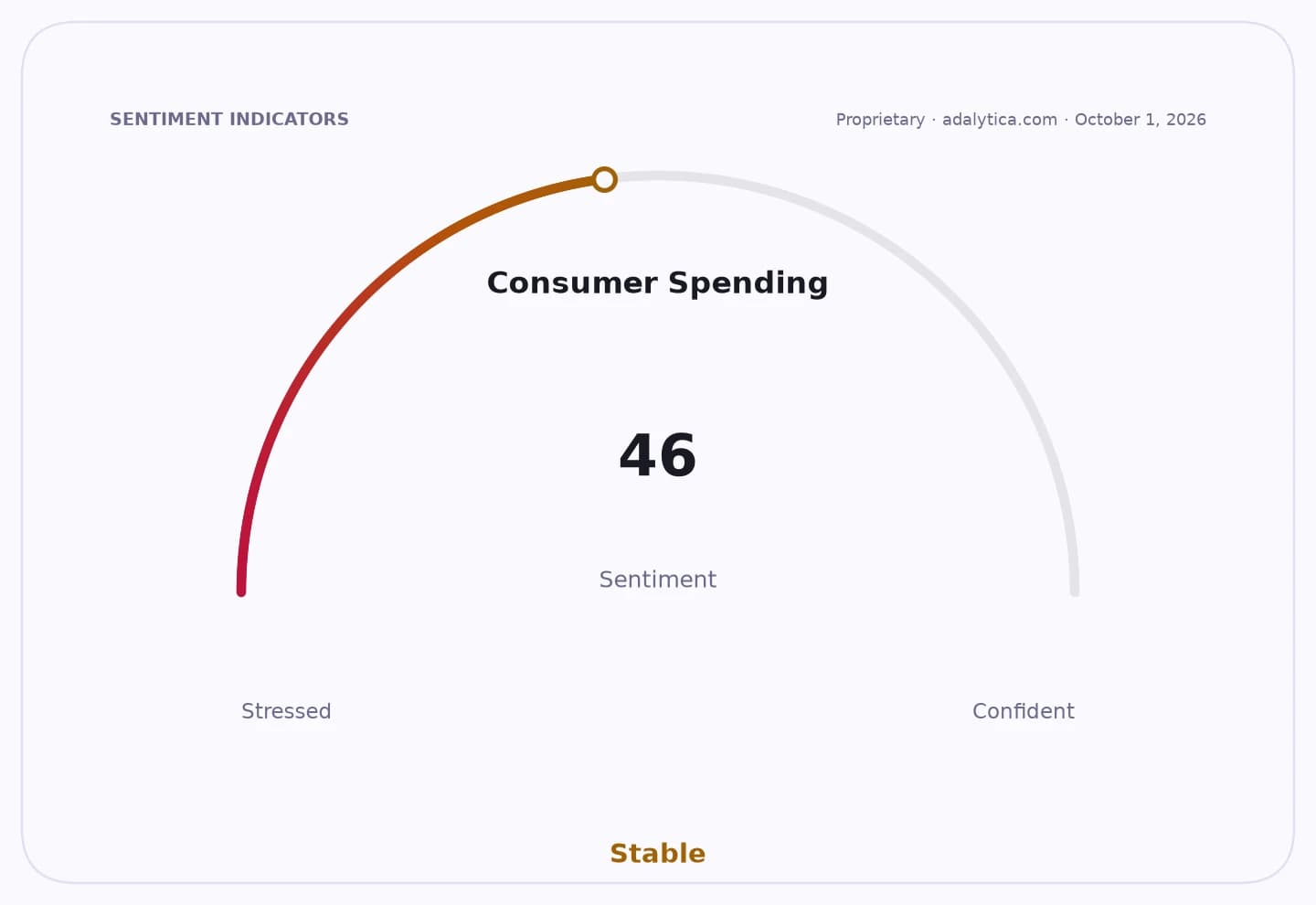
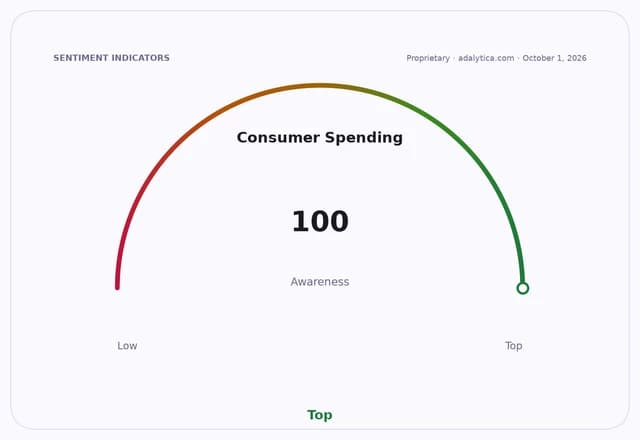
Adalytica’s Consumer Spending Sentiment gauge shows that awareness around spending is running hot even as sentiment has slipped back to neutral, a combination that often precedes selective, not broad-based, consumer outlays. Meanwhile, the S&P 500 trade-signal snapshot shows extreme fear in the broader market, which is exactly when investors should be hunting for idiosyncratic consumer winners rather than making a blanket bearish call.
Our thesis is simple: if Americans insist on treating themselves through uncertainty, capital should follow the behavior, not the mood. The asymmetric opportunity is in the toll roads of modern consumption — Amazon for convenience, McDonald’s for affordable indulgence, and Target for small-format discretionary baskets. In a shaky economy, the best trade may be the one that sells comfort by the cup, the click and the checkout lane.
| Entity | Gains | Losses |
|---|---|---|
| Amazon | ▲convenience spending | ▼big-ticket retailers |
| McDonald’s | ▲affordable indulgence traffic | ▼casual dining chains |
| Target | ▲beauty and home treat baskets | ▼luxury discretionary brands |
| Cautious consumers | ▲short-term mood boost | ▼long-term budgets |