Households are stretching food budgets by buying ingredients that can power several meals, a sign that persistent grocery inflation is changing not just what Americans spend, but how they shop.
U.S. shoppers buy more versatile grocery staples
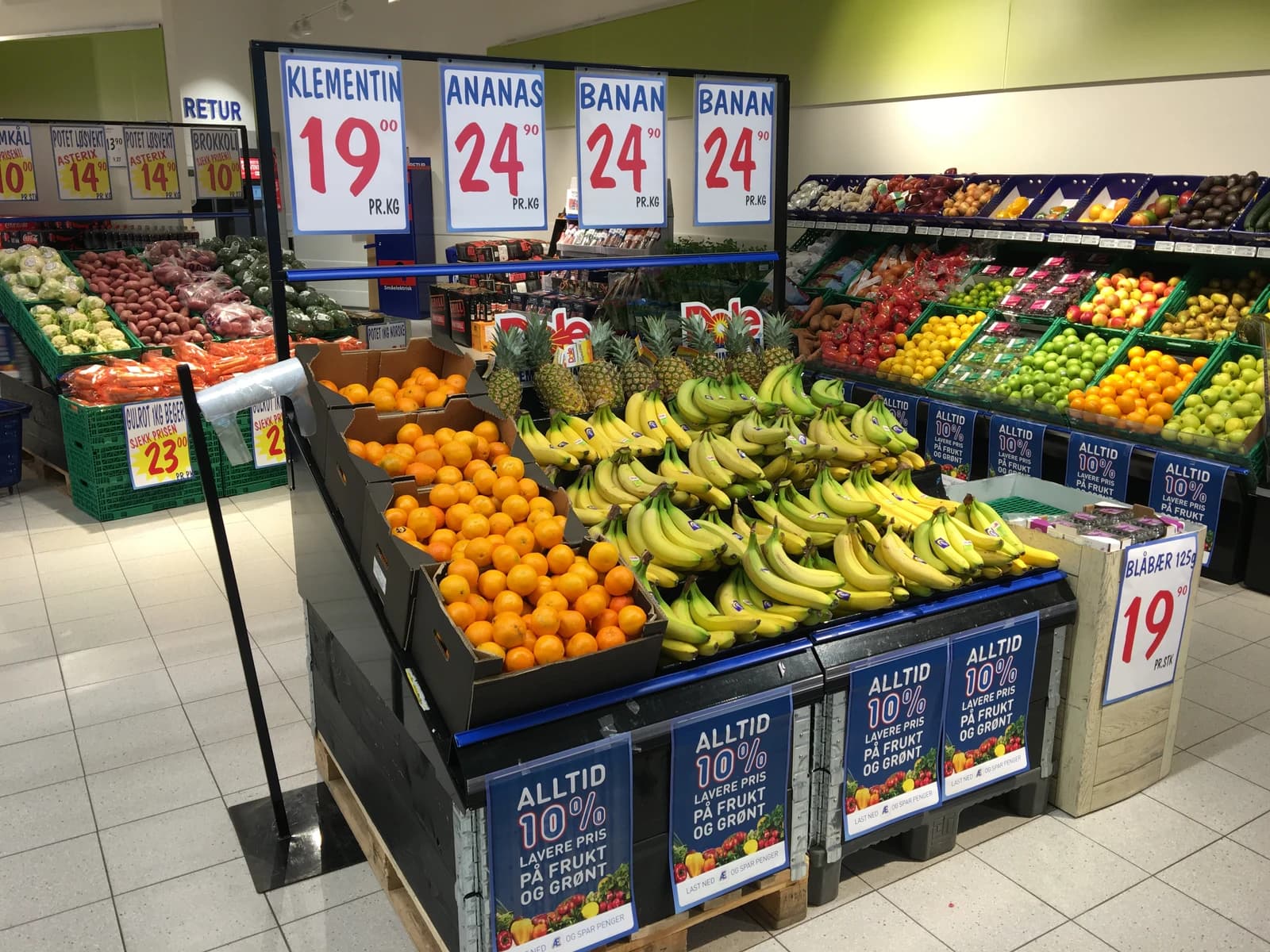
The clearest shift is toward multipurpose staples — chicken, eggs, potatoes, rice, beans, frozen produce and yogurt — that can be reused across breakfast, lunch and dinner. That matters because it reduces the per-meal cost of groceries at a time when food remains one of the most visible pressures on household finances, even as inflation has cooled from its peaks. It also cuts waste, which is effectively a hidden tax on shoppers who buy items for one recipe and throw the rest away.
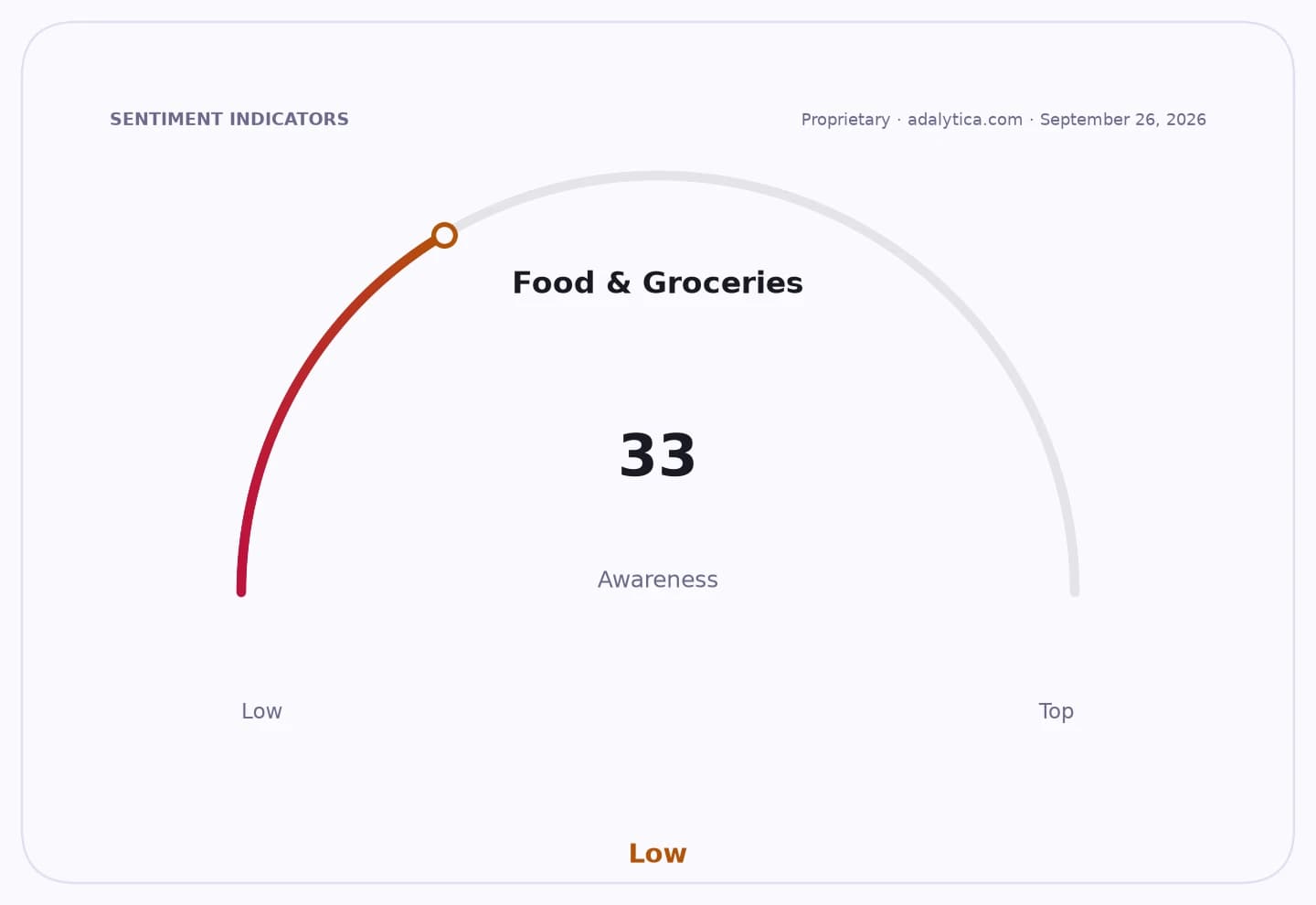
Sentiment IndicatorsⓘProprietary · adalytica.com · September 28, 2026
This is a snapshot — live sentiment, awareness and momentum for 130+ markets update continuously in the dashboard.Open AlphaPulse
That behavior is showing up in survey data. A Talker Research and Idaho Potato Commission poll found 60% of shoppers are building meal plans around ingredient overlap, while 63% said a single ingredient’s ability to work across multiple meals is an essential or strong factor in whether it stays in their cart. For retailers and packaged-food suppliers, that points to a consumer who is still spending, but doing so more deliberately and with less room for premium, single-use purchases.
The economic backdrop explains the appeal. Consumer prices remain much higher than they were a few years ago, and food costs have been especially sticky. U.S. consumer prices have risen to 334.1 on the CPI index in August from 333.0 in May, while producer prices in food and grocery categories have also moved higher over time, reinforcing the squeeze on household budgets. Even if some items like eggs have eased from earlier spikes, the broader basket still leaves shoppers focused on value, volume and flexibility.
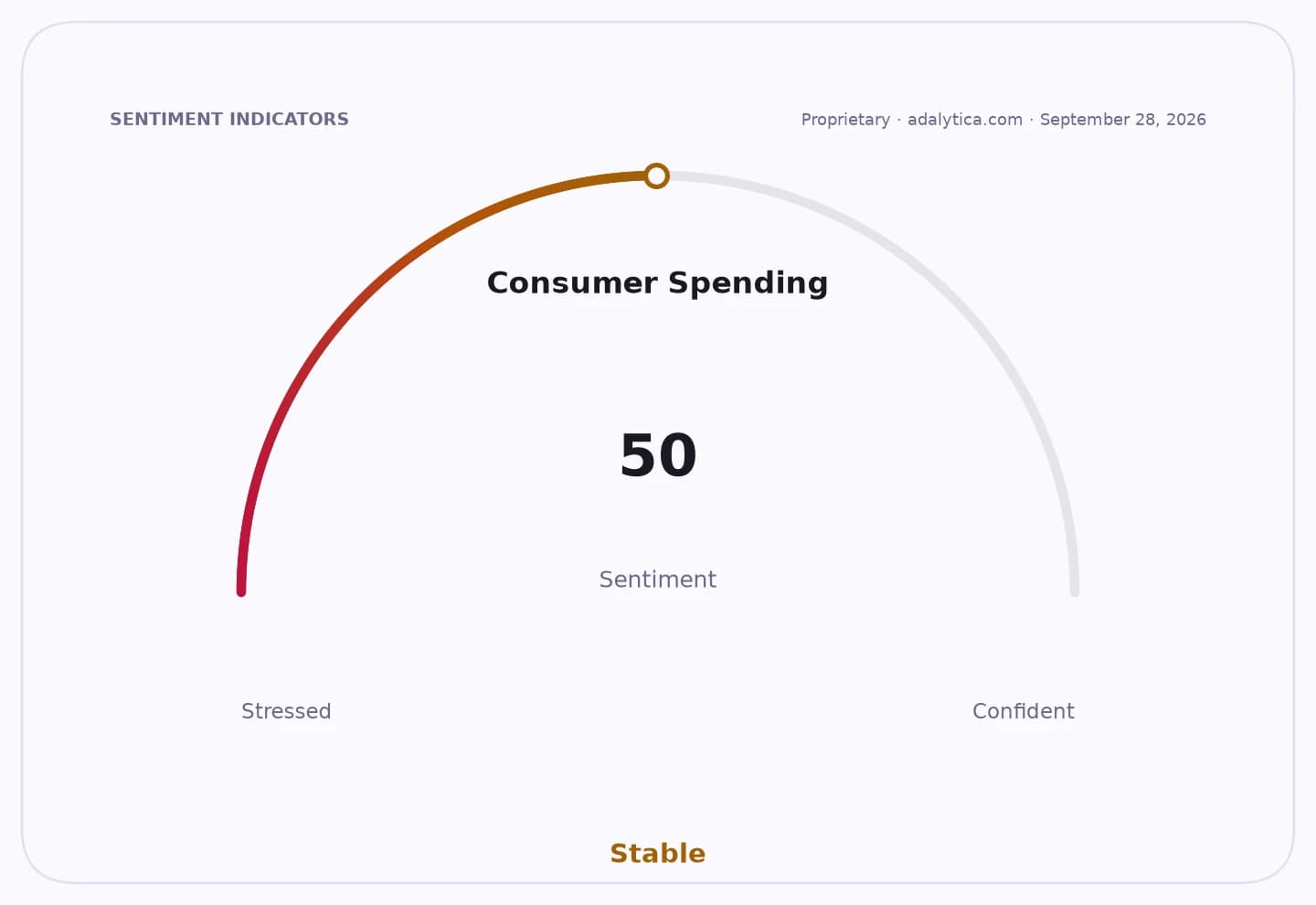
That strain is also visible in sentiment. Adalytica’s Food and Grocery Spending Sentiment gauge is at 64, neutral, but awareness is at 100, described as extreme greed, suggesting the category remains highly top-of-mind for consumers. By contrast, overall consumer spending sentiment sits at 50, also neutral, underscoring how food affordability is part of a wider caution in household spending.
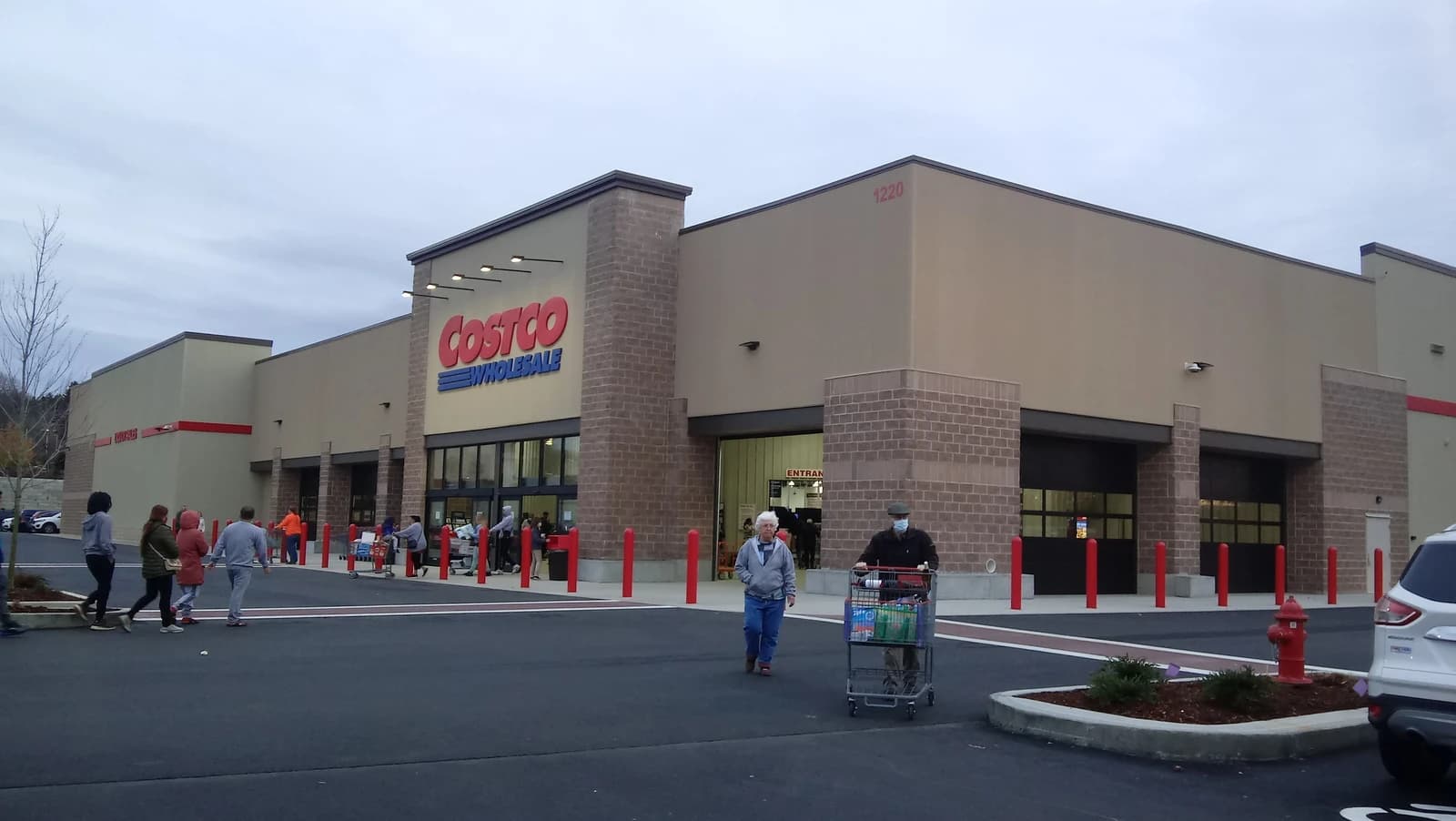
For retailers such as Costco and Walmart, the trend favors bulk, private-label and value-led assortments. For Kroger and other grocery chains, it supports demand for store-brand staples, frozen and canned produce, and ready-to-assemble proteins. Costco’s shares have been trading below the 200-day moving average, while Walmart’s stock has also retreated from earlier highs, showing investors are still weighing how much pricing power grocers can preserve as consumers trade down and prioritize utility over convenience.
The bull case for the consumer is straightforward: planning around overlap lowers waste, saves money and makes weeknight cooking less stressful. The bear case is that the same behavior reflects continued financial strain, not renewed confidence, and could keep pressure on discretionary grocery categories, restaurant traffic and premium food brands. If food inflation stays sticky, the market for “versatile” ingredients may prove less a lifestyle trend than a durable survival strategy.
| Entity | Gains | Losses |
|---|---|---|
| Budget-conscious shoppers | ▲Lower meal costs | ▼Less menu variety |
| Grocery chains with value aisles | ▲Higher staple traffic | ▼Premium-item demand |
| Private-label brands | ▲More trade-down buying | ▼Branded packaged foods |
| Restaurants and takeout | ▲Fewer spontaneous orders | ▼More home cooking |