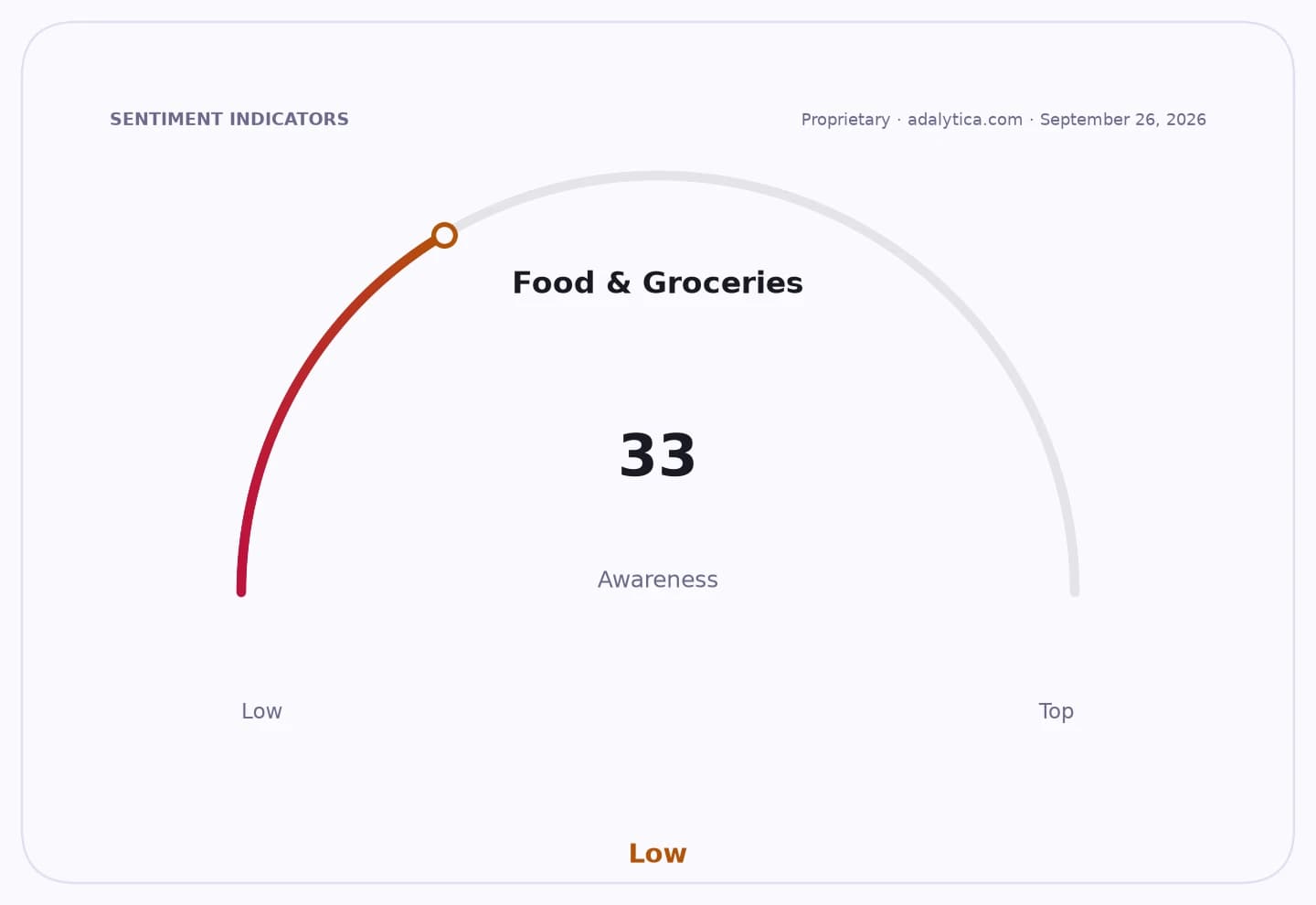
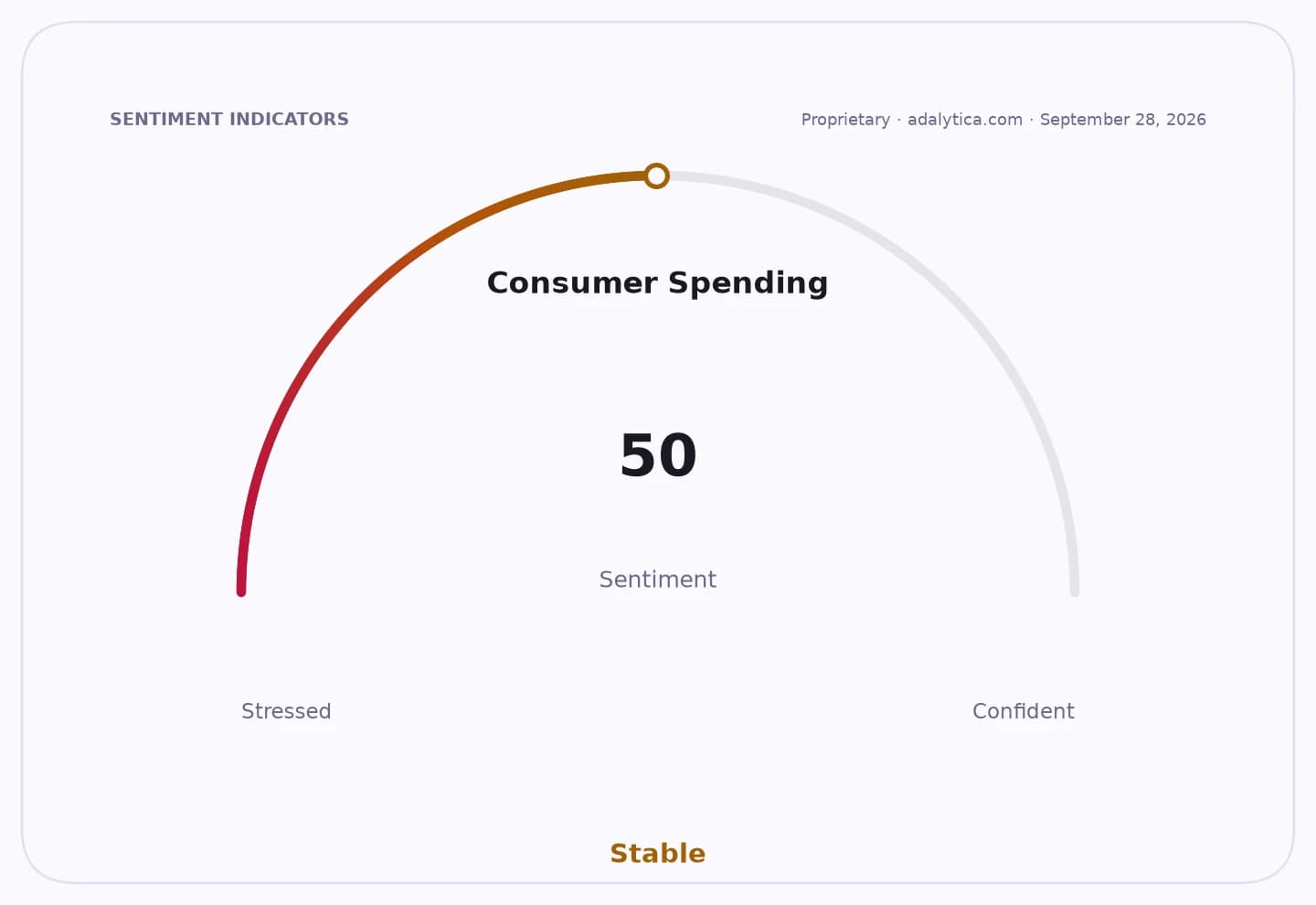
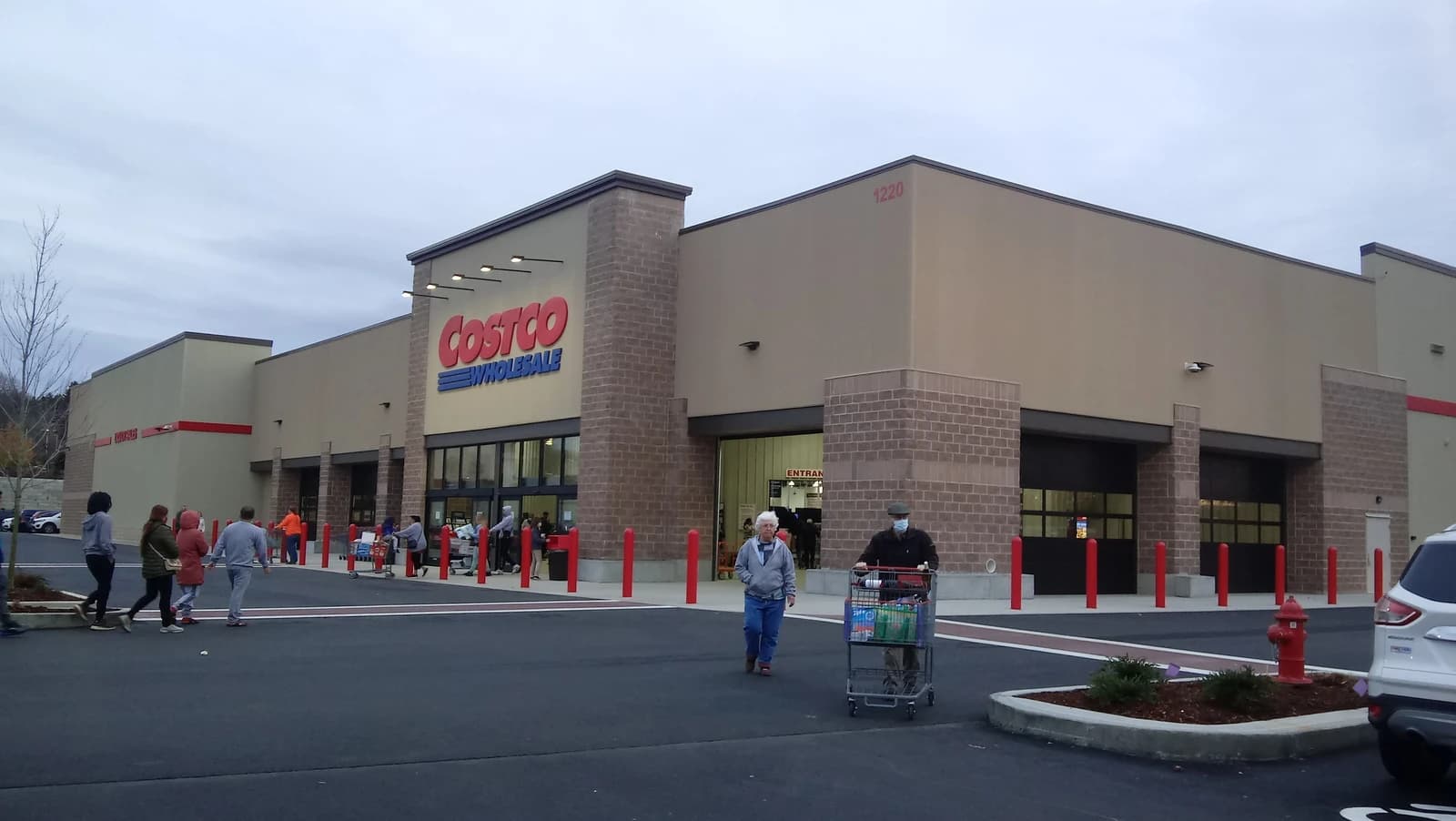
Food waste is becoming a real profit lever for grocery chains, and the market is still underestimating how much it can matter to margins.
Walmart, Costco, Kroger Face Food Waste Margin Opportunity
That is the investment story behind a visible push to keep more unsold food out of the trash — from event food recovery in North Carolina to manufacturers hitting zero-waste targets — but the bigger point is what this means for the biggest grocers, especially Walmart, Costco and Kroger. In a low-margin business, every basis point saved on shrink, disposal and labor drops straight to the bottom line.
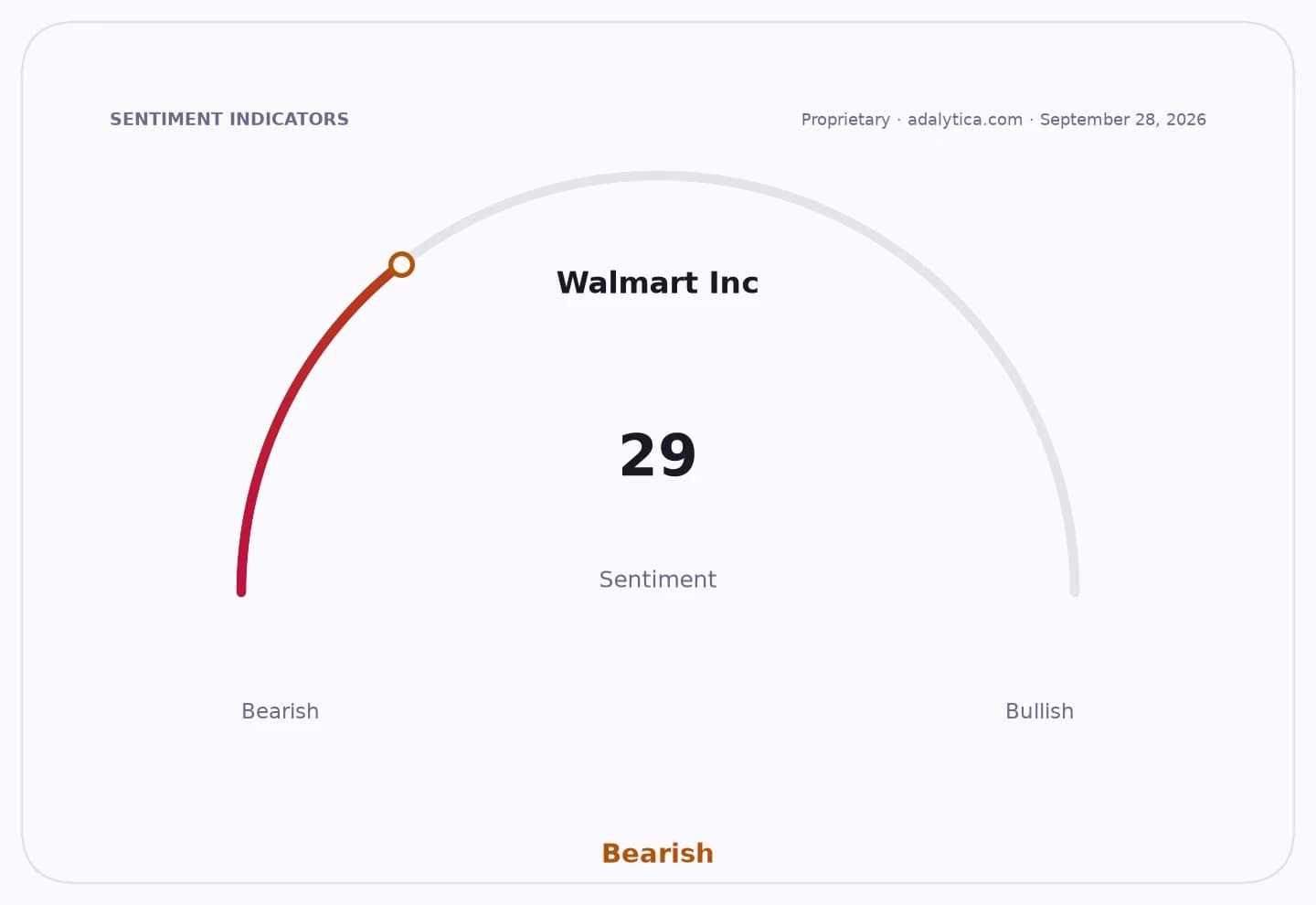
Sentiment IndicatorsⓘProprietary · adalytica.com · September 27, 2026
This is a snapshot — live sentiment, awareness and momentum for 130+ markets update continuously in the dashboard.Open AlphaPulse
The economics are straightforward. Grocers make money on scale, but they lose it fast when fresh food spoils, gets marked down too aggressively or is thrown away. Shrink has long been one of the quiet drains on supermarket profitability, and the latest filings from Kroger show how vulnerable the sector remains: higher shrink and transportation costs weighed on margins even as sales improved. That makes food-waste reduction less of a branding exercise and more of an operating necessity.
For investors, the opportunity is less about one-off sustainability headlines and more about a structural margin upgrade. Walmart, with its scale and logistics muscle, is best positioned to squeeze waste out of the system. Costco’s membership model and high inventory discipline also make it a relative winner. Kroger has more room to improve, but it also faces a tougher path because its margins are more exposed to shrink and fuel-driven cost swings.
That is why the stock setup matters now. Walmart’s shares have held up far better than the broader grocery peer group, and the price action suggests investors are starting to reward operational efficiency again. Costco remains expensive, but that premium is justified if it can keep converting traffic and tight inventory control into durable earnings growth. Kroger looks like the most obvious turnaround lever if management can keep cutting waste while defending sales.
The broader narrative is that food waste reduction is no longer just a social good — it is becoming a competitive advantage in retail. Better forecasting, tighter inventory management, improved donation networks and smarter markdown systems all help grocers protect margin in a world of sticky input costs and cautious consumers.
My view is simple: the next phase of grocery outperformance will go to the chains that treat waste reduction as a profit engine, not a compliance cost. That makes the efficiency leaders worth owning now, before the market fully prices in how much earnings power is hiding in the trash.
| Entity | Gains | Losses |
|---|---|---|
| Walmart (WMT) | ▲Lower shrink, margin lift | ▼Waste-heavy rivals |
| Costco (COST) | ▲Tighter inventory economics | ▼Higher-cost operators |
| Kroger (KR) | ▲Upside from shrink cuts | ▼Current margin drag |
| Food donors/rescue groups | ▲More recoverable inventory | ▼Less edible food wasted |