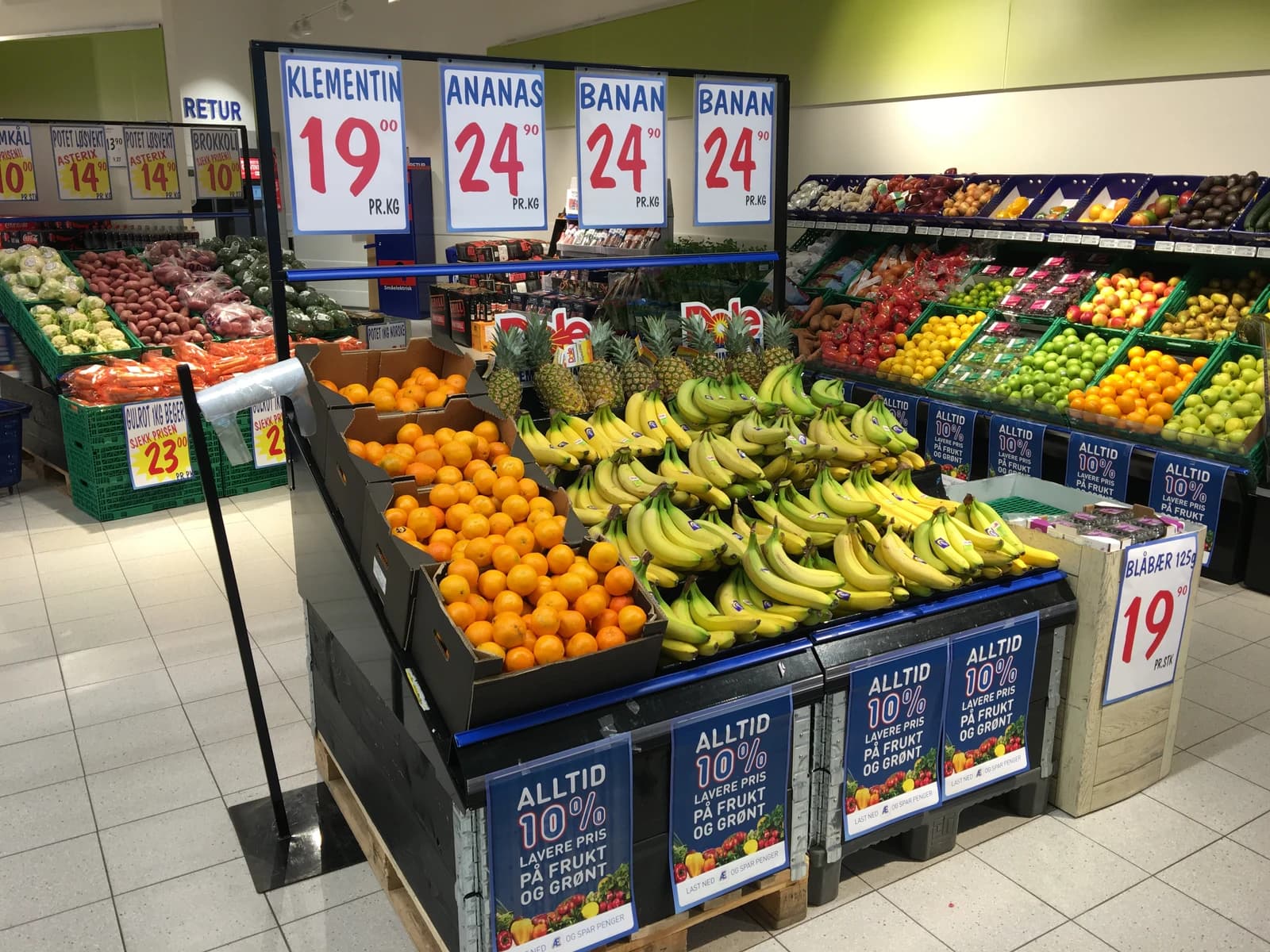
Walmart’s move to sell “ugly” produce and other discounted groceries is putting fresh pressure on supermarket pricing, with the value-led pitch helping drive food costs down by as much as 30% in some baskets.
Walmart Ugly Produce Push Pressures Grocery Prices
That matters because food inflation has become one of the most persistent strains on household budgets, and any retailer able to cut prices materially can win traffic fast. It also exposes the industry’s widening divide: discounters and scale players can use waste reduction, logistics efficiency and private-label reach to pull shoppers away from traditional grocers that still depend on higher-margin fresh food.
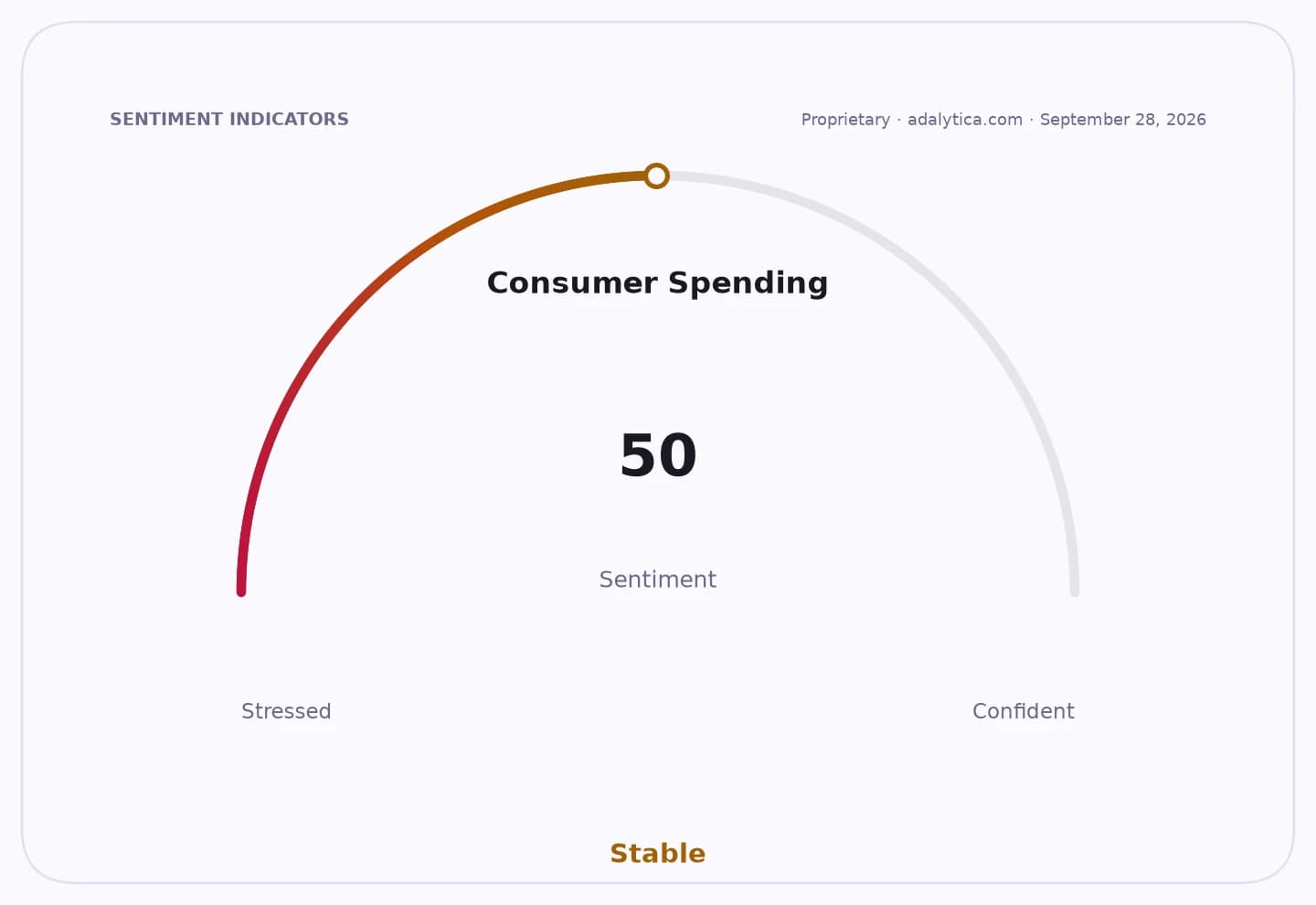
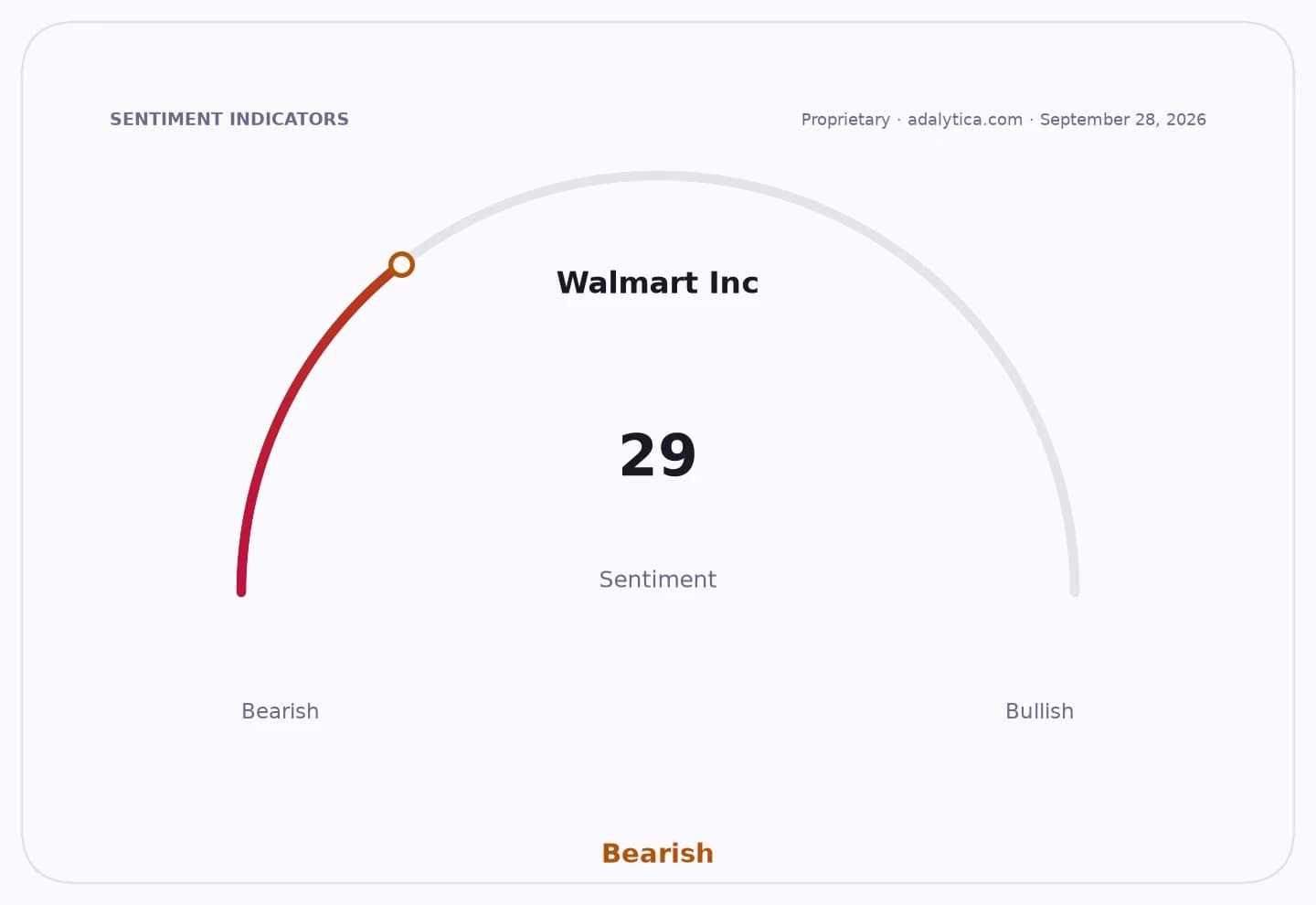
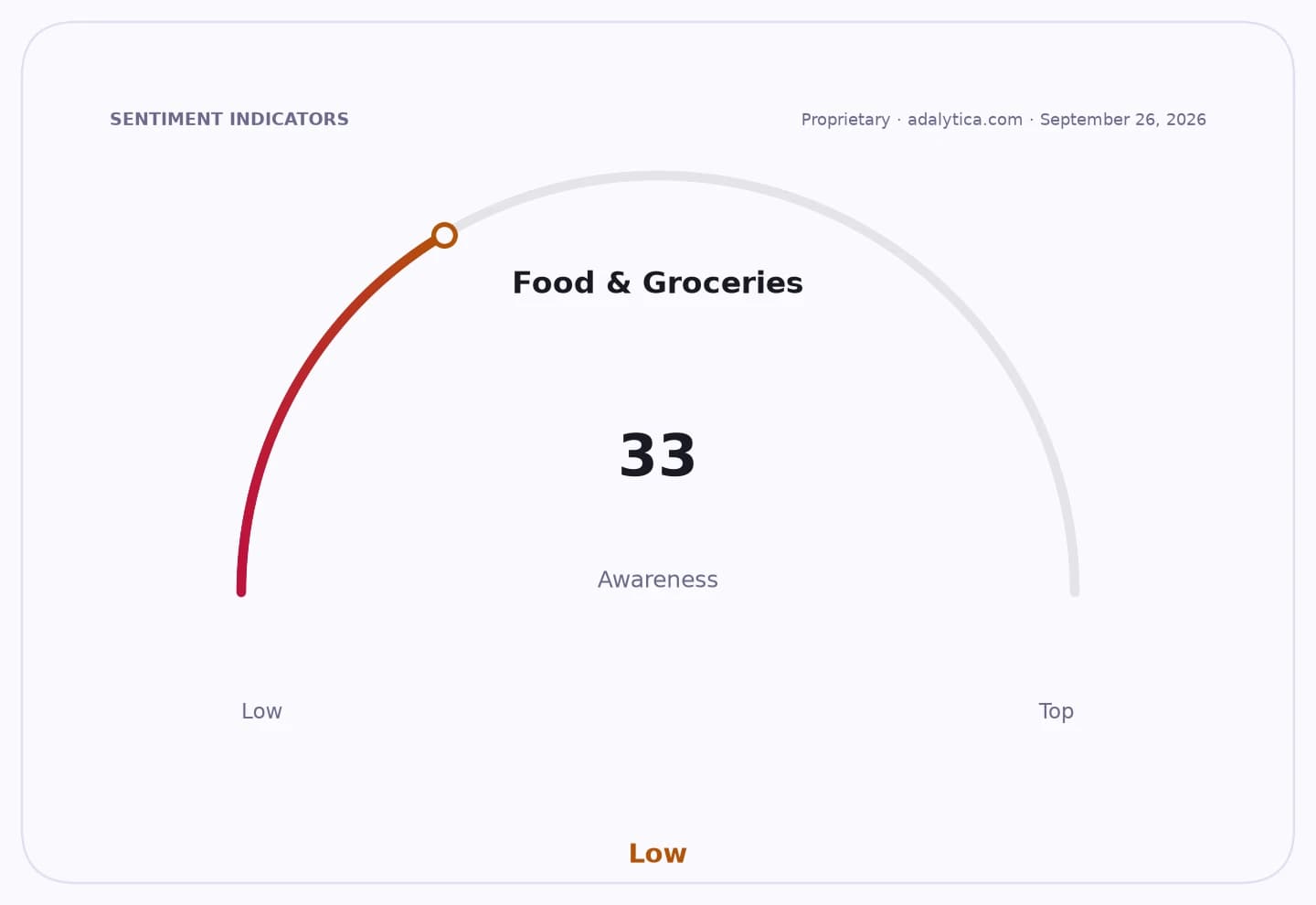
Sentiment IndicatorsⓘProprietary · adalytica.com · September 26, 2026
This is a snapshot — live sentiment, awareness and momentum for 130+ markets update continuously in the dashboard.Open AlphaPulse
The seed of the story is not simply that misshapen vegetables are cheaper. The bigger point is that grocery retail is entering a new phase where price competition is being sharpened by consumer stress, elevated transport costs and a more aggressive hunt for value. In that environment, shoppers are less interested in appearance and more focused on the final bill.
Fresh produce is especially exposed. Perishable goods carry higher spoilage risk, higher handling costs and more volatile pricing than packaged foods. By monetizing imperfect items that would otherwise be wasted, retailers can recover margin on inventory that once had little commercial value, while offering consumers a visible discount at checkout. For chains with scale, the model can also help reduce shrink and improve supply-chain efficiency.
The move lands against a backdrop of broader grocery inflation, where rising diesel and transport expenses have helped push up the cost of fruit, vegetables and other essentials. In some markets, a standard basket has nearly doubled over the past year, forcing households to cut volumes and trade down. That kind of pressure is exactly what turns a discount offer into a strategic weapon rather than a marketing gimmick.
For Walmart, the appeal is straightforward: traffic, frequency and basket share. The company has long used low-price leadership to pull in budget-conscious consumers, and a sharper push into imperfect produce fits that playbook. The strategy should be particularly effective if higher-income households remain willing to trade down selectively while lower-income shoppers keep prioritizing staples.
For rivals, the risk is margin compression. Kroger, Costco and branded packaged-food suppliers all face a market in which consumers are increasingly comfortable with private label, promotional buying and lower-aesthetic standards if the savings are meaningful. That can force more discounting across the category and make it harder for conventional supermarkets to defend pricing power.
The investor question is whether this is a temporary response to inflation or a durable reset in grocery economics. The bull case is that better waste management and value merchandising can support traffic without destroying profitability, especially for the biggest chains. The bear case is that once consumers recalibrate to lower grocery prices, it becomes harder to reprice the category upward, even if input costs stay sticky.
The latest price action in Walmart and peers suggests investors are already treating grocery value warfare as a live issue, not a niche sustainability story. If the “ugly veggie” model continues to spread, the winners will be the retailers with the scale to buy, sort and distribute food cheaply; the losers will be those still relying on presentation and legacy markups to defend margins.
| Entity | Gains | Losses |
|---|---|---|
| Walmart | ▲More traffic, lower shrink | ▼Lower fresh-food margins |
| Budget shoppers | ▲Cheaper grocery baskets | ▼Less premium selection |
| Traditional grocers | ▲Higher pressure to discount | ▼Pricing power |
| Food suppliers | ▲Faster turnover for imperfect produce | ▼Weaker shelf pricing |