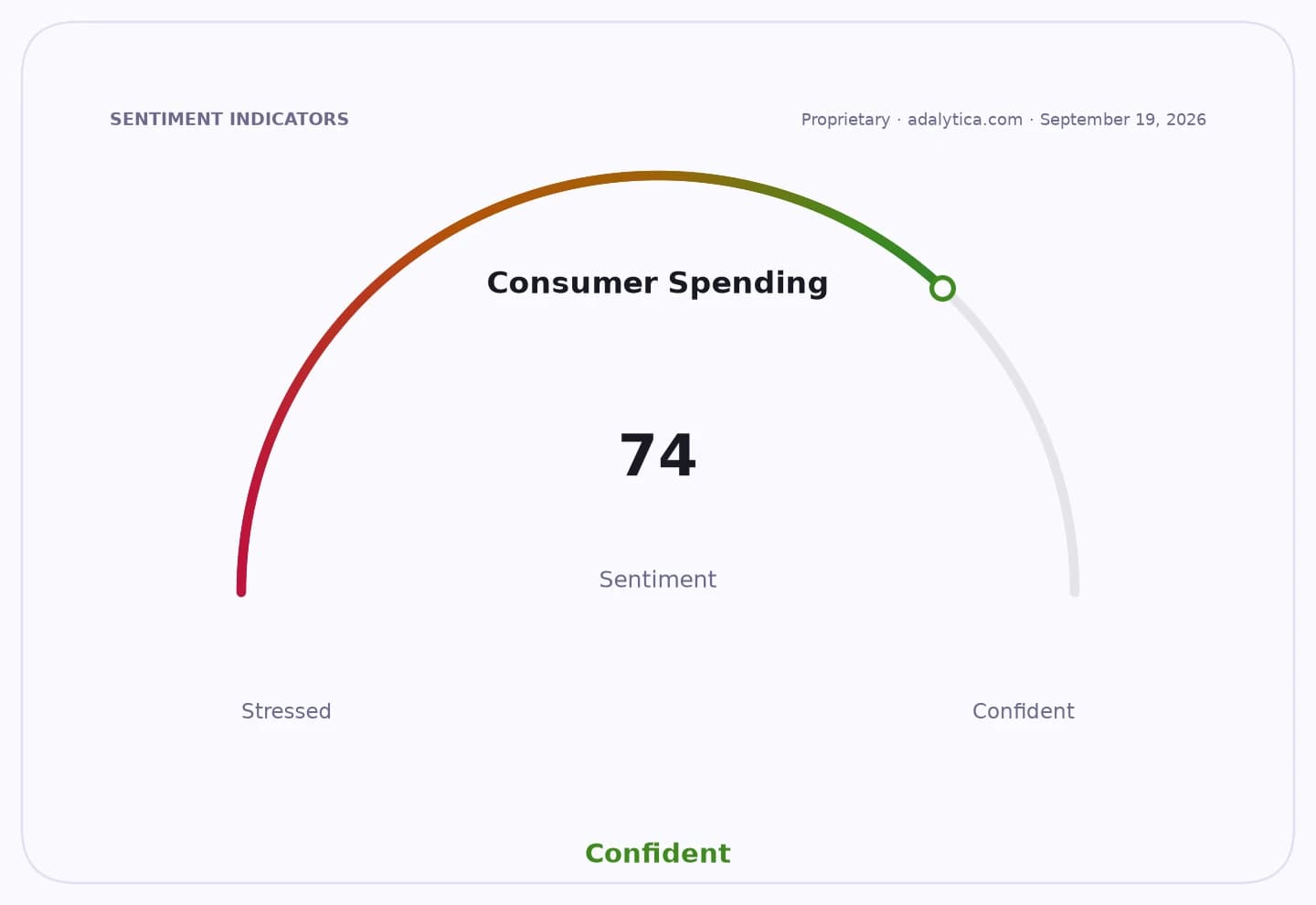
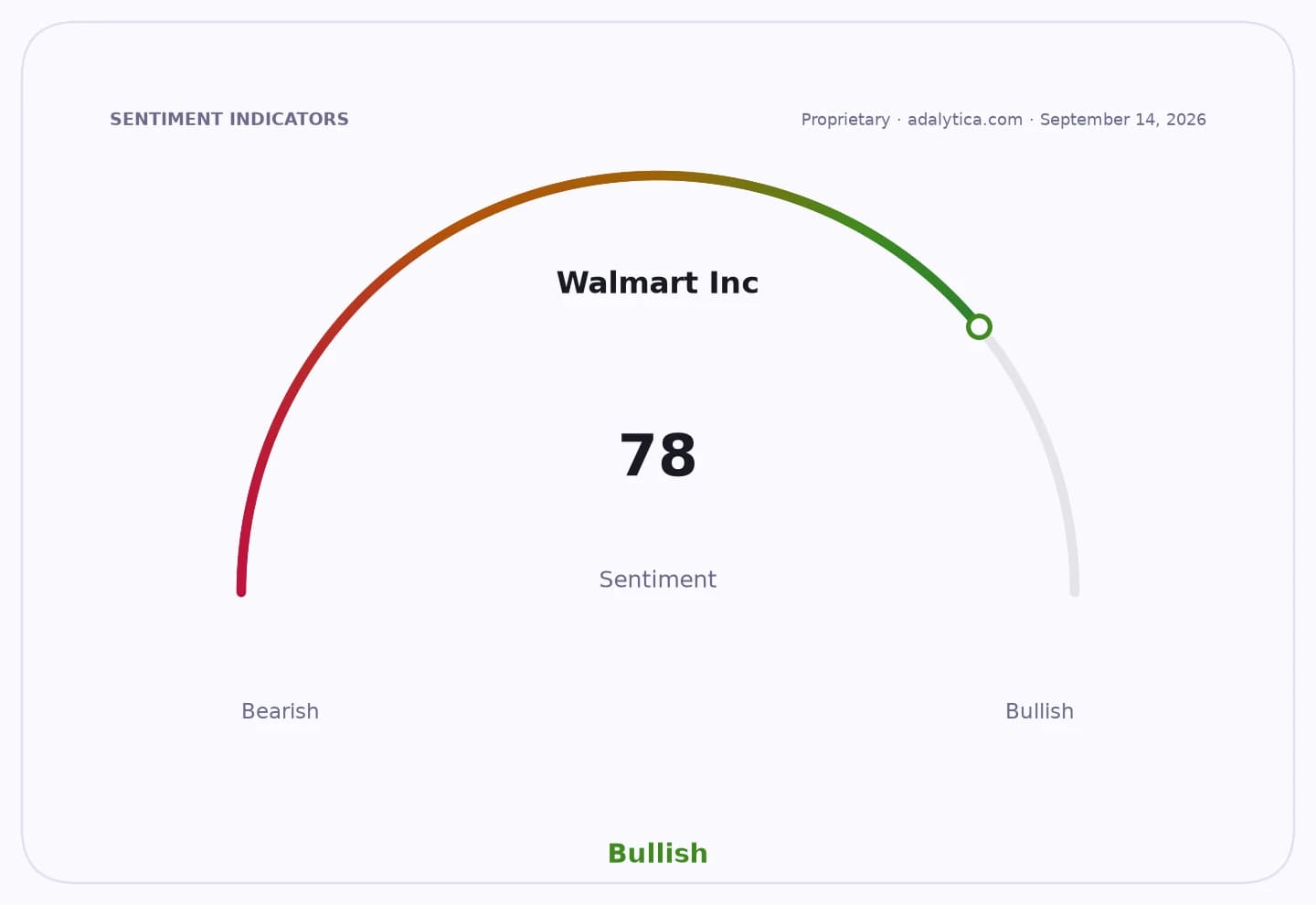
Walmart is heading into the holiday season with a simple but powerful advantage: when shoppers get cautious, the world's largest retailer tends to get stronger.
Walmart Holiday Traffic and Pricing Power
That matters because the most important retail story this year is not just who can sell the most gifts, but who can win price-sensitive consumers without destroying margins. Walmart is built for exactly that environment. It has the scale to lean on suppliers, the grocery traffic to keep stores busy, and the e-commerce reach to capture spending whether shoppers come in person or buy online. For long-term investors, that combination is why Walmart remains one of the market’s most resilient consumer names.
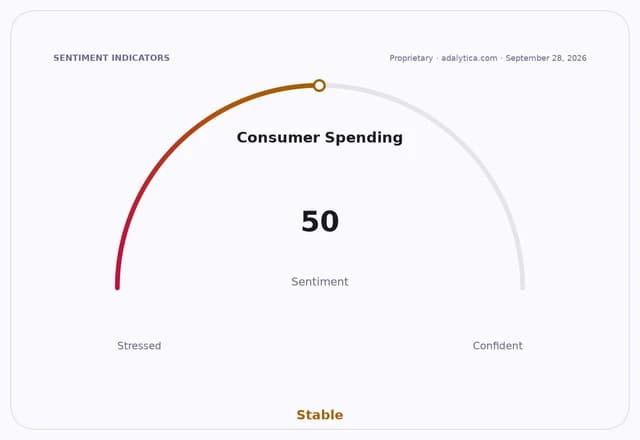
The setup is especially interesting now because discounting is becoming a bigger part of the holiday conversation. Toys "R" Us plans to open 120 new U.S. stores, adding a burst of competition in toys and seasonal merchandise just as Walmart rolls out promotions aimed at bargain hunters. Target and Costco also sit in the mix as consumers compare value across channels, but Walmart’s model is different: it does not need to win every category to win the season. It just needs to stay the cheapest or most convenient place to fill a shopping cart.
That’s the kind of environment where Walmart’s core strengths really compound. Grocery keeps people coming back. Membership and digital sales deepen engagement. Scale gives it leverage on pricing. And in a holiday season where shoppers are more selective, those advantages can translate into higher traffic and steadier share gains than more discretionary retailers can achieve.
The stock’s recent price action shows investors are already paying attention. Walmart has been trading above its 50-day moving average, even after a pullback from earlier highs, suggesting the market still sees it as a defensive growth name rather than a pure low-margin grocer. Technical readings have been mixed lately, but that is less important for investors than the bigger picture: Walmart has repeatedly shown it can turn a tough consumer backdrop into market share gains.
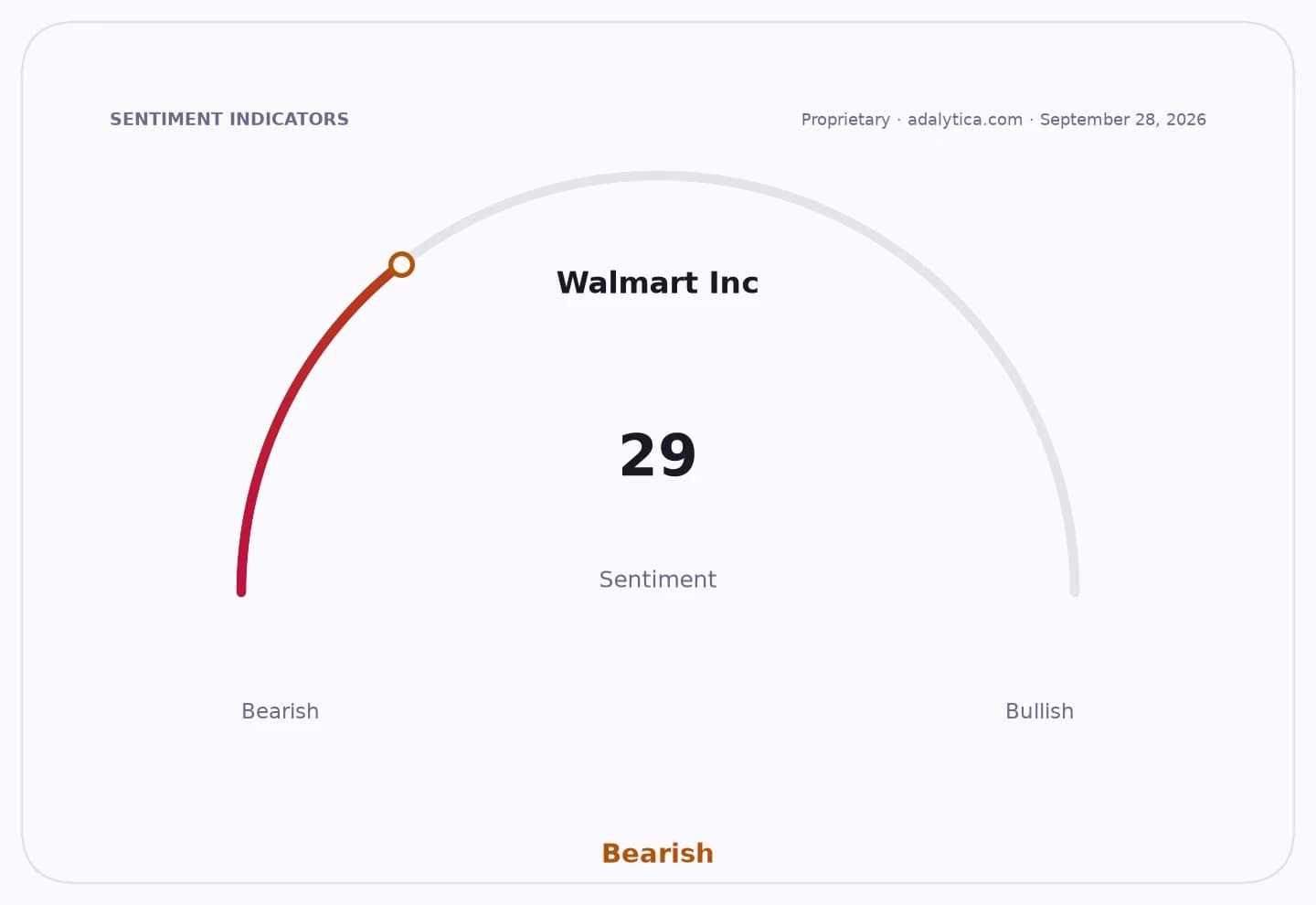
Adalytica’s Walmart earnings sentiment gauge has also cooled sharply, reflecting clear fear heading into the season. For investors, that can be useful in one way: when expectations drop, a company with Walmart’s scale and pricing power does not need a perfect quarter to reward shareholders. It just needs to prove it is still taking baskets from weaker rivals.
The longer-term case is unchanged. Walmart is not the kind of company that needs explosive sales growth to create value. It is the kind that can grind out gains year after year through volume, efficiency and an expanding digital ecosystem. If holiday bargains pull more shoppers into its stores and app, that only reinforces the company’s role as a compounding defensive holding.
For investors building a portfolio for the next 3 to 10 years, Walmart still looks like the sort of name worth keeping on the watchlist — especially when consumers are hunting for value.
| Entity | Gains | Losses |
|---|---|---|
| Walmart | ▲Holiday traffic, market share | ▼Lower pricing power |
| Bargain hunters | ▲Lower prices, convenience | ▼Fewer premium choices |
| Toys "R" Us | ▲Brand visibility, store rollout | ▼Tougher competition |
| Target and Costco | ▲Category spillover, consumer spend | ▼Share loss in value wars |