Walmart, Costco and Coca-Cola are doing what the market’s rate anxiety can’t easily stop: selling essentials in a world where consumers still have to eat, shop and drink.
Walmart, Costco, Coca-Cola Hold Up as Rates Stay High

That matters because staples are proving, once again, that companies with daily-use products and strong pricing power can keep growing even when borrowing costs stay elevated. With the federal funds rate still at 3.63% and the 10-year Treasury near 5%, interest rates remain high enough to pressure more cyclical businesses, slow credit demand and weigh on valuations. But Walmart, Costco and Coca-Cola sit in the sweet spot of defensive spending, where demand tends to hold up and cash flow keeps coming.
For long-term investors, that’s the bigger story. These are not flashy names that need perfect macro conditions to work. They benefit when households trade down, when shoppers hunt for value and when brands with real scale can nudge prices without losing customers. Walmart’s recent performance shows that pattern clearly, with comparable sales up 3.3% for the quarter and 3.8% for the first half of the year, helped by grocery and higher ticket sizes. Costco, meanwhile, continues to lean on membership loyalty and bulk-value appeal, while Coca-Cola’s global brand and hedging program give it a cushion against currency and cost swings.
The technical picture also shows investors are still willing to pay up for resilience, even after some recent volatility. Walmart’s shares are hovering around $106.61, below both the 50-day moving average of about $109.85 and the 200-day moving average near $118.24, suggesting the stock has cooled off after a strong run. Costco has been under more pressure, with shares around $891.92, also below its 50-day and 200-day averages. Coca-Cola looks steadier, trading near $88.11 and above its 50-day and 200-day moving averages, a sign of relative strength in a choppy market.
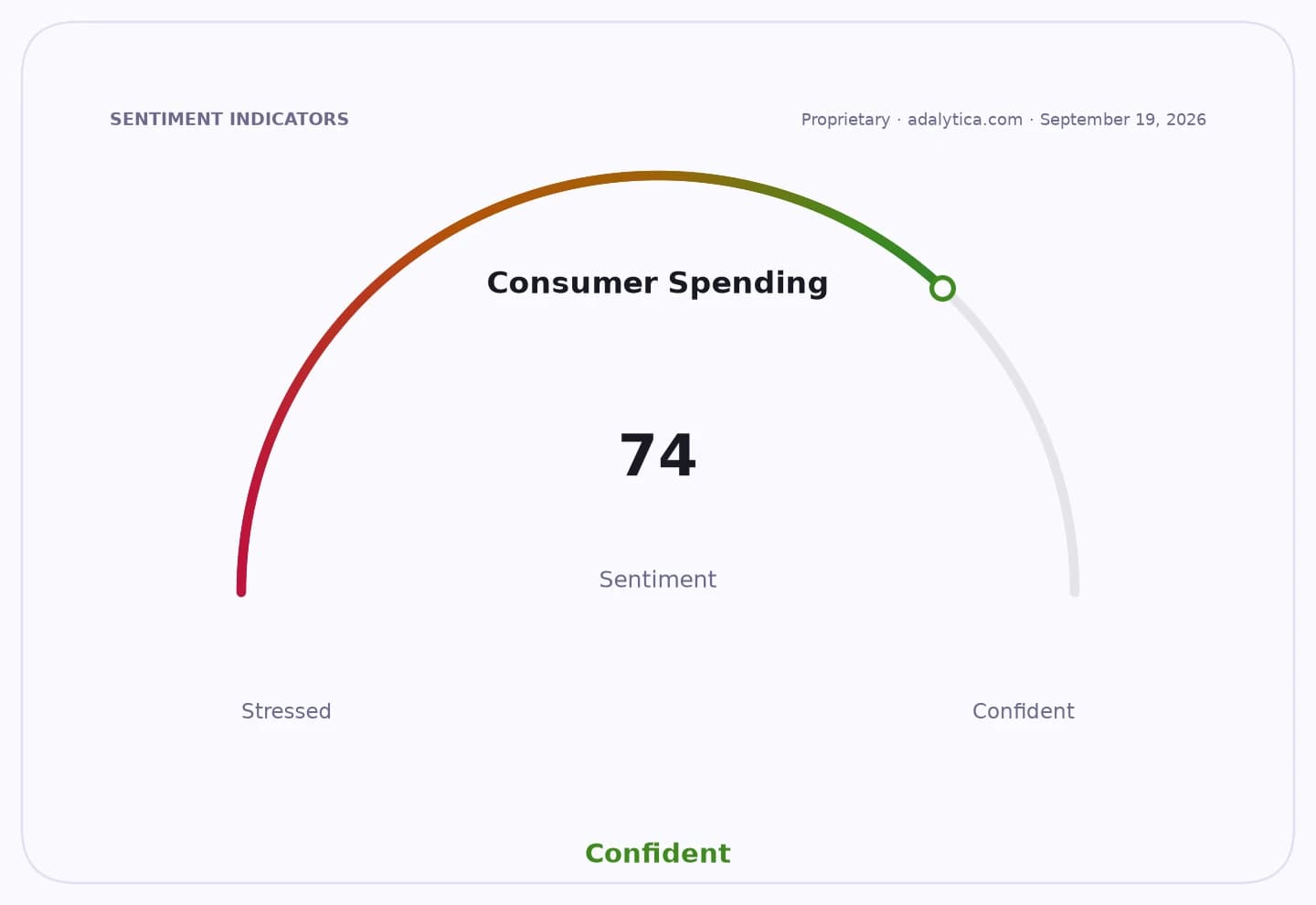
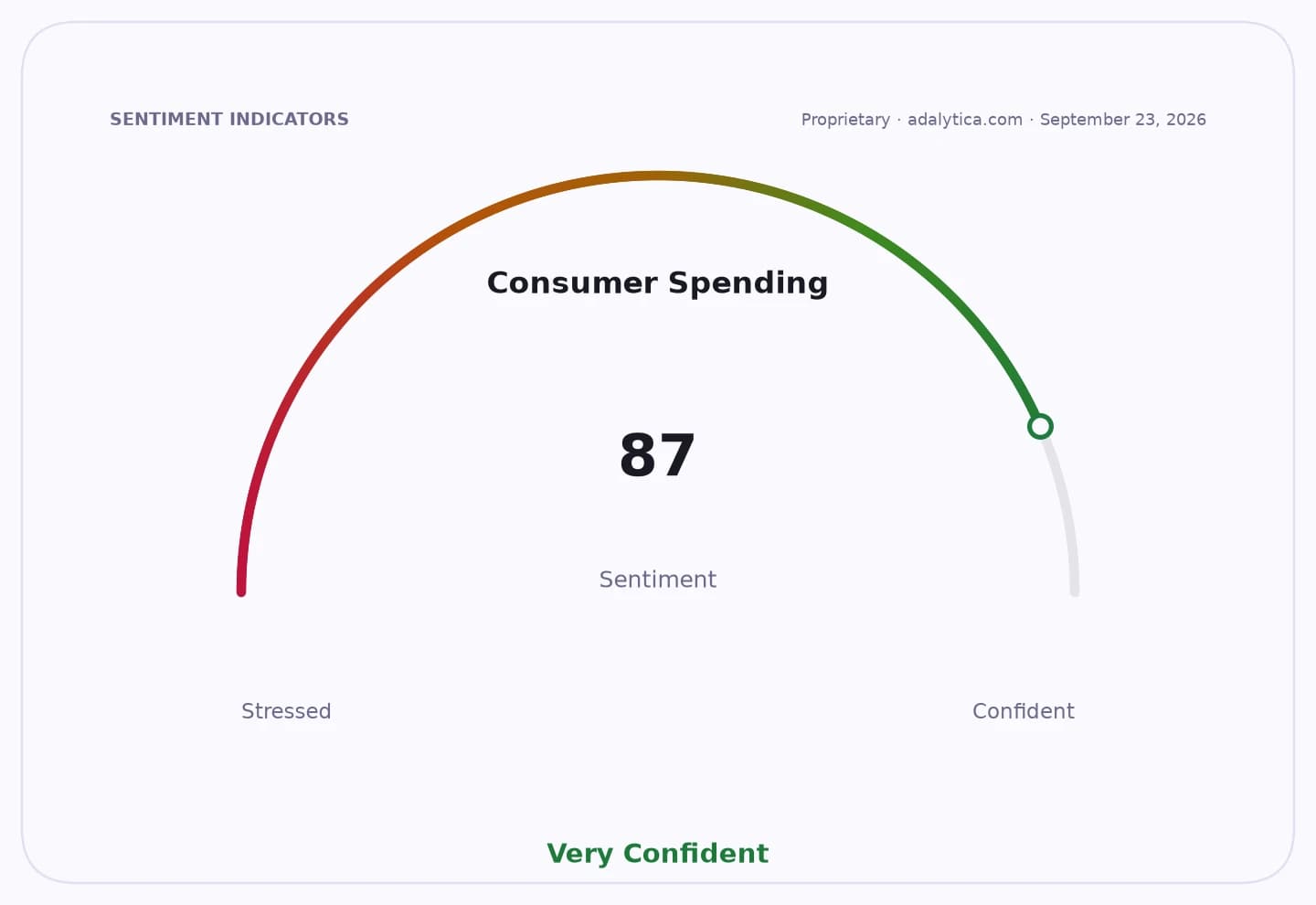
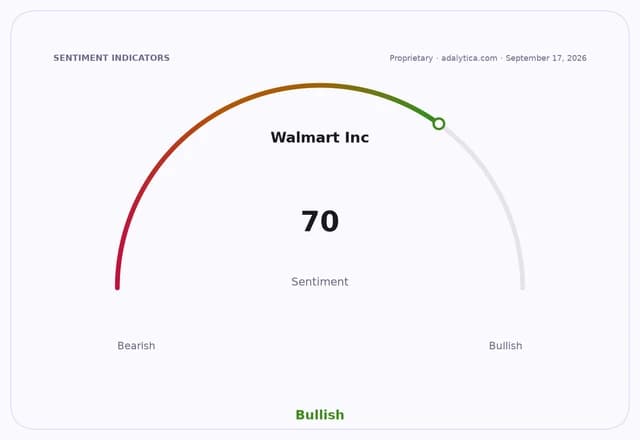
That resilience is showing up in investor sentiment too. Adalytica’s Walmart earnings sentiment sits at 70, labeled neutral, while awareness remains at “extreme fear,” a sign the market is still nervous even as the business holds up. Broader consumer spending sentiment has eased to 44, which underscores how selective shoppers are becoming. In that kind of environment, the companies that own the grocery cart, the warehouse run and the soda shelf often outperform in the long run, even if their shares don’t always look exciting week to week.
The risk, of course, is that high rates eventually bite harder. If consumers pull back more sharply, if promotions intensify or if import costs and wages stay sticky, even defensive retailers and beverage giants can feel the squeeze. Costco’s willingness to hold prices steady can pressure margins, and Walmart’s scale does not make it immune to margin tradeoffs.
Still, investors building wealth over years, not months, should pay attention. The message from Walmart, Costco and Coca-Cola is simple: in a high-rate world, boring can be beautiful. These are the kinds of businesses that can compound steadily through cycles, and that makes them worth watching — and, for long-term portfolios, worth considering holding for the long haul.
| Entity | Gains | Losses |
|---|---|---|
| Walmart | ▲Value-focused shoppers; steady sales | ▼Short-term rate worriers |
| Costco | ▲Members seeking bulk savings | ▼Margin-chasing skeptics |
| Coca-Cola | ▲Dividend investors; brand loyalists | ▼Cyclical consumer bulls |
| High-rate environment | ▲Savers and cash holders | ▼Leveraged borrowers; rate-sensitive stocks |