Aldi is lowering prices on a broad range of U.S. grocery items this fall, a move that underscores how fiercely retailers are fighting for inflation-stretched shoppers and how little pricing power some chains have left.
Aldi Cuts U.S. Grocery Prices This Fall
The private discount grocer said the round of cuts will save customers about $86 million and run from Sept. 23 through at least Nov. 3 at all U.S. stores. The reduction covers seasonal produce including Autumncrisp grapes, Bartlett pears, Brussels sprouts, apples and potatoes, but the bigger signal is strategic: Aldi is trying to keep its value edge while consumers remain choosy about where they spend each dollar.
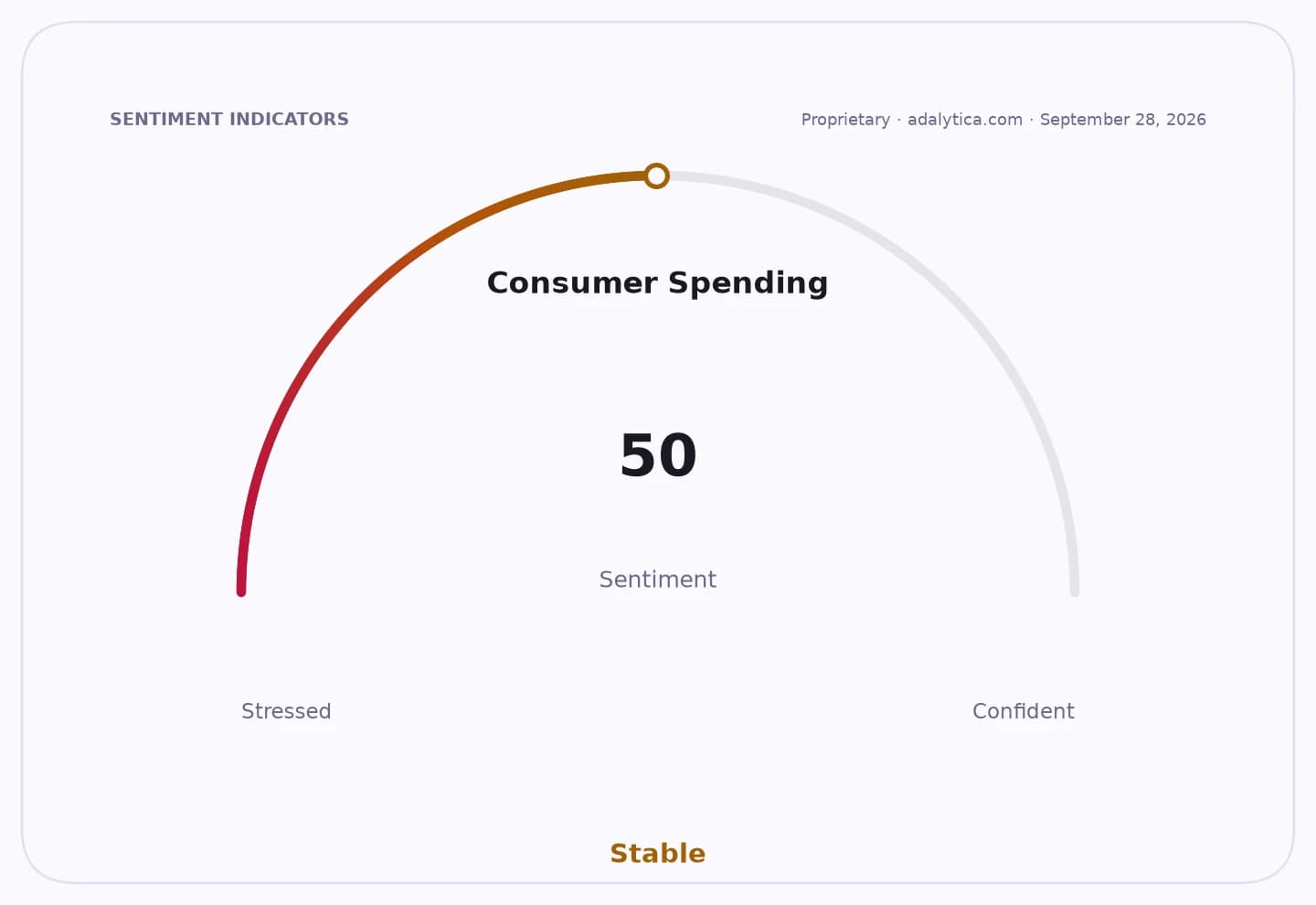
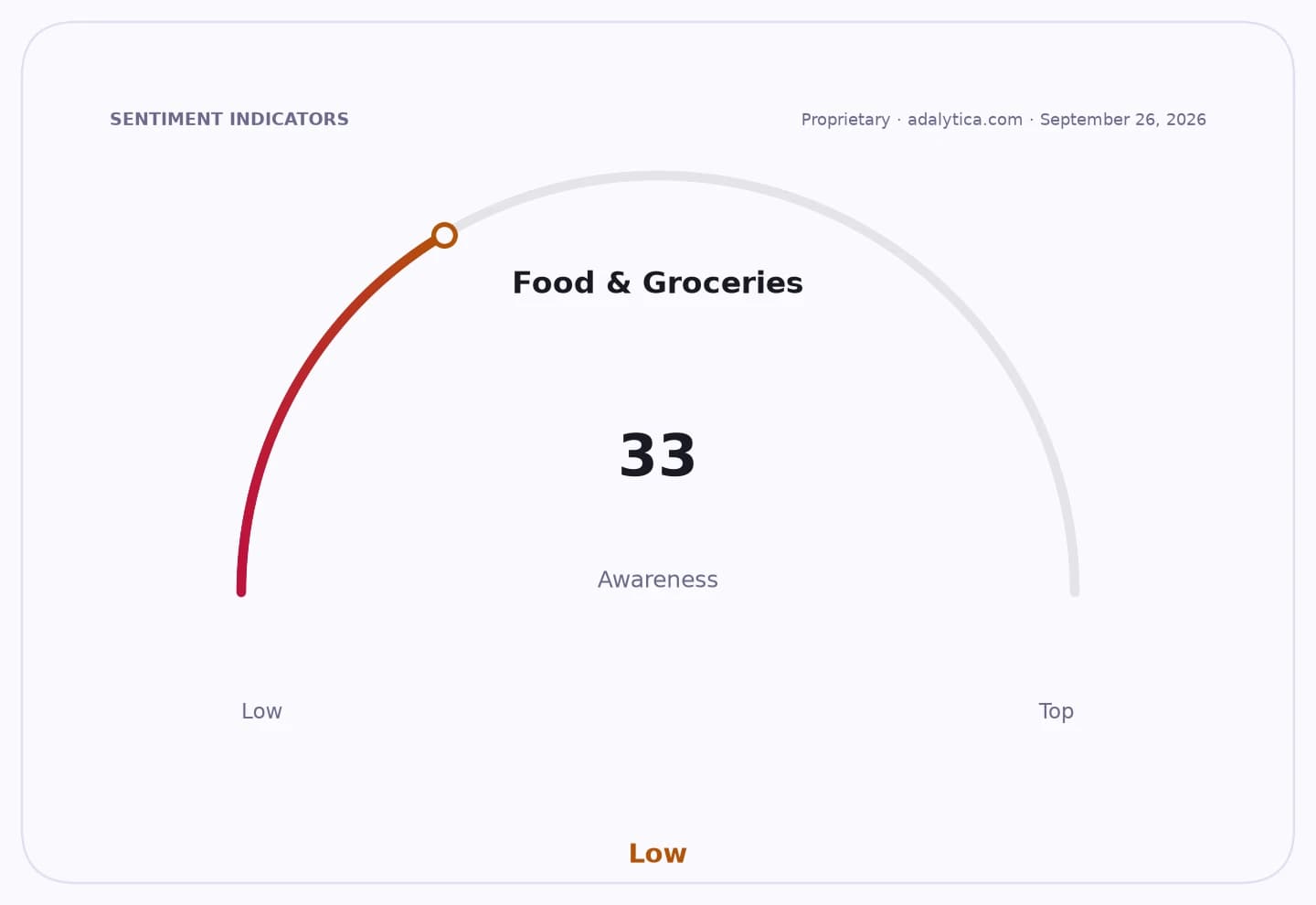
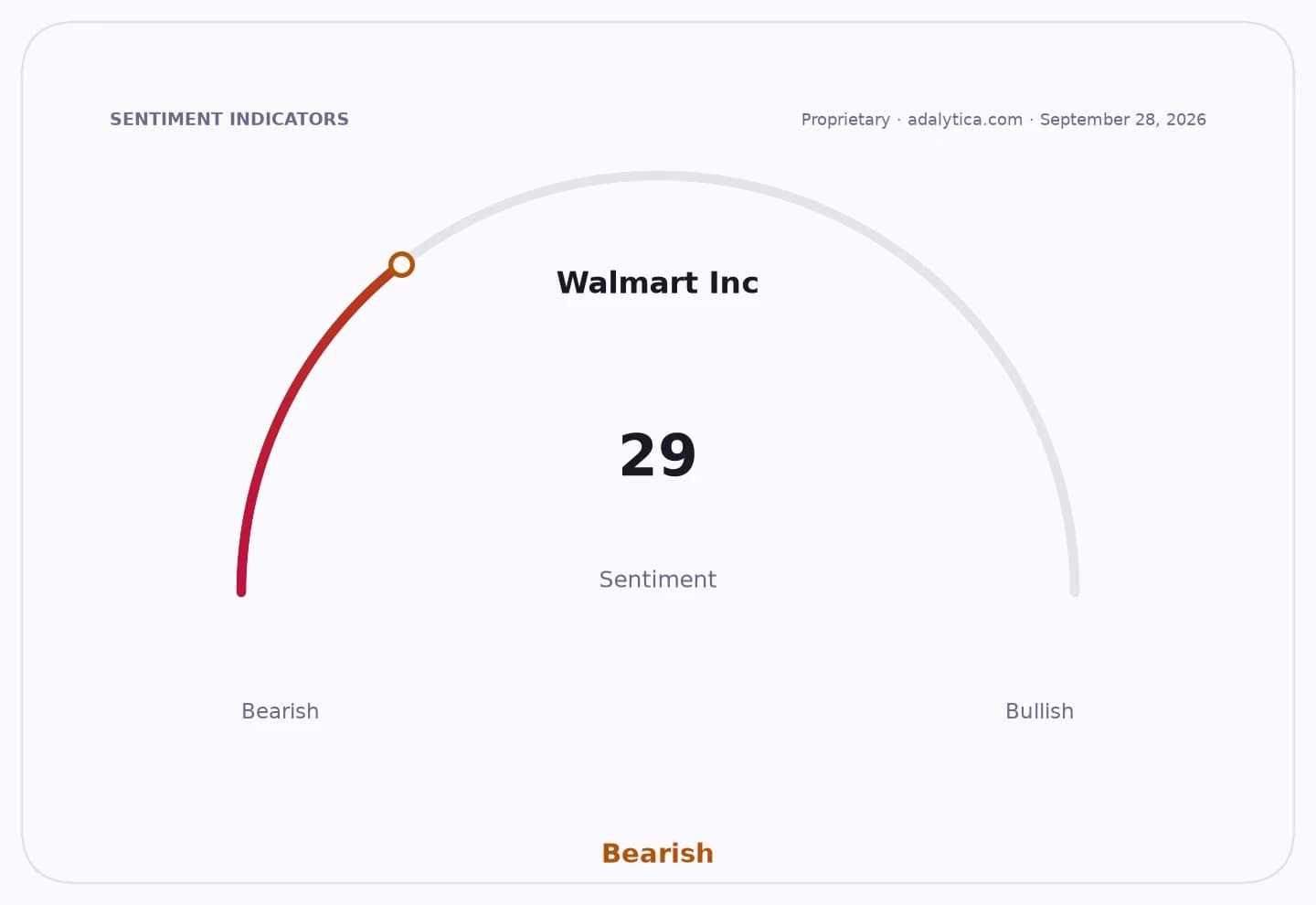
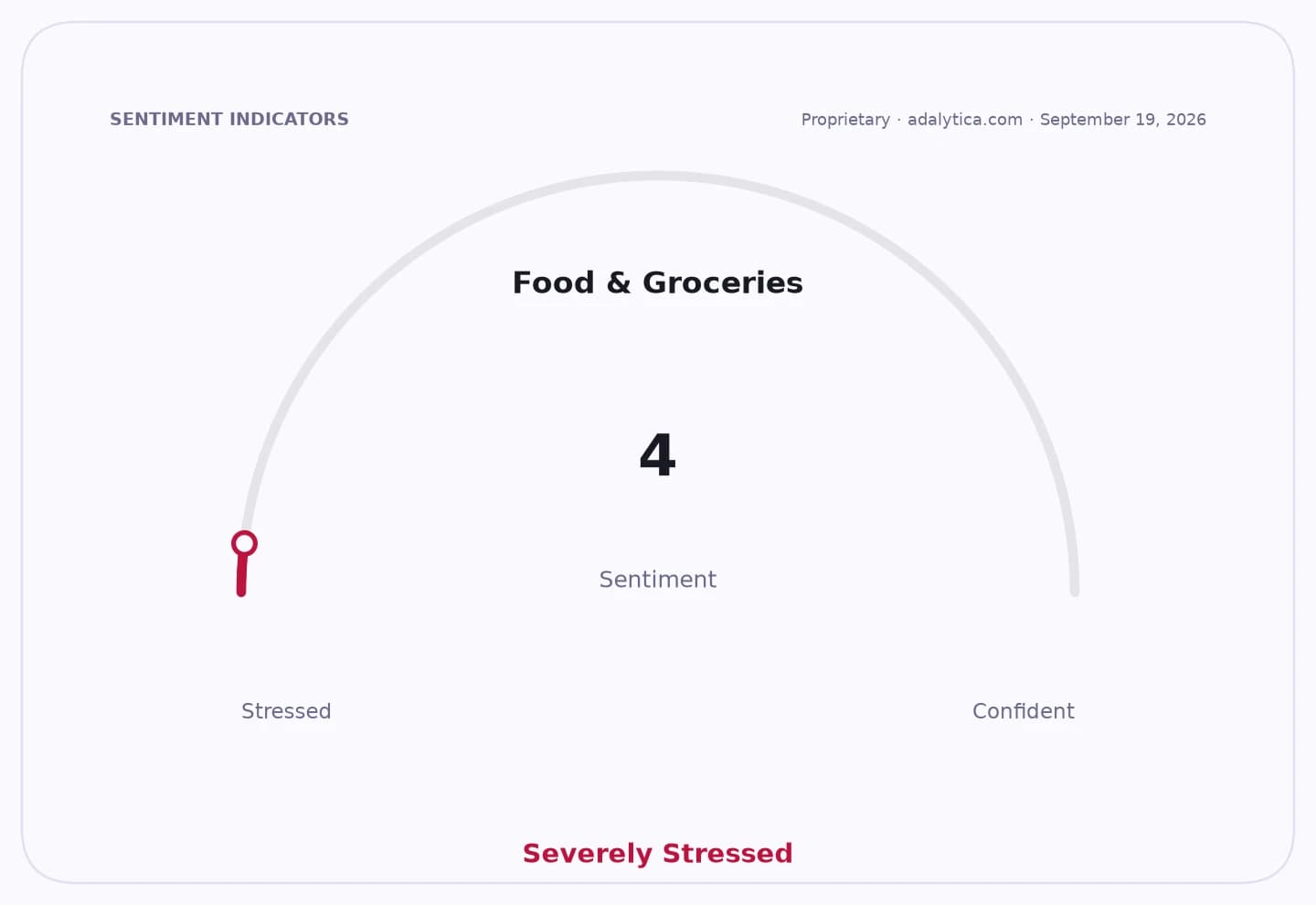
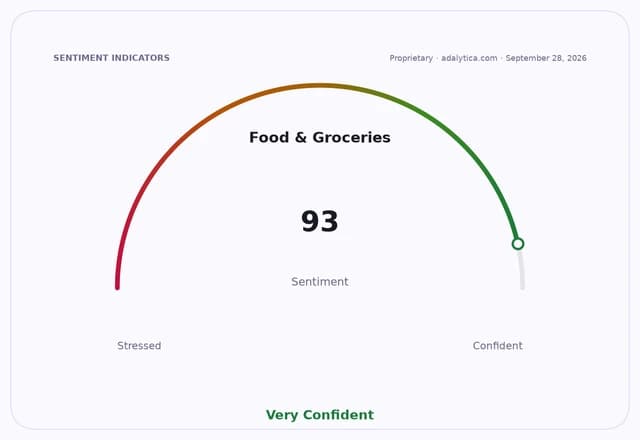
Sentiment IndicatorsⓘProprietary · adalytica.com · September 28, 2026
This is a snapshot — live sentiment, awareness and momentum for 130+ markets update continuously in the dashboard.Open AlphaPulse
That matters because grocery has become one of the clearest battlegrounds in the consumer economy. Even as overall inflation has eased from its peaks, households are still dealing with higher food bills, expensive gasoline and a general sense of economic uncertainty. In that environment, shoppers trade down fast, and retailers that can’t defend their low-price reputation risk losing trips, baskets and loyalty.
Aldi is not fighting alone. Bigger rivals such as Walmart and Kroger have also leaned on sharp pricing to hold onto cost-conscious customers, turning the fall into another round of competition over value rather than volume. For investors, that usually means thinner margins if retailers absorb the cuts, or slower traffic if they don’t. Either way, price discipline becomes harder to maintain.
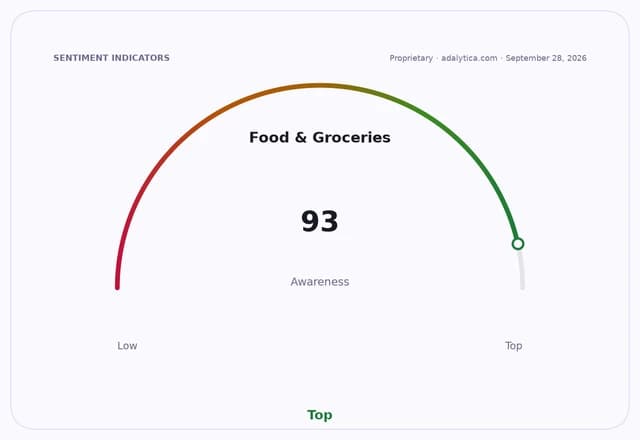
The timing is notable. Food and grocery spending sentiment, tracked by Adalytica, is currently in “Extreme Greed,” suggesting consumers are still highly engaged with the category, even as broader consumer spending sentiment remains jumpy. That may sound positive for the sector, but it also tells you shoppers are active precisely because they are hunting for deals. In other words, demand is there — but it is highly price sensitive.
For long-term investors, the takeaway is simple: grocery remains a defensive business, but not an easy one. Chains with scale, efficient logistics and a clear low-cost brand can keep winning share when households feel squeezed. Those advantages are why Aldi, Walmart and Kroger continue to matter in an inflationary, uncertain economy. But the fall price cuts also remind investors that even in a necessity business, competition can force companies to give back part of what they might otherwise keep.
If you’re building a portfolio for the next 3 to 10 years, this is the kind of industry where patience matters most. Consumers will keep shopping, but retailers will keep battling for every percentage point of margin and market share. Aldi’s move is worth watching as another sign that value remains king in U.S. food retail.
| Entity | Gains | Losses |
|---|---|---|
| Aldi shoppers | ▲Lower grocery bills | ▼None immediately |
| Aldi | ▲Potential traffic and loyalty | ▼Margin pressure |
| Walmart and Kroger | ▲Validation of value positioning | ▼More price competition |
| Grocery rivals with weaker scale | ▲Less room to defend share | ▼Customer defection to discounters |