Higher fuel costs are taking a bigger bite out of U.S. consumer wallets and grocery spending is losing share in the process, a shift that could pressure food retailers, suppliers and restaurant traffic as households absorb another round of energy-driven inflation.
Fuel costs squeeze grocery spending, hurt retailers
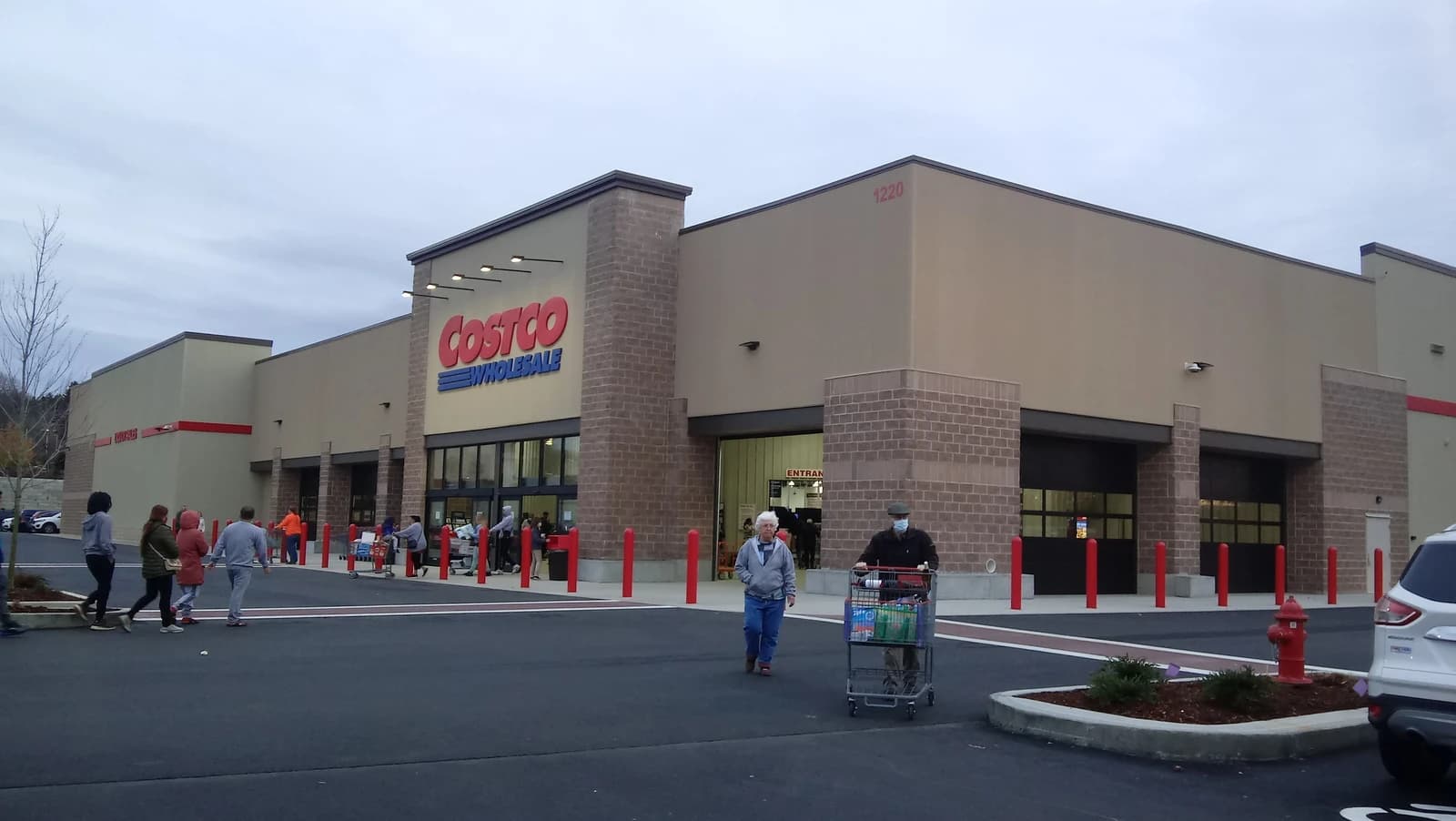
Consumer Edge said fuel began claiming a larger share of total card spending in March, with the year-over-year increase peaking in May at about 1.2 percentage points for households earning less than $60,000 and those earning $60,000 to $100,000. Higher earners were hit too, though to a lesser extent, with fuel spending up roughly 0.9 points from a year earlier.
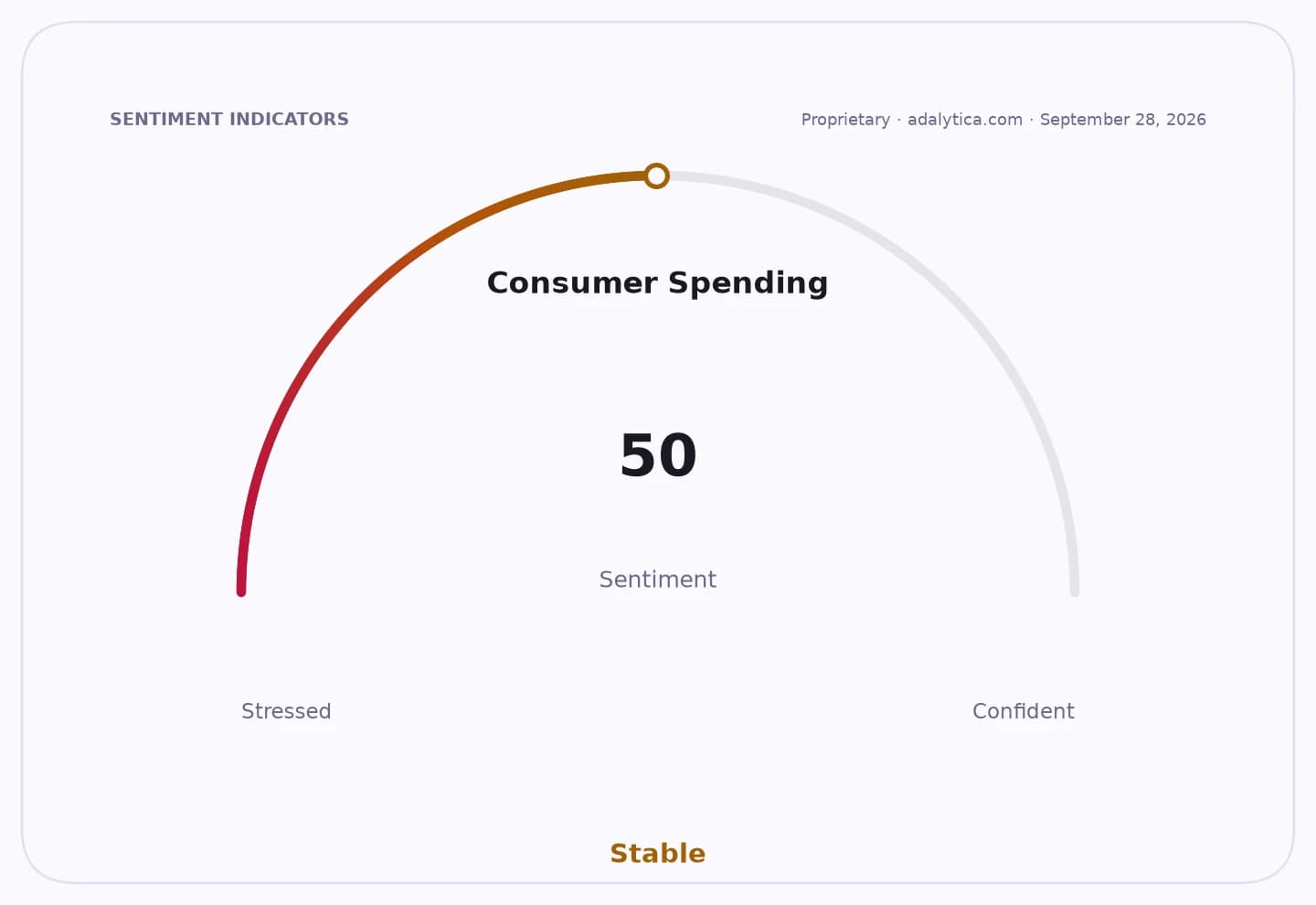
Sentiment IndicatorsⓘProprietary · adalytica.com · September 28, 2026
This is a snapshot — live sentiment, awareness and momentum for 130+ markets update continuously in the dashboard.Open AlphaPulse
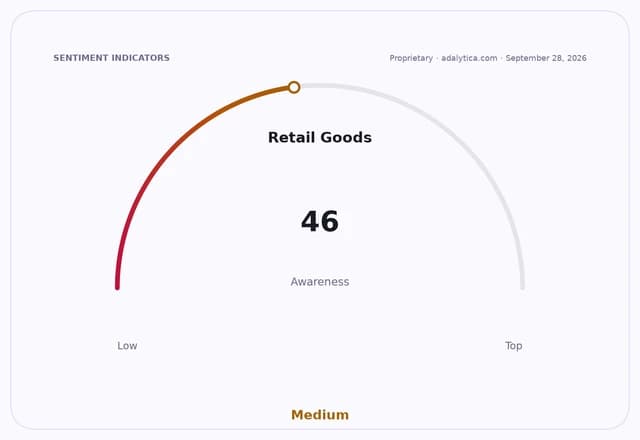
By August, gas still represented about 0.75 percentage points more of card spending among consumers earning less than $100,000 than it did a year earlier, versus about 0.6 points more among higher earners. The data suggests the squeeze is broad-based rather than confined to lower-income households, even if the pressure is more acute there.
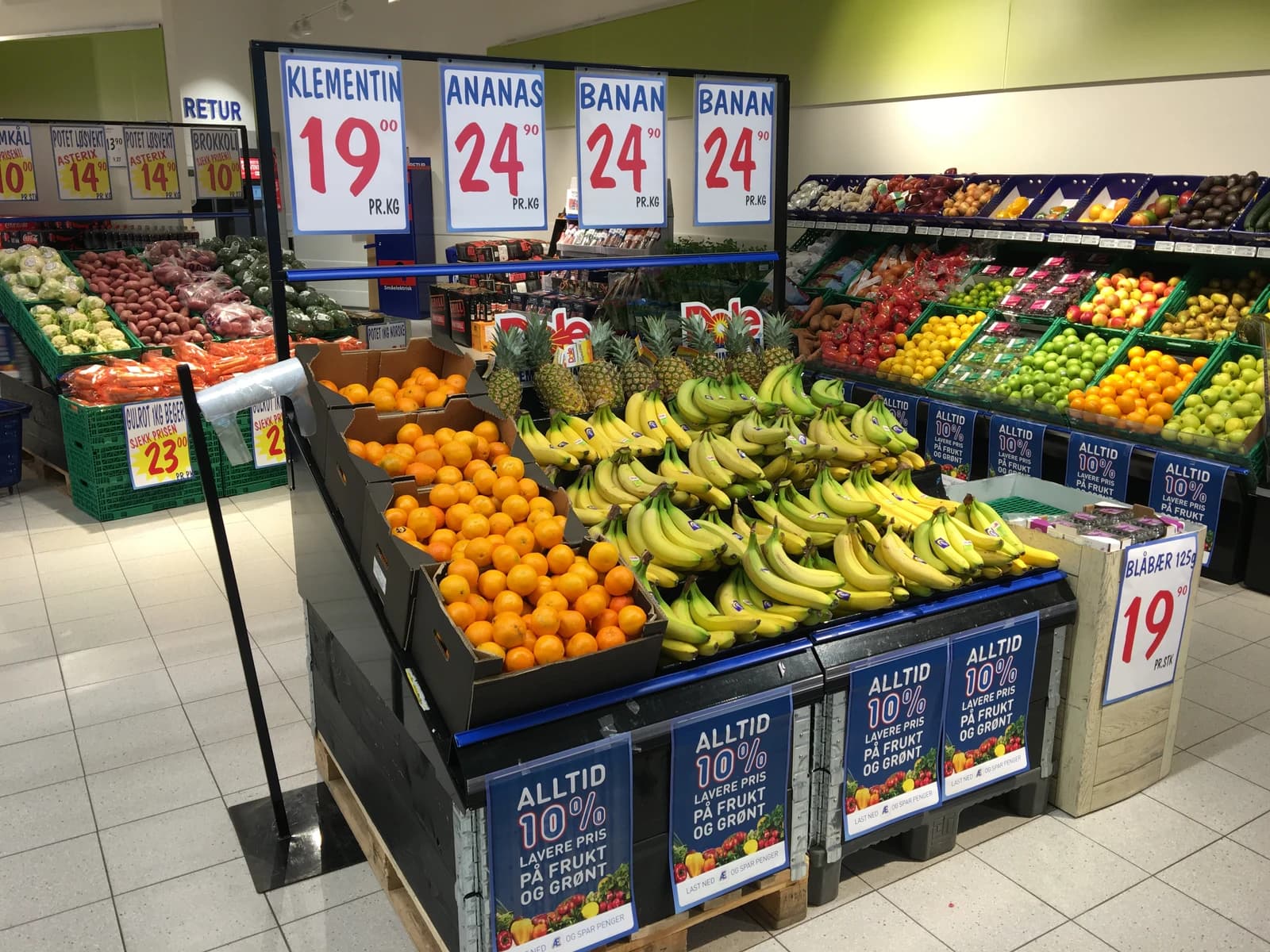
Grocers saw the sharpest wallet-share decline of any category tracked, with grocery spending’s share falling 37 basis points from March through August versus the same period a year earlier. Consumer Edge said the drop was more than twice as large as the decline recorded the year before, and it ran across all income groups, from 31 to 42 basis points.
DCOILWTICO vs CPIAUCSL — macro contextadalytica.com
Explore this data interactively — full history, time series and cross-market comparisons.Open AlphaPulse
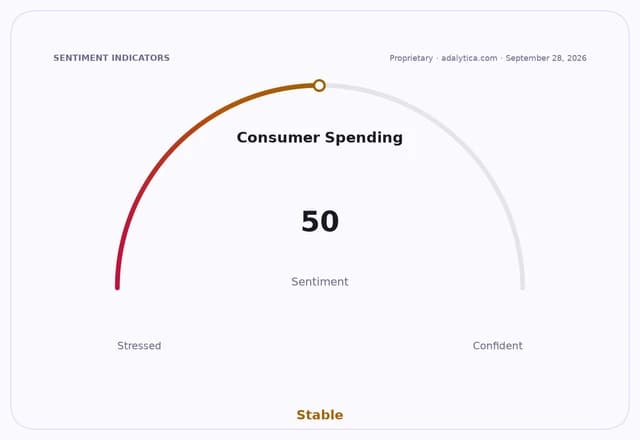
The shift matters because fuel is a non-discretionary expense that can crowd out other purchases, especially when wages and sentiment fail to keep pace with energy costs. It also comes at a time when crude has stayed elevated, with U.S. benchmark oil near the mid-$90s a barrel in recent trading and retail gas prices still vulnerable to further spikes tied to geopolitics and winter demand.
Consumer Edge cautioned that the data does not prove gas spending is directly causing shoppers to cut grocery bills. Its grocery category excludes purchases at broadline retailers such as Walmart, so some of the change may reflect where consumers are buying food rather than how much they are buying.
Still, the pressure is showing up across the food chain. Restaurants and services also lost wallet share, though Consumer Edge said much of that weakness started before the latest run-up in fuel costs and reflects broader foodservice challenges. Kroger, meanwhile, said in a recent filing that supermarket fuel sales rose 23.1% in the first half of 2026, underscoring how higher pump prices can support fuel volumes even as they strain household budgets.
The second-order effect could be higher food prices ahead. Consumer Edge said diesel prices jumped in August and accounted for more than one-third of the increase in producer goods prices, raising transportation costs for food and beverage products that need frequent shipping or refrigeration.
For investors, the setup favors fuel-exposed retailers and pressures grocers, food manufacturers and restaurant chains that depend on steady discretionary spending. The next read-through will come with upcoming fuel and inflation data, plus retail sales and earnings commentary from big-box and grocery chains as consumers decide whether gas, groceries or restaurant meals get the bigger slice of the budget.
| Entity | Gains | Losses |
|---|---|---|
| Fuel retailers | ▲Higher pump spending | ▼Price-sensitive households |
| Grocers | ▲— | ▼Wallet share, traffic |
| Broadline retailers | ▲Food trade-down traffic | ▼Traditional supermarkets |
| Restaurants | ▲— | ▼Discretionary meal spending |