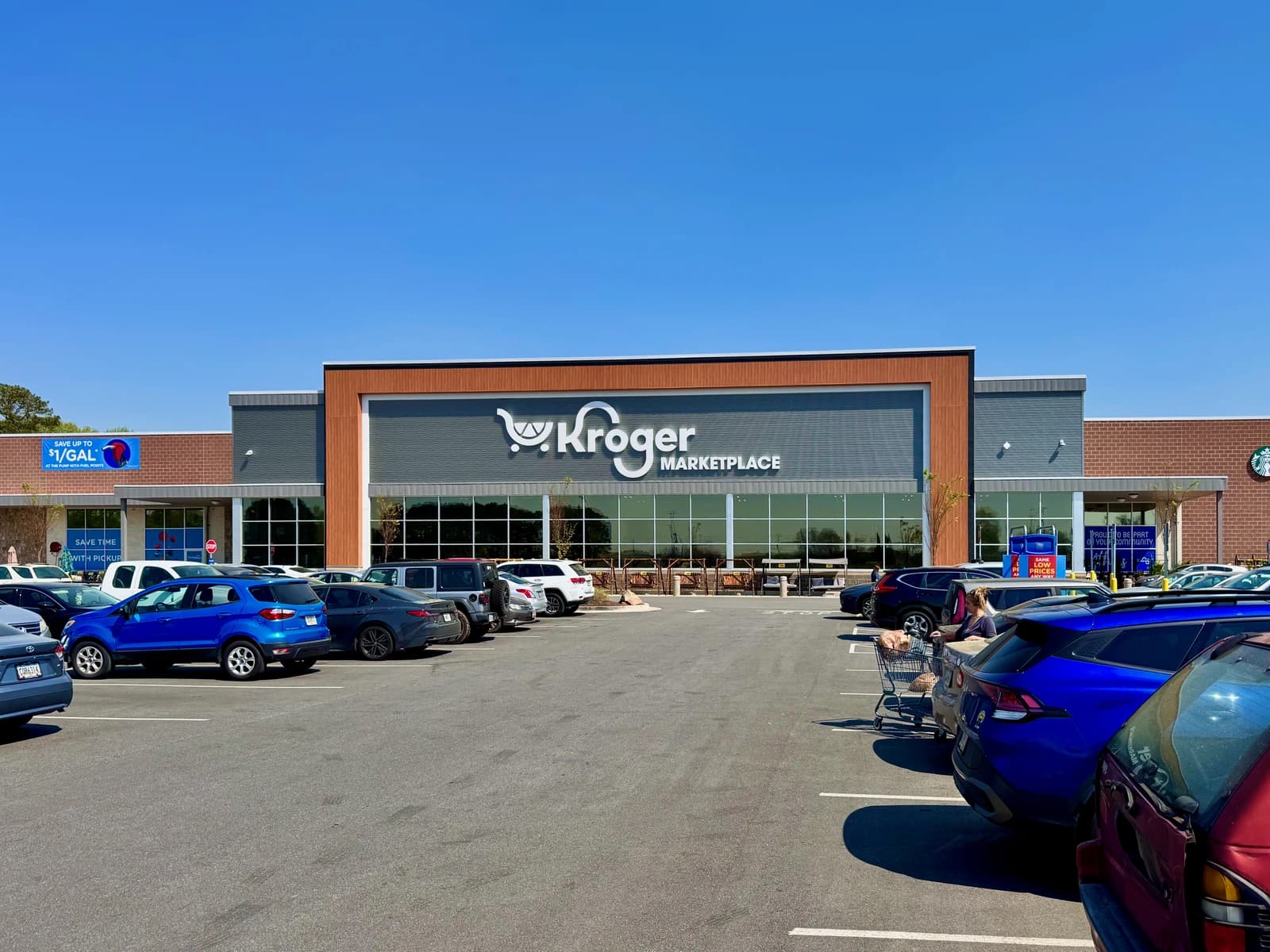
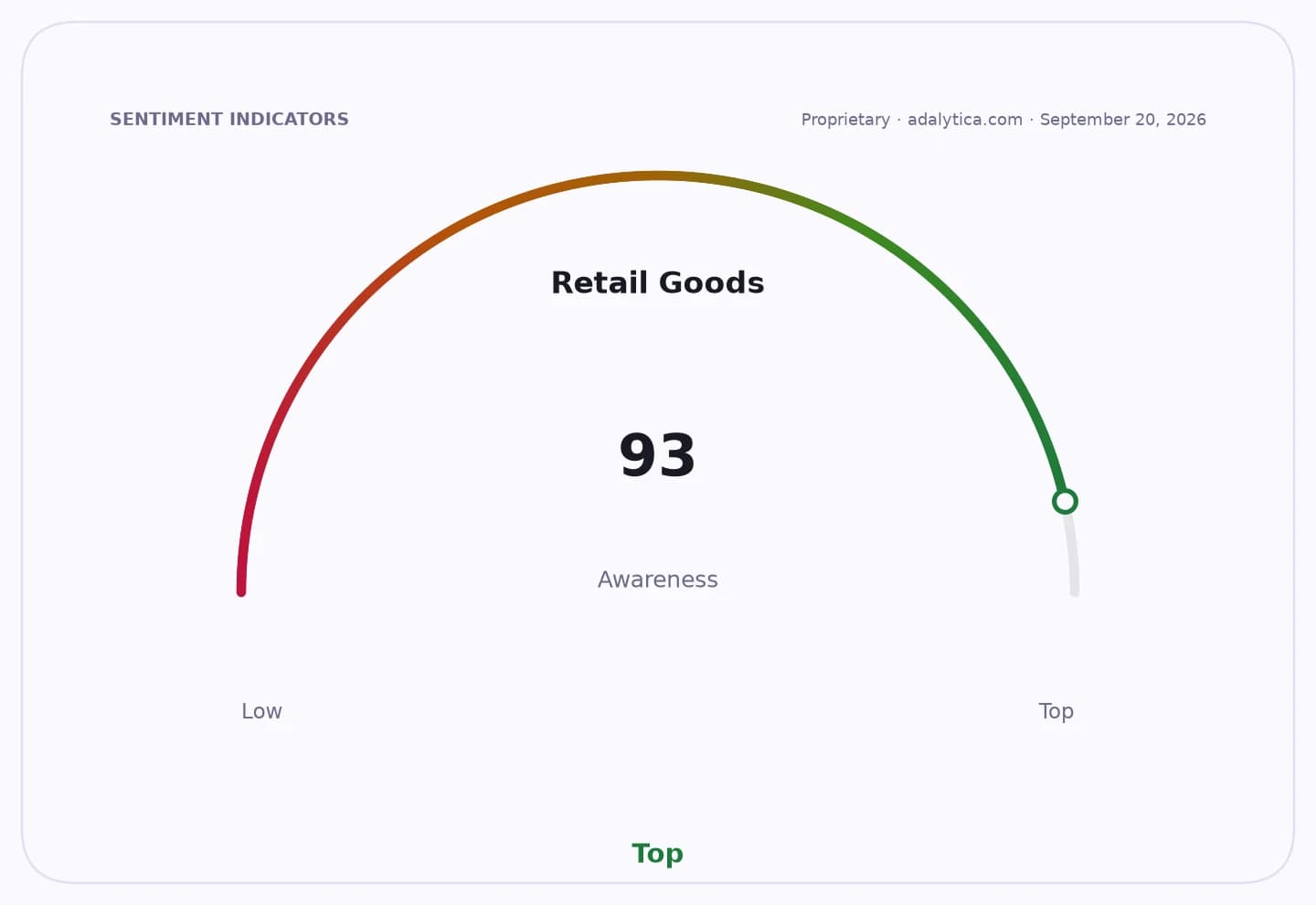
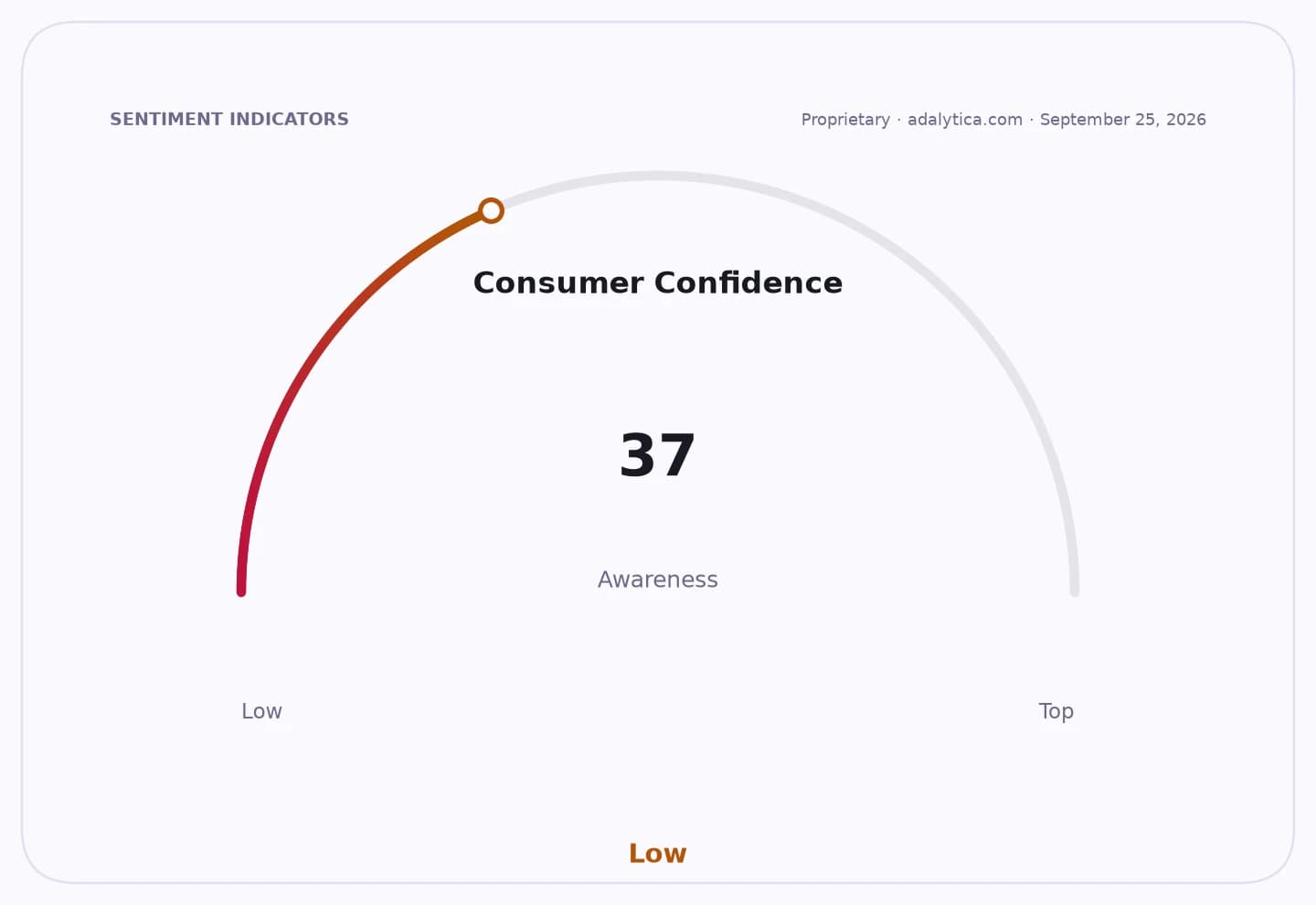
Kroger is trying to hold its ground in a grocery market where prices are moving faster than shelf tags can keep up, while rising fuel costs and relentless competition from Walmart and Target threaten to squeeze both volumes and margins.
Kroger shares rise as grocery inflation and fuel costs weigh
The immediate investor issue is not just whether Kroger can pass through higher costs, but whether it can do so without losing traffic to bigger rivals that are using scale, digital pricing and promotions to lock in value-conscious shoppers. The warning sign is that grocery inflation is becoming less predictable again, even as retailers continue to trim prices in some markets.
That matters for the sector because food retail operates on thin margins and small changes in basket mix, fuel expense and promotional intensity can have an outsized effect on earnings. News that Lidl has permanently lowered prices on more than 100 products in Denmark shows how aggressive the price war has become globally, while a surge in diesel in Maine above $6 a gallon is another reminder that transport costs can ripple through distribution and shelf prices.
Kroger’s shares have been volatile over the past year, reflecting how sensitive the stock is to margin outlook and consumer spending patterns. The stock closed at $62.25 on Sept. 15, above its 50-day moving average of $57.69 and near a short-term uptrend, with RSI at 66.4 and a positive MACD reading, suggesting momentum has improved even as the sector faces cost pressure.
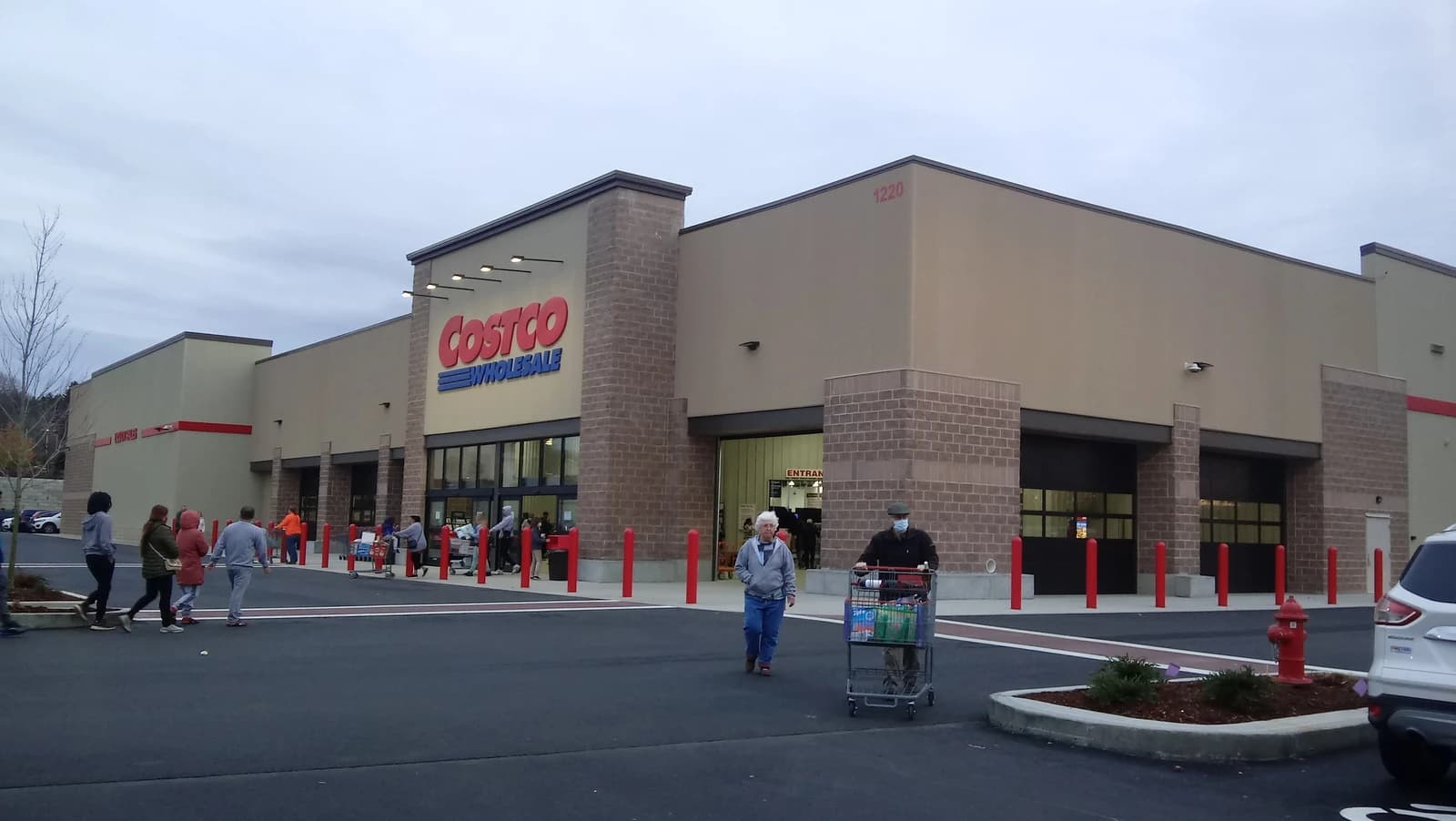
Walmart remains the clearest competitive threat, with its shares trading around $108 and its size giving it more room to absorb price cuts and protect traffic. Target, at about $154 after a powerful run earlier this year, also remains relevant because its recent filings point to benefits from tariff refunds, merchandising gains and supply-chain improvements that could help it compete more effectively on value.
For Kroger investors, the key catalyst is whether upcoming sales updates show that shoppers are still trading down into grocery staples without abandoning the chain’s stores or digital channels. The bigger risk is that a fresh round of food and fuel inflation forces retailers back into heavier discounting just as consumers remain cautious and price-sensitive.
| Entity | Gains | Losses |
|---|---|---|
| Kroger | ▲Stable traffic if pricing holds | ▼Margin pressure from promotions |
| Walmart | ▲Share gains from scale pricing | ▼Smaller upside if inflation eases |
| Target | ▲Value perception improves | ▼Grocery competition stays intense |
| Consumers | ▲Lower shelf prices in some markets | ▼Higher fuel and food costs elsewhere |