The price of bread in Gümüşhane stayed at 20 lira, but the loaf got smaller, turning a local tariff change into a clear example of shrinkflation in one of Turkey’s most sensitive household staples.
Gümüşhane Bread Price Holds at 20 Lira
The new pricing schedule leaves the headline tag unchanged for a 250-gram loaf, down from 280 grams previously, lifting the effective kilogram price by 12%. That means consumers are paying the same cash amount for less bread, a subtle but economically meaningful increase that preserves nominal affordability while still raising the real cost of buying daily food.
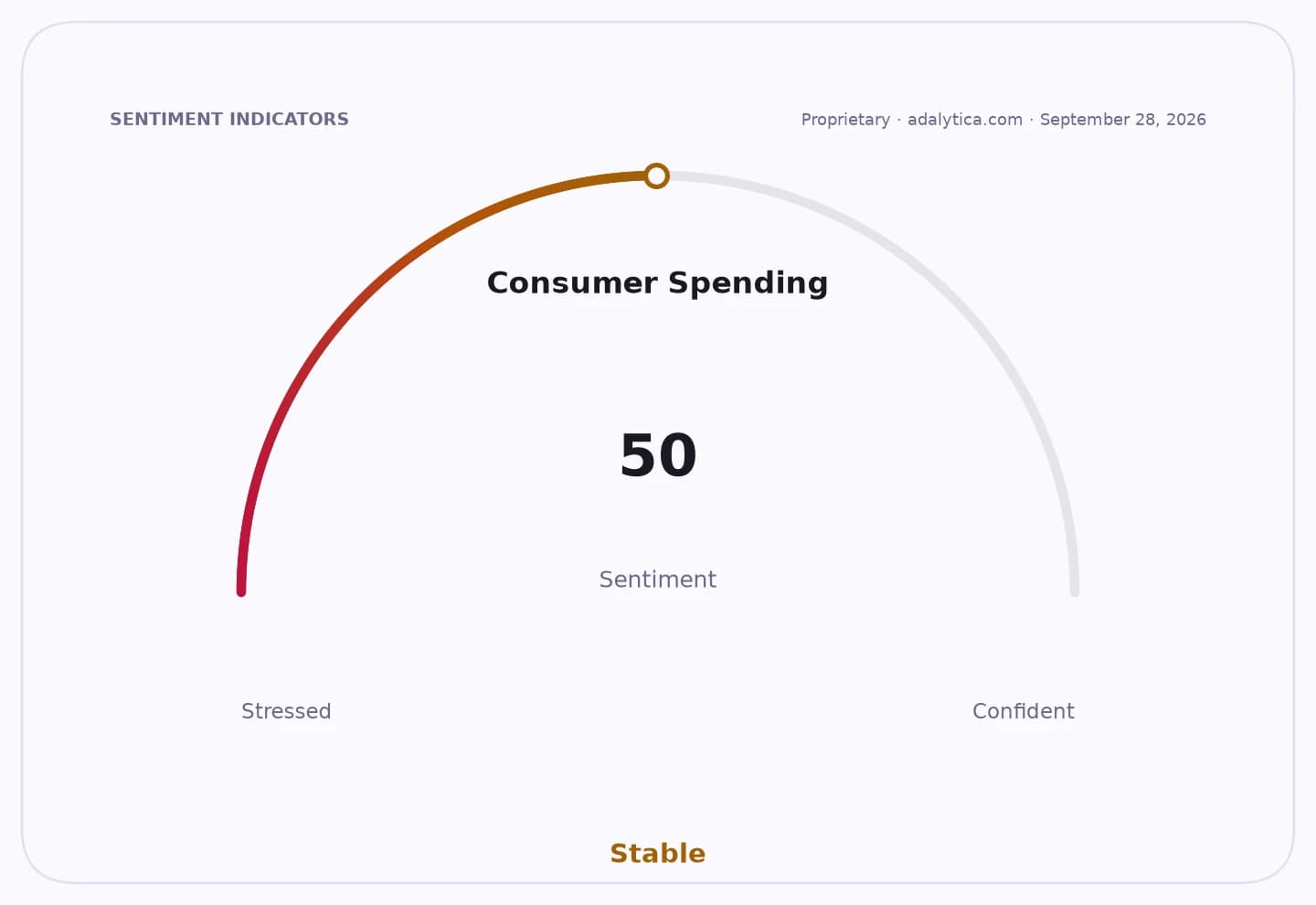
Sentiment IndicatorsⓘProprietary · adalytica.com · September 28, 2026
This is a snapshot — live sentiment, awareness and momentum for 130+ markets update continuously in the dashboard.Open AlphaPulse
That matters because bread is not a discretionary purchase in Turkey; it is a basic inflation barometer and a politically sensitive item that households notice immediately. Even when the sticker price is unchanged, a cut in grammage pushes up unit prices and erodes purchasing power, especially for lower-income buyers who spend a larger share of income on food. The move also shows how bakeries and local pricing boards are adapting to higher input costs without forcing a visible jump in the shelf price.
The change comes against a broader backdrop of food inflation pressures that have been building across Europe and global commodity markets. Rising flour, energy and logistics costs have made it harder for producers to absorb higher expenses, while governments are struggling to shield consumers without distorting markets further. In that environment, smaller portions at the same price are often the path of least resistance for suppliers trying to protect margins.
Gümüşhane’s new tariff also highlights that the burden is being redistributed across products rather than eliminated. While plain bread and simit were reduced in weight, pide grammage was increased, suggesting local bakers and regulators are balancing product-specific costs and demand patterns rather than applying one uniform adjustment. The 1-kilogram bread price of 80 lira provides a clearer view of underlying unit pricing pressure than the unchanged 20-lira retail tag.
For investors, the story is a reminder that food inflation can remain sticky even when official price labels look stable. The squeeze on household budgets can affect consumer spending patterns, support demand for discount retail and basic staples, and keep pressure on policymakers to respond with subsidies or tax relief. It also underscores the importance of monitoring agricultural inputs, transport costs and wage pressures, all of which feed into margins for food producers and retailers.
The immediate question is whether these kinds of packaging and grammage adjustments spread further as costs rise. If they do, consumers will continue to experience inflation in ways that are less visible than outright price hikes but no less real, keeping food affordability at the center of both economic policy and market risk.
| Entity | Gains | Losses |
|---|---|---|
| Bakers/producers | ▲Protect margins | ▼Face consumer backlash |
| Consumers | ▲No headline price hike | ▼Buy less bread |
| Food retailers | ▲Easier pricing optics | ▼Margin pressure remains |
| Policymakers | ▲Delay visible inflation spike | ▼Face affordability pressure |