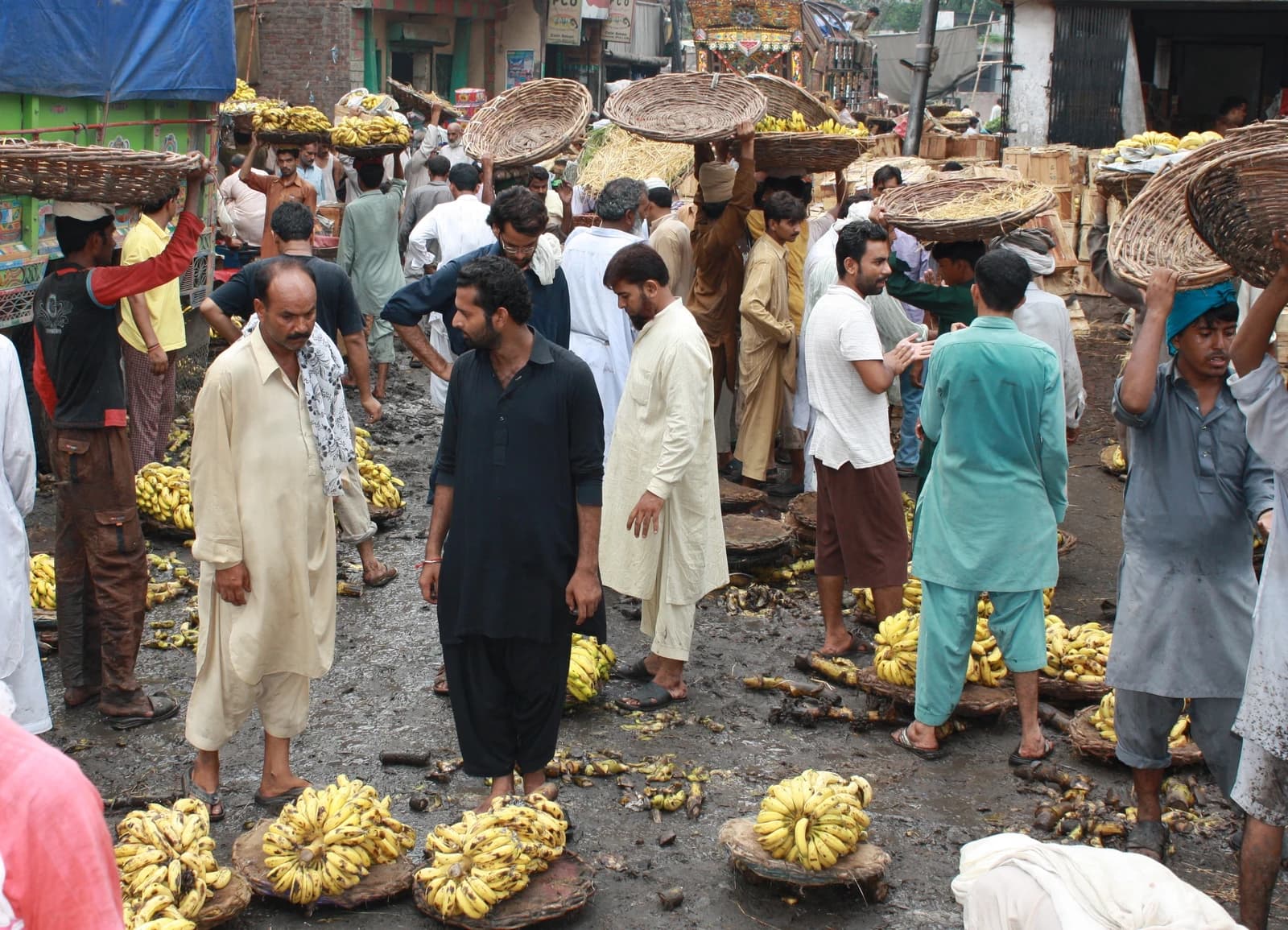
Cabbage, potatoes and onions became cheaper in Russia’s Kaluga region over the past week, a sign that seasonal supply is easing consumer food inflation even as broader price pressures remain uneven.
Kaluga cabbage, potatoes and onions fall in price
The region’s government said white cabbage fell 5.13%, potatoes 5.47% and onions 2.05% in the week to Sept. 2, while chilled and frozen chicken slipped 1.25%. Sugar rose 2.41% and fresh cucumbers 3.14%, but officials said there was no food shortage in the region.
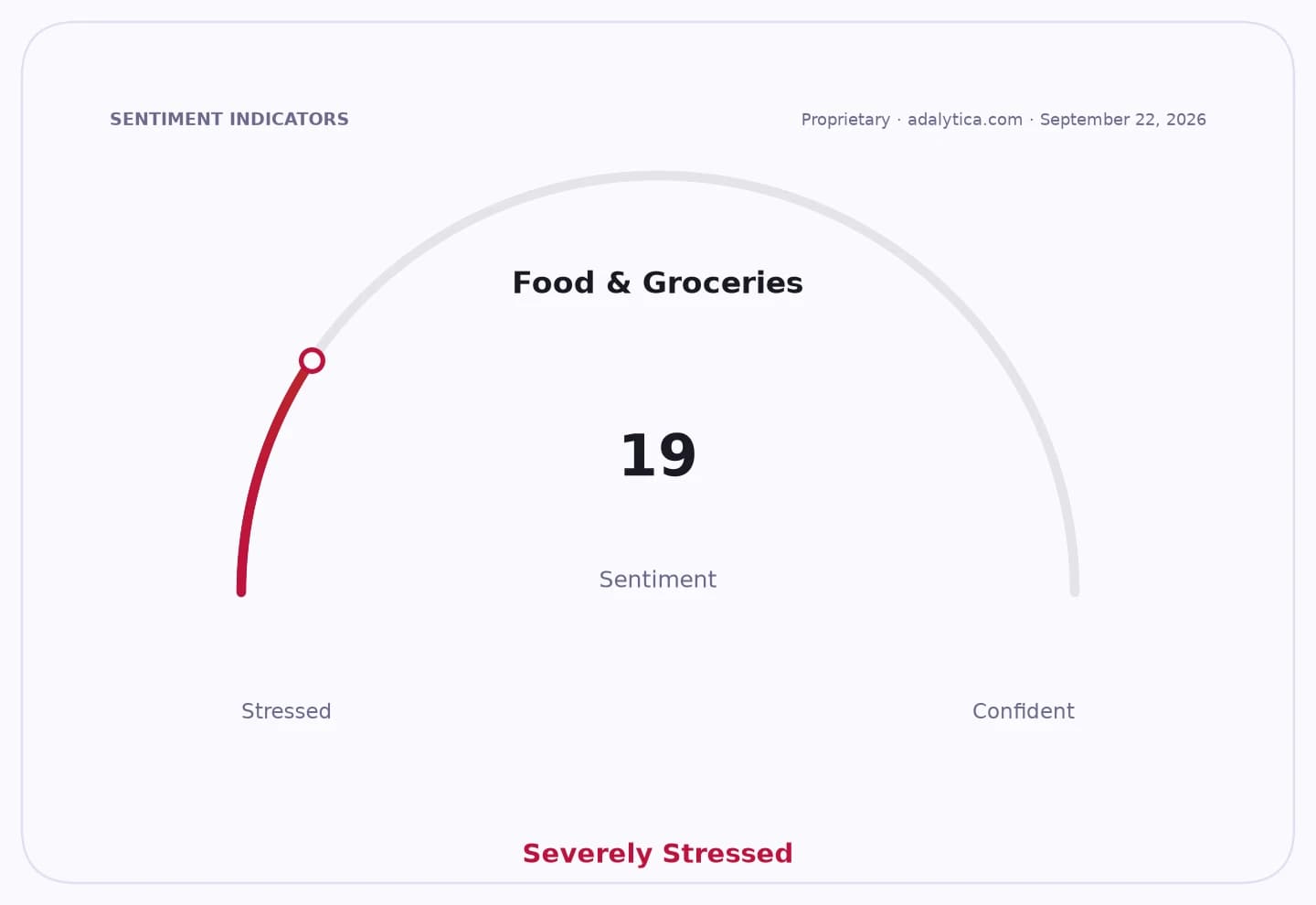
Sentiment IndicatorsⓘProprietary · adalytica.com · September 4, 2026
This is a snapshot — live sentiment, awareness and momentum for 130+ markets update continuously in the dashboard.Open AlphaPulse
For households, the move matters because staples such as potatoes and cabbage carry outsized weight in daily spending and often act as a quick gauge of local inflation trends. A decline in these foods can temporarily ease pressure on lower-income consumers, who are most exposed to swings in basic grocery prices. It also suggests the market is being supported by normalizing seasonal supply, rather than a deeper demand slump.
The region said it held some of the lowest prices among neighboring areas for sunflower oil, eggs, sugar, biscuits, salt, buckwheat and flour, underscoring relatively good local availability. That helps explain why price declines in vegetables did not come with any sign of shortages or retail stress.
Energy prices were steadier. Fuel at pumps owned by vertically integrated oil companies was unchanged, and Kaluga ranked 10th in the Central Federal District for gasoline prices and third for diesel. That matters because transport and fuel costs feed into food distribution, farm economics and headline inflation more broadly. Stable retail fuel pricing can slow the pass-through into grocery bills, while higher diesel costs would normally pressure produce logistics and future harvest expenses.
The broader backdrop remains inflationary. Rising fuel and energy prices continue to weigh on agricultural and industrial costs in Russia and abroad, making local food price declines notable but not necessarily durable. For investors and policymakers, the key question is whether this is a short-lived seasonal correction or part of a wider cooling in food inflation that could ease pressure on consumers and retail margins.
In the near term, Kaluga’s data points to a mixed inflation picture: cheaper staples, firmer sugar and cucumbers, and unchanged fuel. That combination suggests consumer price trends are still being driven by specific supply conditions rather than a broad, synchronized shift.
| Entity | Gains | Losses |
|---|---|---|
| Kaluga consumers | ▲Lower staple food bills | ▼Limited relief from other price rises |
| Local retailers | ▲Stable supply, no shortage risk | ▼Margin pressure on key vegetables |
| Farmers and food suppliers | ▲Steady demand | ▼Lower prices for cabbage, potatoes, onions |
| Fuel distributors | ▲Unchanged pump prices | ▼Less room to raise margins |