Hungary’s wholesale food market is sending a split inflation signal: melons are getting cheaper, but several vegetables are still rising, underscoring why shoppers keep feeling food costs even when some fruit prices ease.
Hungary wholesale food prices split by produce
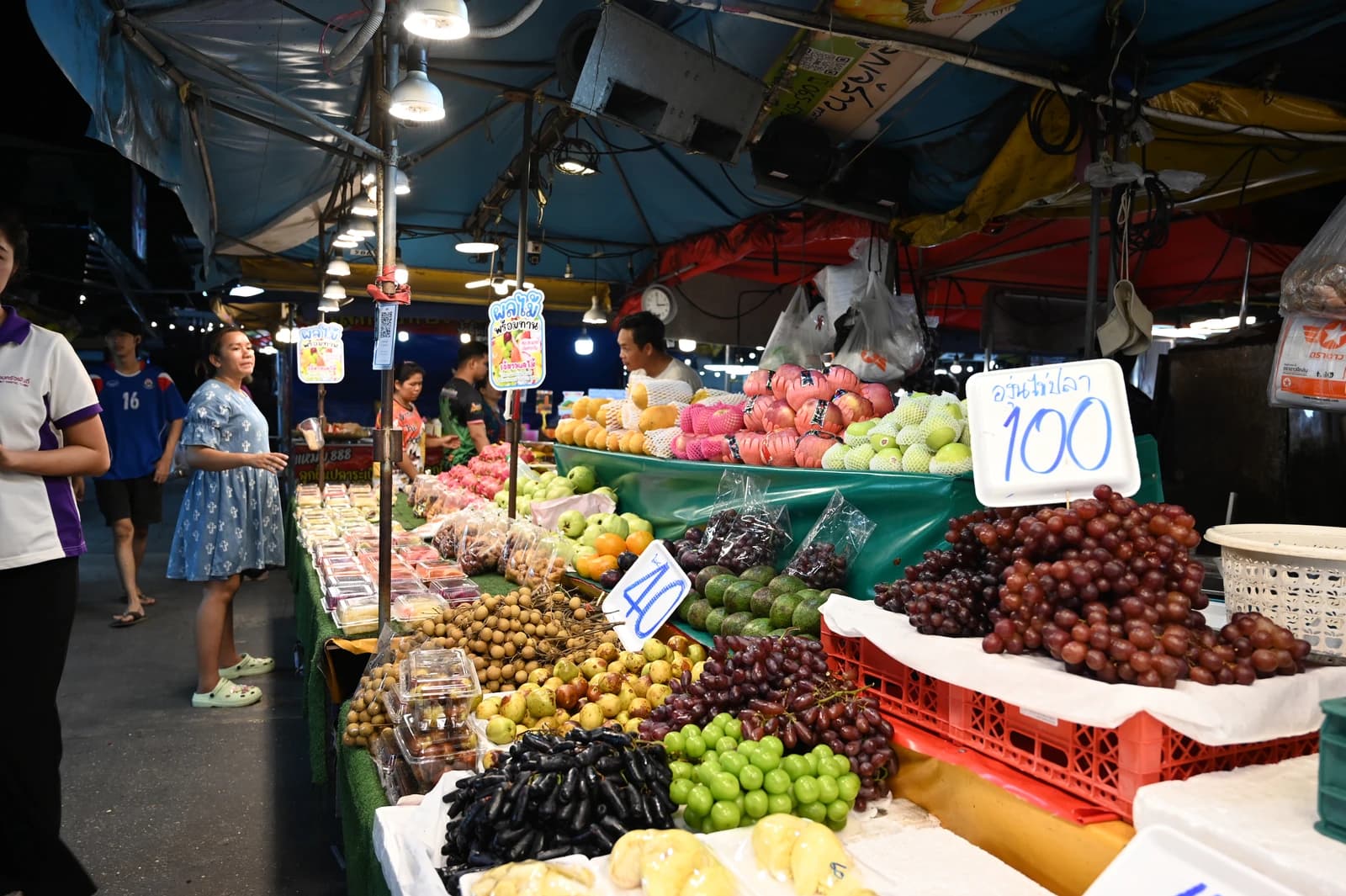
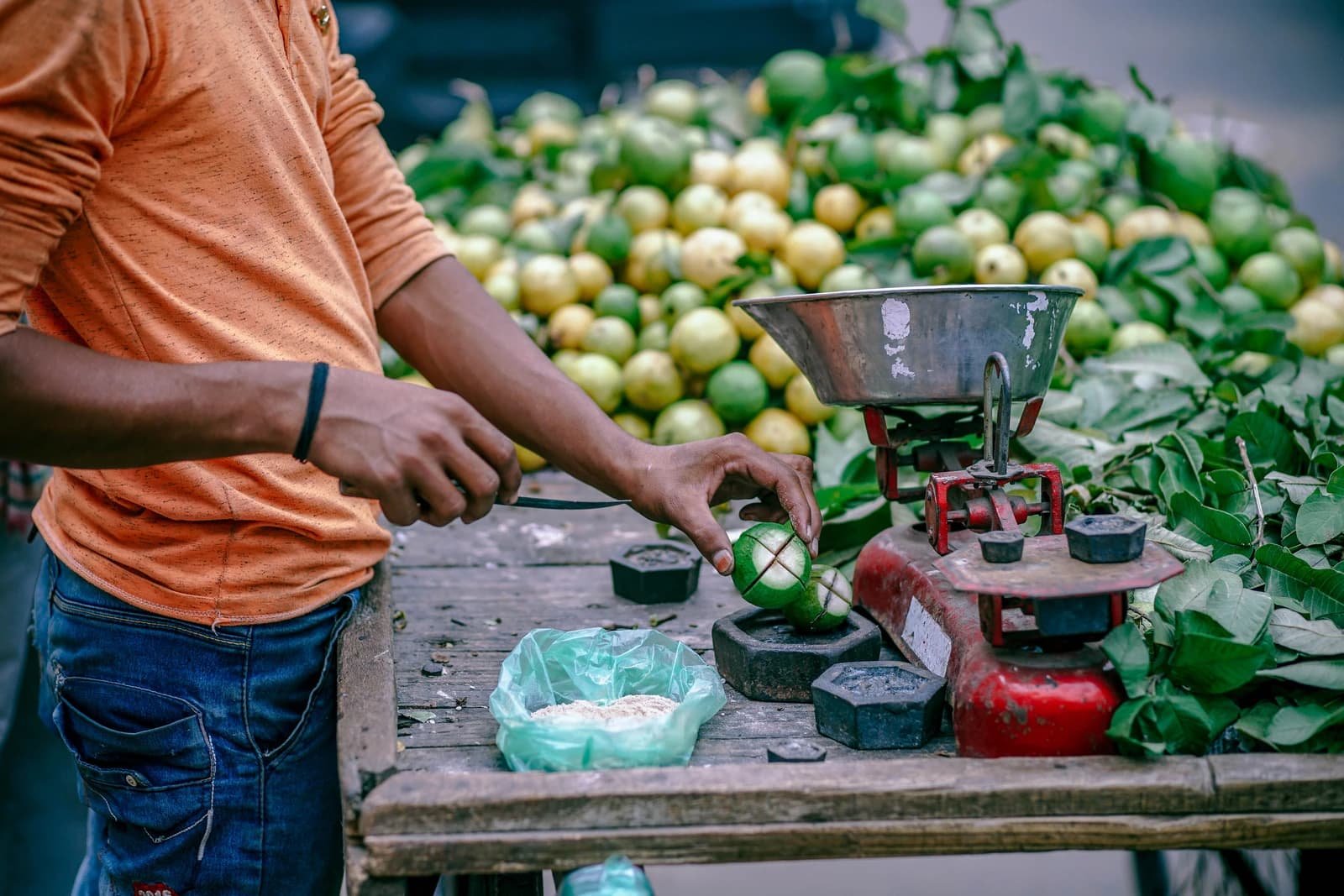
Data from the AKI market information system show yellow melon prices in Budapest’s wholesale market fell 22% to 25% from a year earlier to 300-350 forints a kilogram, while watermelon rose 2.2% to 11.4% to 235-270 forints depending on the variety. Peaches dropped 40% to 45% to 800-825 forints, red table grapes slipped 10% to 675 forints, and Williams pears rose 5% to 785 forints.
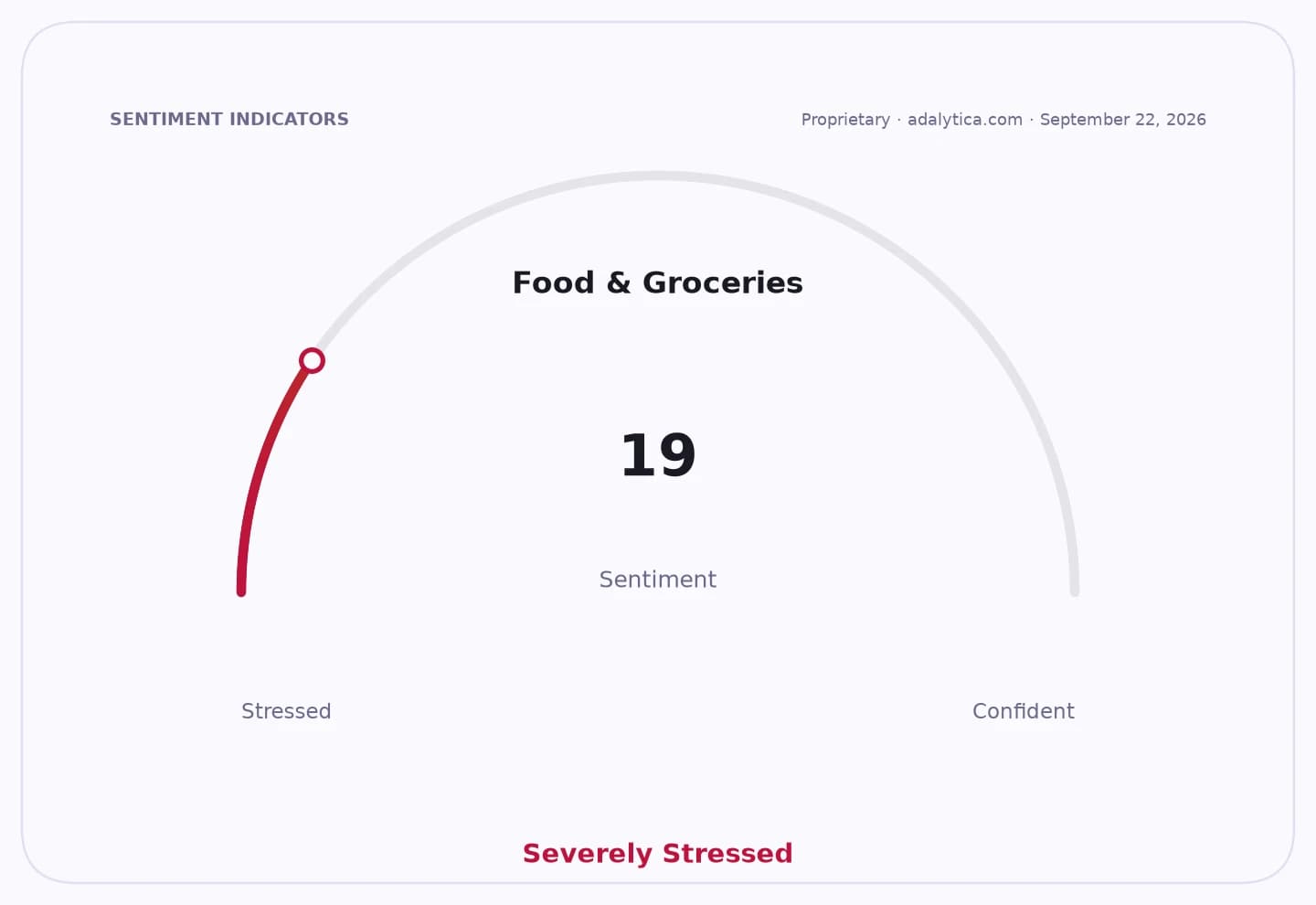
Sentiment IndicatorsⓘProprietary · adalytica.com · September 6, 2026
This is a snapshot — live sentiment, awareness and momentum for 130+ markets update continuously in the dashboard.Open AlphaPulse

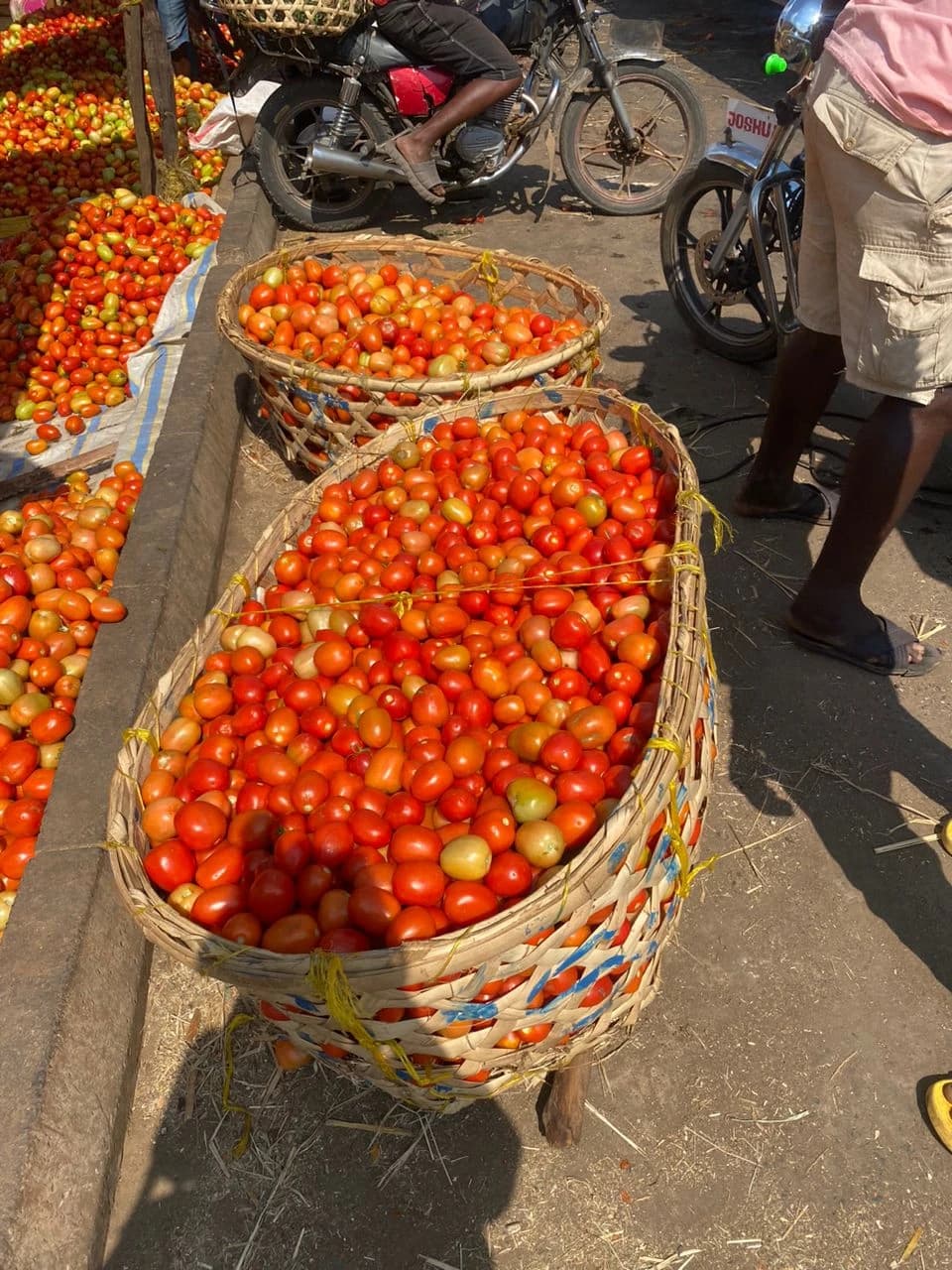
The bigger pressure point remains vegetables. Pepper prices were mixed, with some varieties down more than 10% and others up nearly 40%, while cucumber climbed 16% to 700 forints and carrots rose 20% to 300 forints. Unspecified potatoes were the exception, easing almost 5% to 200 forints a kilogram from a year earlier.
For consumers, the takeaway is that food inflation is no longer moving in one direction. Seasonal supply, weather and crop-specific harvest conditions are creating a narrower set of bargains, even as other fresh produce remains expensive enough to keep pressure on household budgets.
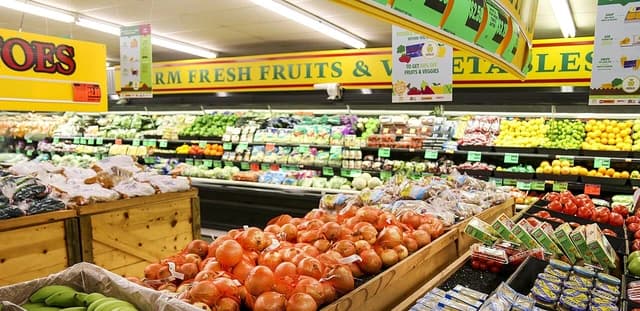
That matters for investors because food-price swings feed directly into inflation readings and into the pricing power of retailers, grocers and food suppliers. Persistent vegetable inflation can support revenue for producers and wholesalers, but it also risks dampening demand and squeezing lower-income consumers.
The split also fits a broader global pattern of food volatility, with supply disruptions and climate effects keeping fresh produce prices uneven across markets. The next catalyst is whether late-season harvests and weather normalize vegetable supply enough to soften prices into autumn.
| Entity | Gains | Losses |
|---|---|---|
| Melon buyers | ▲Lower fruit bills | ▼Less price relief on vegetables |
| Vegetable growers/sellers | ▲Higher realized prices | ▼Demand pressure from shoppers |
| Hungarian households | ▲Cheaper peaches and melons | ▼Higher costs for peppers, carrots, cucumbers |
| Food retailers/grocers | ▲Mix of margin support | ▼Budget-conscious consumers |