Tunisia’s consumer inflation eased to 5.4% in August, but the decline was too modest to change the bigger story for markets: price pressures are still entrenched, especially in food, health and other freely priced goods, limiting the central bank’s room to cut rates aggressively.
Tunisia inflation eases to 5.4% in August
That matters because the inflation mix is what policymakers and investors watch most closely. Headline inflation is off its peak, but core inflation edged up to 4.9% from 4.8%, a sign that underlying price momentum has not broken. Free-market goods rose 6.5% year on year versus just 1.3% for regulated items, while free-market food inflation hit 8.5%. In other words, the disinflation narrative is still fragile, and the parts of the basket that matter most to households are not easing fast enough.
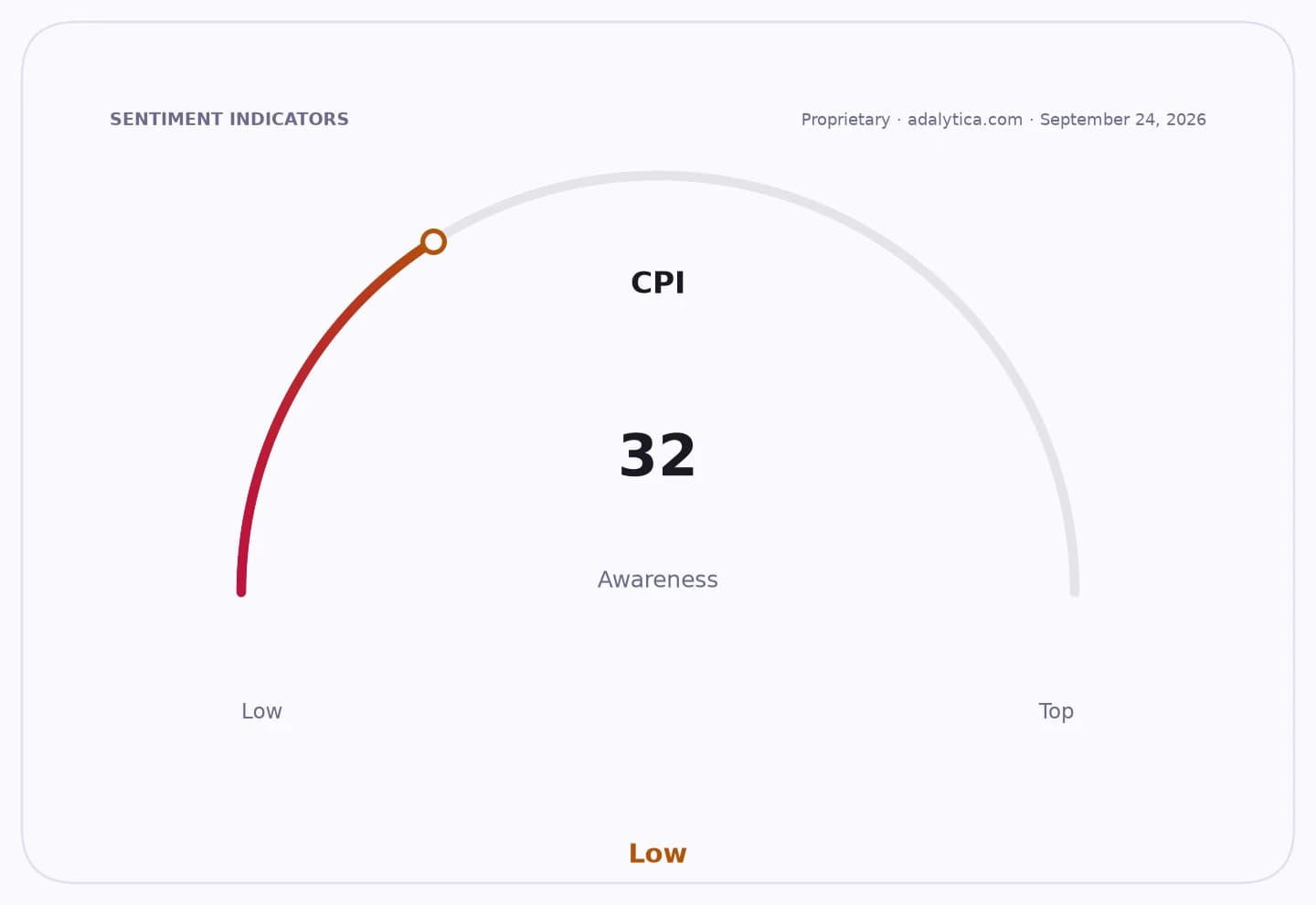
Sentiment IndicatorsⓘProprietary · adalytica.com · September 6, 2026
This is a snapshot — live sentiment, awareness and momentum for 130+ markets update continuously in the dashboard.Open AlphaPulse
Food remains the main pressure point. Prices for poultry jumped 16.5% on the year, sheep meat rose 14.7%, fruit 14.4%, beef 13.6% and fresh fish 10.9%, while edible oils fell 4.3%. Services inflation also stayed firm at 4.3%, helped by a 15.6% surge in hotel prices. Monthly inflation of 0.5% shows the cost squeeze is not over, even with summer clothing sales pulling apparel and footwear down 4.7%.
For investors, that is a signal to keep a cautious stance on local duration and on businesses exposed to consumer purchasing power. Sticky food inflation and a rising core rate mean real household incomes remain under pressure, which can cap discretionary spending and keep pressure on retailers, hospitality and lower-margin consumer names. The market’s best setup is still in inflation hedges, pricing power and selectively in regulated or defensive revenue streams rather than in rate-sensitive domestic cyclicals.
The broader narrative is straightforward: Tunisia is not facing runaway inflation, but it is also not seeing the clean disinflation that would let policymakers declare victory. Until food costs, services and free-market pricing cool more decisively, inflation will stay high enough to matter for wages, consumption and borrowing costs. That makes the next policy move far more likely to be cautious than aggressive, and it keeps the burden on the central bank to preserve credibility while the economy waits for relief.
| Entity | Gains | Losses |
|---|---|---|
| Tunisia consumers | ▲Some relief from headline inflation | ▼Real purchasing power still squeezed |
| Central bank | ▲More room to avoid panic | ▼Less room to cut rates fast |
| Food producers / sellers | ▲Pricing power on staples | ▼Demand risk if inflation persists |
| Consumers of discretionary goods | ▲Temporary apparel discounts | ▼Ongoing pressure from food and services |