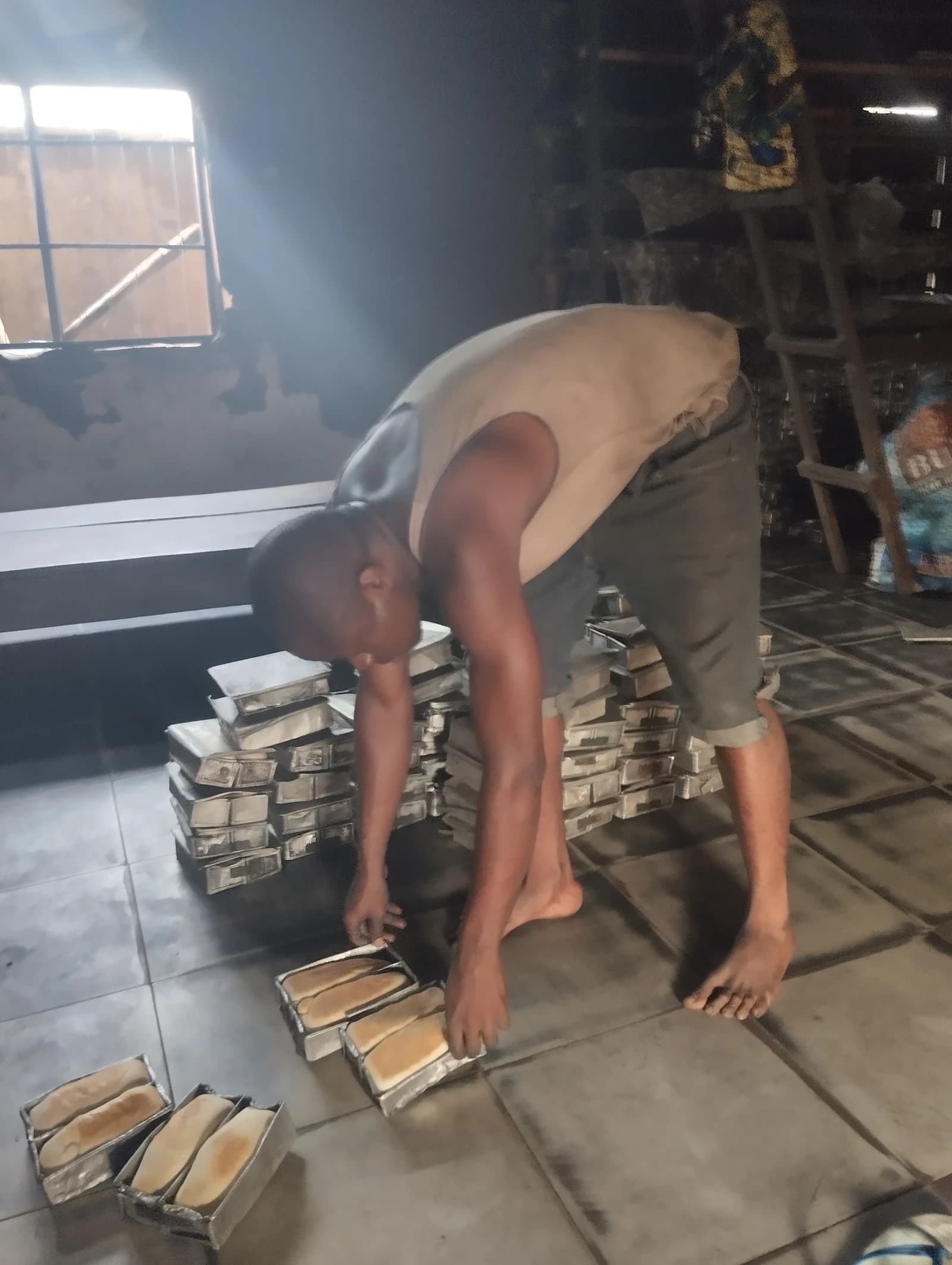
Lebanon’s bread prices are under renewed pressure, with bakers warning that a recent 5,000-lira increase is not enough to cover surging fuel and raw-material costs.
Lebanon bread prices rise as bakers cite costs
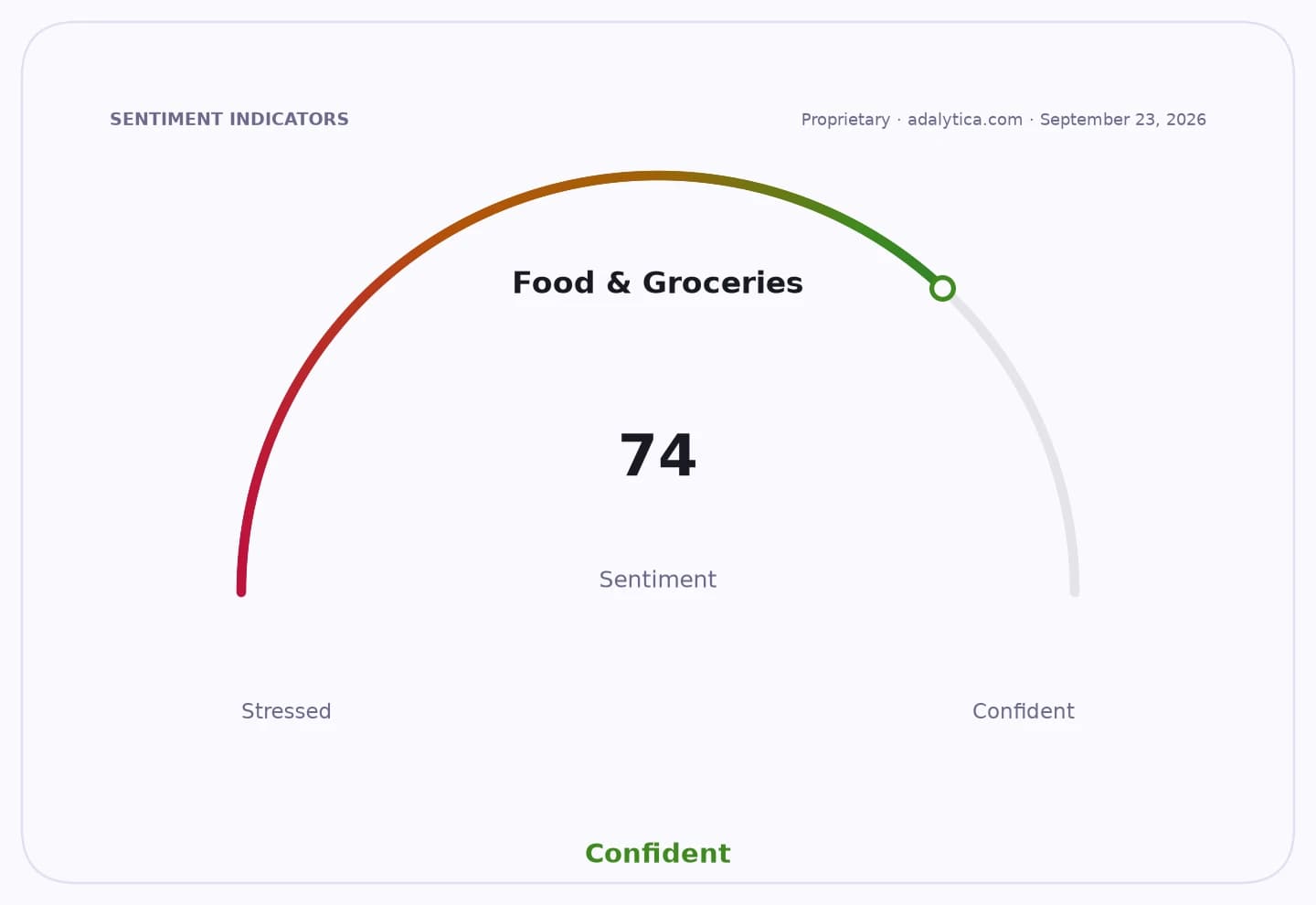
That matters because bread remains one of the country’s most politically sensitive staple goods and a quick transmission channel for imported inflation. In a dollarized, import-dependent economy, any fresh increase in diesel or wheat-related input costs feeds through rapidly to bakery margins and, ultimately, to household budgets already strained by years of currency collapse and high living costs.
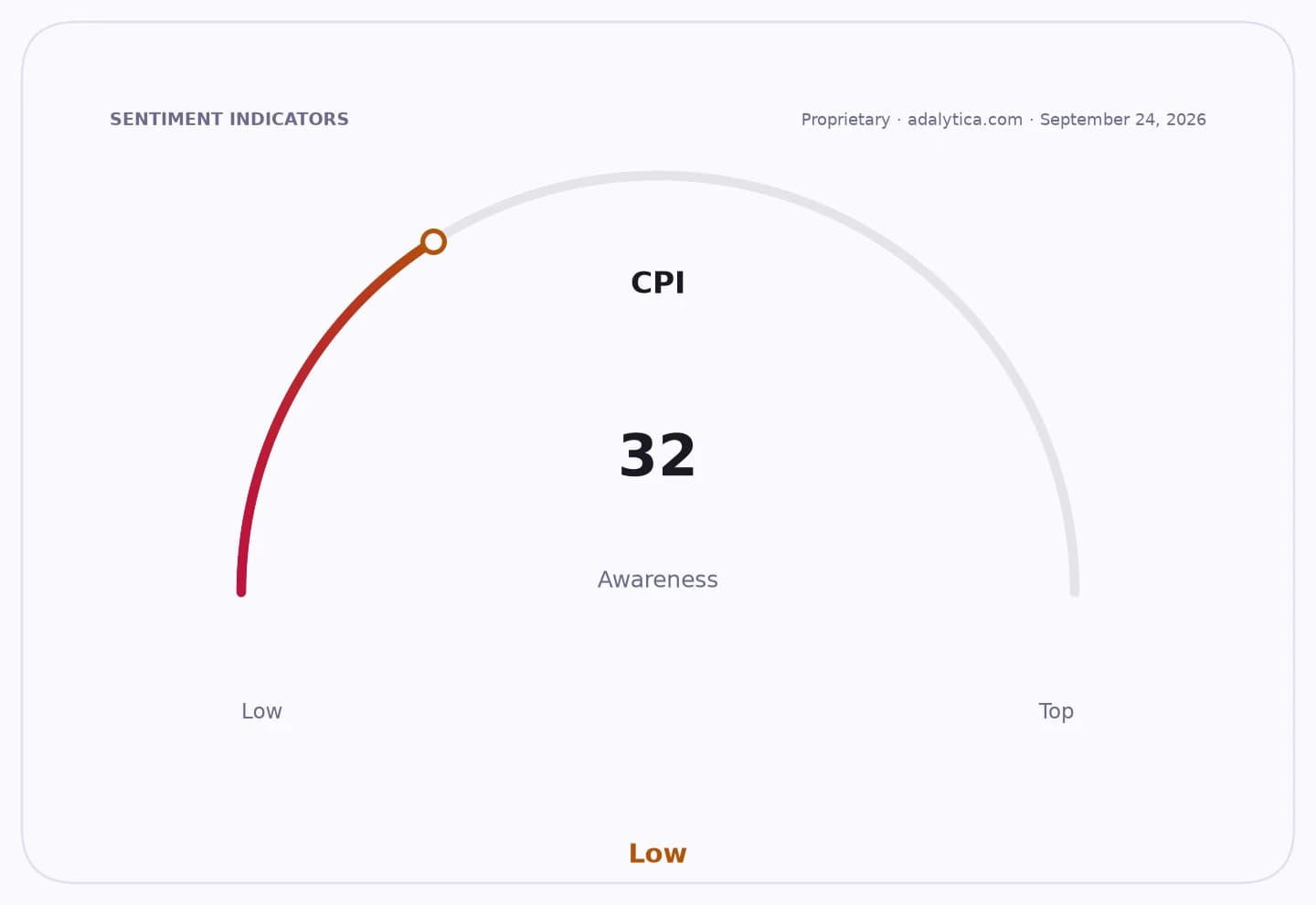
Sentiment IndicatorsⓘProprietary · adalytica.com · September 24, 2026
This is a snapshot — live sentiment, awareness and momentum for 130+ markets update continuously in the dashboard.Open AlphaPulse
According to local reporting cited in the context, bakery owners say the new pricing formula introduced last week is being overtaken by the rise in mazout, the fuel that powers ovens and deliveries, as well as by other ingredients. The implication is that official pricing lags behind real costs, a familiar pattern in Lebanon where regulated or semi-regulated staples often adjust only after margins have already been squeezed.
The broader macro backdrop is not helping. Global oil benchmarks have been volatile, with Brent-linked energy costs still elevated enough to keep transport and production expensive. At the same time, the US dollar remains extremely strong, making imported goods costlier in local-currency terms. For a market like Lebanon, where wheat, fuel and other essentials are largely imported, that combination raises the risk that bread inflation becomes self-reinforcing.
For investors, the immediate impact is less about a direct equity trade than about what it says regarding Lebanon’s fragile consumer economy and pricing power in basic staples. Food inflation can quickly spill into broader social pressure, complicate subsidy policy and undermine demand for packaged foods and retail goods. Suppliers and distributors may preserve margins if prices reset, but households and smaller businesses bear the burden.
The key question is whether authorities allow another price adjustment or try to hold the line to limit public backlash. If fuel stays firm and the currency remains weak, the odds favor another increase. If oil eases further and import conditions improve, the pressure may abate — but for now, bread in Lebanon remains a live inflation story, not a settled one.
| Entity | Gains | Losses |
|---|---|---|
| Bakers | ▲Margin relief if prices rise | ▼Squeezed by fuel and input costs |
| Consumers | ▲None if prices stabilize | ▼Higher food bills |
| Importers of wheat/fuel | ▲Pass-through of higher costs | ▼Currency and logistics pressure |
| Lebanese authorities | ▲Avoid immediate shortages if pricing adjusts | ▼Face political backlash from inflation |