Egypt’s companies are still being squeezed by inflation, fuel costs and logistics disruptions even as consumer price pressures have eased, leaving the business sector under strain just as global oil prices jump back above $100 a barrel.
Egypt companies face higher costs as oil tops $100
That matters because Egypt’s economy is far more exposed than most to imported inflation. When energy and shipping costs rise, the hit lands quickly on manufacturers, retailers and transport firms that already face tighter margins, weaker purchasing power and a currency that keeps amplifying dollar-denominated costs. The latest signal is a reminder that softer headline inflation does not mean businesses have escaped the inflation shock — it just means the pressure has shifted deeper into the supply chain.
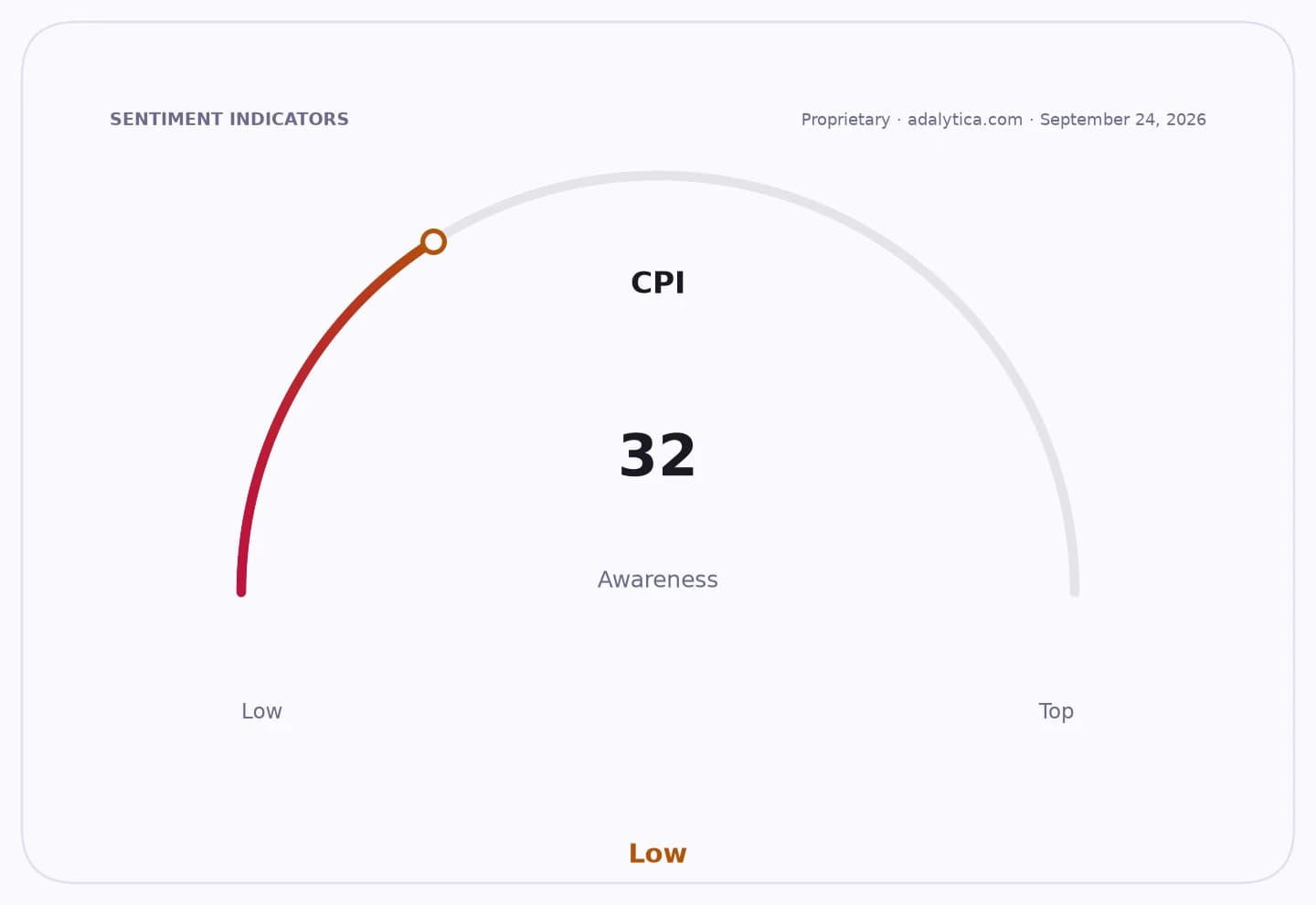
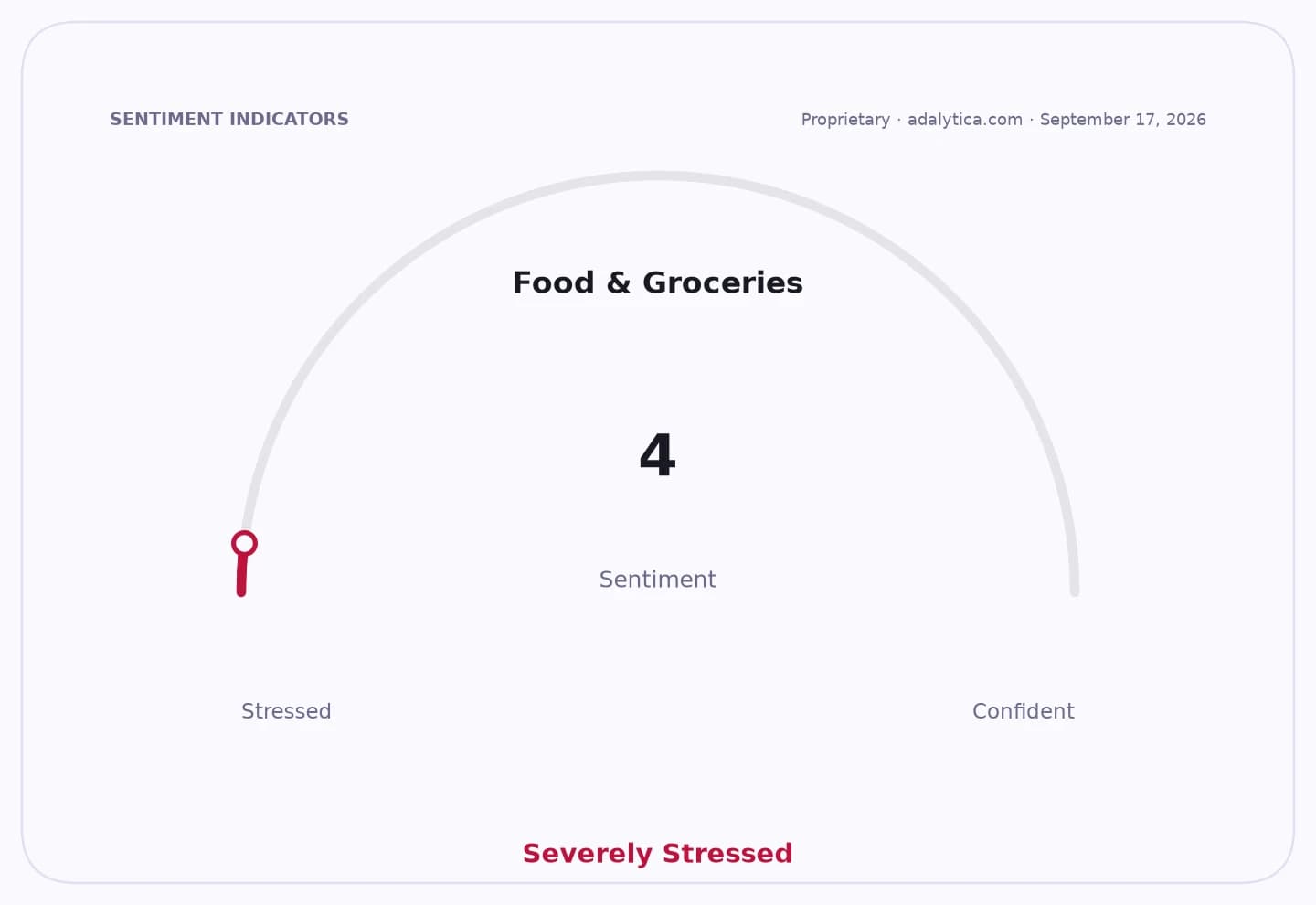
Sentiment IndicatorsⓘProprietary · adalytica.com · September 16, 2026
This is a snapshot — live sentiment, awareness and momentum for 130+ markets update continuously in the dashboard.Open AlphaPulse
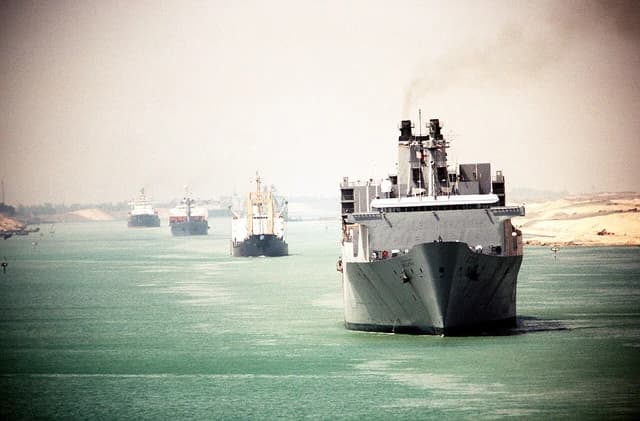
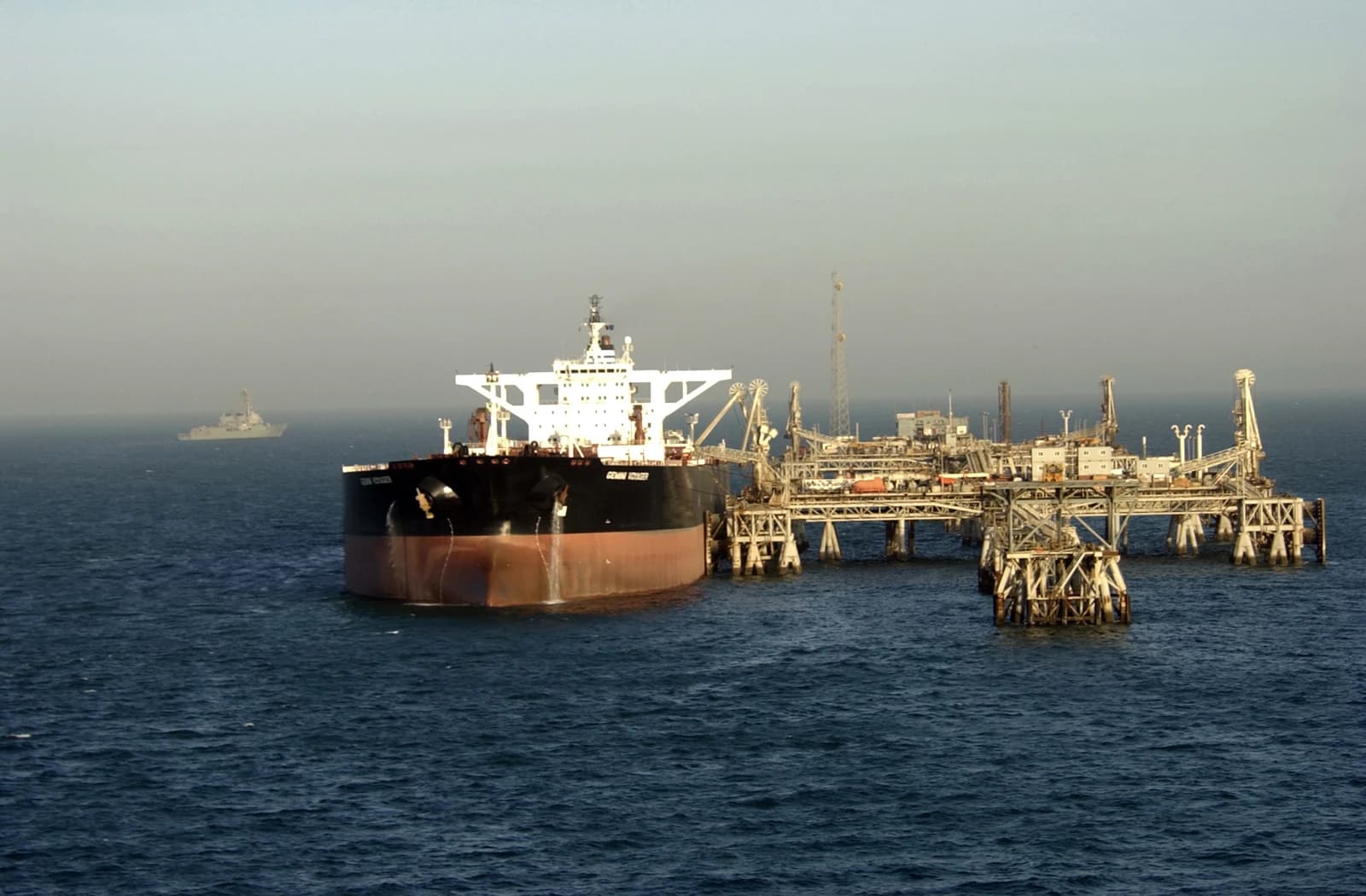
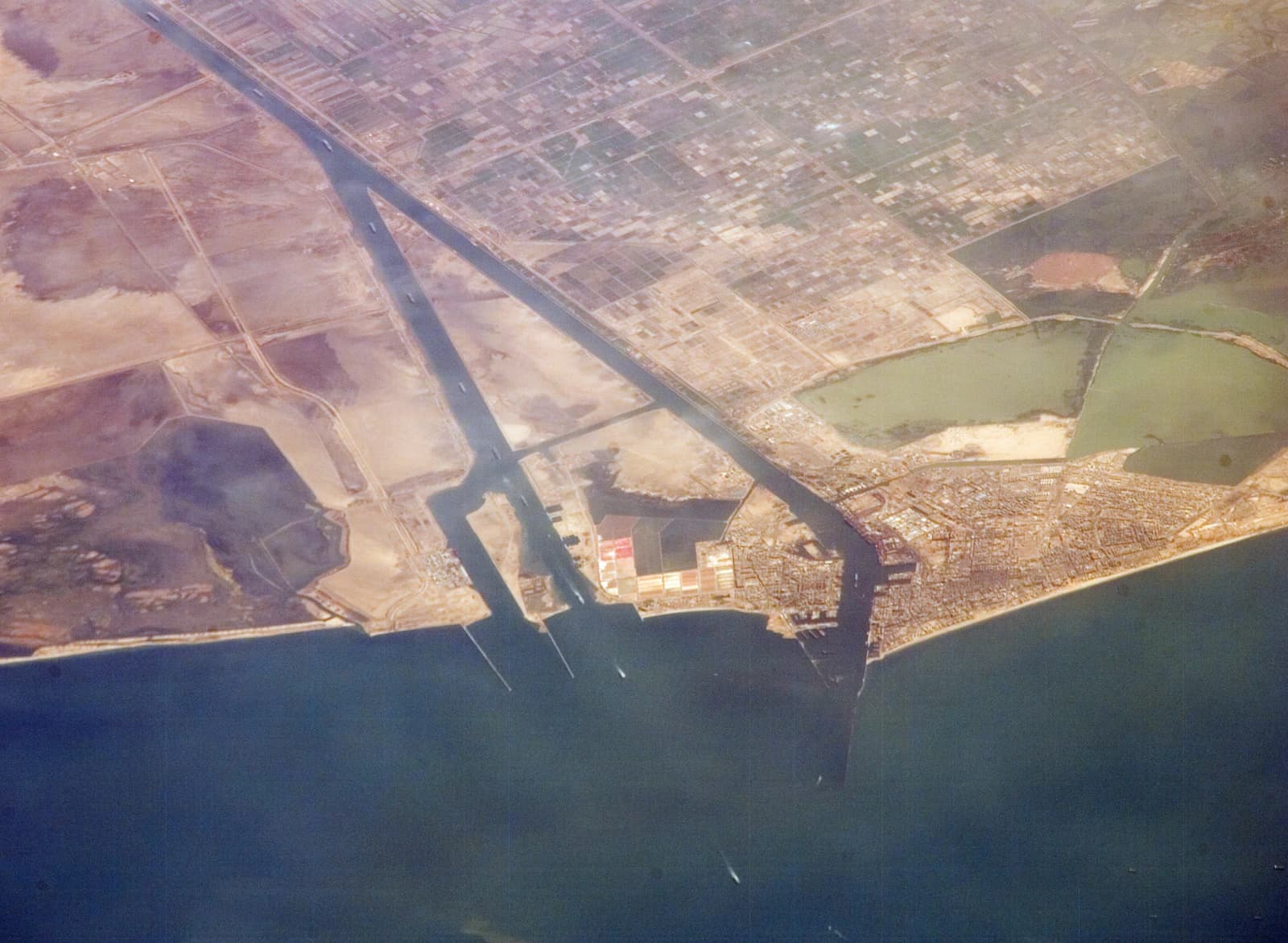
Global oil has been the key accelerant. Brent-equivalent U.S. crude prices have surged back to around $102 a barrel and touched more than $105 this week, according to market data, a move that raises Egypt’s fuel import bill and feeds directly into freight, power and input costs. For a country that imports much of its energy and relies heavily on shipping through the Suez-linked trade corridor, that is a margin problem first and a macro problem second.
At the same time, consumer inflation in Egypt has eased to 12.7% in August from much higher levels earlier in the cycle, helped by lower food prices. But businesses are not getting the same relief. Dollar strength is still pushing up local currency costs, and the recent rise in gold prices in Egypt shows how quickly a firmer greenback against the pound transmits into domestic pricing. In other words, the inflation story has not ended — it has simply become more selective and more damaging for producers than consumers.
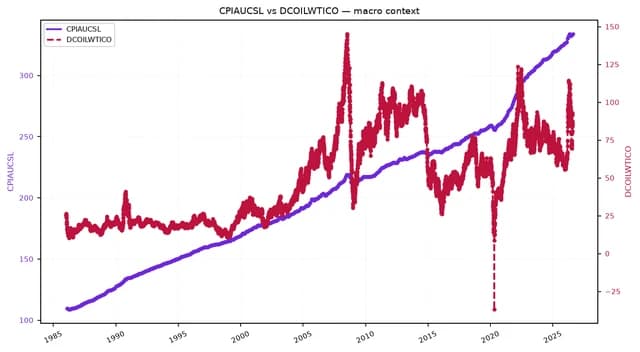
For investors, that creates a familiar bifurcation. Companies exposed to fuel, freight and imported inputs remain under pressure, while businesses with dollar revenues, hard-asset pricing power or direct exposure to global commodities can outperform. Shipping, logistics and transport names may benefit from higher rates and fuel surcharges, but only if they can pass through costs faster than customers push back. Lenders and consumer companies, by contrast, face the risk of slower demand and more stressed credit quality if operating costs keep rising.
The broader lesson is that Egypt’s inflation fight is still hostage to global energy and shipping markets. If crude stays above $100 and the dollar remains firm, local firms will keep absorbing cost shocks even if official price readings improve. That makes the coming months less about whether inflation falls further, and more about which companies can defend margins in a higher-cost economy. For investors, the opportunity is in the few businesses with pricing power, hard-currency earnings or logistics leverage — not the broad domestic basket.
| Entity | Gains | Losses |
|---|---|---|
| Energy exporters | ▲Higher realized prices | ▼None |
| Egyptian manufacturers | ▲Pricing power leaders | ▼Input-cost squeeze |
| Shipping and logistics firms | ▲Fuel surcharges, freight demand | ▼Margin volatility |
| Domestic consumers | ▲Lower food inflation | ▼Higher imported costs |