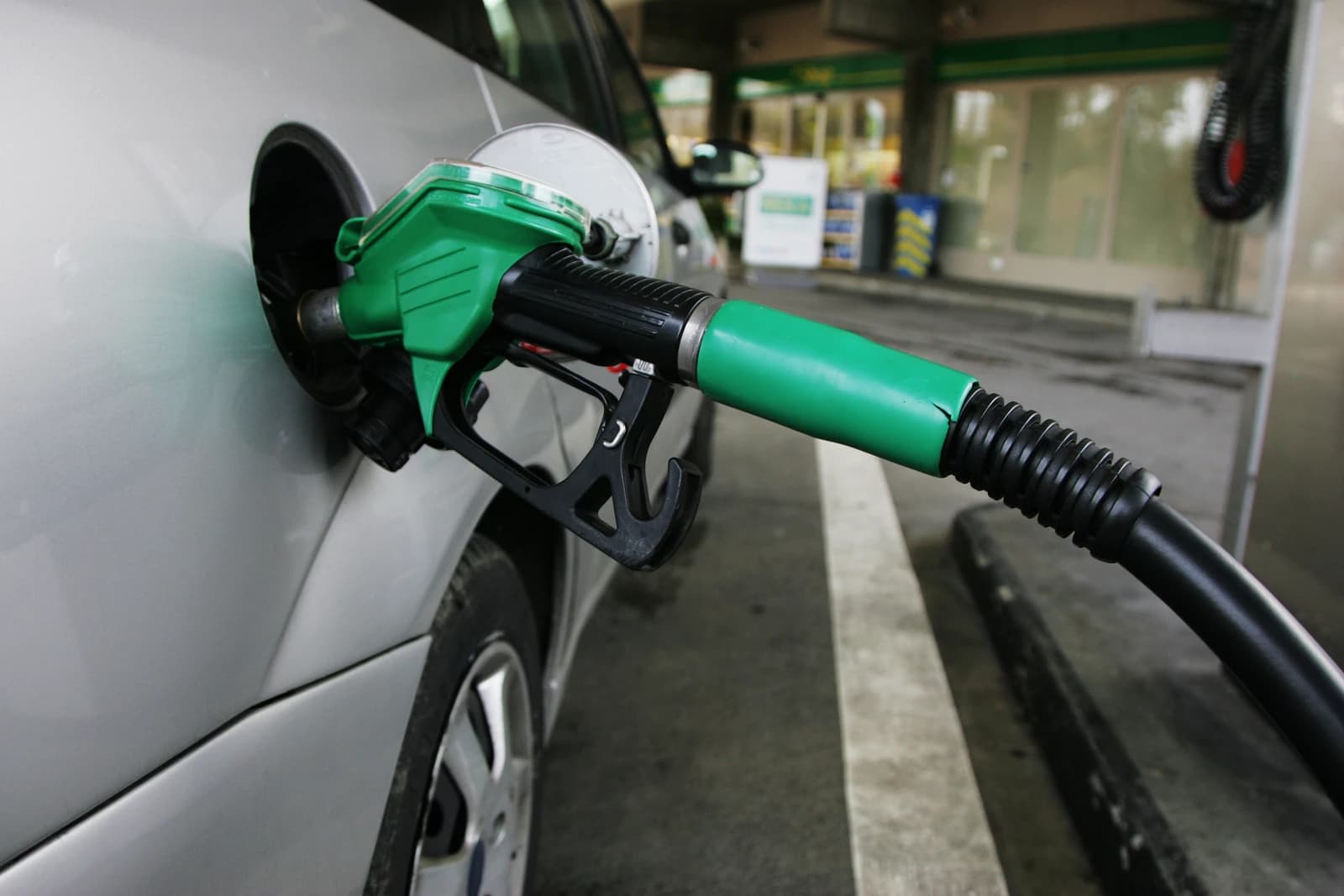
Oil prices have surged back above $100 a barrel, reviving inflation fears and strengthening the case for further rate hikes from major central banks as the war between the U.S. and Iran jolts energy markets.
Oil Above $100 Revives Inflation Fears
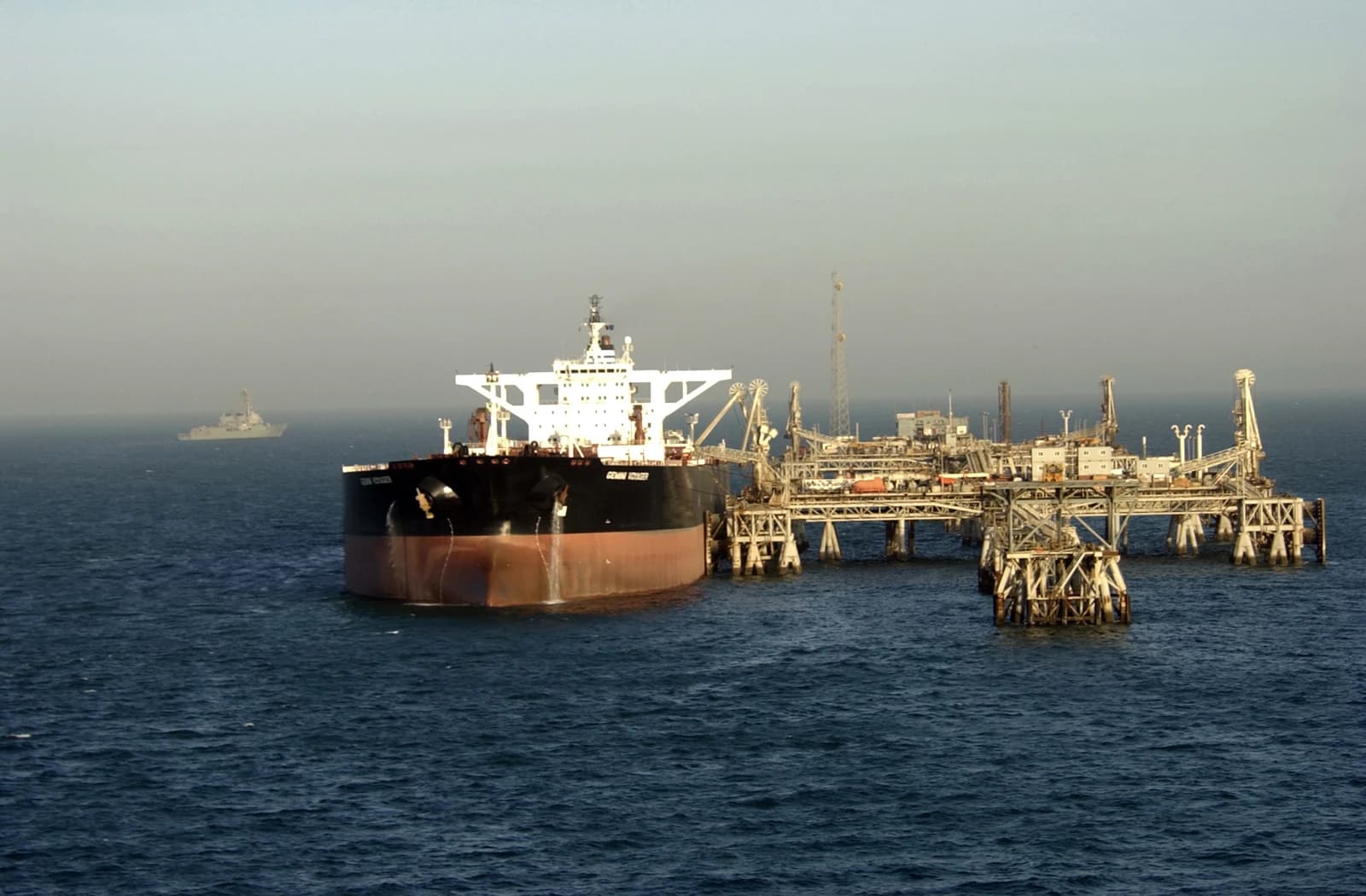
Brent’s move above the $100 threshold for the first time since late July underscores how quickly geopolitical risk is feeding into the global price backdrop. Higher crude costs are the most direct transmission mechanism from conflict to inflation: they lift fuel, transport and production costs, and can spill into broader consumer prices if the shock persists. That matters for policymakers already struggling to convince markets that inflation will return to target without choking growth.
Sentiment IndicatorsⓘProprietary · adalytica.com · September 11, 2026
This is a snapshot — live sentiment, awareness and momentum for 130+ markets update continuously in the dashboard.Open AlphaPulse

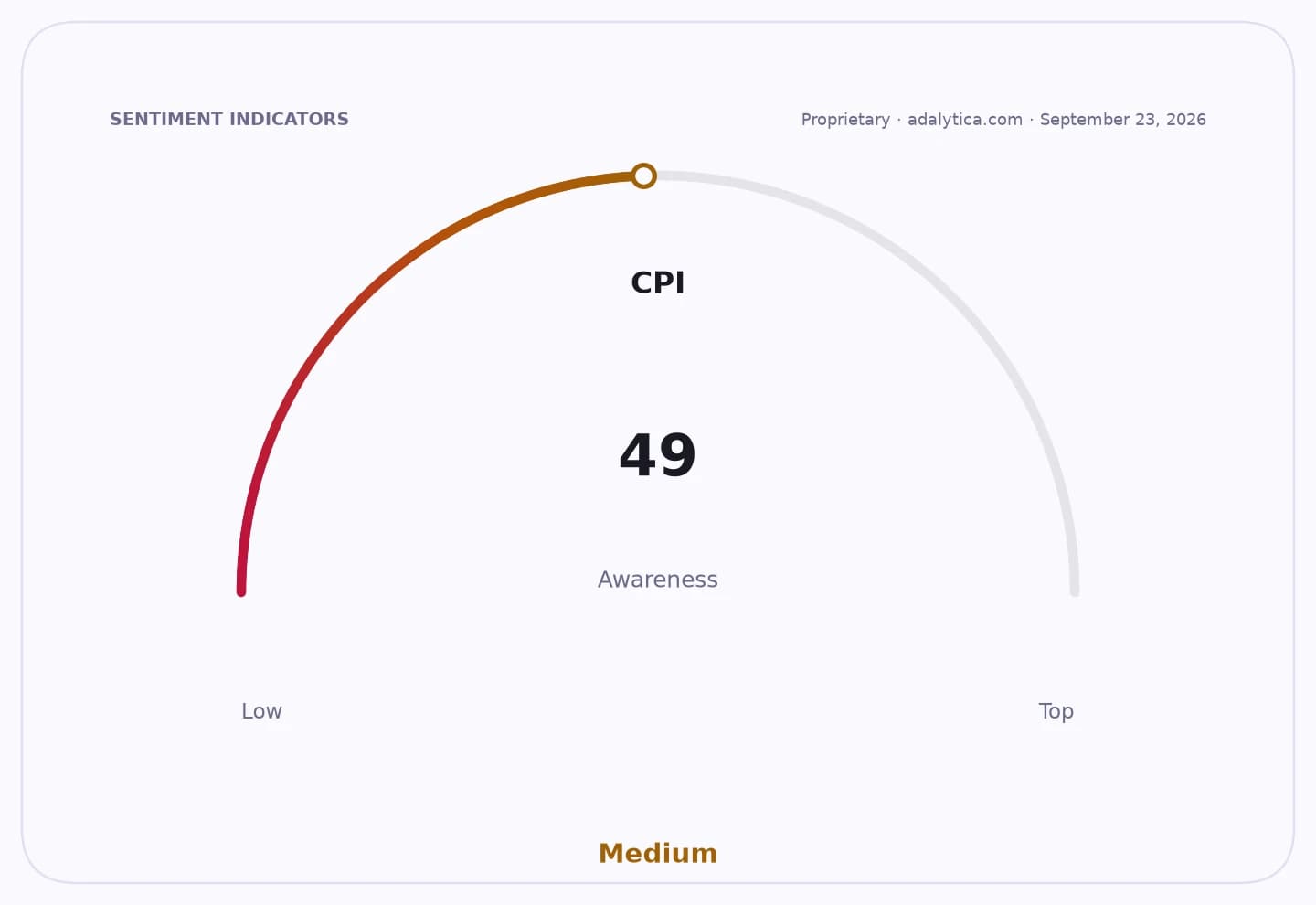
The immediate market read-through has been hawkish. The European Central Bank is widely expected to raise rates by 25 basis points on Thursday, a step aimed at preventing an energy-driven inflation shock from spreading through the economy. Even before the latest oil spike, central banks were under pressure to keep policy restrictive; with crude back above $100, the balance tilts further toward tightening rather than easing. Adalytica’s CPI sentiment gauge has dropped to 10, or “Extreme Fear,” while confidence in the Fed’s 2% inflation target has slipped to 41, reflecting rising unease about the durability of price pressures.
Equity markets are already pricing the implications in sector terms. The energy sector is the clearest winner: the XLE ETF rose to $64.93 and sits well above its 50-day and 200-day moving averages, with RSI readings in overbought territory and the ETF near its Bollinger upper band, a sign of strong momentum. By contrast, industrials have come under pressure. XLI fell to $170.55, below its 50-day average and with RSI near 26, consistent with investors marking down cyclicals that are vulnerable to higher input costs and slower demand if rates stay elevated.
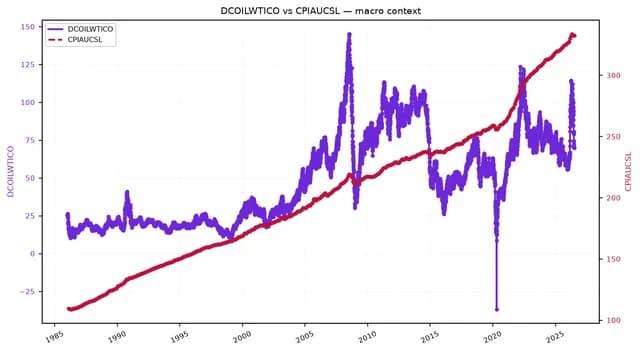
The macro backdrop is more complicated than the headline oil move suggests. U.S. inflation data and export indicators in the broader day’s release calendar reinforce the sense that growth is losing some momentum just as energy prices reaccelerate. That combination is awkward for policymakers because it raises the risk of stagflation-like conditions: sticky inflation paired with softer external demand and tighter financial conditions.
For investors, the message is that the inflation trade is back in play, but in a more selective way. Energy producers and commodity-linked assets benefit from the oil spike, while rate-sensitive sectors, transport names and manufacturers face margin pressure if the surge persists. The key question now is whether the geopolitical shock fades quickly or feeds into broader expectations, forcing central banks to keep policy tighter for longer.
| Entity | Gains | Losses |
|---|---|---|
| Energy producers | ▲Higher crude revenues | ▼— |
| Central banks | ▲Stronger case for hawkish stance | ▼Growth flexibility |
| Industrials and transport | ▲— | ▼Higher input costs |
| Consumers and importers | ▲— | ▼Fuel and living costs |