Back-to-school shopping is still one of the clearest tests of the American consumer, and this year it is exposing a split that long-term investors should pay attention to: families are still spending, but they are shopping harder for value.
Walmart, Target, Five Below on back-to-school spending

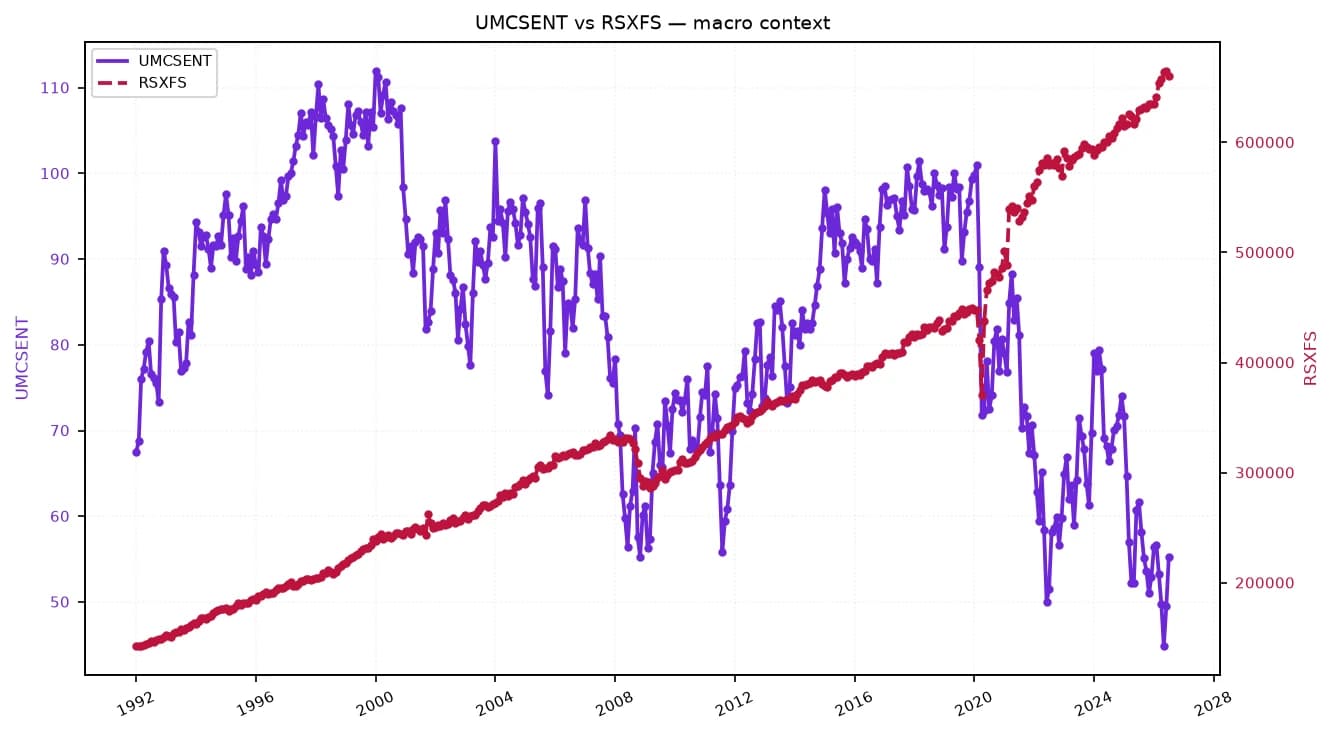
That matters because school-season demand is a powerful read-through for the broader economy. The latest inflation data show consumer prices remain elevated, with the CPI at 332.813 in July after rising to 333.979 in May, while personal consumption spending continues to grind higher. In other words, households are not stopping purchases — they are just being more selective about where every dollar goes.
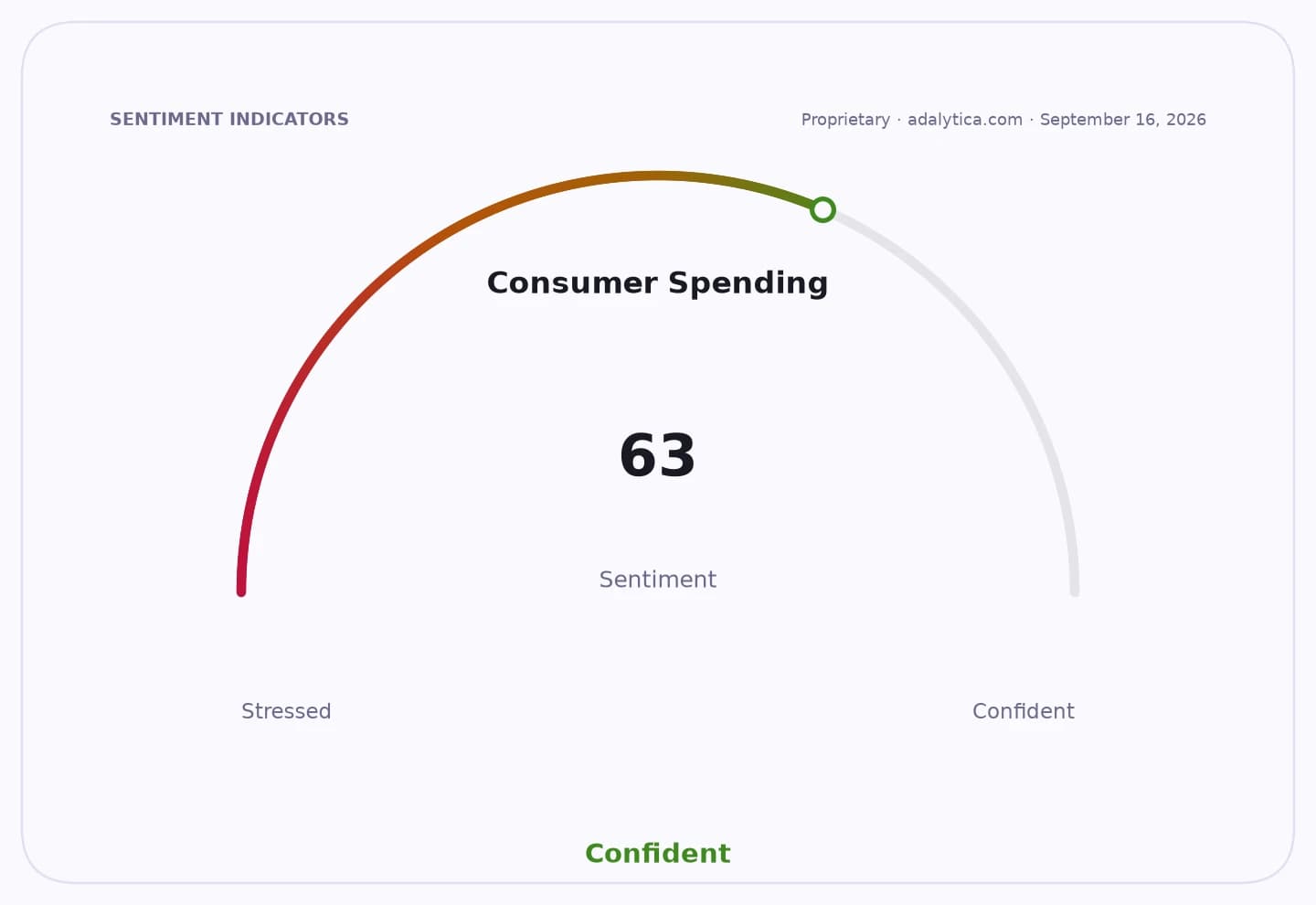
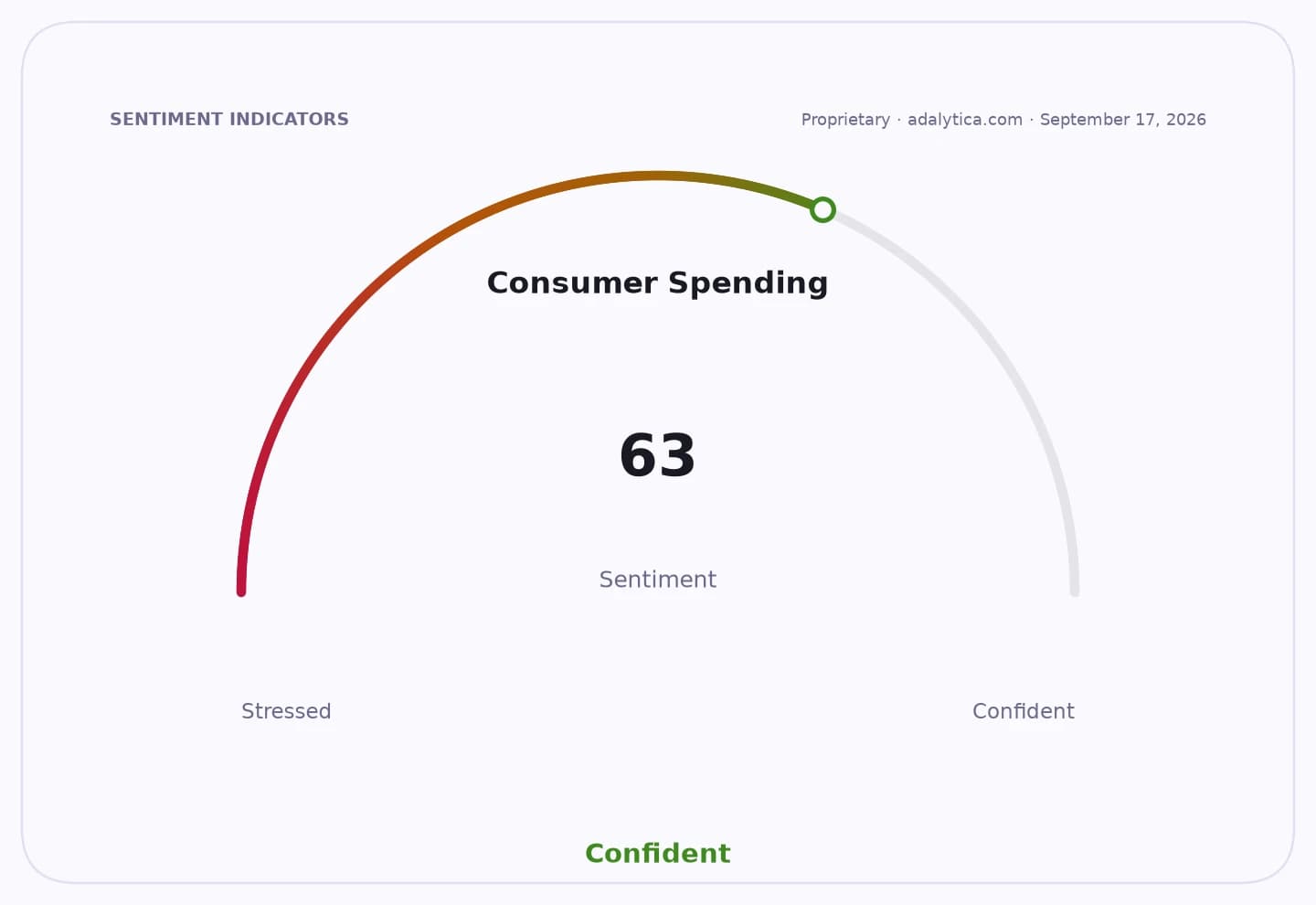
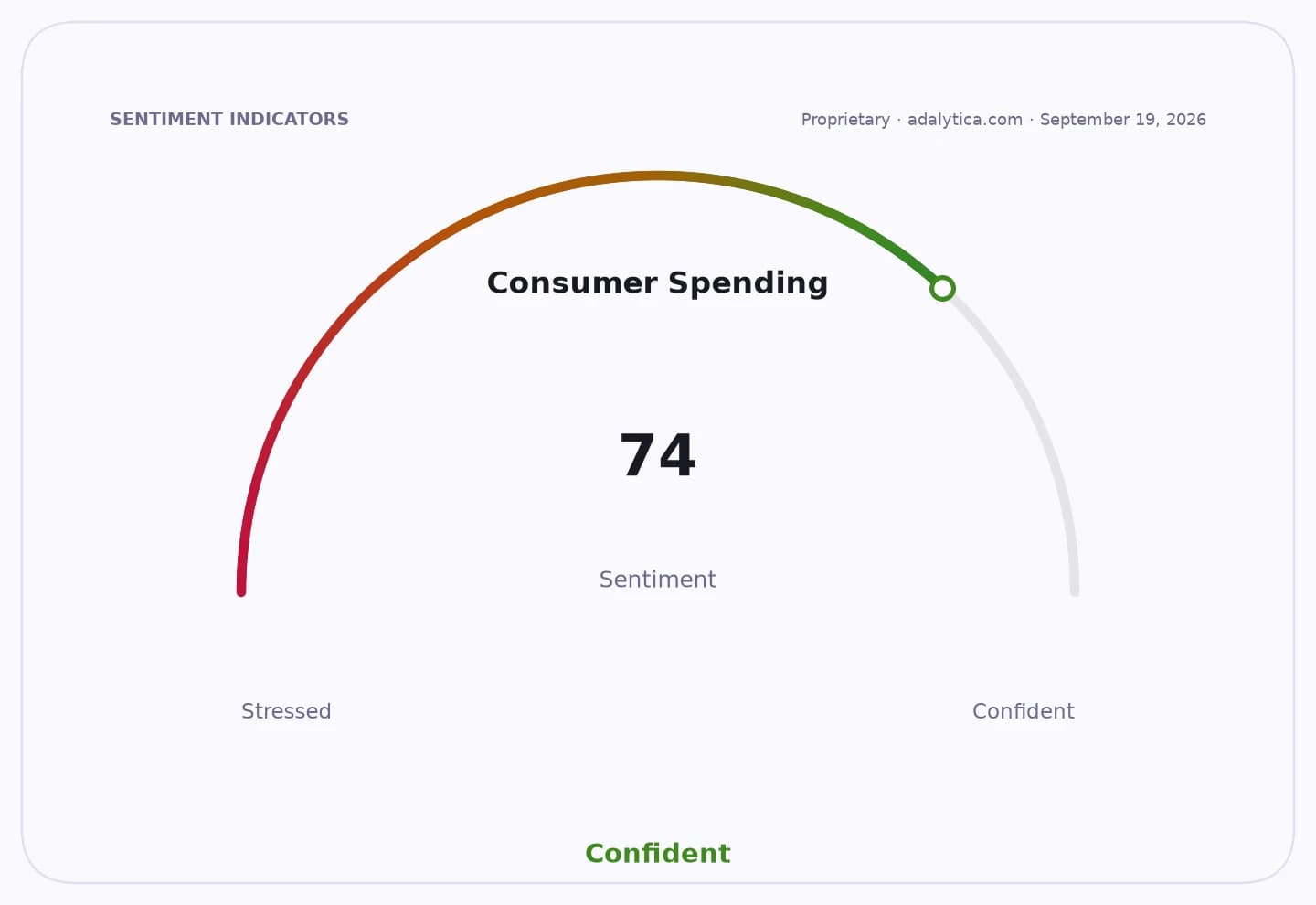
Sentiment IndicatorsⓘProprietary · adalytica.com · September 6, 2026
This is a snapshot — live sentiment, awareness and momentum for 130+ markets update continuously in the dashboard.Open AlphaPulse

That pattern favors value retailers with scale and hurts anyone relying on easy discretionary spending. Walmart’s shares have been under pressure recently, with the stock slipping to around $107 after a sharp run-up earlier in the year, while Target has recovered far better, trading around $164. Five Below has been the standout, bouncing to roughly $252 after a volatile year, reflecting investors’ appetite for retailers that can win when shoppers hunt for lower-ticket essentials and small indulgences.
The message for investors is simple: in a high-price environment, the winners are often the companies that make savings feel convenient. Walmart can keep pulling in budget-conscious families because of its reach and everyday-low-price model. Target benefits when shoppers trade down but still want style and one-stop convenience. Five Below, meanwhile, can capture the teen and tween demand that peaks around the back-to-school aisle.
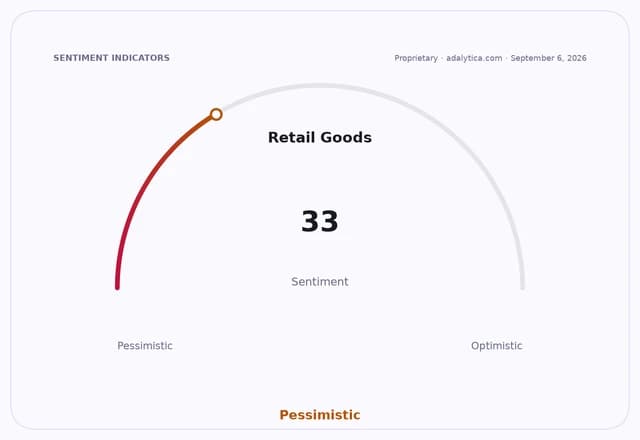
Adalytica’s consumer spending sentiment gauges point to the same story. Consumer confidence sits in extreme fear territory, while consumer spending sentiment is also weak, showing households are nervous even as they keep buying. That combination is classic late-cycle behavior: people still need notebooks, shoes and backpacks, but they are more likely to compare prices, delay purchases and look for promotions.
For investors, that creates a long-term advantage for companies with strong supply chains, broad store networks and the ability to hold traffic even when sentiment sours. It also argues for patience. Back-to-school is not just a seasonal sales event — it is a recurring reminder that the best retailers can compound through inflation, not just survive it.
If you are building a portfolio for the next 3 to 10 years, this is the kind of market setup that rewards quality, scale and value discipline. Walmart remains a durable hold, Target is worth watching for a turnaround, and Five Below shows why niche growth can still work when spending gets tighter.
| Entity | Gains | Losses |
|---|---|---|
| Walmart | ▲Value-seeking families | ▼Higher-end discretionary rivals |
| Target | ▲Trade-down shoppers wanting convenience | ▼Shoppers cutting nonessential buys |
| Five Below | ▲Budget-conscious teens and parents | ▼Premium specialty retailers |
| Consumers | ▲Lower-price options | ▼Full-price retail spending power |