Target is the top performer in grocery delivery and Safeway leads curbside pickup, underscoring how execution in online grocery is becoming a bigger driver of customer loyalty across physical and digital channels.
Target, Safeway Lead Grocery Delivery and Pickup Study
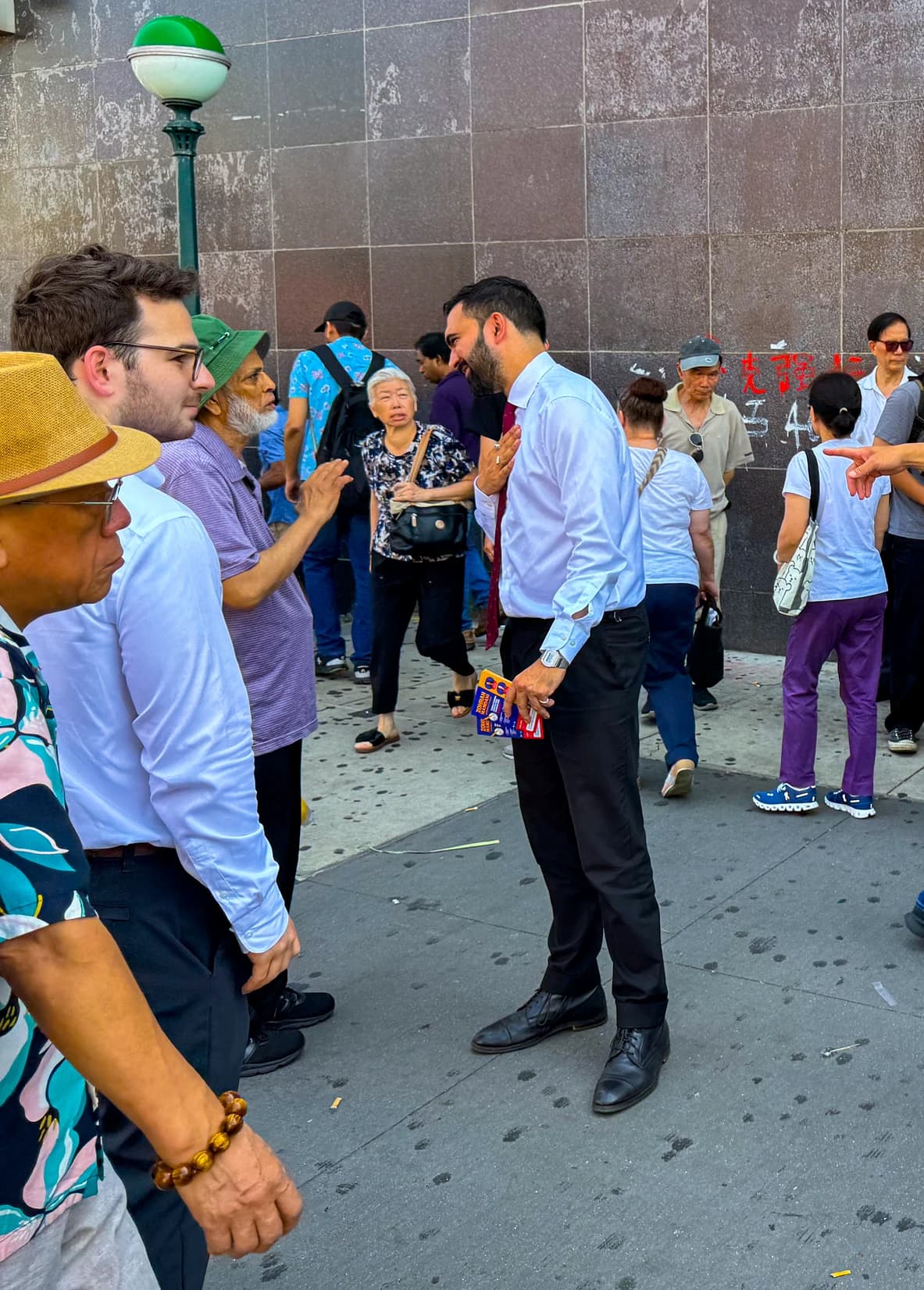
That matters because grocery ecommerce is no longer a standalone convenience play. Ipsos North America’s 2026 Channel Check-In study found 59% of online grocery shoppers also buy in stores, meaning weak delivery, inaccurate orders or surprise fees can spill over into broader retailer relationships and basket share.
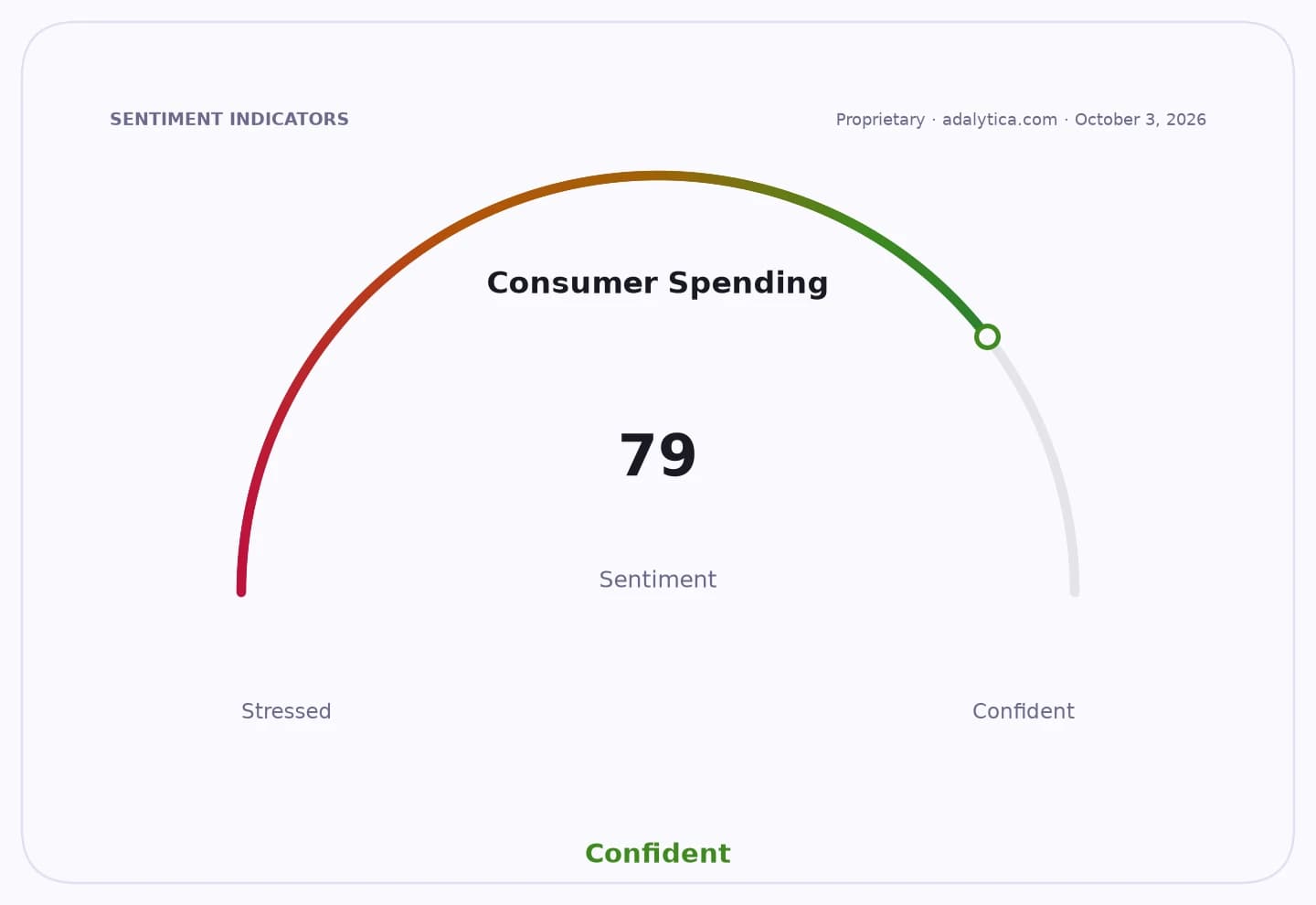
Sentiment IndicatorsⓘProprietary · adalytica.com · October 3, 2026
This is a snapshot — live sentiment, awareness and momentum for 130+ markets update continuously in the dashboard.Open AlphaPulse
The study, based on a survey of 1,236 online grocery shoppers and 1,423 mystery shops, found 37% of hybrid shoppers spend the same online and in store, while 27% say they spend more online. In other words, the digital grocery trip is not just additive revenue — it is increasingly where retailers defend loyalty and margin.
For Target, the result reinforces its push to use store-backed fulfillment — including pickup and same-day delivery — as part of a broader omnichannel strategy. Target shares were trading at $156.70 on Oct. 1, near their 50-day moving average of $154.94, after a volatile run that lifted the stock as high as $169.89 in August before momentum cooled.
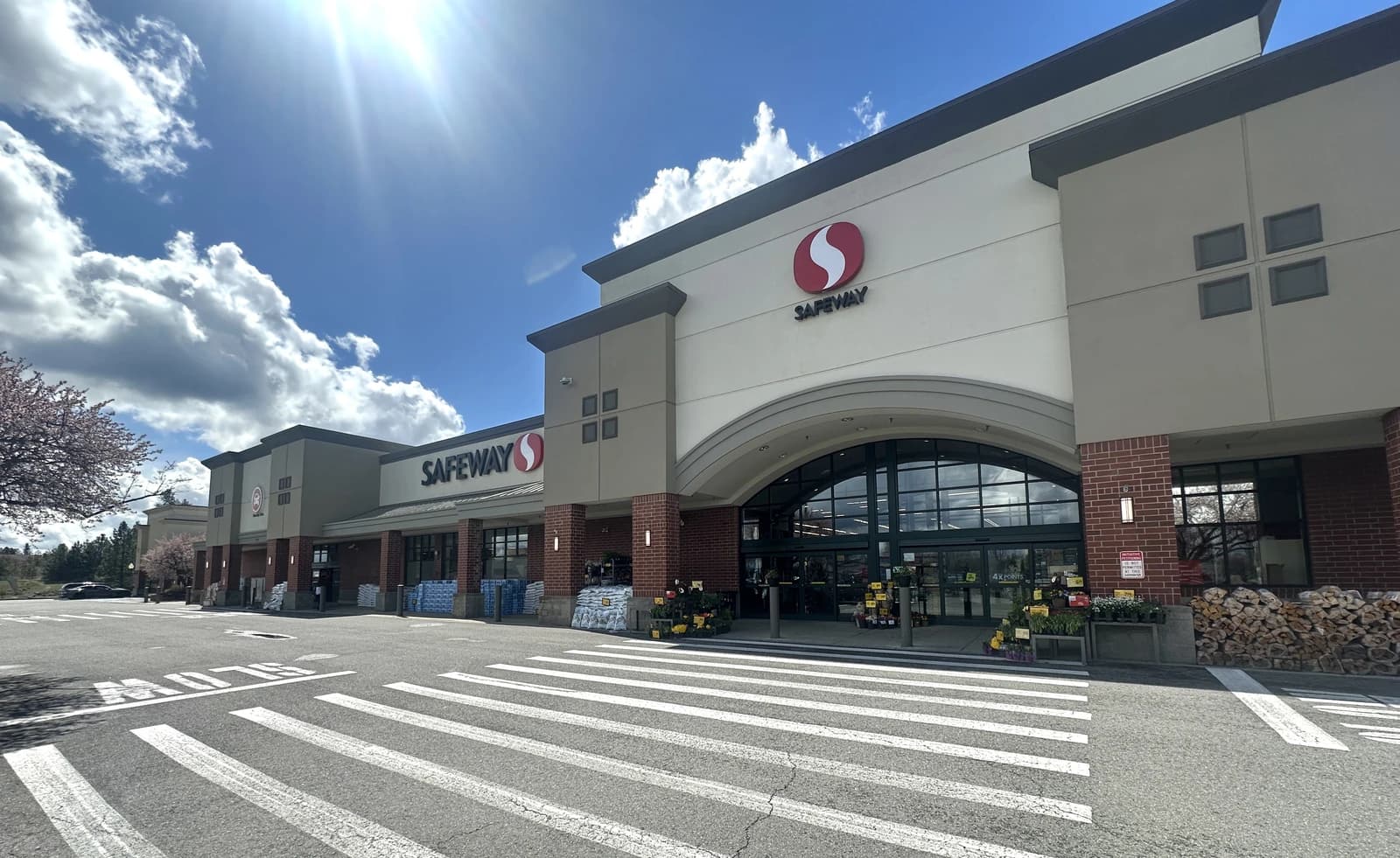
Safeway’s pickup ranking highlights the value of reliable fulfillment and transparent pricing in a channel where shoppers are quick to switch. Ipsos said at least one in three consumers would abandon an online order because of unexpected fees, higher online prices or delivery charges that feel too high.
That is the central economic pressure on grocers: online demand is growing, but the channel only pays off if it protects basket size, frequency and trust. The “basics,” according to Ipsos, still decide the basket — order accuracy, item quality, security, transparent pricing and dependable fulfillment.
For investors, the implication is that grocery competition is shifting from pure delivery speed to execution quality across the full shopping journey. That favors retailers with dense store networks and efficient last-mile operations, while exposing chains that rely on promotions or fees to subsidize weak service.
Target closed at $156.70 on Oct. 1 and Albertsons finished at $11.72, still far below its 200-day moving average of $15.13, reflecting how differently the market has priced the two names. Amazon, a key competitor in grocery and fulfillment, ended the session at $248.23, with its own online retail and logistics scale still setting the bar for service expectations.
The next catalyst for the sector is whether grocers can convert better digital execution into repeat spending without sacrificing profitability, especially as consumers stay price-sensitive and regulators and policymakers keep focusing on grocery affordability.
| Entity | Gains | Losses |
|---|---|---|
| Target | ▲Delivery loyalty; omnichannel traffic | ▼Competitors in same-day delivery |
| Safeway | ▲Curbside pickup share | ▼Rivals with weaker pickup execution |
| Consumers | ▲Better service; clearer pricing | ▼Higher fees; poor fulfillment |
| Amazon and peers | ▲Higher category demand | ▼If rivals narrow service gap |