New York City’s move toward five publicly subsidized grocery stores is turning into a real policy experiment — and for investors in grocery retail, it matters because the city is essentially using tax dollars to create a permanent low-price competitor in one of the country’s most expensive markets.
New York City Plans Five Subsidized Grocery Stores
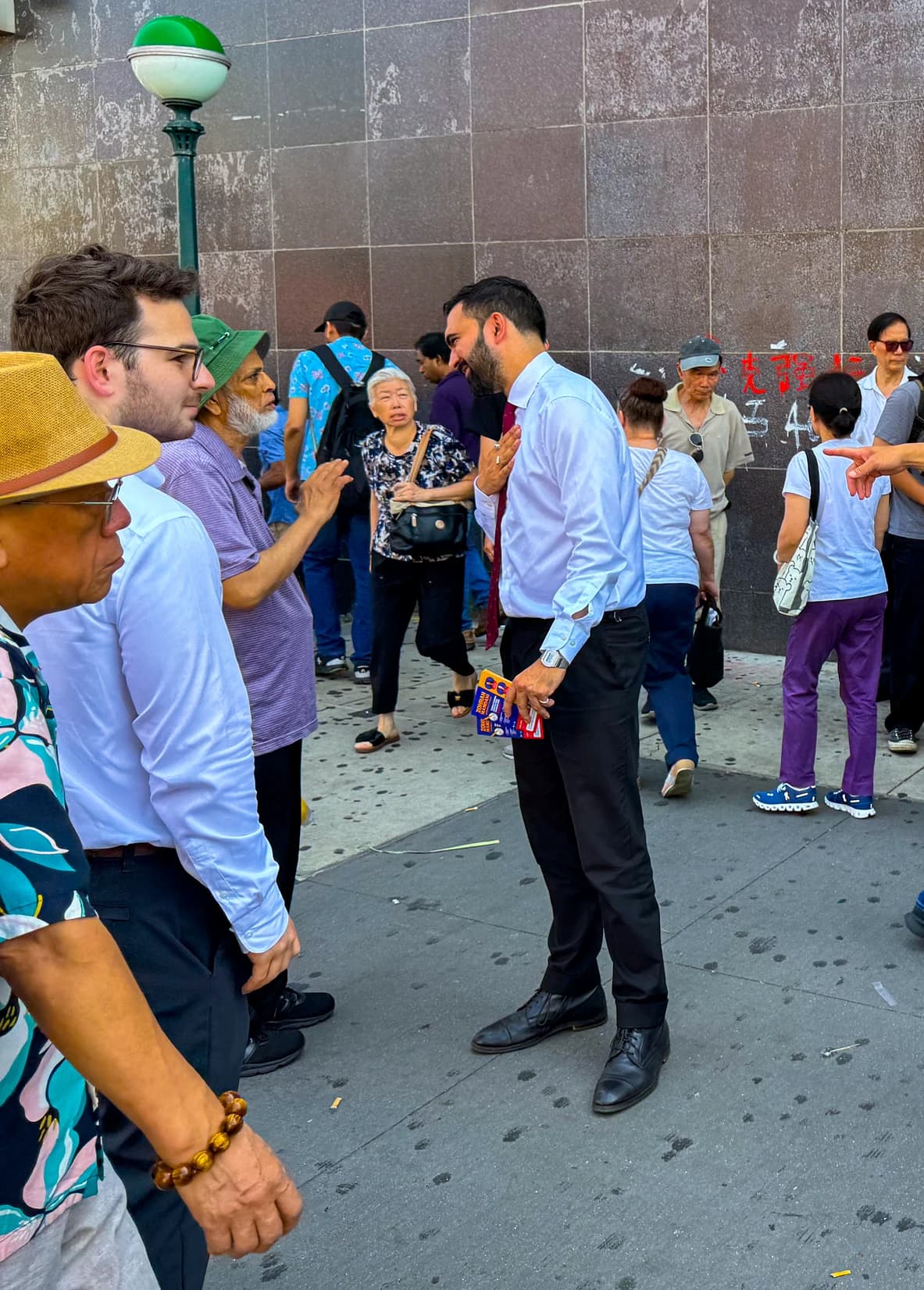
The plan is not about running a charity pantry or a temporary aid program. It is about establishing a new retail model that could pressure incumbents to sharpen pricing, rethink margins and defend market share in neighborhoods where food inflation has made everyday shopping a bigger burden. With two locations already announced, $70 million in capital funding approved and a public subsidy designed to cut prices on a basket of healthy staples by 30%, New York is betting that affordability can be treated like infrastructure.
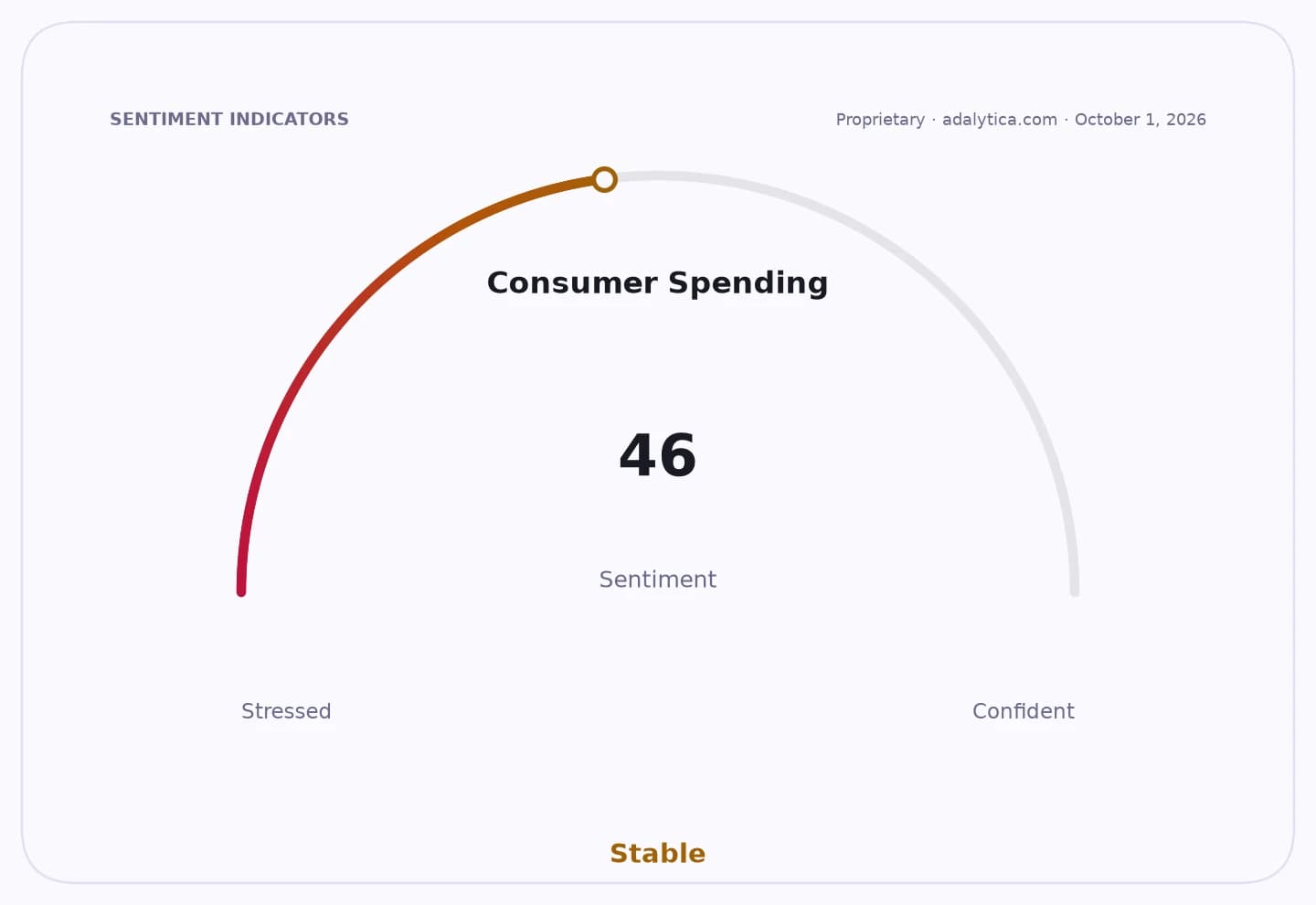
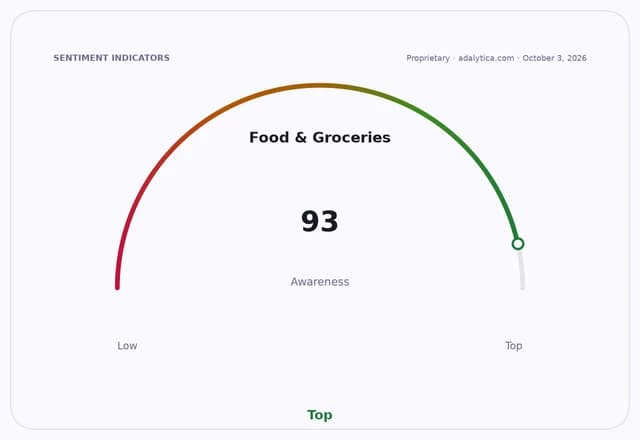
Sentiment IndicatorsⓘProprietary · adalytica.com · October 3, 2026
This is a snapshot — live sentiment, awareness and momentum for 130+ markets update continuously in the dashboard.Open AlphaPulse
That is a meaningful economic signal. Grocery spending is one of the most sensitive line items for households, especially lower-income consumers who can spend more than a quarter of income on food. The broader backdrop is ugly: food prices are up more than 35% since 2020, and unit sales have been falling. Bain/Nielsen IQ said unit volume declined 1.8% in June, a reminder that inflation is not just raising ticket prices — it is changing how much people buy. For a city with more than 1.5 million residents facing food insecurity, the politics and economics line up in favor of intervention.
The investment case is where this becomes interesting. The immediate losers are likely to be high-price local grocers, some independent bodegas and the premium layer of the market that depends on convenience and limited competition. The likely winners are budget-conscious shoppers, unions and the private operators that win contracts to run the stores. Big national chains such as Walmart, Kroger and Costco are not directly being pushed out, but they are being reminded that low prices remain the most powerful growth strategy in grocery.
That has real relevance for public companies. Walmart already trades on its ability to offer value, and Kroger has been leaning into savings programs and operational efficiency. Costco’s long-standing membership model also depends on a perception of everyday savings. A city-backed store that undercuts market prices by 30% on essentials in targeted neighborhoods could become a political and competitive benchmark, even if the program is small in scale. Investors should not mistake “only five stores” for irrelevance. Grocery is a thin-margin business, and even limited pricing pressure can matter when consumers are already trading down.
There is also a useful historical comparison here. The plan borrows from military commissaries, a federally subsidized grocery system that has survived for more than 150 years because it solves a simple problem: how to deliver good food at lower prices to households that need relief. New York is not nationalizing grocery retail, and that distinction matters. The city wants private operators to run the stores, while it covers the rent, taxes and part of the operating subsidy. That lowers execution risk, but it also means the model depends on disciplined partners and tight oversight.
For investors, the bigger question is whether this becomes a one-off civic project or a template other cities copy. If it scales, it could nudge more municipalities to intervene directly in food retail, especially in places where inflation, supply-chain concentration and political pressure are making “market pricing” look increasingly like a policy choice. That would be uncomfortable for legacy grocers, but potentially constructive for discount operators and efficiency-focused retailers.
The stock charts reflect a market that is already sorting winners from losers. Walmart’s shares are down from recent highs and its 50-day average sits below the 200-day trend, while Kroger remains well below its longer-term average. Costco still commands a premium valuation because investors trust its traffic and pricing power. None of that changes overnight because of five New York stores. But the message does matter: in grocery, affordability is becoming more than a slogan. It is becoming public policy.
For long-term investors, that argues for staying focused on the retailers with real scale, strong sourcing, and the discipline to win on value without sacrificing profitability. The Mamdani plan may be politically polarizing, but economically it is straightforward: if the public sector can force lower prices on essentials, incumbents will have to earn their margins the hard way. Worth watching.
| Entity | Gains | Losses |
|---|---|---|
| New York shoppers | ▲Lower staple prices | ▼Higher-priced grocers |
| Private store operators | ▲Subsidized contracts | ▼Margin pressure |
| Walmart, Kroger, Costco | ▲Value-focused demand | ▼Pricing expectations rise |
| Independent bodegas | ▲Possible city support | ▼Direct competition from public stores |