Cash-strapped Americans are still showing up at Costco, and the latest data suggest the warehouse club’s value proposition is holding up even as consumers remain under pressure from inflation and a softer labor backdrop.
Costco traffic holds up as shoppers trade down
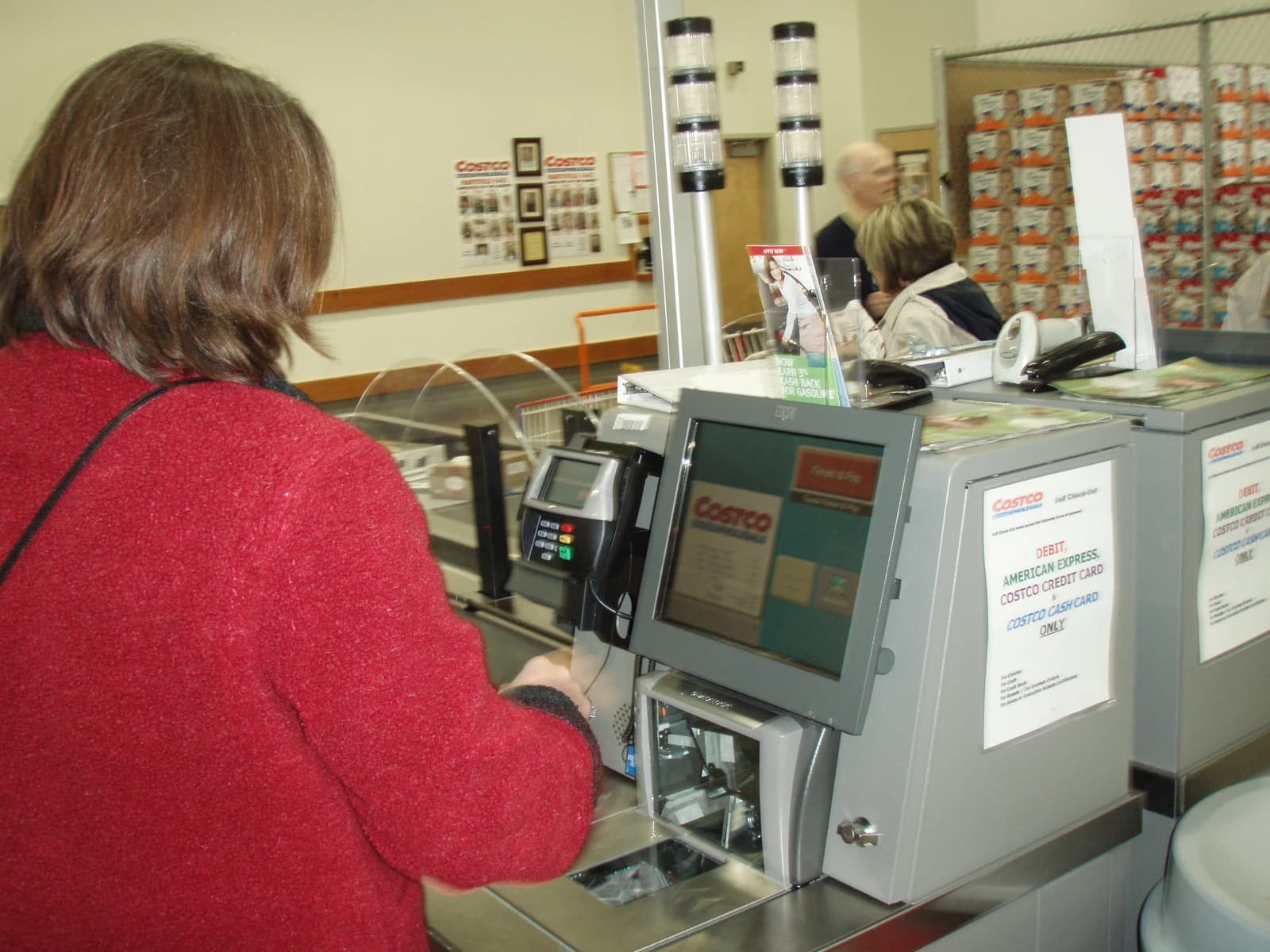
That matters because Costco’s business model is built on trading down: households with stretched budgets buy bigger packs, pay for membership, and accept a limited assortment in exchange for lower unit costs. When that behavior persists, it says consumers are still prioritizing essentials and value, even if discretionary confidence is fragile. It also helps explain why the chain continues to take share from rivals that rely more heavily on lower-income or promotion-sensitive shoppers.
U.S. consumer prices remain far above pre-pandemic levels, with the CPI at 334.1 in August after rising 40.7% from the 2026 low in the data set, while unemployment is forecast to hover around 4.0%. That combination is consistent with a consumer who is still employed but increasingly price-sensitive. In that environment, Costco’s model has tended to outperform because membership fees, bulk buying and perceived pricing authority give it a cushion that smaller-format or higher-margin retailers do not enjoy.
The stock market has reflected that resilience. Costco shares closed at $914.94 on Oct. 1, above the 50-day moving average of $933.21 in the latest data and below the 200-day average of $959.11, after a sharp pullback from May’s peak near $1,093. The recent slide suggests investors are no longer paying up quite as aggressively for defensive retail growth, but the underlying spending trend still supports the long-term thesis. Walmart, by contrast, has held up better at $104.26, while Target at $156.70 has also recovered, underscoring how traders continue to favor retailers with scale, pricing power and traffic stability.
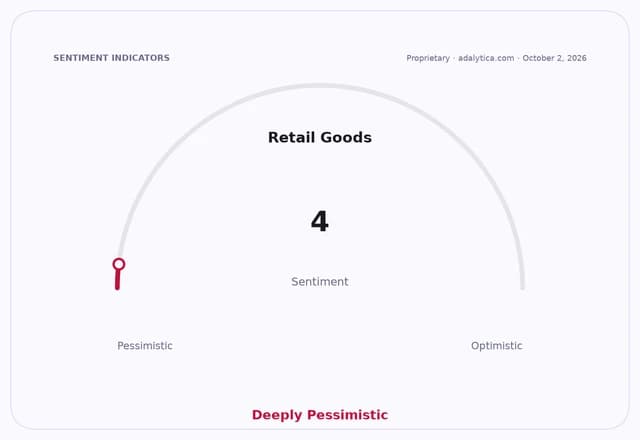
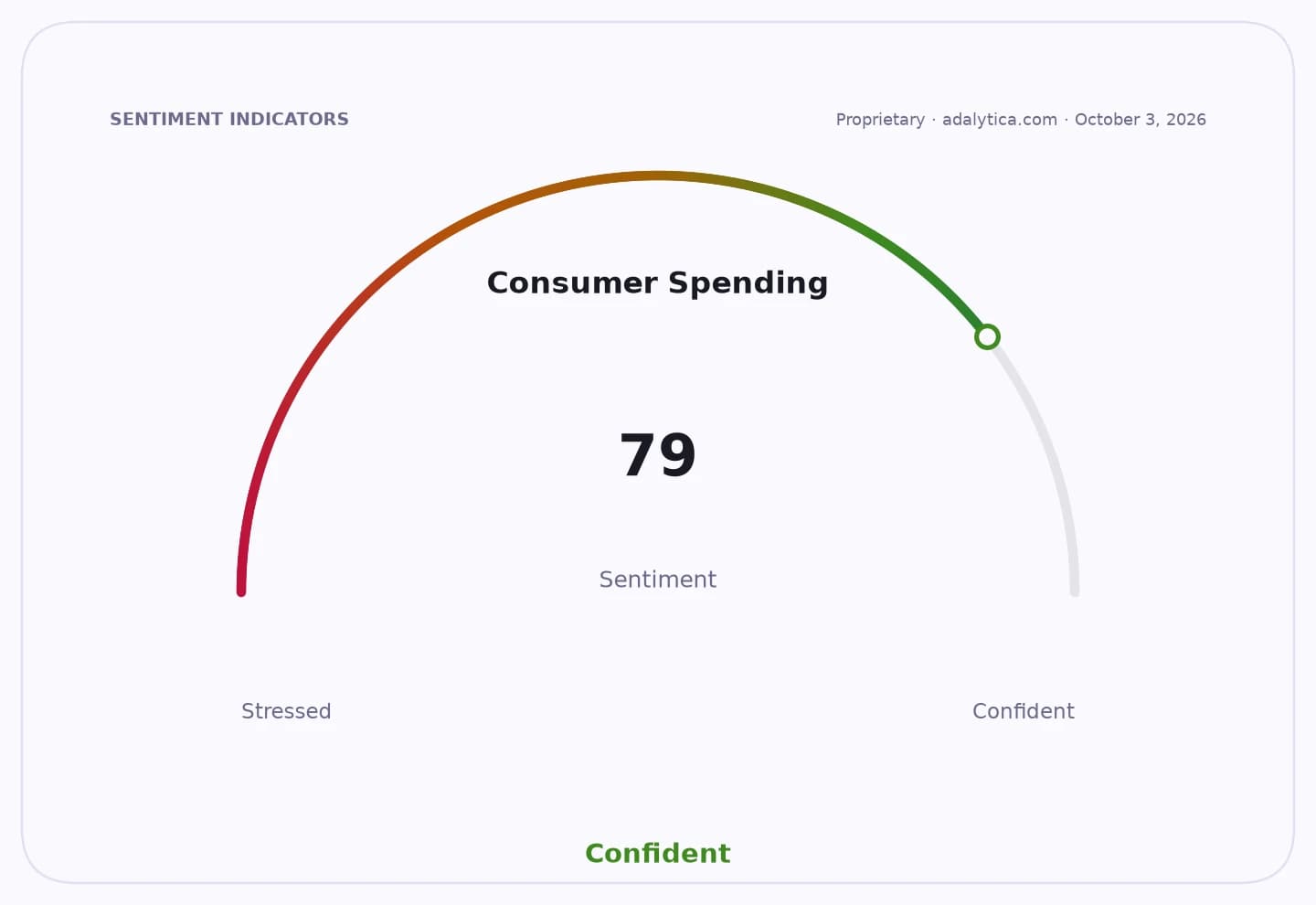
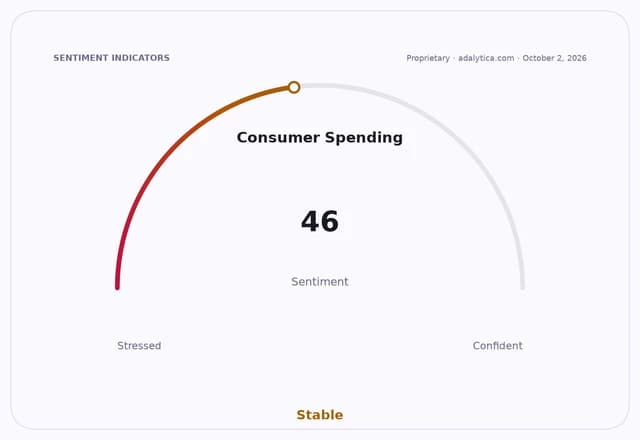
Adalytica’s Consumer Spending Sentiment gauge has cooled to 46, neutral, after a 29-point one-day drop, while its Retail Goods Spending Sentiment is at 4, or extreme fear. That divergence matches the crosscurrents in the data: households may feel cautious about goods spending in the abstract, yet they are still choosing where to spend, and Costco remains one of the clearest beneficiaries of that selectivity.
For investors, the key question is whether Costco’s traffic strength can keep offsetting margin pressure if inflation eases and trade-down behavior normalizes. Bulls will argue that membership renewal strength, pricing trust and share gains can sustain growth even in a slower economy. Bears will point to valuation, the recent share-price volatility and the risk that a more stable consumer eventually reduces the urgency to stock up at warehouse clubs. The next read-through will come from monthly sales and membership trends, which should show whether Costco’s customer base is merely coping with inflation or has permanently shifted its shopping habits.
| Entity | Gains | Losses |
|---|---|---|
| Costco | ▲Traffic and membership growth | ▼Less room to raise prices |
| Price-sensitive shoppers | ▲Lower unit costs | ▼Trade-off in convenience |
| Walmart | ▲Defensive grocery demand | ▼Some trading-down competition |
| Target | ▲Upper-income recovery plays | ▼Value-seeking traffic share |