Amazon is rolling out early Prime Day deals with discounts of as much as 90%, giving Prime members a first crack at markdowns on electronics, beauty, travel gear and other goods ahead of next week’s Prime Big Deal Days.
Amazon launches early Prime Day deals ahead of event
The move matters because it pulls demand forward into a month that already carries outsized weight for U.S. retailers and online sellers. With consumer sentiment still weak by historical standards, Amazon is using steep promotions to keep shoppers engaged, clear inventory and defend its share of discretionary spending before rivals can respond.
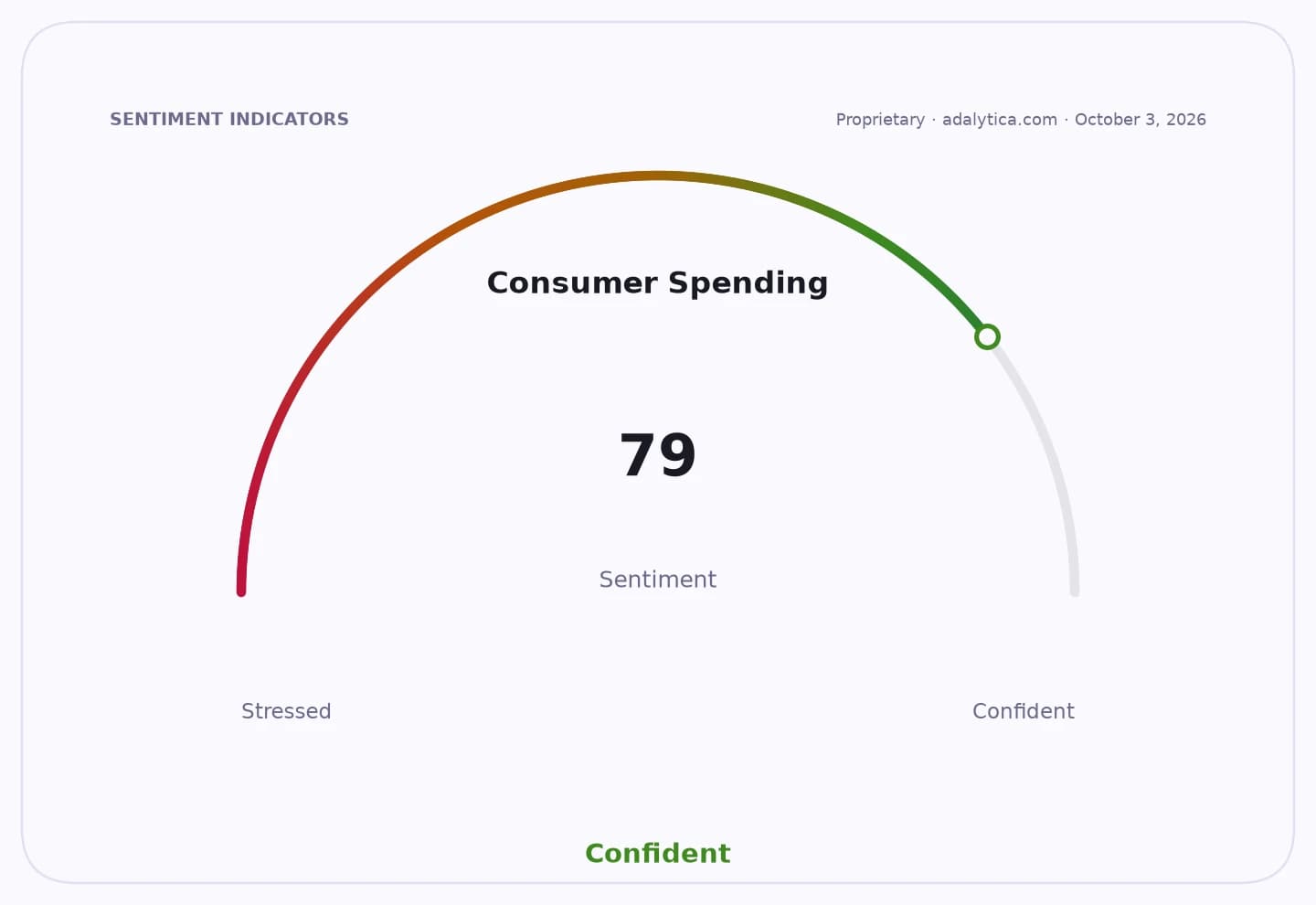
Sentiment IndicatorsⓘProprietary · adalytica.com · October 3, 2026
This is a snapshot — live sentiment, awareness and momentum for 130+ markets update continuously in the dashboard.Open AlphaPulse
Prime Day has become one of Amazon’s most important traffic and conversion events, and the early-access push signals the company is trying to stretch the sales window rather than rely on a single flash sale. Amazon’s shares closed at $251.52 on Oct. 2, above the 200-day moving average of $241.36 and just under the 50-day average of $256.54, after a volatile stretch that saw the stock trade as high as $284.02 in August.
The broader retail backdrop is mixed. Walmart’s shares were last at $104.26, below both its 50-day average of $108.74 and 200-day average of $117.88, while Costco ended at $920.65, still below its 50-day average of $933.13 and its 200-day average of $959.43. That suggests investors are still favoring retailers with pricing power and membership loyalty, but they are also watching whether heavy discounting can protect volumes without eroding margins.
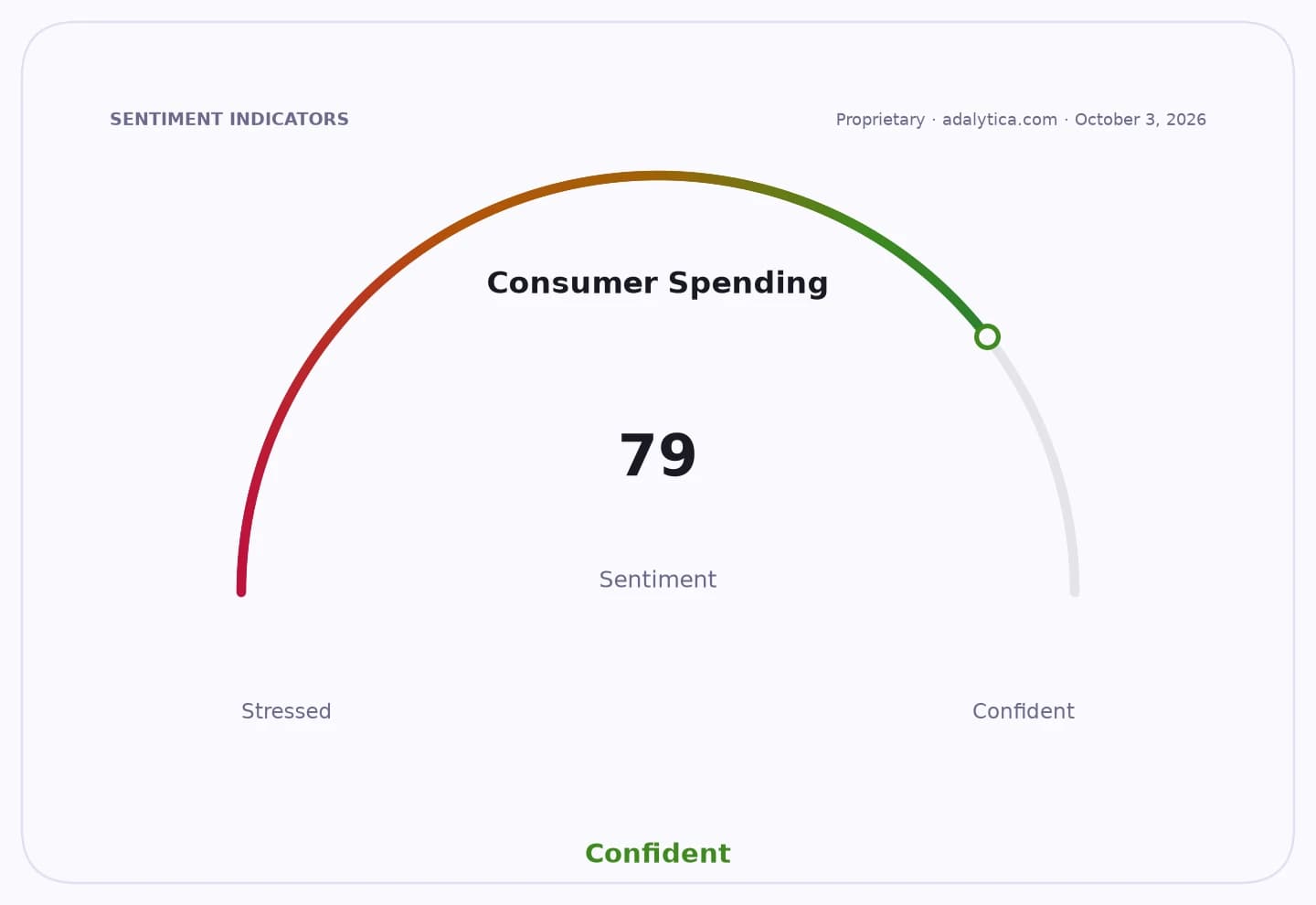
Consumer signals are not especially supportive. Adalytica’s consumer spending sentiment stood at 79, labeled greed, while retail goods spending sentiment was only 14, or extreme fear, underscoring a split between willingness to shop and caution around discretionary purchases. Amazon’s early markdowns fit that environment: they can drive traffic now, but they also raise the stakes for how much the company is willing to sacrifice on price to keep demand moving.
The key catalyst is next week’s Prime Big Deal Days, which will show whether the early offers are enough to build momentum into the main event and whether Amazon can convert bargain hunting into broader basket growth.
| Entity | Gains | Losses |
|---|---|---|
| Amazon | ▲Traffic and Prime engagement | ▼Short-term margin pressure |
| Prime members | ▲Deep discounts | ▼Risk of impulse overspending |
| Walmart | ▲Holiday traffic spillover | ▼Share of online deal hunters |
| Costco | ▲Value-shopping relevance | ▼Less pricing flexibility |