Costco Wholesale is turning consumer stress into sales power, beating quarterly expectations as inflation-strained households loaded up on bulk essentials and flocked to its discounted gasoline stations.
Costco Quarterly Sales Beat on Bulk Buying and Fuel
The warehouse club said adjusted earnings came to $6.60 a share in the fourth quarter, above the $6.53 analysts expected, excluding a 15-cent benefit tied to tariff refunds. Revenue rose about 11% from a year earlier to $95.72 billion, topping Wall Street’s $94.86 billion estimate, while comparable sales excluding fuel and currency jumped 6.7%, also ahead of forecasts.
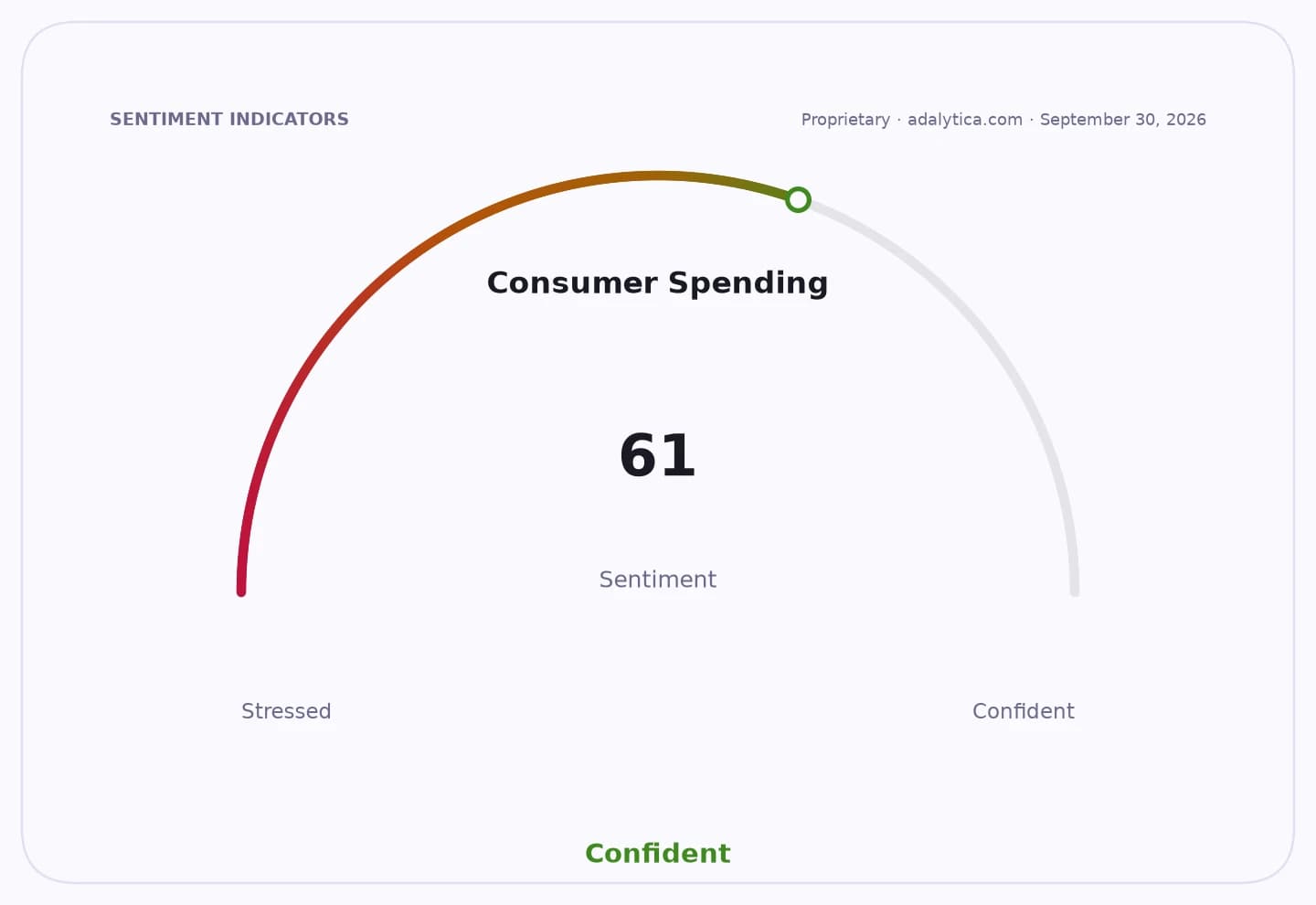
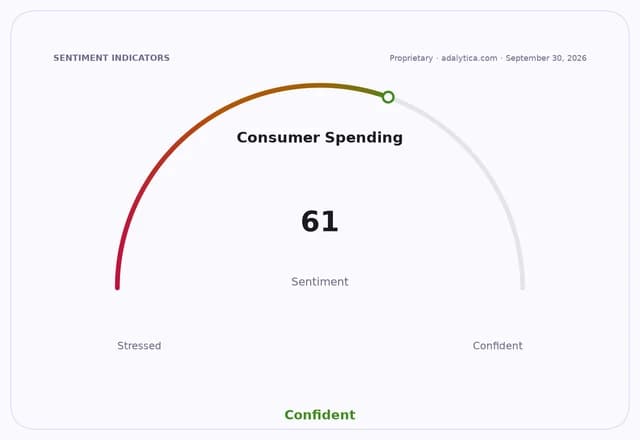
Sentiment IndicatorsⓘProprietary · adalytica.com · September 30, 2026
This is a snapshot — live sentiment, awareness and momentum for 130+ markets update continuously in the dashboard.Open AlphaPulse
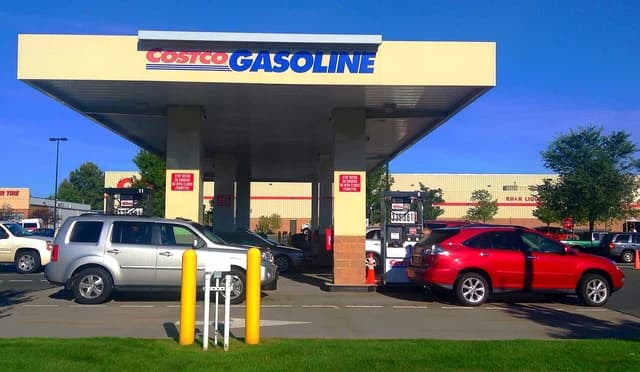
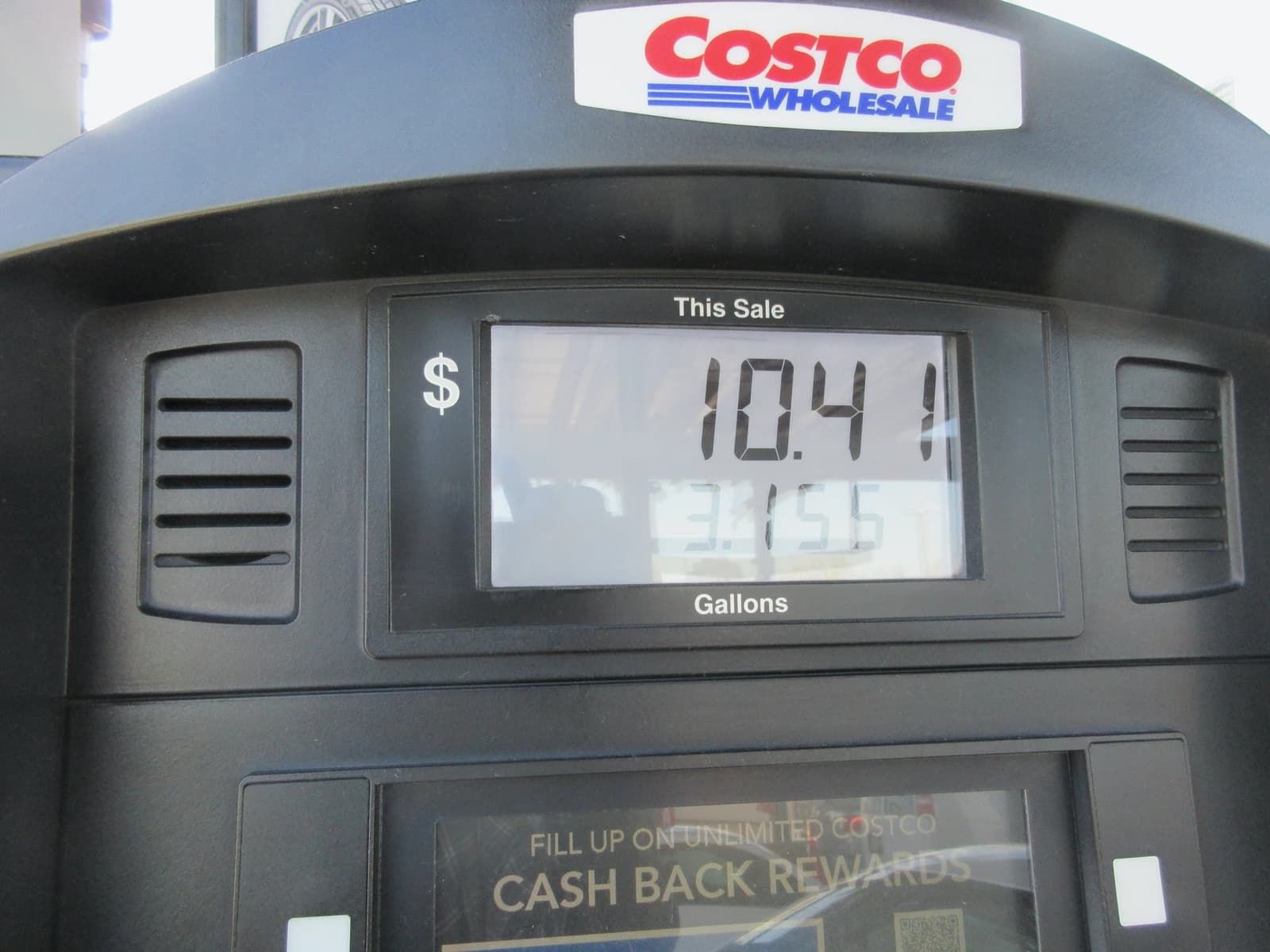
That is the key investment signal: Costco is winning not because consumers are spending freely, but because they are trading down. In a choppy macro backdrop, the company’s model — low prices, bulk value and fuel discounts — is acting like a magnet for price-sensitive shoppers. Gasoline was a major driver, with Chief Executive Ron Vachris calling it a “record year” for the category, a reminder that when fuel costs rise, Costco’s below-market pump prices can pull traffic into the stores and lift spending across the warehouse.
For investors, that is exactly the kind of defensive growth story the market often underprices. Costco is not just a retailer; it is a pricing authority with a built-in traffic engine. When households are under pressure, it captures share from conventional grocers and general merchandisers by bundling savings into a one-stop trip. Management said shoppers were consolidating purchases into fewer visits and buying more in each basket, which boosts throughput and supports same-store sales even when the consumer is cautious.
The quarter also showed how Costco uses scale to reinforce loyalty. The company received $184 million in tariff refunds under the International Emergency Economic Powers Act and passed those savings through in the form of lower prices on staples such as meat, beverages and other non-food items. That kind of reinvestment matters: it keeps the value proposition intact, widens the moat and makes Costco harder to dislodge in an inflationary environment where every dollar matters.
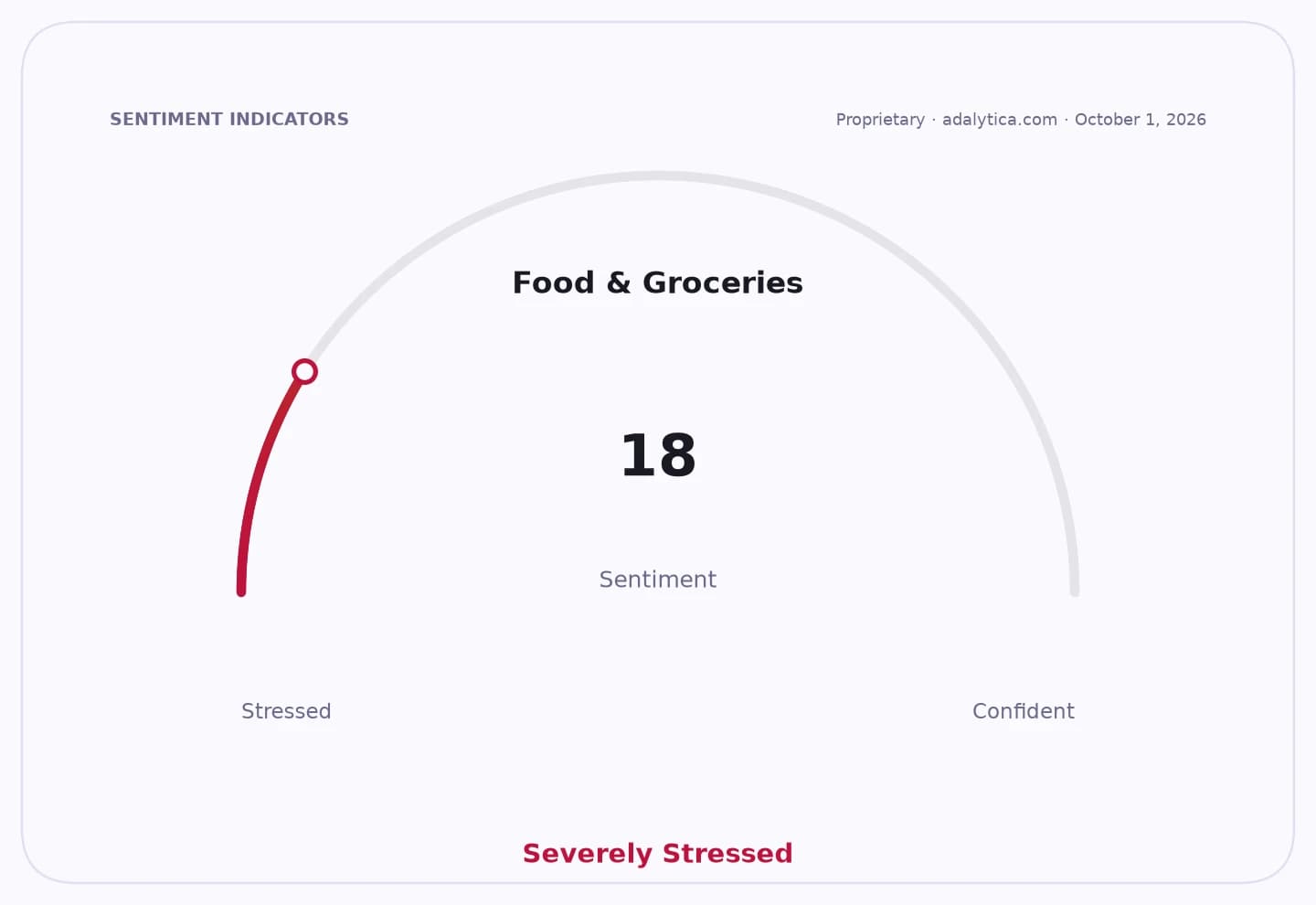
The macro backdrop is doing part of the work. Higher fuel prices, tied in part to geopolitical tensions in the Middle East, are squeezing household budgets and making Costco’s gasoline offering more compelling. At the same time, broader consumer sentiment remains fragile, and the company’s results fit a wider pattern of shoppers seeking cheaper everyday essentials rather than discretionary splurges. That supports the case for consumer staples and value-oriented retail as a relative haven if inflation proves sticky.
The stock was flat in after-hours trading, after rising almost 4% this year through Thursday’s close. I think that leaves room for the market to keep re-rating Costco if investors accept the bigger thesis: this is a secular winner in an economy where affordability is still the dominant theme. The next catalyst will be whether traffic and basket growth stay resilient into the holiday quarter, especially if fuel stays elevated and households continue to prioritize value.
For now, Costco remains one of the cleanest ways to own the inflation trade without betting on inflation itself. The market should treat these results as proof that the consumer is still under pressure — and that Costco is one of the few retailers built to profit from it.
| Entity | Gains | Losses |
|---|---|---|
| Costco | ▲Higher traffic, bigger baskets | ▼Margin pressure from lower prices |
| Value-focused shoppers | ▲Cheaper fuel and essentials | ▼Less room for discretionary spending |
| Traditional grocers/retailers | ▲— | ▼Share loss to warehouse clubs |
| Suppliers/competitors | ▲Volume demand | ▼Pricing pressure from Costco’s model |