Canada is moving to put grocery pricing under a sharper regulatory microscope, and that matters because food inflation has become a politically toxic, economically sensitive pressure point with real implications for retailer margins, supplier power and consumer spending.
Canada Grocery Pricing Review Hits Walmart and Costco
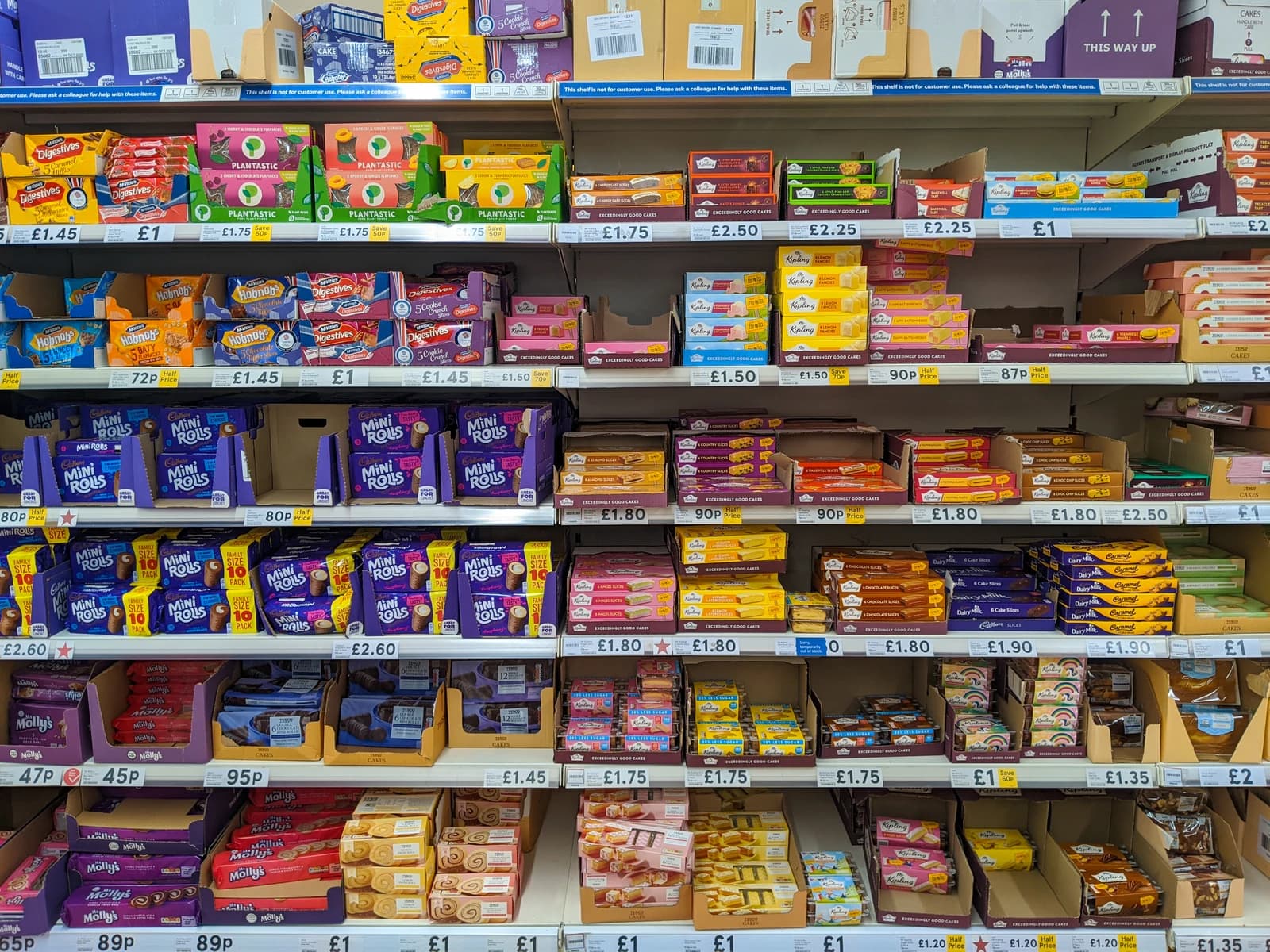
The Competition Bureau said it will begin gathering information next week on retail grocery pricing policies, building on a June investigation into competition across the sector. The agency is already examining production, processing, transportation, distribution and shelf pricing, along with loyalty programs, algorithmic pricing, shrinkflation and skimpflation. That makes the new call for information less a routine consultation than a broader test of how much pricing flexibility grocers have left in an era of higher public scrutiny.
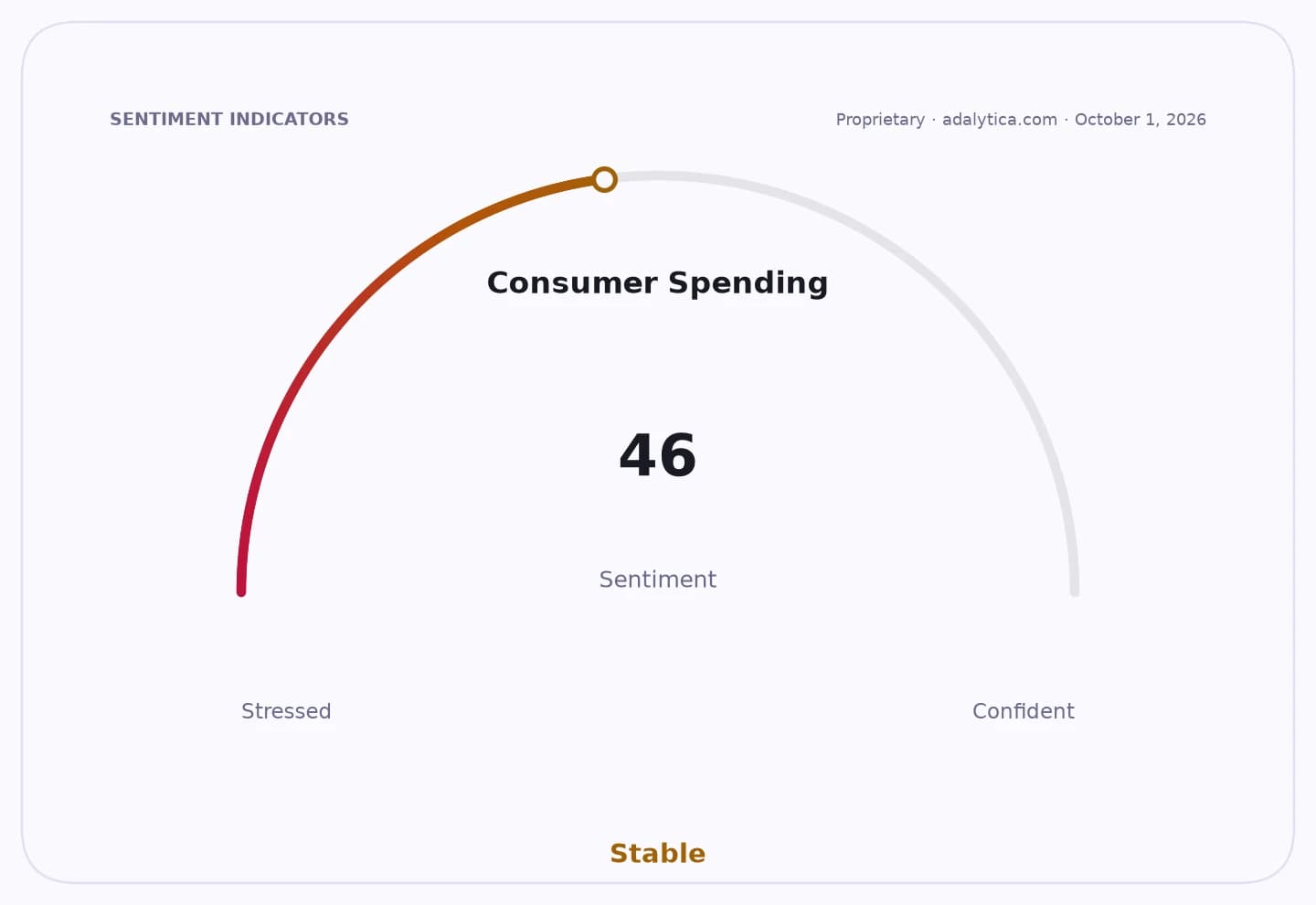
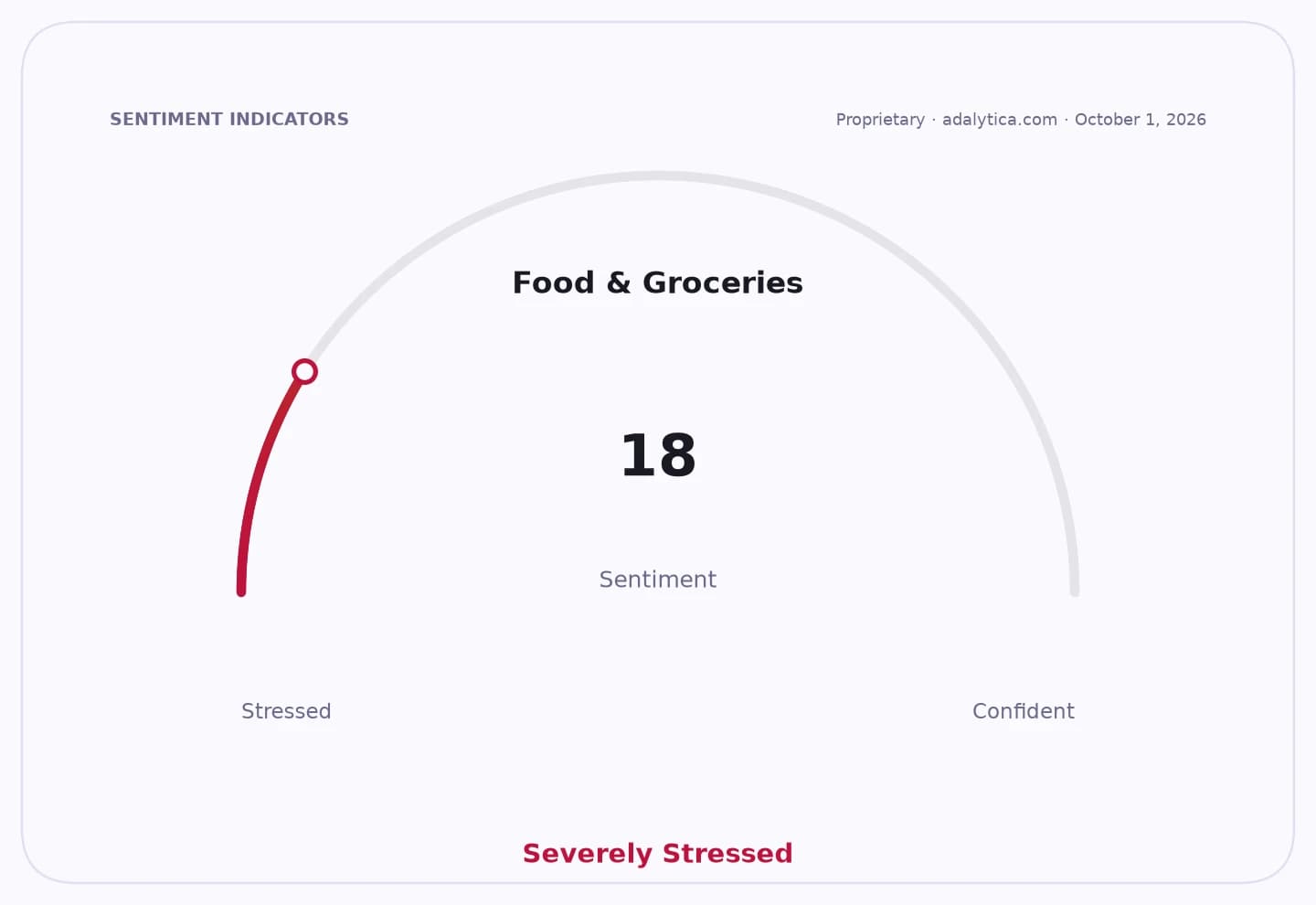
Sentiment IndicatorsⓘProprietary · adalytica.com · October 1, 2026
This is a snapshot — live sentiment, awareness and momentum for 130+ markets update continuously in the dashboard.Open AlphaPulse
For investors, the key issue is whether this evolves into tougher enforcement or even policy changes that compress the pricing power of dominant chains. Grocery retail is a low-margin business that depends on scale, data and disciplined pricing. Any move that forces more transparency on shelf prices, loyalty discounts or algorithm-driven price optimization could alter how retailers manage traffic and gross margin. It also raises the risk that suppliers and grocers get squeezed from both sides: regulators on one side, consumers demanding relief on the other.
The timing is important. The bureau’s 2023 retail grocery market study already argued that greater competition could help lower prices and spur innovation. Since then, grocery inflation has remained a flashpoint across developed markets, and the new probe fits a wider pattern of governments trying to show they are acting on food affordability. In the data accompanying this story, an Adalytica.com food and grocery spending gauge is flashing “Fear,” even as awareness is elevated, underscoring how quickly sentiment can turn when consumers believe pricing is opaque or unfair.
For listed names, the immediate read-through is mixed. Walmart, Costco and Kroger all operate in a business built on scale and pricing authority, but each could face pressure if regulators scrutinize loyalty mechanics, promotional pricing or the use of algorithms to adjust prices in real time. Costco’s model is more insulated because its member pricing is simpler and more transparent. Walmart, with its enormous volume and data advantage, has the most to lose if pricing practices become a political target. Kroger sits in the middle: exposed enough to regulation, but also more likely than the warehouse clubs to feel pressure to defend value perception in a highly competitive market.
Technically, the stocks are already sending mixed signals. Walmart has slipped back below its 50-day moving average after a strong run, with RSI readings cooling from overbought levels, while Costco remains well above its longer-term trend despite recent consolidation. Kroger is steadier but still trades below its 200-day moving average, suggesting investors have not yet assigned a full rerating to the sector despite recurring pricing power debates. The market is telling you that grocery chains are still seen as defensive cash generators, but not immune to valuation risk if policy scrutiny intensifies.
The bigger investable takeaway is that grocery regulation may not destroy the sector, but it can redistribute profits. If Ottawa’s review leads to tighter disclosure or limits on opaque pricing tactics, the winners are likely to be the most trusted, scale-driven operators with clean pricing reputations and the best private-label economics. The losers are the chains and vendors most dependent on pricing complexity. This is the kind of policy overhang that can create mispricings before earnings models catch up. If you want exposure, own the operators with the strongest pricing brands and the most durable membership economics, not the names most vulnerable to a transparency crackdown.
| Entity | Gains | Losses |
|---|---|---|
| Consumers | ▲More price transparency | ▼Fewer promotional games |
| Costco | ▲Pricing trust premium | ▼Less room for opaque pricing |
| Walmart | ▲Scale advantage if scrutiny is limited | ▼Margin pressure if policies tighten |
| Kroger | ▲Value positioning could help | ▼Higher compliance and pricing risk |